


Air Freight Crisis: Jet Fuel Doubles, Routes Cut, Shipping Costs Surge for Cross-Border Sellers
- Jet fuel prices doubled since Feb 28, 2026; Delta, Air Canada, KLM, Lufthansa cutting routes June-October 2026; air freight costs rising 15-25% for international e-commerce sellers










Overview
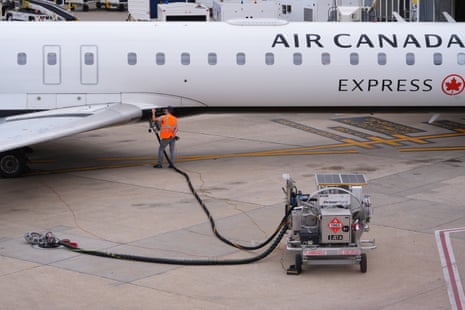
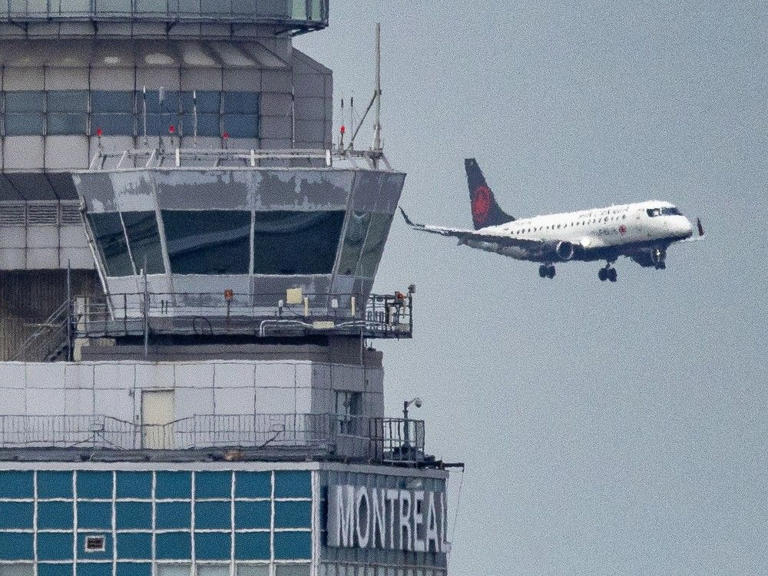
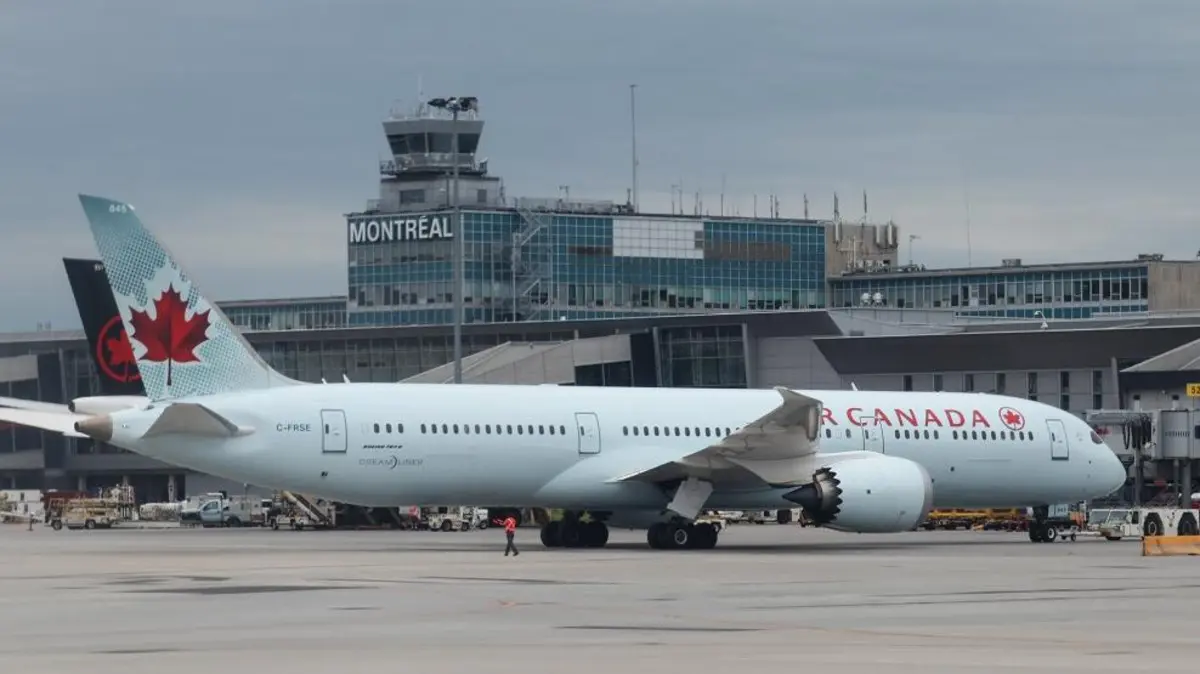
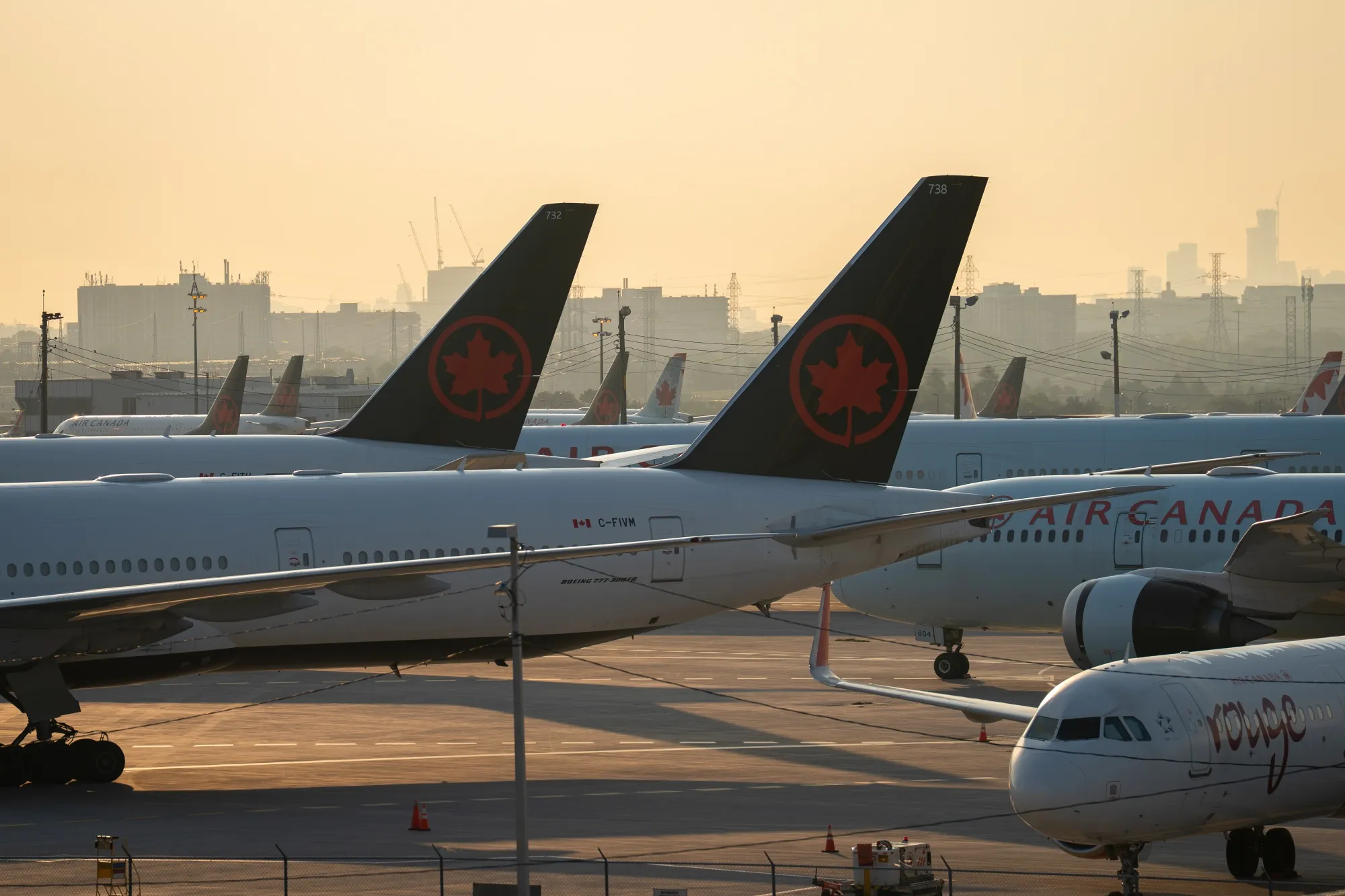
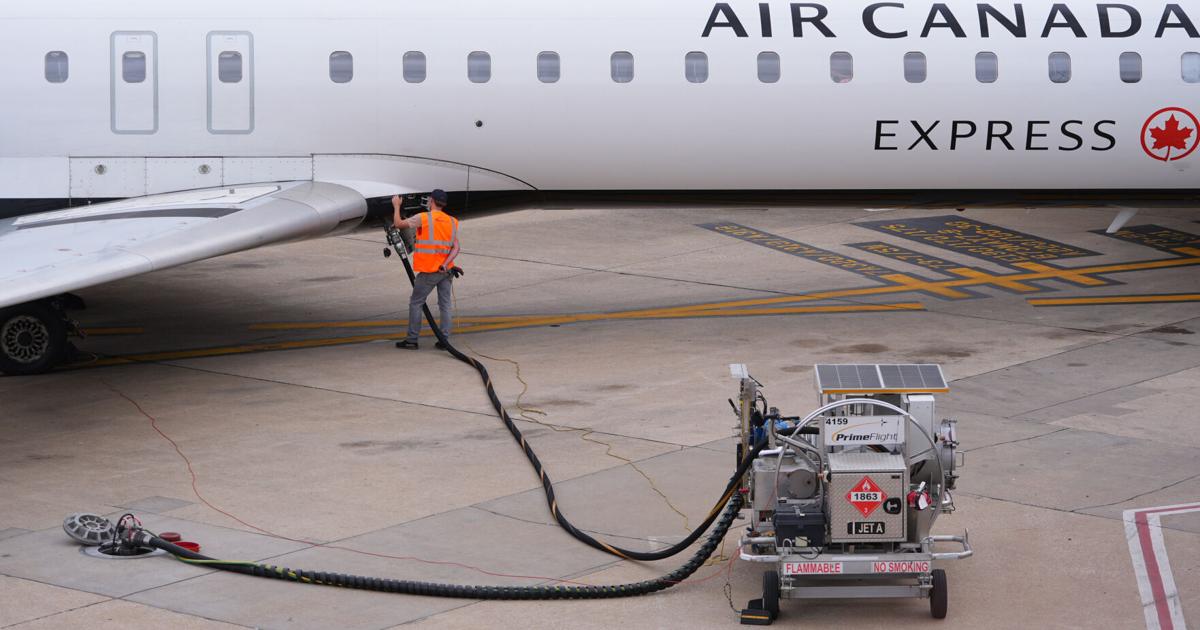
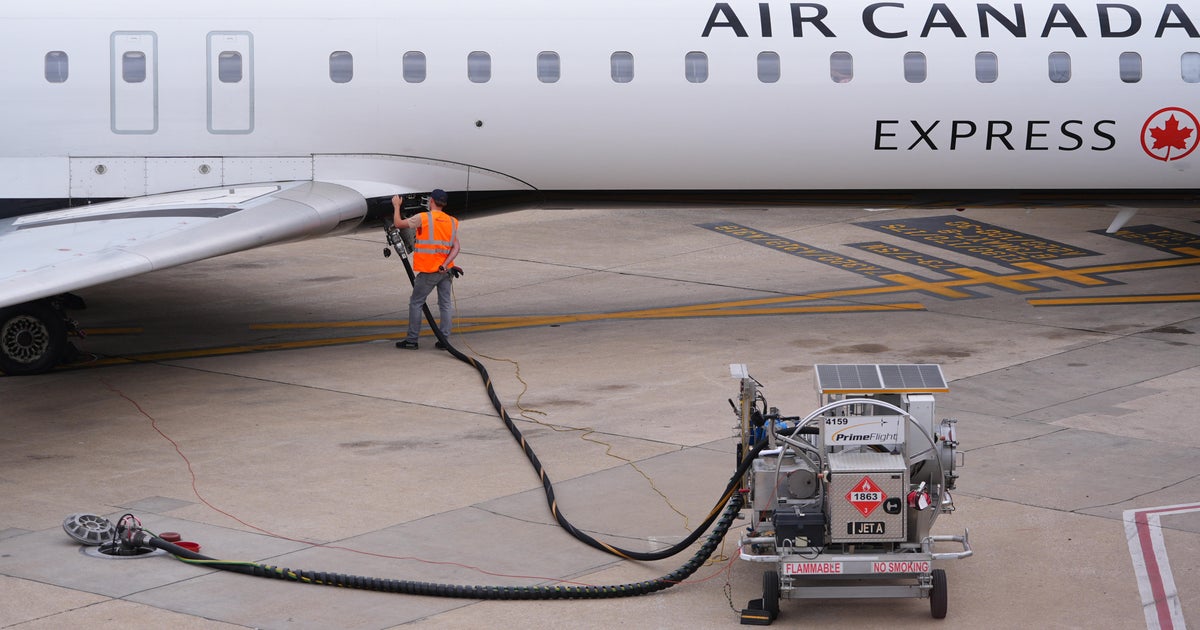
The Iran-Israel conflict triggered an unprecedented aviation fuel crisis that directly impacts cross-border e-commerce logistics. Jet fuel prices have doubled since February 28, 2026, forcing major carriers—Delta, Air Canada, KLM, and Lufthansa—to cancel routes through summer 2026. Delta suspended four routes (JFK-Memphis, JFK-St. Louis, Detroit-Reykjavik, Boston-Nassau) from May-September, while Air Canada halted Toronto/Montreal-JFK service June 1-October 25. The International Energy Agency warned European airports have only six weeks of jet fuel reserves, with Fatih Birol calling it "the largest energy crisis we have ever faced in history."
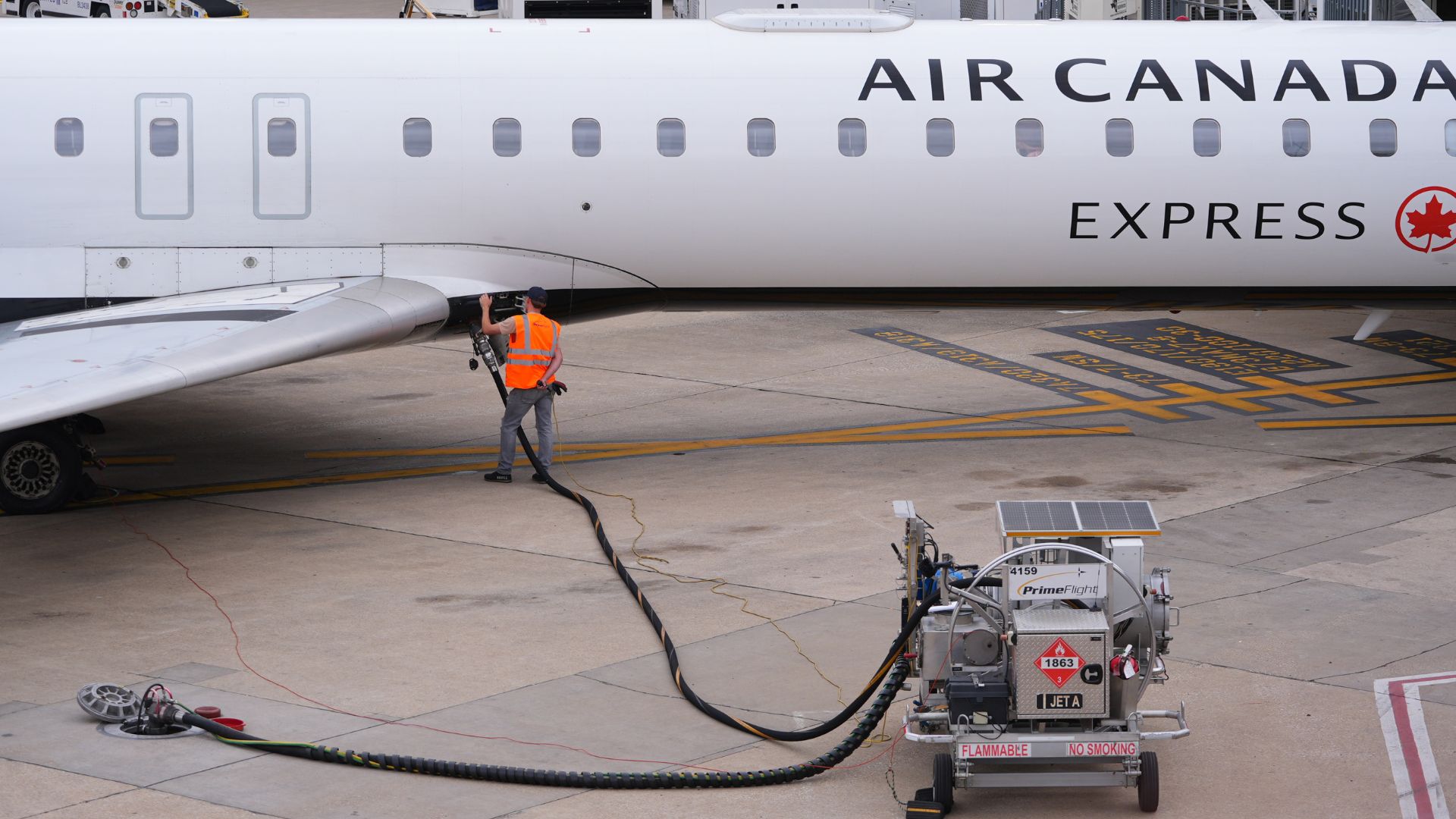
For cross-border sellers, this creates immediate operational challenges. Jet fuel represents 25-30% of airline operating costs, making air freight the most vulnerable shipping method. Sellers relying on expedited air freight for time-sensitive categories—electronics, fashion, perishables, high-value items—face 15-25% cost increases and 2-4 week delivery delays as carriers implement intermediate stops and reduce flight frequencies. The Strait of Hormuz, carrying 20% of global oil supply, reopened April 17, 2026, but analysts expect weeks to months for fuel stabilization. European sellers face the most acute pressure due to fuel shortages; Australian carriers Qantas and Virgin Australia already increased ticket prices and reduced frequencies, while easyJet projects £540-560M losses for H1 2026.
Strategic logistics response is critical NOW. Sellers should immediately shift from air freight to ocean freight for non-urgent shipments (30-45 day lead times acceptable), reducing costs by 60-70% per kilogram. For June-September 2026, prioritize sea freight for bulk inventory replenishment to US/EU warehouses. High-margin, time-sensitive categories (electronics accessories, fashion, beauty) should maintain air freight but negotiate volume discounts with remaining carriers. Consider consolidating shipments to fewer, high-frequency routes: US domestic carriers benefit from domestic fuel production, making US-based fulfillment centers strategically advantageous. Sellers shipping from Asia should route through alternative hubs—Singapore, Dubai, Mexico City—to avoid fuel-constrained European gateways. Implement 3PL partnerships in North America and Europe to pre-position inventory before peak summer demand, avoiding air freight bottlenecks entirely.
Inventory positioning is essential. Stock 60-90 days of inventory in US FBA warehouses (lower fuel surcharges) and EU 3PL facilities by May 31, 2026, before summer route cuts intensify. Liquidate slow-moving inventory in high-cost regions immediately. For sellers dependent on air freight (perishables, fashion-forward items), negotiate fixed-rate contracts with carriers before June 1 to lock in current pricing. Monitor Strait of Hormuz stability and IEA fuel reserve reports weekly; fuel normalization could occur by Q4 2026, creating opportunities to rebalance inventory back to lean-stock models. The crisis window is June-October 2026; sellers who pre-position inventory and shift to ocean freight will maintain margins while competitors absorb 20-30% cost increases.
Questions 8
How much will air freight costs increase for cross-border sellers due to the fuel crisis?
Air freight costs are rising 15-25% immediately due to doubled jet fuel prices since February 28, 2026. For sellers shipping 1,000 units monthly from Asia to US at typical rates of $3-5/kg, expect additional costs of $45-125 per shipment. The crisis intensifies June-October 2026 as Delta, Air Canada, KLM, and Lufthansa cut routes, reducing available capacity and pushing rates higher. Sellers should lock in fixed-rate contracts before June 1, 2026, or shift to ocean freight (60-70% cost savings) for non-urgent inventory.
Which shipping routes are most affected by airline route cancellations?
Transatlantic routes face the most disruption: Air Canada suspended Toronto/Montreal-JFK service June 1-October 25, while Delta cut JFK-Memphis and JFK-St. Louis (June 7-September 7). European routes are critically impacted—the IEA warned European airports have only six weeks of jet fuel reserves. US domestic routes benefit from domestic fuel production, making US-based fulfillment centers strategically advantageous. Sellers should prioritize ocean freight to US ports (Los Angeles, Long Beach, Houston) and pre-position inventory in US FBA warehouses by May 31, 2026.