


Oil Price Volatility & Insider Trading Risks | Critical Supply Chain Impact for Cross-Border Sellers
- Crude fluctuations of $11-15/barrel directly increase fuel surcharges 8-15% for international shippers; CFTC investigations signal stricter derivatives regulations affecting logistics cost predictability
















Overview
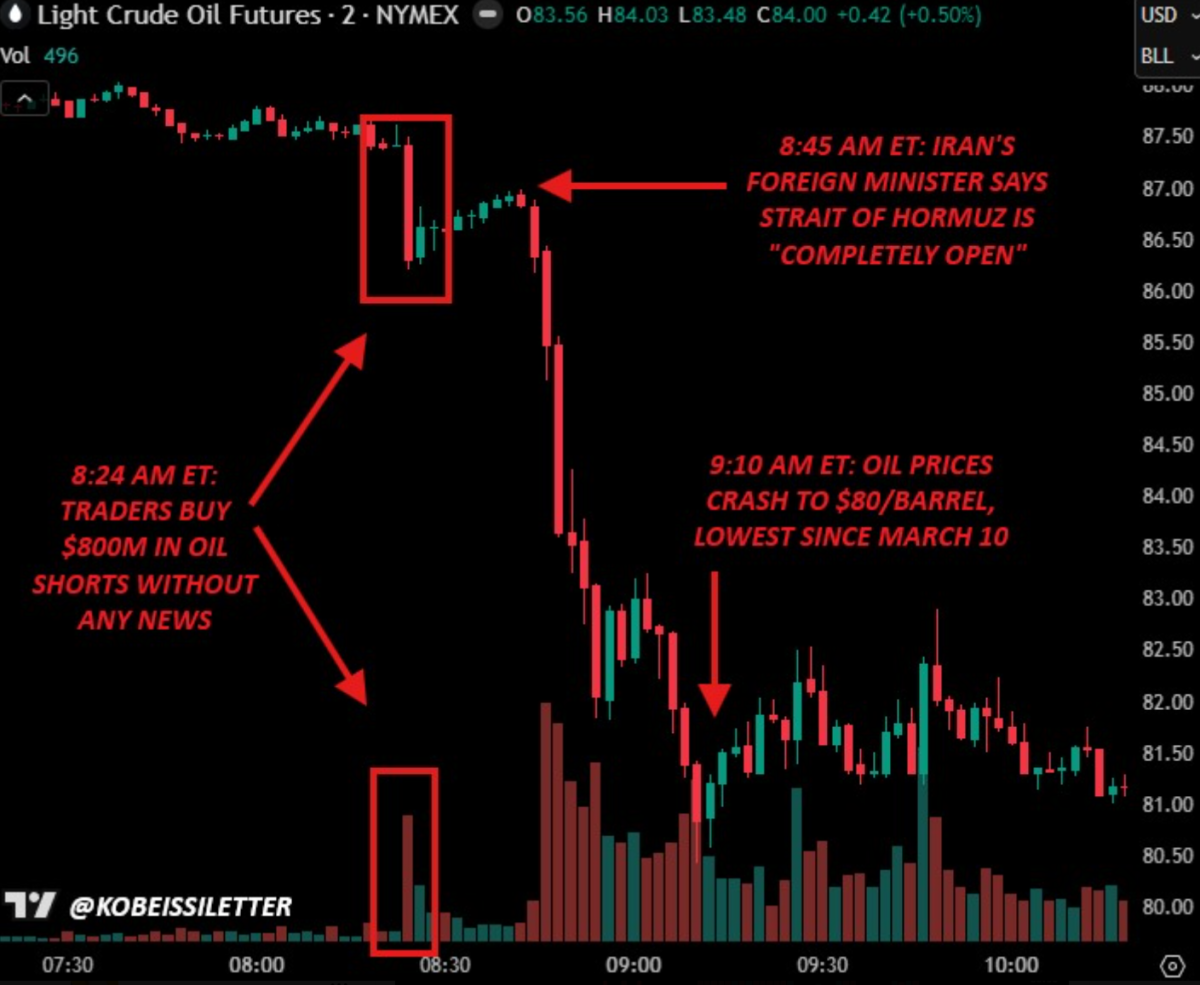
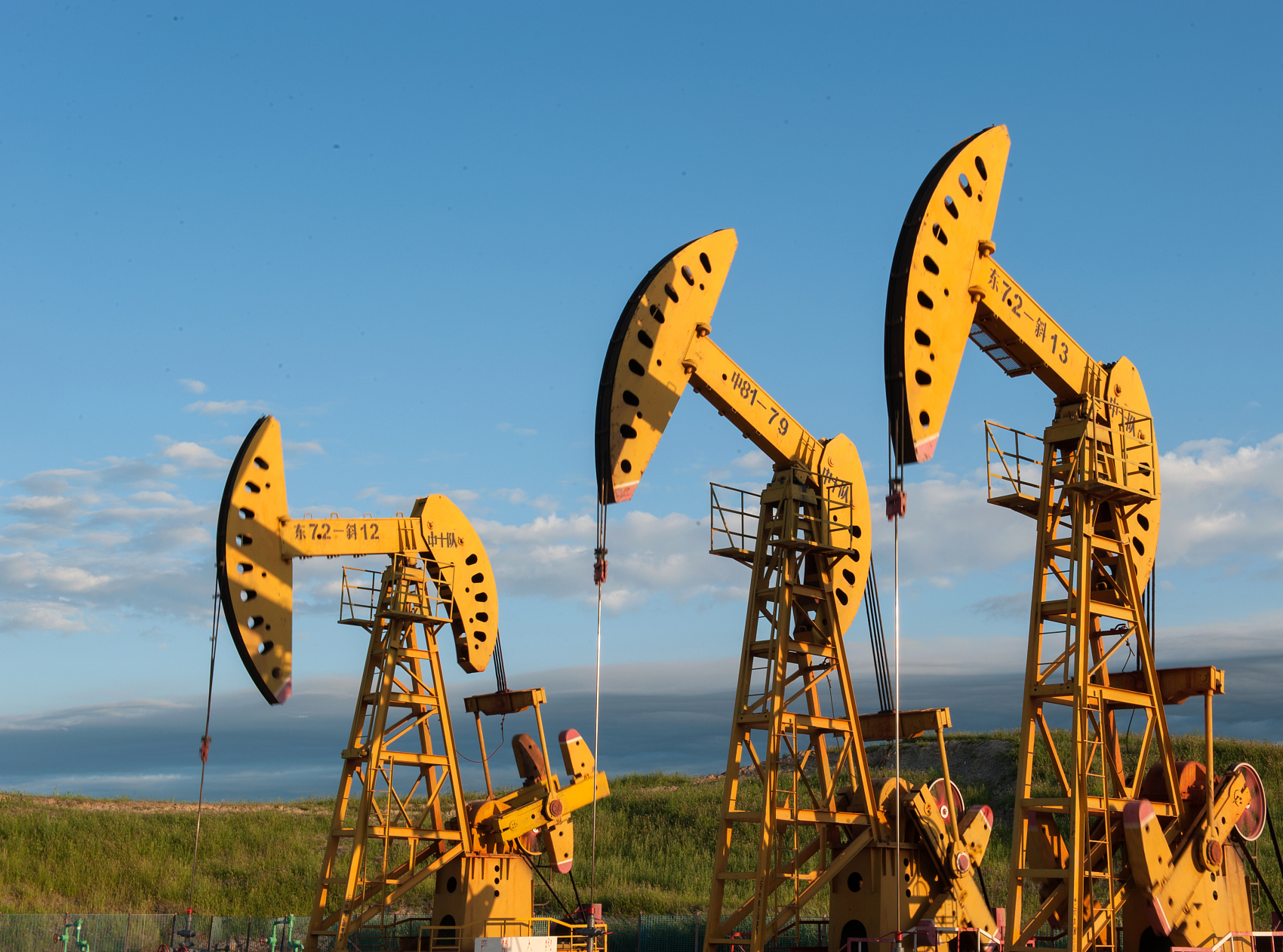
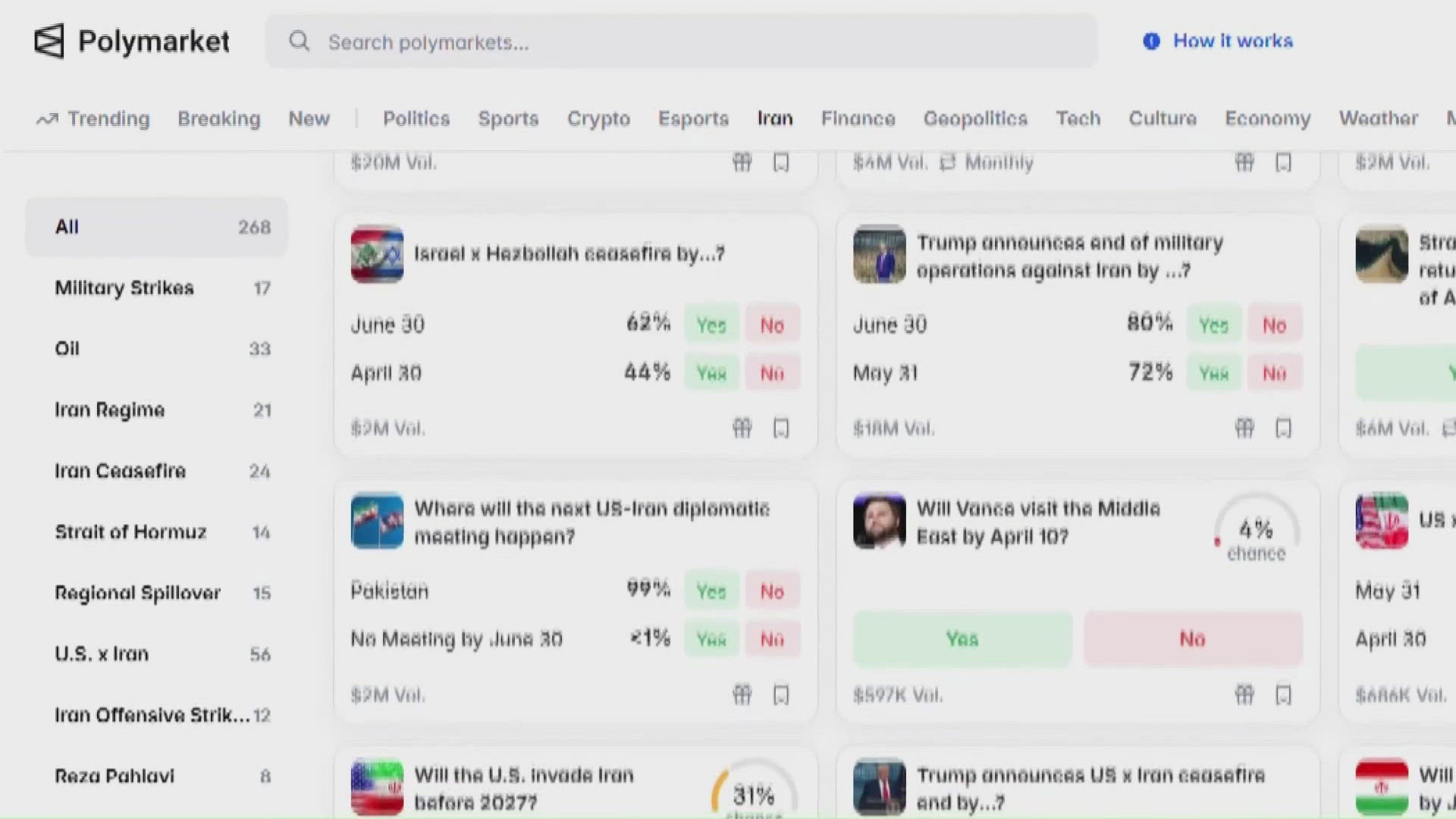
Geopolitical insider trading patterns are creating unprecedented oil price volatility that directly threatens cross-border e-commerce supply chains. Between February-April 2025, traders placed over $1 billion in perfectly-timed bets on Iran-related events, with suspicious patterns including $855,000 in bets placed 150 accounts predicting US airstrikes on February 27, $580 million in oil futures sold 15 minutes before Trump's March 23 Iran announcement, and $950 million in bets placed hours before April 7 ceasefire news. Most critically, on April 17, 2026, traders placed $760 million in bets just 20 minutes before Iran's Strait of Hormuz announcement, selling 7,990 lots of Brent crude futures and triggering an $11/barrel price drop.
For cross-border e-commerce sellers, these oil price swings directly compress margins through fuel surcharges. Crude fluctuations of $11-15 per barrel significantly impact international shipping costs—fuel surcharges on ocean freight typically increase 8-15% with each $10/barrel swing, while air freight surcharges can spike 12-20%. Sellers relying on expedited shipping to maintain competitive delivery times face heightened cost uncertainty that makes pricing strategies unpredictable. A seller shipping 500 units monthly via air freight could see monthly logistics costs swing $2,000-4,000 based on crude volatility alone.
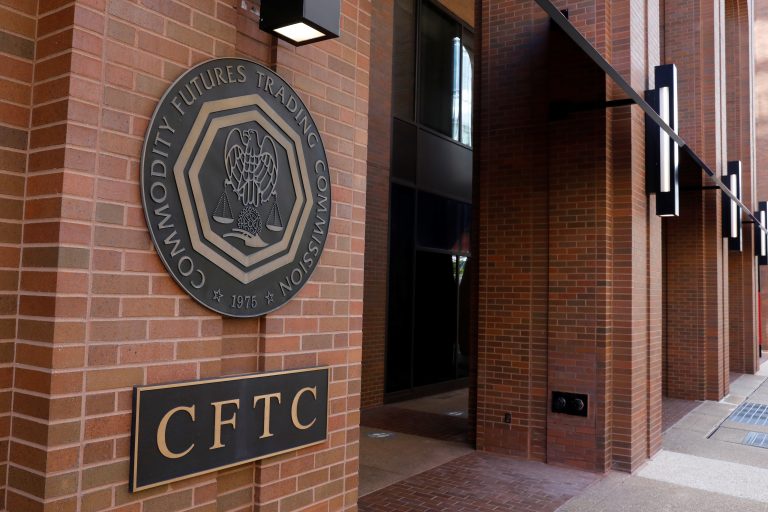
The CFTC's ongoing investigations into March 23 and April 7 oil futures trades signal imminent regulatory changes that will affect commodity price transparency. Currently, commodity futures insider trading law remains underdeveloped compared to securities regulations, creating information asymmetries where institutional traders with government connections gain unfair advantages. The investigation's focus on whether traders possessed advance knowledge of diplomatic decisions suggests future regulations may require pre-announcement trading halts or position limits on crude futures during geopolitical events. This regulatory uncertainty makes it impossible for sellers to lock in stable fuel costs through hedging strategies.
Strategic sourcing shifts are already underway as sellers seek to reduce logistics exposure. Sellers heavily dependent on air freight for time-sensitive categories (electronics, fashion, perishables) are accelerating nearshoring strategies—shifting sourcing from Asia to Mexico, Central America, or Eastern Europe to reduce shipping distances and fuel cost exposure. Sellers with 3PL contracts should immediately review fuel surcharge clauses; many contracts allow carriers to pass through 100% of crude price increases, creating unlimited cost exposure. The bipartisan congressional bill proposing restrictions on prediction market contracts for political events suggests Congress recognizes these markets' destabilizing effect on commodity prices.
Questions 8
How do crude oil price swings directly impact my cross-border shipping costs?
Crude price fluctuations of $11-15 per barrel translate directly into fuel surcharges that increase 8-15% on ocean freight and 12-20% on air freight. For example, a seller shipping 500 units monthly via air freight could see monthly logistics costs swing $2,000-4,000 based on crude volatility alone. Most 3PL contracts pass through 100% of fuel surcharge increases to sellers, creating unlimited cost exposure. The April 17, 2026 incident where crude dropped $11/barrel following the Strait of Hormuz announcement demonstrates how geopolitical events can trigger sudden cost spikes that compress margins by 3-8% overnight.
What does the CFTC investigation into oil futures trading mean for my pricing strategy?
The CFTC's investigation into $1.2+ billion in suspicious oil futures trades placed before major geopolitical announcements signals that commodity price transparency will become stricter. Currently, commodity futures insider trading law is underdeveloped, allowing institutional traders with government connections to profit from information asymmetries that harm regular sellers. Future regulations may require pre-announcement trading halts or position limits during geopolitical events, making it impossible to lock in stable fuel costs through hedging. Sellers should expect 15-30% greater volatility in logistics costs over the next 12-18 months until regulatory frameworks stabilize.