


Berkshire's $373B Capital Shift Signals Major Portfolio Reallocation | Seller Implications
- Record cash reserves and strategic divestitures reshape investment landscape affecting supply chain financing, logistics infrastructure, and consumer goods distribution channels









Overview
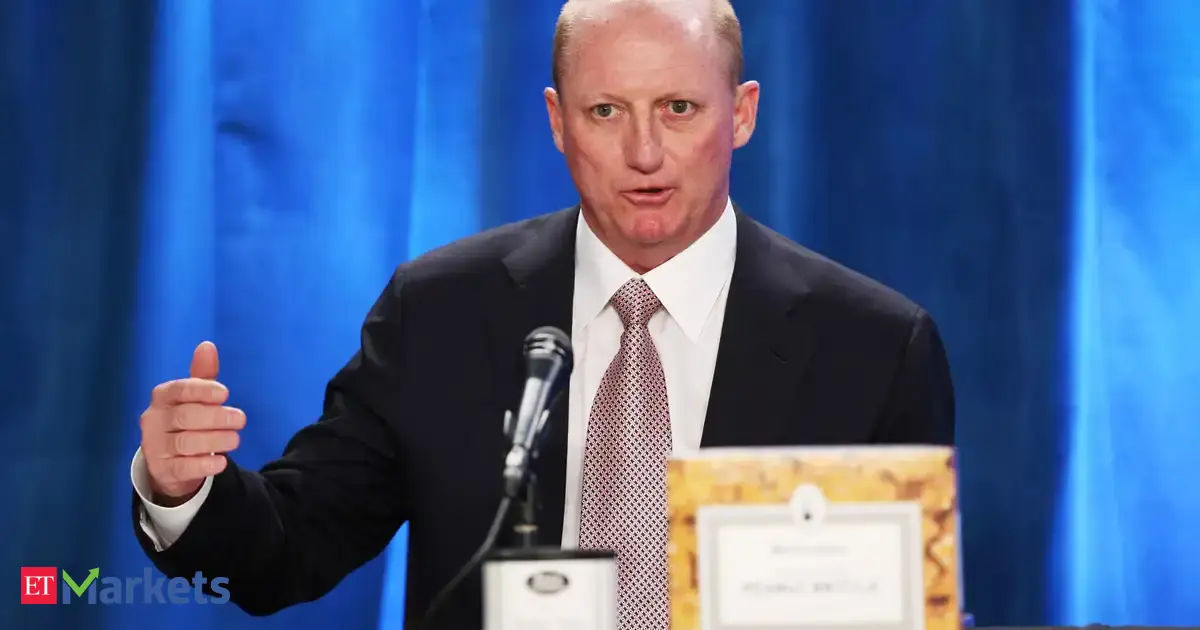
Berkshire Hathaway's leadership transition under CEO Greg Abel represents a fundamental shift in capital allocation strategy with cascading implications for e-commerce sellers and supply chain participants. Since assuming control in December 2025, Abel has implemented aggressive portfolio restructuring: divesting stocks previously managed by Todd Combs (who departed for JPMorgan Chase in December 2025), reviving the share buyback program inactive since 2024, and accumulating a record $373.3 billion in cash reserves—representing nearly 40% of the company's market capitalization as of April 15, 2026. This defensive posture, combined with operating earnings declining 6.2% to $44.5 billion, signals Berkshire is repositioning away from distributed portfolio management toward centralized decision-making under Abel's direct authority.
The strategic implications for e-commerce sellers are substantial and multi-layered. Berkshire's major holdings—Apple (AAPL), Google (GOOG), Union Pacific (UNP), Norfolk Southern (NSC), Occidental Petroleum (OXY), Chevron (CVX), and American Express (AXP)—directly influence logistics costs, technology infrastructure, and payment processing for cross-border sellers. The company's first yen-denominated bond issuance under Abel's leadership and expanded Japanese insurance investments signal aggressive international diversification, particularly in Asia-Pacific markets where e-commerce logistics and supply chain financing are critical. Abel's consolidation of portfolio management (declining to hire a replacement for Combs) suggests a preference for hands-on oversight of major positions, potentially leading to more aggressive cost-cutting or strategic repositioning within Berkshire's subsidiaries that serve the e-commerce ecosystem.
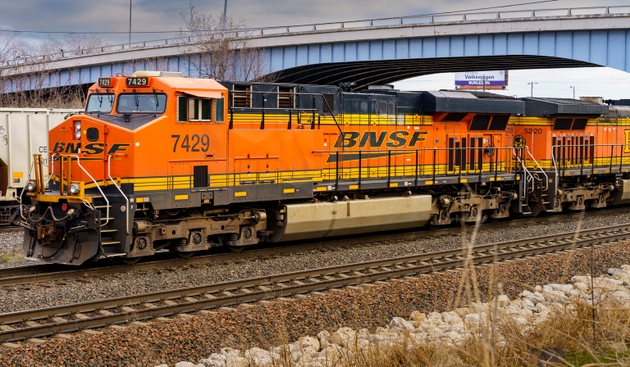
For sellers, the immediate concern centers on transportation and logistics costs. Union Pacific and Norfolk Southern—two of Berkshire's major holdings—control critical freight corridors for cross-border shipments and domestic fulfillment. Any strategic shifts in these positions could affect shipping rates, capacity allocation, and service reliability for sellers using rail-based logistics. Additionally, Berkshire's record cash accumulation ($373.3 billion) without aggressive deployment suggests the company is preparing for either major acquisitions or significant portfolio adjustments. The May 2, 2026 quarterly report and mid-May regulatory filings will reveal which positions were divested, potentially signaling sector-wide shifts affecting supply chain financing, warehouse automation, and last-mile delivery infrastructure that e-commerce sellers depend upon. The "fortress has become a waiting room" metaphor indicates Berkshire is in a holding pattern, but Abel's hands-on management style and willingness to deviate from Buffett's playbook suggest this waiting period may be brief, with major capital deployment decisions likely within 6-12 months.
Questions 8
How does Berkshire's $373.3 billion cash reserve affect e-commerce seller financing options?
Berkshire's record cash position signals potential acquisition activity or major capital deployment within 6-12 months, which could reshape supply chain financing availability for sellers. The company's holdings in American Express (AXP) and financial services directly influence payment processing costs and working capital solutions for e-commerce businesses. When large institutional investors accumulate cash at this scale, it typically precedes either aggressive acquisitions of logistics/fintech companies or significant divestitures that restructure entire sectors. Sellers should monitor Berkshire's May 2026 quarterly report for clues about which supply chain or payment infrastructure companies may be targeted for acquisition or divestment, as this could affect financing rates and terms available through traditional banking channels.
What does Greg Abel's portfolio consolidation mean for transportation costs on Union Pacific and Norfolk Southern?
Abel's decision to divest Combs-managed stocks and consolidate decision-making suggests a more aggressive, hands-on approach to major holdings like Union Pacific (UNP) and Norfolk Southern (NSC). These rail companies are critical for cross-border sellers shipping via rail corridors, and centralized management under Abel typically leads to cost optimization initiatives that can either reduce or increase shipping rates depending on capacity utilization. The fact that Berkshire is maintaining these positions while restructuring others indicates confidence in rail logistics, but sellers should expect potential rate adjustments as Abel implements his operational philosophy. Sellers shipping 500+ units monthly via rail should review alternative logistics providers and negotiate long-term rate locks before mid-2026 when any rate changes typically take effect.