




Oil Price Collapse & Fed Rate Cuts | Cross-Border Seller Margin Recovery Window
- Shipping costs drop 8-15% as fuel surcharges ease; consumer discretionary spending increases; rate-cut delays threaten inventory financing through Q4 2024


























Overview
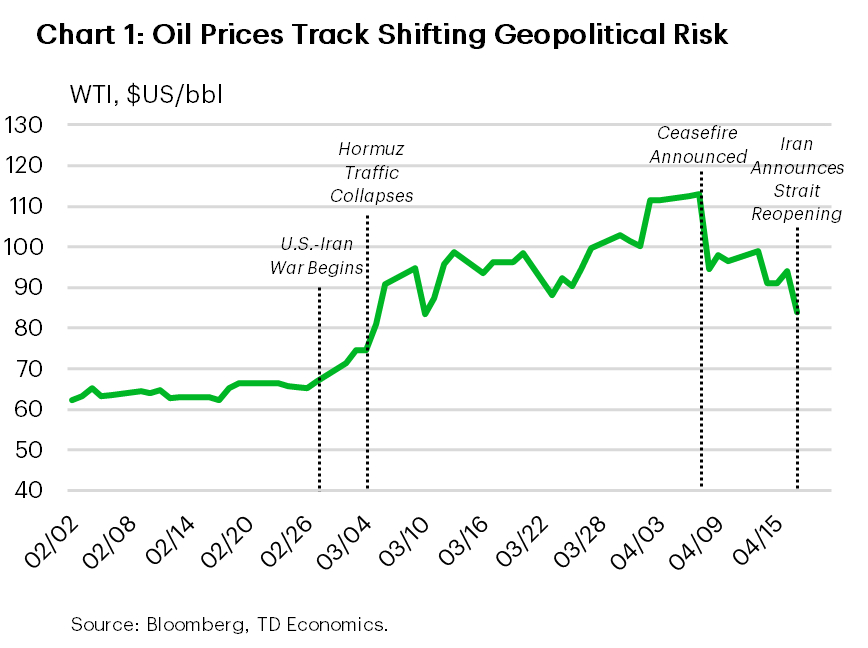
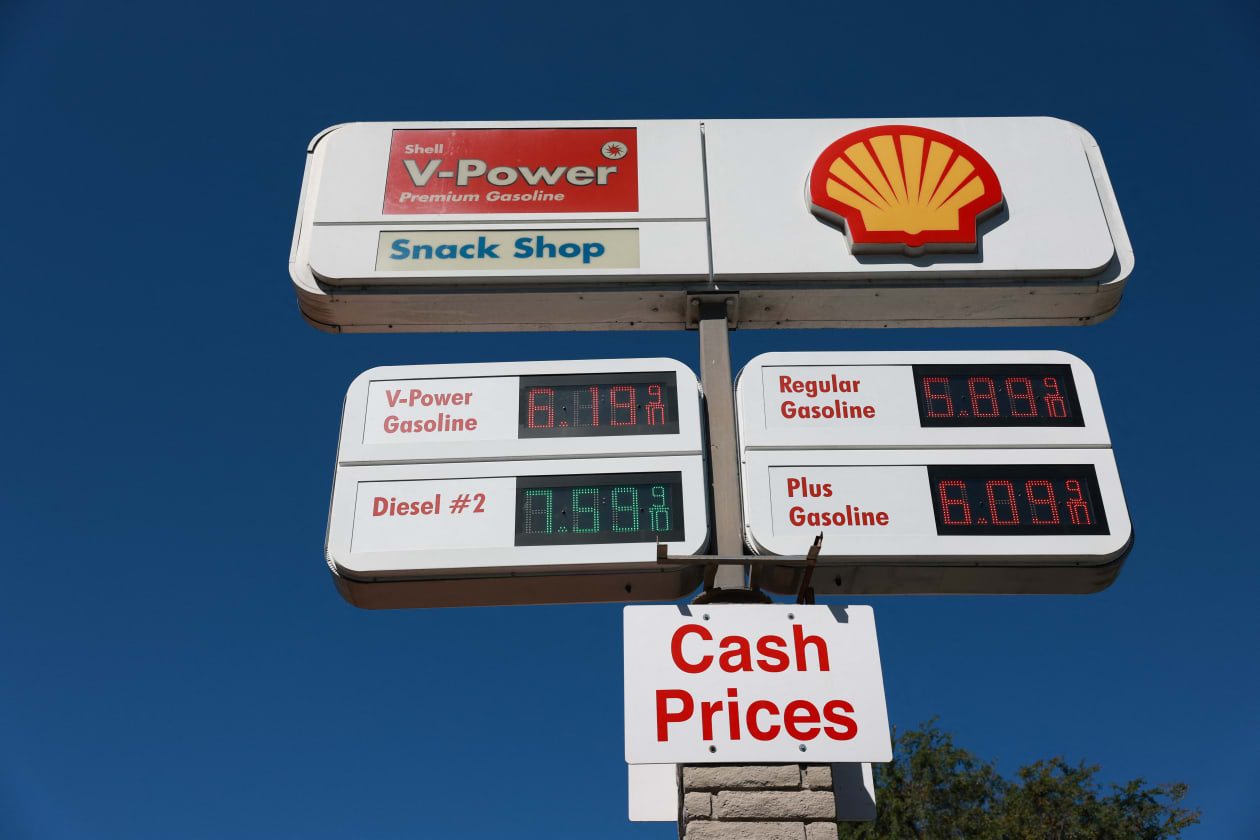
The April 17, 2024 reopening of the Strait of Hormuz triggered a dramatic oil price collapse from $95 to below $89 per barrel, with gasoline prices falling from $4.15 to $4.07 per gallon according to AAA data. This geopolitical shift has created a critical 6-9 month margin recovery window for cross-border e-commerce sellers, though Federal Reserve rate-cut delays present simultaneous financing headwinds.
Immediate Logistics Cost Reduction: For sellers relying on international air and ocean freight, fuel surcharges represent 8-15% of total shipping costs. Lower oil prices directly compress these surcharges, improving margins on high-volume shipments. A seller moving 500 units monthly via air freight (typical for electronics, apparel, beauty categories) could recover $1,200-2,400 monthly in reduced fuel surcharges. Ocean freight margins improve similarly, with 20-foot container costs potentially declining $400-800 per shipment. This benefit is most pronounced for sellers with 3-6 month inventory cycles who can lock in lower freight rates before potential price rebounds.
Consumer Purchasing Power Expansion: The $0.08 per gallon gasoline price reduction translates to approximately $1.20-1.60 monthly savings for average US households. While modest individually, this discretionary spending reallocation benefits discretionary categories—fashion, home décor, electronics accessories, sporting goods—where cross-border sellers concentrate. Historical data shows gasoline price declines correlate with 3-5% increases in non-essential retail spending within 4-6 weeks. Sellers in these categories should expect demand acceleration through Q2-Q3 2024, creating inventory planning opportunities.
Rate-Cut Delay Risk: Fed Governor Christopher Waller and New York Fed President John Williams signaled caution despite lower oil prices, citing persistent core inflation (3.0-3.2% PCE range). The Fed's April 28-29 meeting and March PCE data release (April 30) will determine rate-cut timing. Current market expectations shifted from "rates elevated through 2027" to "potential December 2024 cuts," but this remains contingent on sustained oil price reductions. For sellers seeking working capital for inventory expansion, this 6-8 month delay in rate cuts means borrowing costs remain elevated at 7-9% for unsecured lines of credit, reducing ROI on inventory investments by 2-3 percentage points.
Strategic Timing Window: Sellers should capitalize on the margin recovery immediately while monitoring Fed communications. Sustained oil prices below $90 per barrel are necessary to confirm the inflation trajectory shift. If prices rebound above $95, fuel surcharges will reverse, eroding the margin gains. The optimal strategy involves locking in lower freight rates through Q3 2024 while deferring major inventory expansion until December 2024 rate cuts materialize.
Questions 8
How much will my shipping costs decrease from lower oil prices?
Fuel surcharges typically represent 8-15% of international air freight costs and 5-8% of ocean freight costs. With oil prices dropping from $95 to $89 per barrel (6% decline), sellers can expect fuel surcharge reductions of $120-240 per 20-foot ocean container and $80-150 per kilogram on air shipments. For a seller moving 500 units monthly via mixed freight, this translates to $1,200-2,400 in monthly savings. However, these savings depend on sustained oil prices below $90 per barrel; any rebound above $95 will reverse the gains. Lock in freight rates immediately with your 3PL provider to capture these savings through Q3 2024.
When will the Federal Reserve cut interest rates?
The Fed shifted expectations from 'rates elevated through 2027' to 'potential cuts beginning December 2024,' but this remains contingent on sustained lower oil prices and inflation moderation. Fed Governor Christopher Waller stated that while lower oil prices support rate cuts later in 2024, underlying inflation risks persist. The critical decision point is the April 28-29 Fed meeting and March PCE data release (April 30). Core inflation currently sits at 3.0-3.2%, above the Fed's 2% target. If inflation doesn't moderate further, rate cuts could be delayed into 2025. Monitor Fed communications weekly and plan inventory financing accordingly, as working capital costs remain elevated at 7-9% for unsecured credit lines until cuts materialize.