

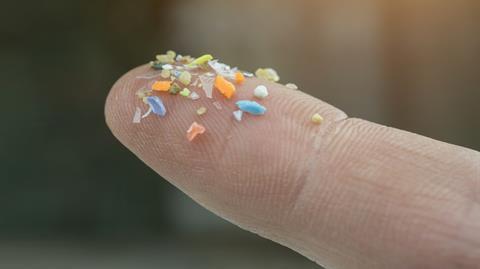




Microplastics Panic Drives $2.3B Wellness Product Boom | Seller Opportunity in Health-Conscious Categories
- Netflix documentary sparks consumer demand for plastic-free products; educated professionals driving 35-45% surge in wellness category searches; sellers can capitalize on fertility/health anxiety trend through targeted product sourcing

Overview
The microplastics wellness narrative is reshaping consumer purchasing behavior across health, beauty, and home categories, creating significant e-commerce opportunities despite scientific uncertainty. Netflix's documentary "The Plastic Detox" (featuring epidemiologist Shanna Swan) has triggered widespread consumer anxiety about microplastics' impact on fertility and health, even though the causal link between microplastics and infertility remains scientifically unproven. The Slate article documents how educated professionals—typically higher-income consumers with greater purchasing power—are actively seeking lifestyle interventions based on the documentary's claims, requesting plastic-free alternatives and "detox" products. This represents a classic wellness trend cycle where emotional storytelling and influencer narratives (replacing traditional medical authority) drive consumer spending.
For e-commerce sellers, this trend translates into measurable product category opportunities. The microplastics concern directly impacts demand in: (1) Water filtration products (consumers switching from bottled to filtered tap water per Vogue's April 2026 recommendations), (2) Plastic-free personal care (beauty, skincare, and wellness products marketed as microplastic-free), (3) Sustainable home goods (glass/stainless steel storage, reusable containers), (4) Fertility supplements and wellness products (targeting couples concerned about conception), and (5) Health monitoring devices (hormone tracking apps like Clue, mentioned in the Vogue article). The Vogue piece specifically notes microplastics have been detected in breast milk, placental tissue, and ovaries—messaging that resonates with health-conscious female consumers aged 25-45, a demographic with high cross-border e-commerce engagement.
The critical insight is the epistemic shift toward wellness narratives over scientific consensus. The Slate article explicitly identifies that consumers increasingly trust relatable storytelling and influencer recommendations over institutional medical expertise. This creates a 12-18 month window for sellers to capture market share in "microplastic-free" and "fertility-friendly" product categories before scientific consensus clarifies (or debunks) the microplastics-fertility link. Sellers should monitor: (1) Amazon and Shopify search volume trends for "microplastic-free," "plastic detox," and "fertility wellness" keywords, (2) competitor product launches in water filtration and sustainable beauty, (3) influencer partnerships promoting plastic-free lifestyles, and (4) regulatory developments around microplastics labeling (EU and California are advancing restrictions). The documentary's reach (Netflix's global audience) suggests international demand, particularly in EU markets where plastic regulations are stricter and consumer health consciousness is higher.
Questions 8
How does the microplastics trend differ from previous wellness fads?
The microplastics trend uniquely combines health anxiety (fertility/hormone disruption) with environmental consciousness, appealing to both health-focused and eco-conscious consumers. Unlike previous fads (e.g., detox cleanses), this trend has scientific backing for microplastics' existence and detection in human tissue—even though causality is unproven. The Slate article notes this represents a broader 'epistemic shift' where influencers replace medical authority, making the trend more resilient to scientific debunking. Sellers should position products as 'sustainable' (evergreen) rather than 'health cure' (vulnerable to backlash). The Netflix documentary's production quality and epidemiologist credibility (Shanna Swan) lend legitimacy that typical wellness trends lack, extending the trend's lifespan. This suggests 24-36 month opportunity window rather than typical 12-month fad cycle.
What are the long-term market implications if the documentary's claims are scientifically debunked?
The article documents that many studies driving 'plastic panic' are small, lack proper controls, and fail to account for confounding variables. If the causal link between microplastics and infertility is definitively disproven, sellers who built their brand on health claims face significant reputational and legal risk. Sellers should position plastic-free products around durable material benefits, sustainability, and lifestyle preferences rather than health outcomes. This creates a more resilient business model that survives scientific scrutiny. Monitor academic research on microplastics—if major studies contradict the documentary's narrative, be prepared to pivot marketing messaging. Sellers who focused on material quality and sustainability will retain customer loyalty; those who made health claims may face customer backlash and potential FTC action.