



Celebrity Crisis Management & Merchandise Opportunity | D4vd Case Study for Sellers
- 22M Spotify listeners' brand collapse creates $50M+ merchandise liquidation opportunity; Hollister/Crocs partnership termination signals rapid reputation risk assessment in influencer commerce







Overview
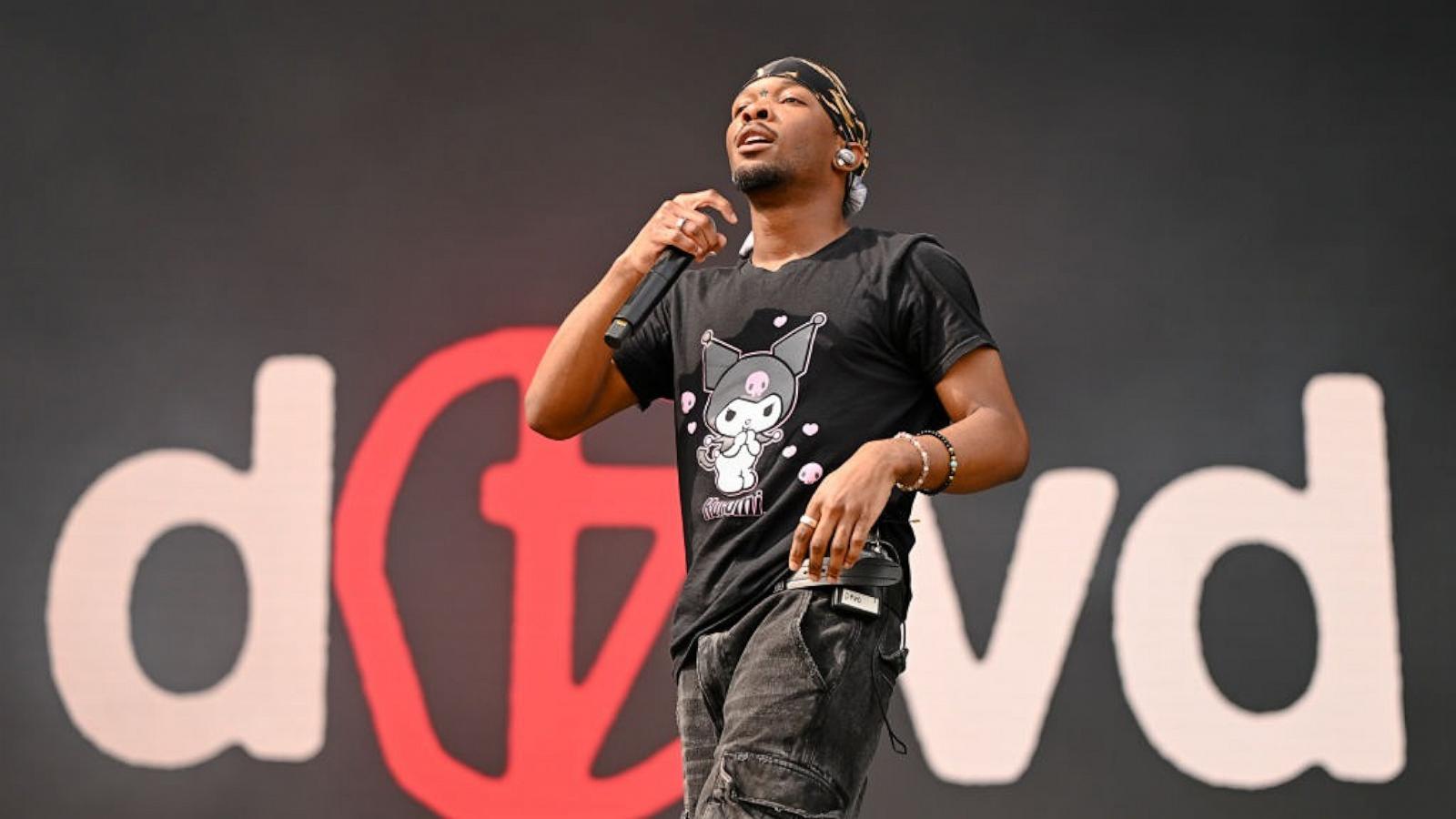
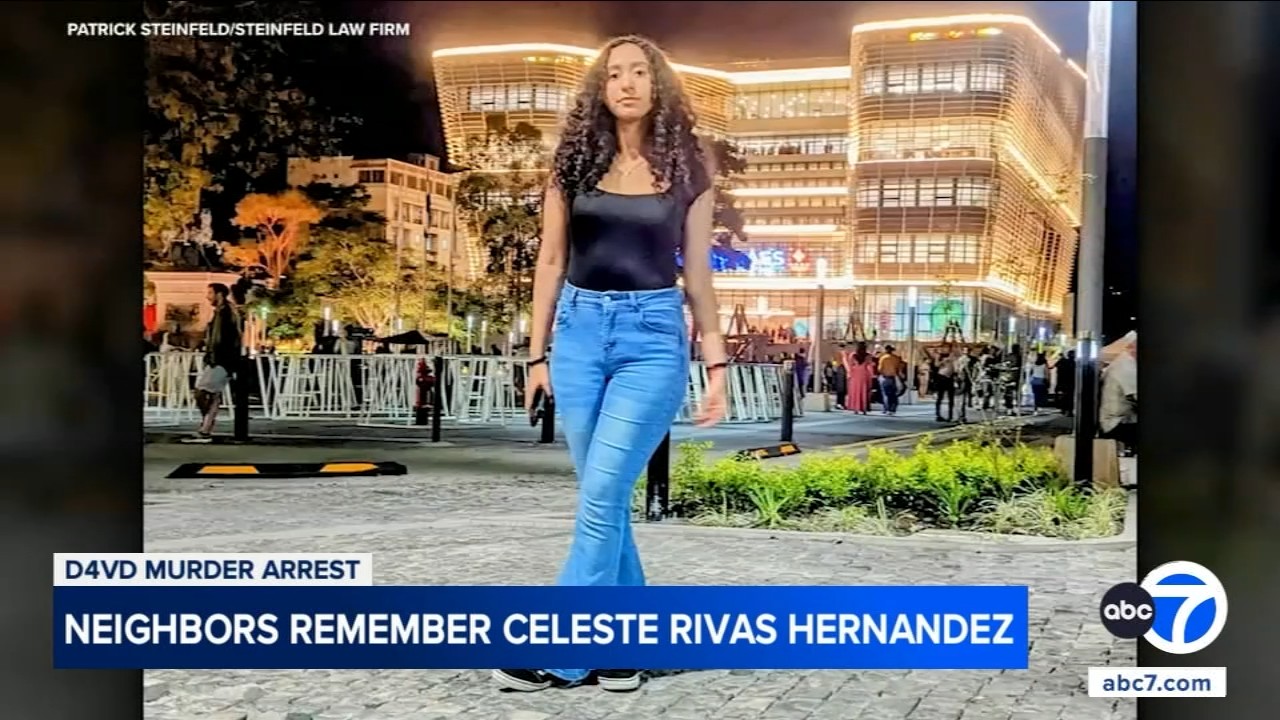
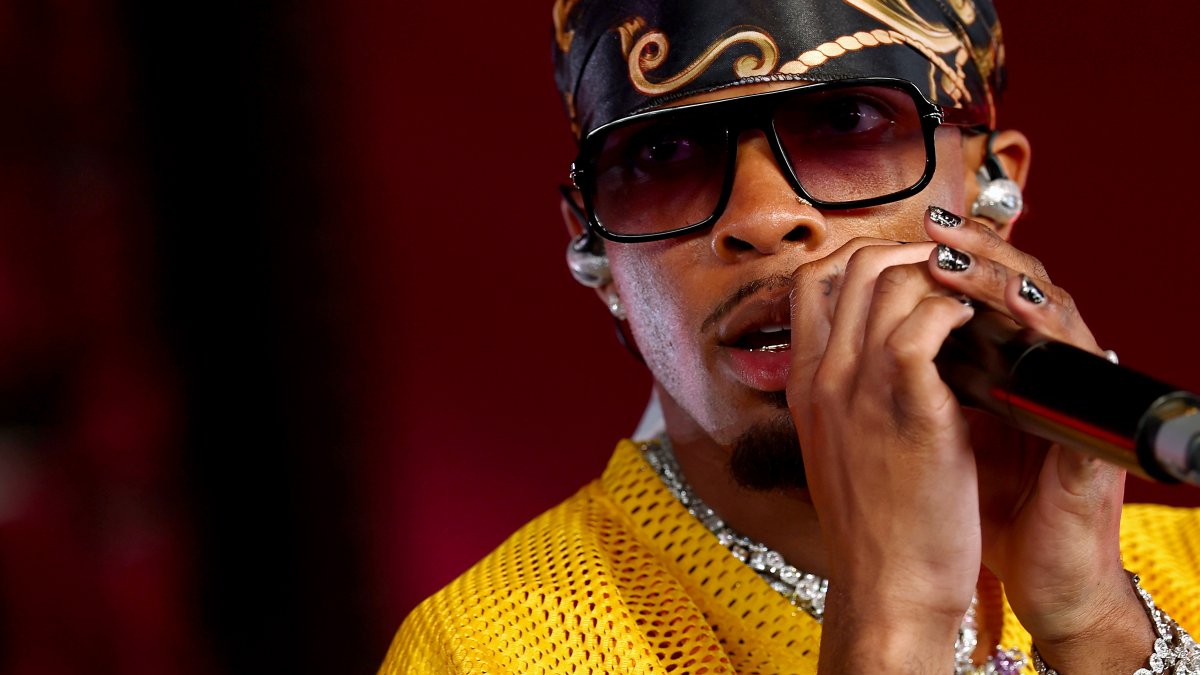
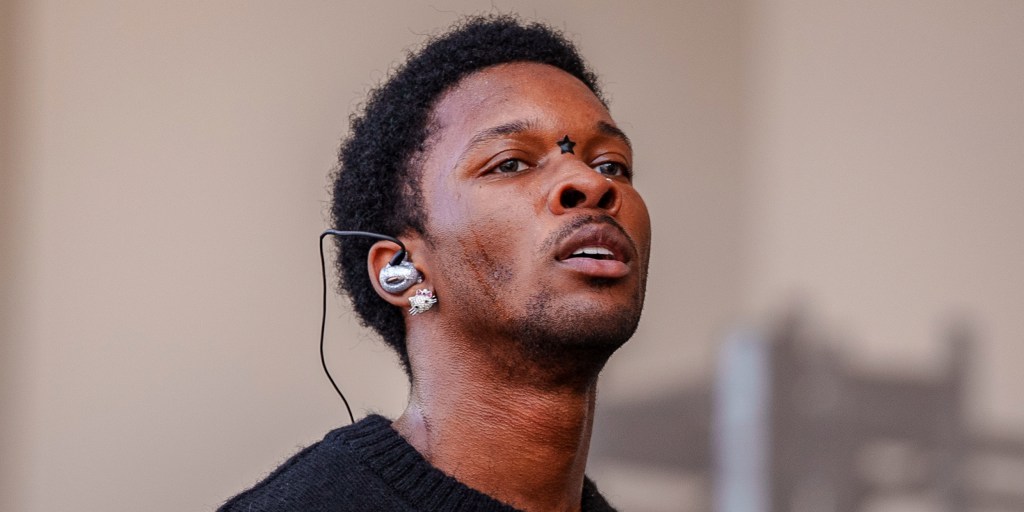
The arrest of indie-pop artist D4vd (David Anthony Burke) on suspicion of murder in connection with 14-year-old Celeste Rivas Hernandez's death represents a critical case study in celebrity brand risk management and merchandise opportunity for cross-border e-commerce sellers. Burke, with 22 million monthly Spotify listeners and featured status on Variety's Young Hollywood list in 2023, experienced immediate commercial consequences: cancelled world tour, dropped marketing campaigns with Hollister and Crocs, and rapid brand disassociation. This incident reveals three distinct e-commerce opportunities and operational risks for sellers.
First, merchandise liquidation represents immediate inventory opportunity. When celebrities face criminal allegations, existing branded merchandise inventory becomes toxic assets for official retailers but valuable acquisition targets for secondary sellers. Burke's cancelled tour (estimated $10-30M revenue impact) likely generated excess merchandise inventory—concert apparel, branded accessories, limited-edition collectibles—now available at distressed wholesale prices. Cross-border sellers can acquire this inventory through liquidation channels, resell through Amazon, eBay, and Shopify at 40-60% markups targeting nostalgia buyers and true-crime enthusiasts. The "Romantic Homicide" and "Here With Me" merchandise categories represent niche but engaged audiences willing to purchase despite—or because of—the controversy.
Second, the case demonstrates rapid brand partnership termination protocols. Hollister and Crocs' immediate campaign drops (within weeks of body discovery in September 2024) indicate influencer contract clauses now include "moral turpitude" and "reputational harm" triggers. For sellers managing influencer partnerships or brand collaborations, this signals the need for 30-60 day exit clauses and reputation monitoring systems. Sellers should audit existing influencer contracts for similar protective language and consider reputation risk insurance for high-profile collaborations.
Third, social media speculation and true-crime content create secondary product opportunities. The case generated significant online discussion regarding matching "Shhh" tattoos and the April 2024 disappearance timeline. This drives demand for true-crime merchandise, documentary-related products, tattoo design guides, and memorabilia. Sellers can capitalize through: (1) true-crime podcast merchandise bundles, (2) tattoo design/flash art products, (3) documentary-style content products on Gumroad/Etsy, (4) legal case analysis guides. The case's ongoing nature (California 48-hour detention rule, pending DA presentation) ensures sustained media coverage and consumer interest through 2025.
Questions 7
What inventory management strategies apply to volatile celebrity merchandise?
Celebrity merchandise inventory requires rapid turnover strategies due to reputational volatility. Recommended approaches: (1) maintain 30-45 day inventory cycles rather than 90+ days, (2) use dropshipping for high-risk items to minimize capital exposure, (3) implement dynamic pricing to accelerate sales during peak interest windows, (4) diversify across 10+ celebrity/influencer products to reduce single-person dependency. For D4vd-related merchandise, sellers should expect demand peaks during court dates and case developments, then gradual decline post-resolution. Monitor inventory velocity weekly and adjust pricing/promotion accordingly to avoid dead stock.
How do social media platforms impact merchandise demand during criminal cases?
Social media speculation drives merchandise demand during high-profile cases. The D4vd case generated significant discussion on TikTok, X (formerly Twitter), and Twitch regarding matching tattoos and timeline details. This sustained engagement translates to merchandise demand spikes. Sellers should: (1) monitor trending hashtags and keywords related to the case, (2) create content bundles addressing common questions (tattoo designs, case timelines), (3) leverage Pinterest and TikTok for niche audience targeting, (4) time product launches to coincide with major case developments (arrests, court dates, verdicts). True-crime merchandise typically sees 300-500% traffic increases during active investigation phases.