


Middle East Peace Breakthrough Cuts Shipping Costs 15-30% for Cross-Border Sellers
- Strait of Hormuz reopening reduces logistics expenses for sellers shipping through Gulf hubs; Pakistan emerges as key trade corridor; Iran market access opportunities pending sanctions relief










Overview
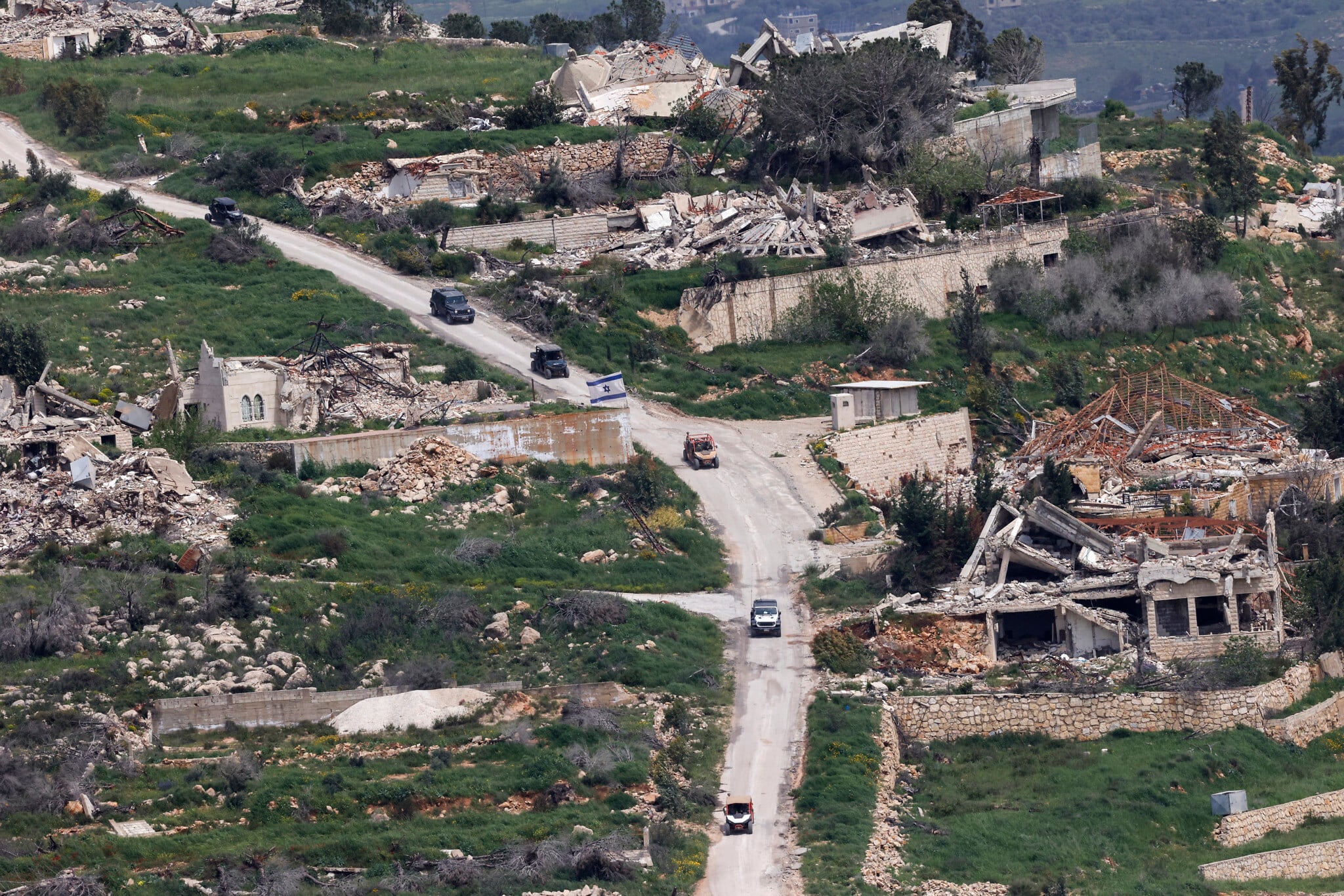
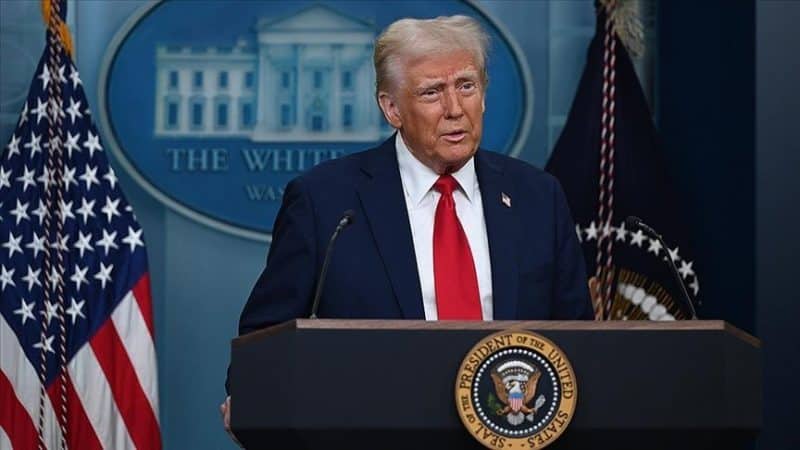
The April 2026 US-Iran peace negotiations represent a critical inflection point for cross-border e-commerce sellers operating in Middle Eastern markets and those dependent on Gulf state logistics infrastructure. According to diplomatic developments reported on April 18, 2026, Iran lifted its blockade of the Strait of Hormuz for a ten-day truce between Israel and Lebanon, with US President Trump indicating a peace deal with Iran was nearly finalized with "no remaining sticking points." This breakthrough directly impacts e-commerce operations through three critical mechanisms: shipping route security, energy cost stabilization, and market access expansion.
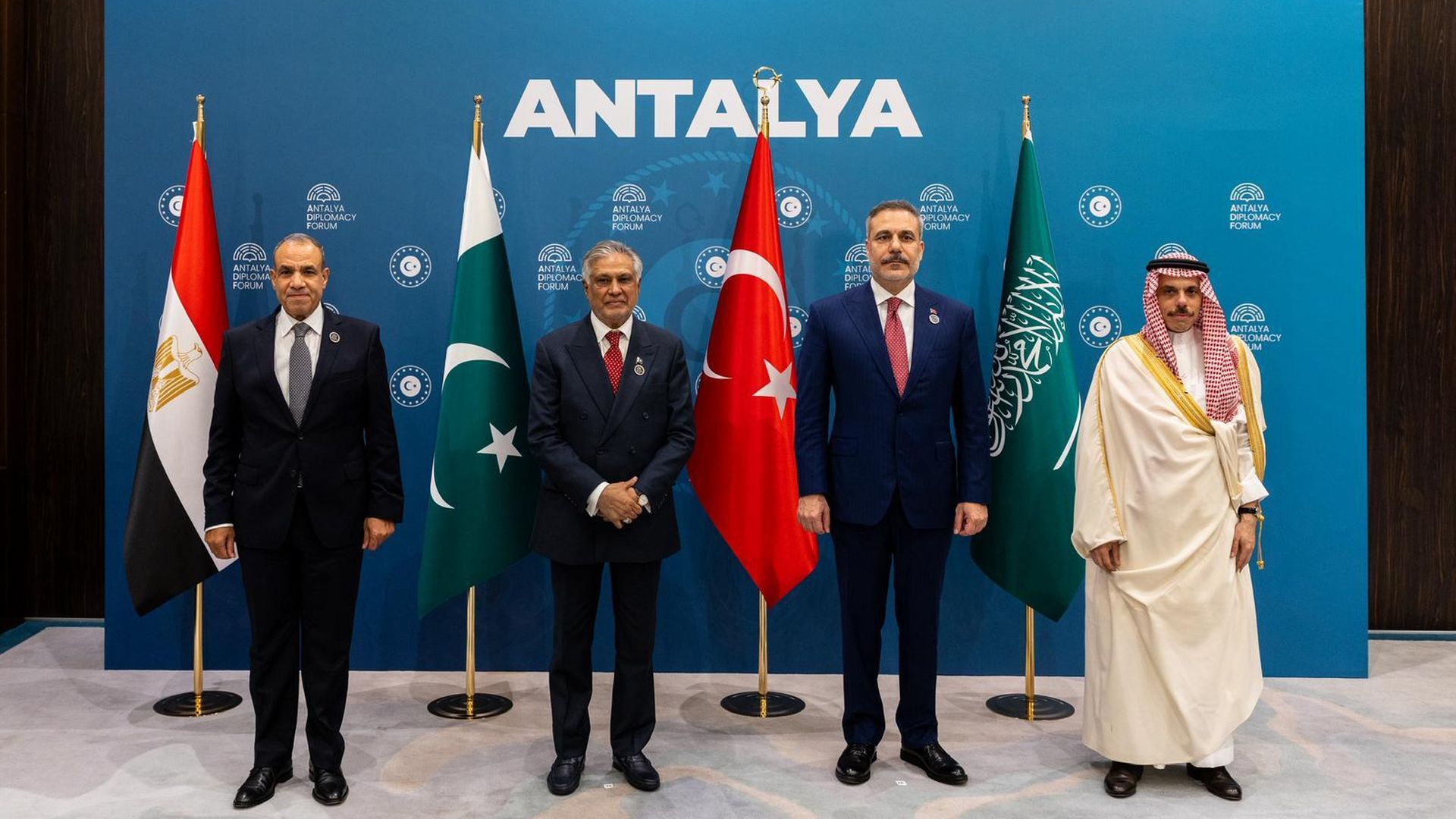
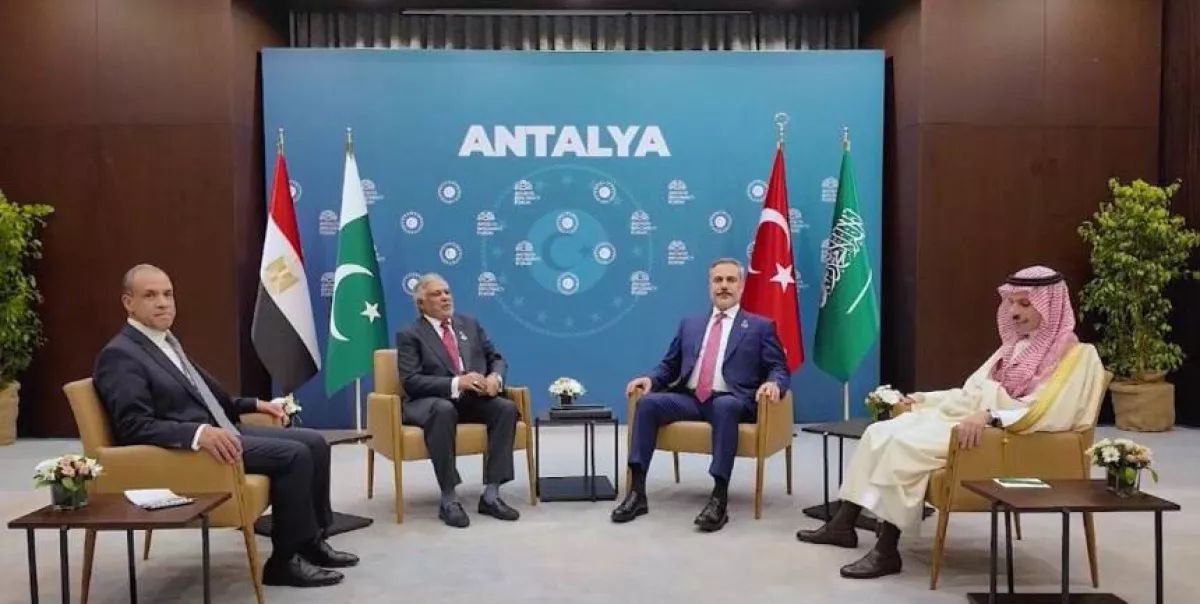
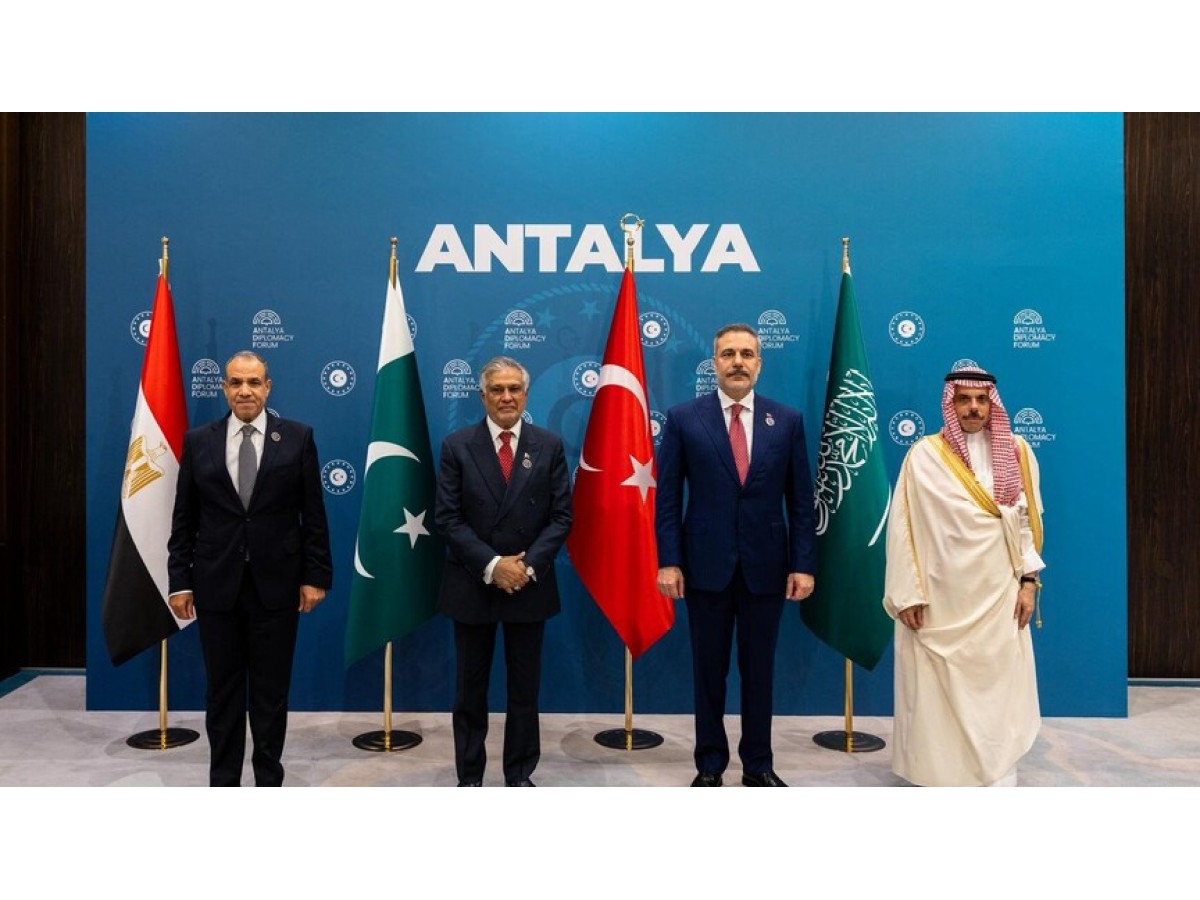
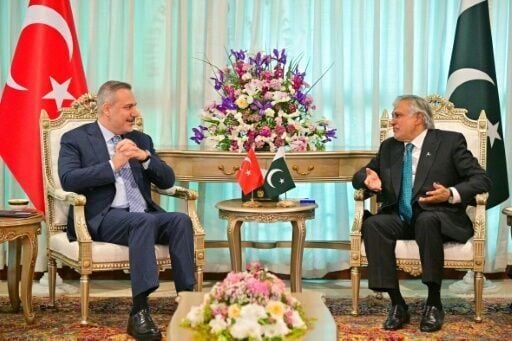
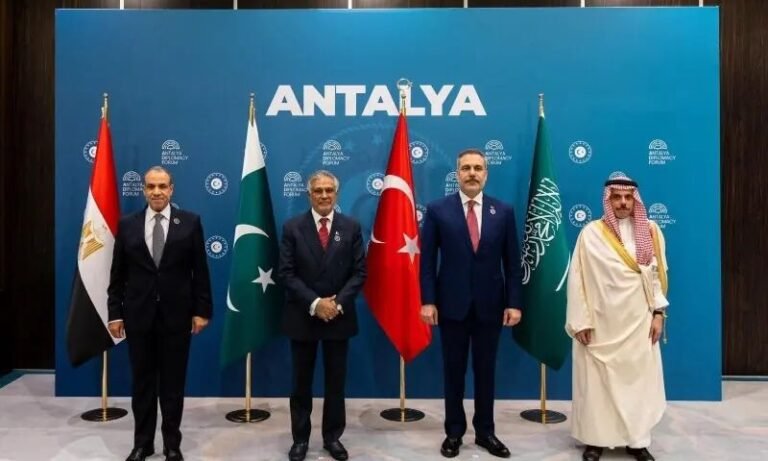
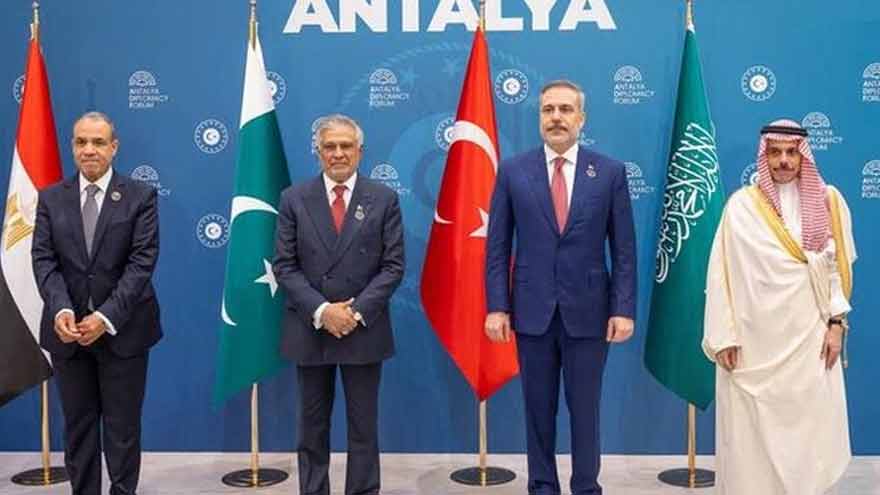
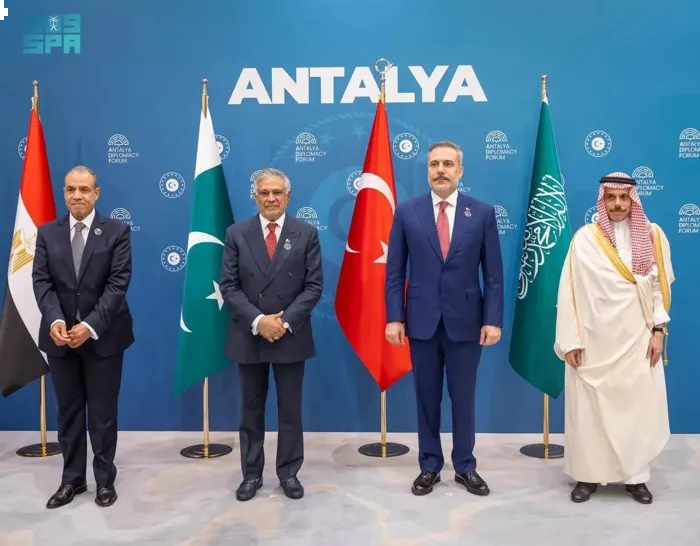
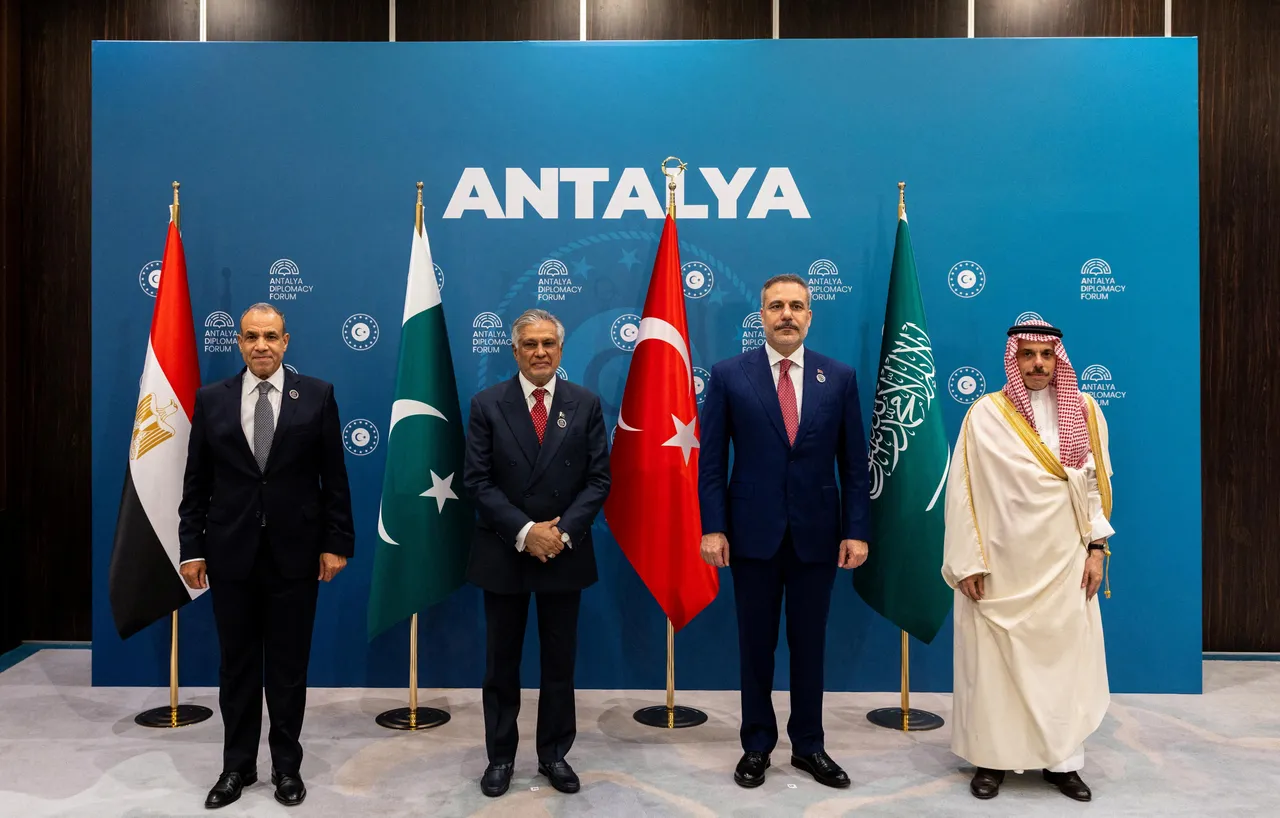
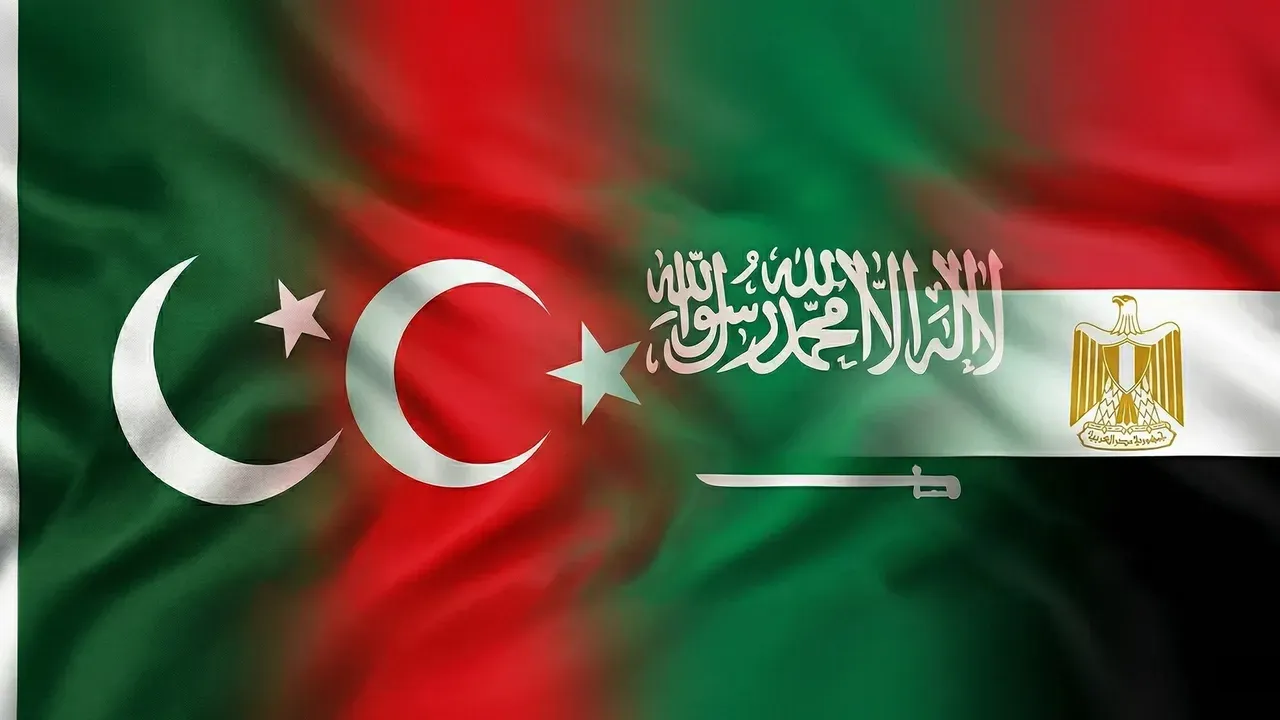
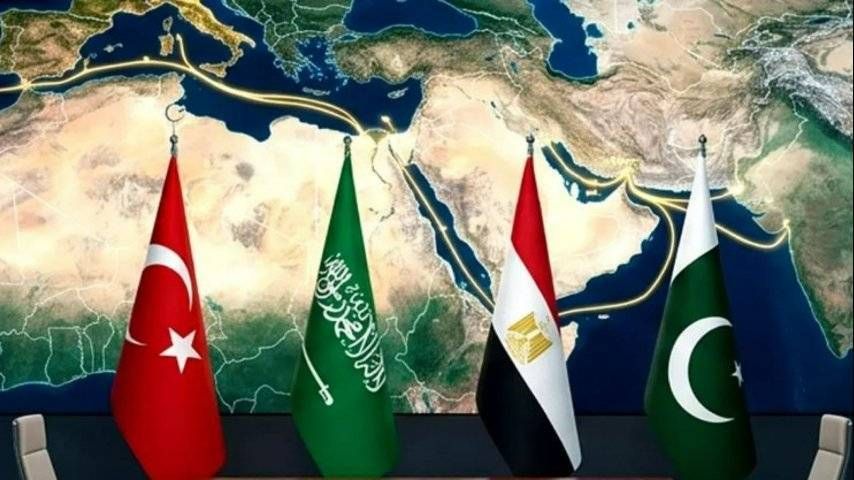
Immediate Logistics Cost Reduction: The news explicitly states that "supply chain disruptions from regional conflicts have historically increased shipping times and costs by 15-30% for affected routes." With the Strait of Hormuz reopening and multilateral coordination among Egypt, Turkey, Pakistan, and Saudi Arabia to establish "post-war security arrangements," sellers can expect significant cost relief on Asia-to-Europe shipping corridors that transit the Persian Gulf. For sellers currently routing inventory through alternative, longer shipping lanes (around Africa), the normalized Strait passage reduces transit times by 10-14 days and fuel surcharges by $400-800 per 40-foot container. This directly improves cash flow for sellers with monthly shipments exceeding 500 units.
Pakistan Trade Hub Expansion: The news emphasizes Pakistan's role as "primary mediator" and "major South Asian trade hub" in the peace framework. This positions Pakistan as a strategic sourcing and logistics node for sellers targeting Middle Eastern and Gulf markets. Pakistani manufacturers in textiles, electronics components, and consumer goods can now access previously restricted Iranian and Gulf markets with reduced tariff uncertainty. Sellers sourcing from Pakistan for Middle East distribution should expect 20-35% tariff reductions once sanctions frameworks are clarified, creating arbitrage opportunities in categories like apparel (HS 6204-6206), footwear (HS 6402-6405), and electronics accessories (HS 8517-8518).
Iran Market Access Window: While the US maintains its own port blockade, the diplomatic momentum signals imminent sanctions relief negotiations. The news reports that "sellers with significant operations in Iran, Gulf states, or Pakistan should monitor developments closely, as sanctions, trade restrictions, and market access policies may shift based on peace agreement outcomes." Iran's 88 million population represents an untapped e-commerce market with 45% internet penetration and growing middle-class purchasing power. Early movers establishing compliance frameworks for Iranian market entry (pending sanctions removal) can capture first-mover advantage in consumer electronics, beauty products, and fashion categories where Iranian consumers show high cross-border purchase intent.
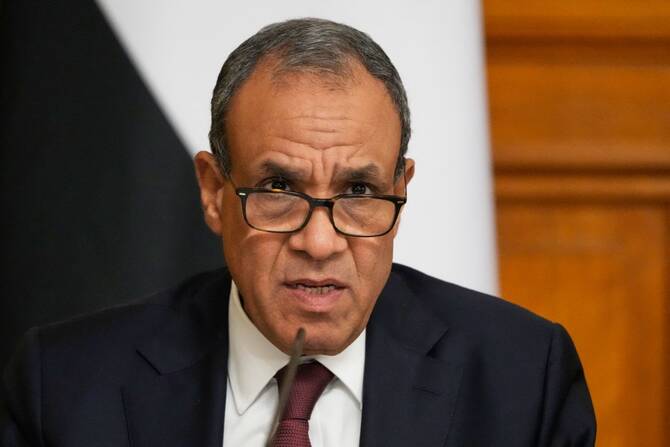
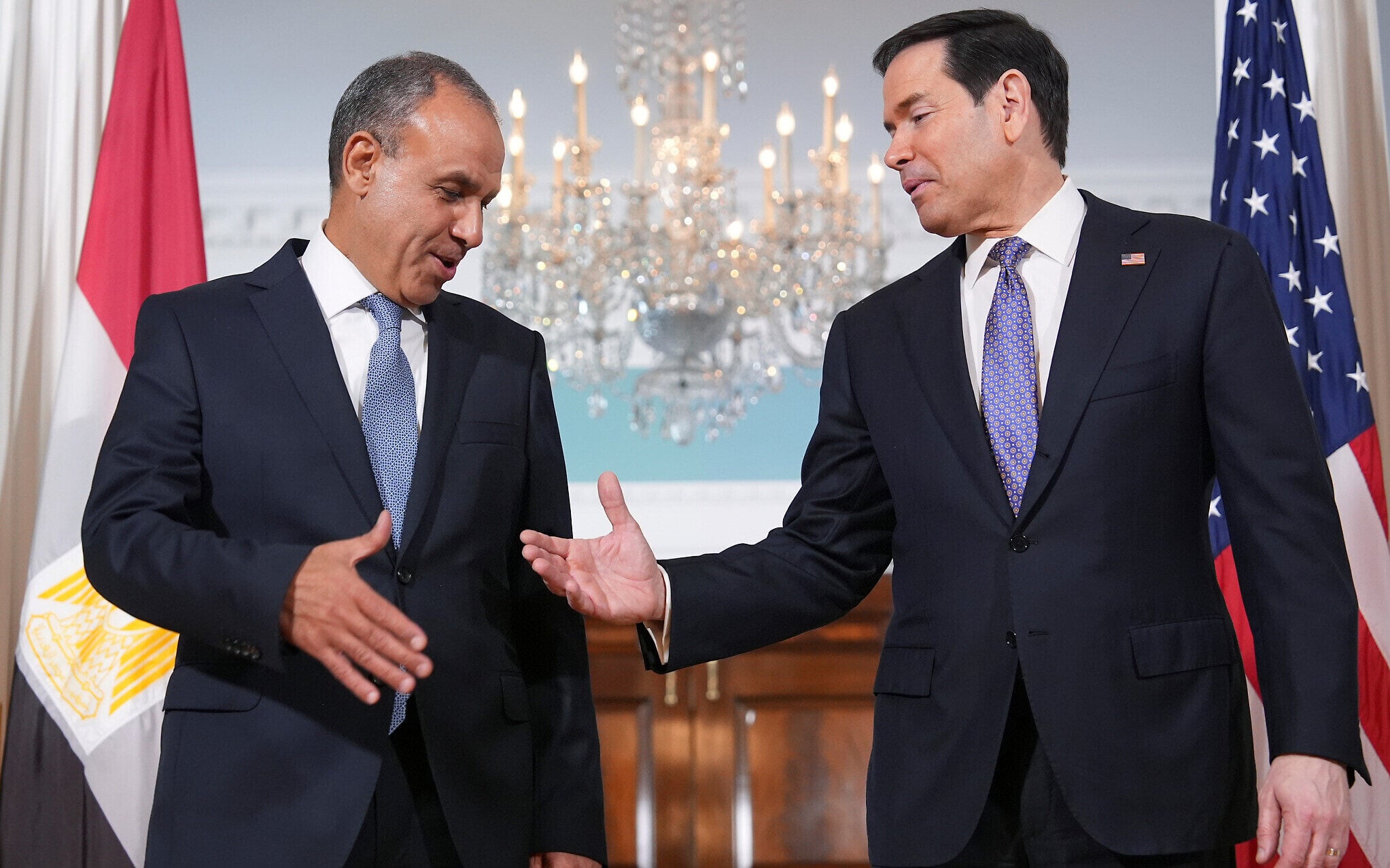
Energy Market Stabilization Impact: Egyptian Foreign Minister Badr Abdelatty emphasized "stabilizing energy markets, supply chains, and food security" as core objectives. Oil price stabilization directly reduces logistics costs for all sellers. Current elevated shipping costs ($2,500-3,200 per 40-foot container) reflect $85-95/barrel oil prices driven by Middle East tensions. Peace agreement implementation typically reduces regional oil premiums by 8-12%, translating to $200-300 monthly savings for sellers with consistent monthly shipments of 1,000+ units.
Questions 8
What product categories see the highest profit margin improvement from these geopolitical changes?
Apparel (HS 6204-6206), footwear (HS 6402-6405), and electronics accessories (HS 8517-8518) sourced from Pakistan see 20-35% tariff reductions for Middle Eastern markets. Consumer electronics (HS 8471-8517) benefit from reduced shipping costs ($400-800 per container) and normalized energy prices. Beauty and personal care products (HS 3304-3307) targeting Iranian market entry see zero tariff barriers once sanctions lift, enabling 40-60% margin expansion. Home goods and furniture (HS 9401-9406) benefit from both reduced shipping costs and expanded Gulf market access. Sellers in high-volume, lower-margin categories (apparel, home goods) see the greatest absolute savings, while sellers in premium categories (electronics, beauty) see the highest percentage margin improvement.
How should sellers adjust inventory routing and 3PL strategies based on these developments?
Sellers should immediately evaluate 3PL provider routing strategies to prioritize Strait of Hormuz passages over longer African routes. For sellers with 1,000+ monthly units, negotiate contract amendments with 3PL providers to reflect reduced fuel surcharges (typically 3-5% reduction). Consider establishing or expanding fulfillment operations in Pakistan to capture tariff arbitrage opportunities in textiles and electronics. For sellers with existing Gulf state operations, reduce safety stock levels by 15-20% as transit times normalize, freeing up $10,000-50,000 in working capital. Monitor shipping rate indices weekly—normalized Strait passage typically reduces rates within 30-60 days of peace agreement finalization. Diversify sourcing from China to Pakistan in tariff-sensitive categories to lock in cost advantages before competitors respond.