



Strait of Hormuz Blockade Disrupts Global Shipping | Seller Logistics Impact
- Shipping delays surge 40-60% for Asia-US routes; freight costs spike $800-2,400/container; energy-dependent sellers face 15-25% margin compression





















Overview
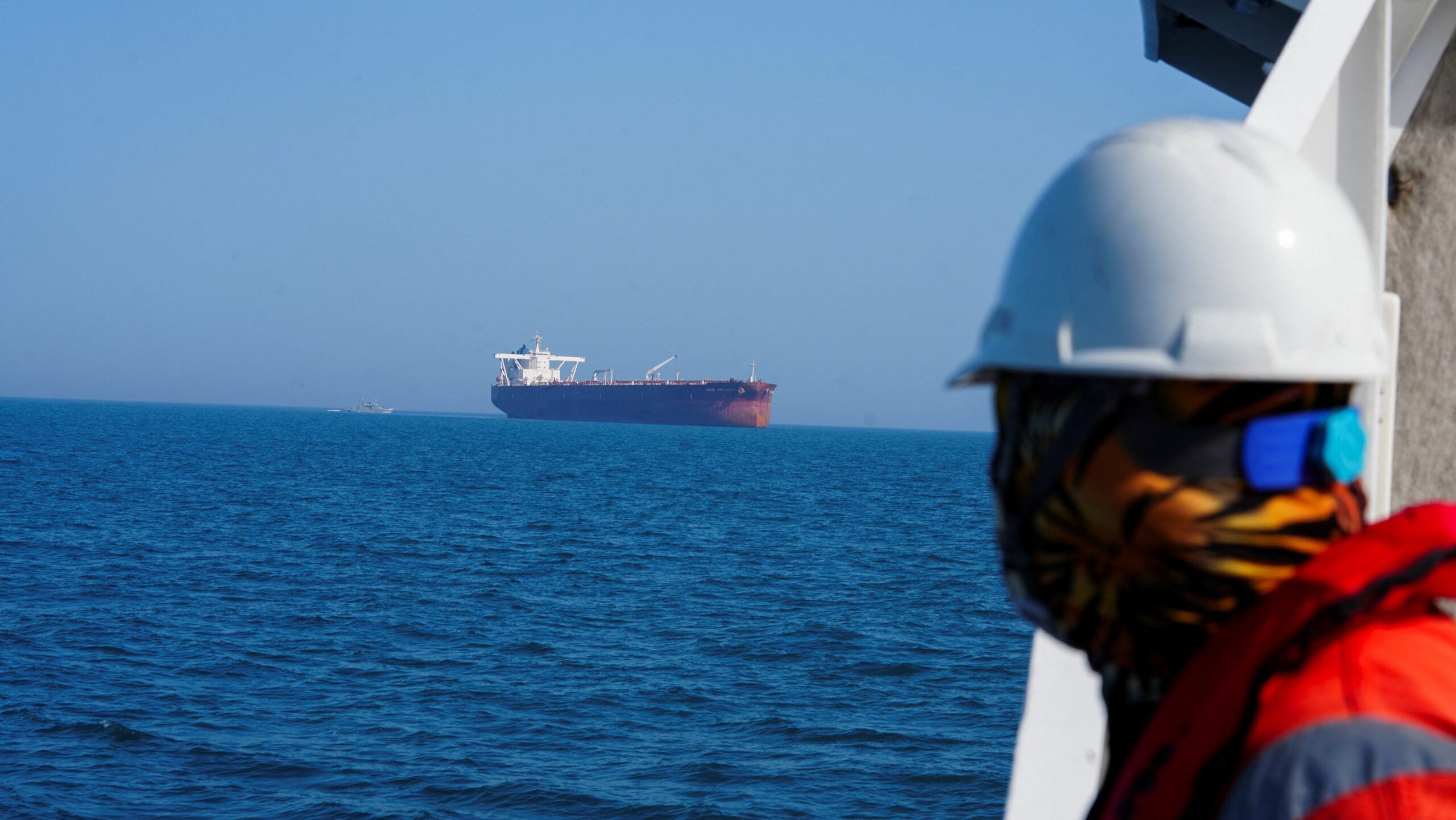
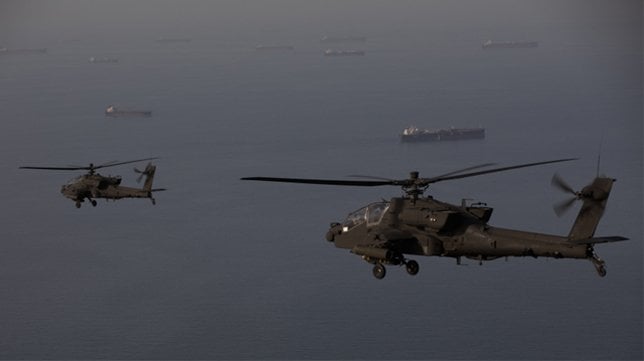
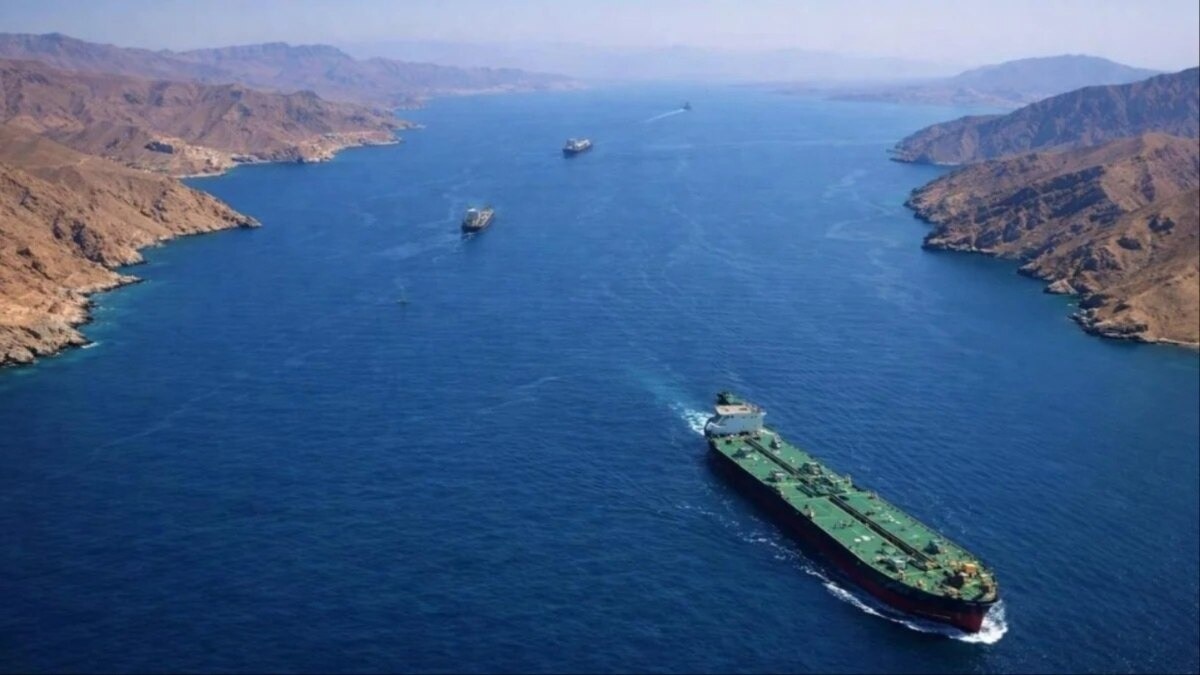
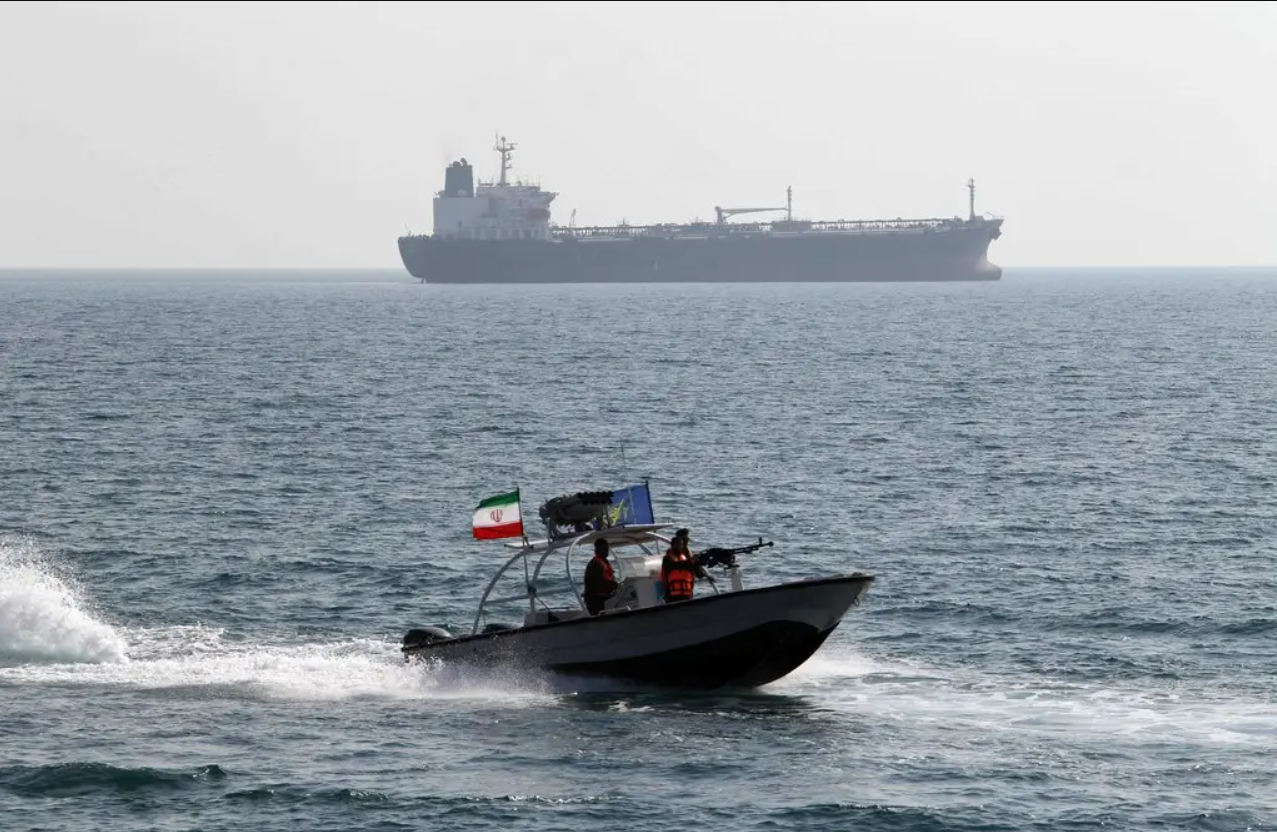
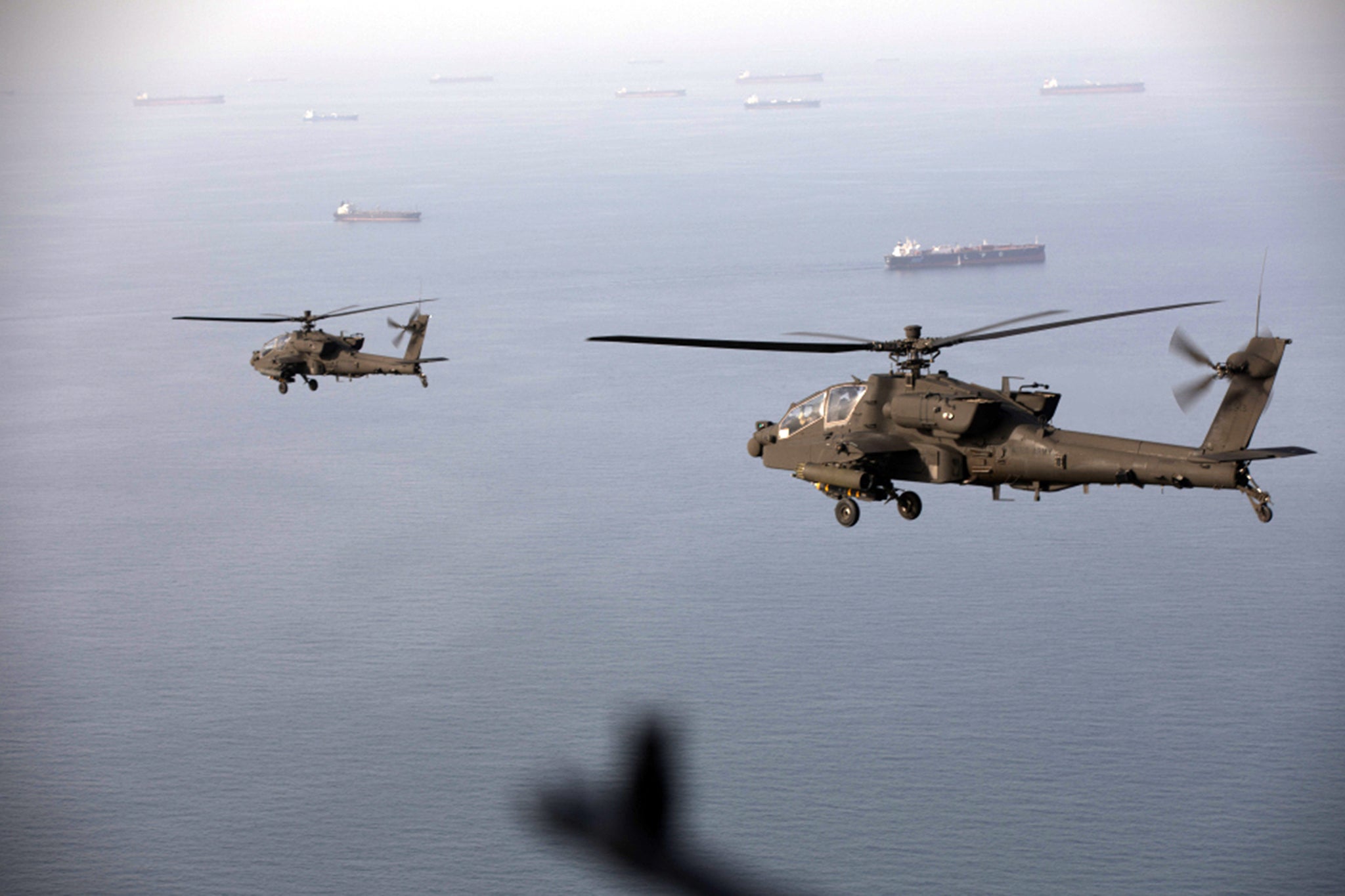
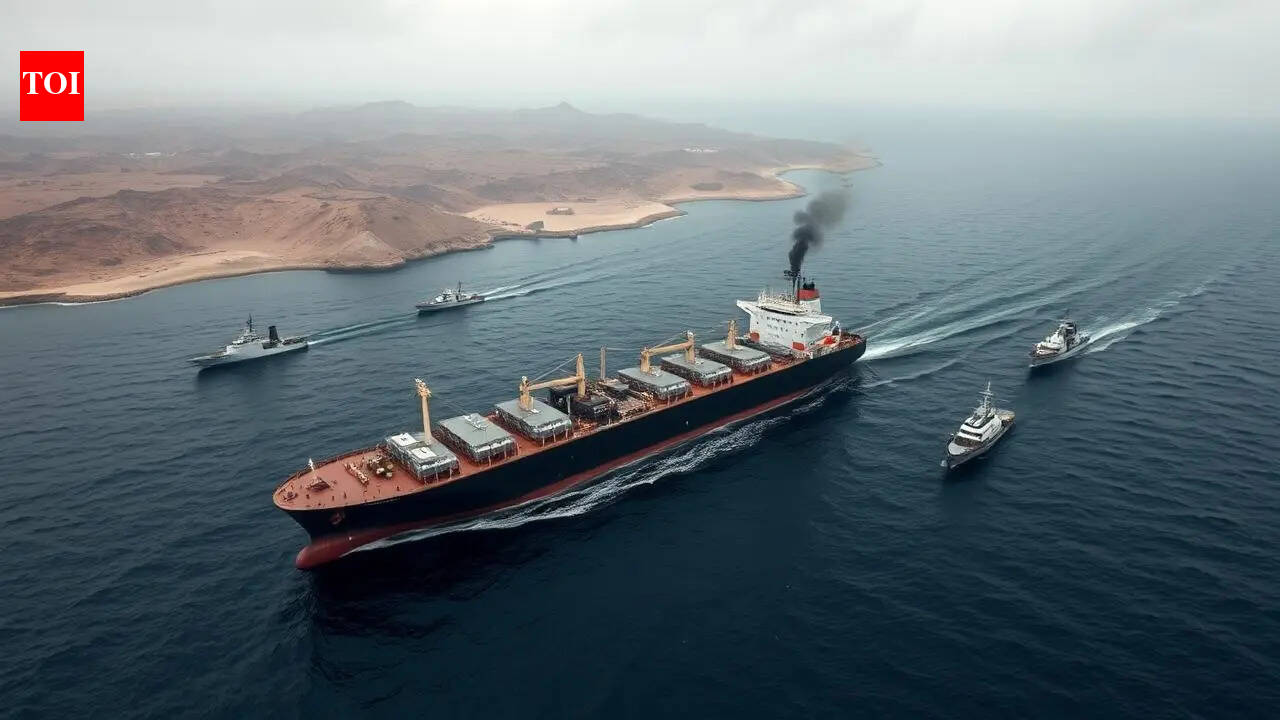
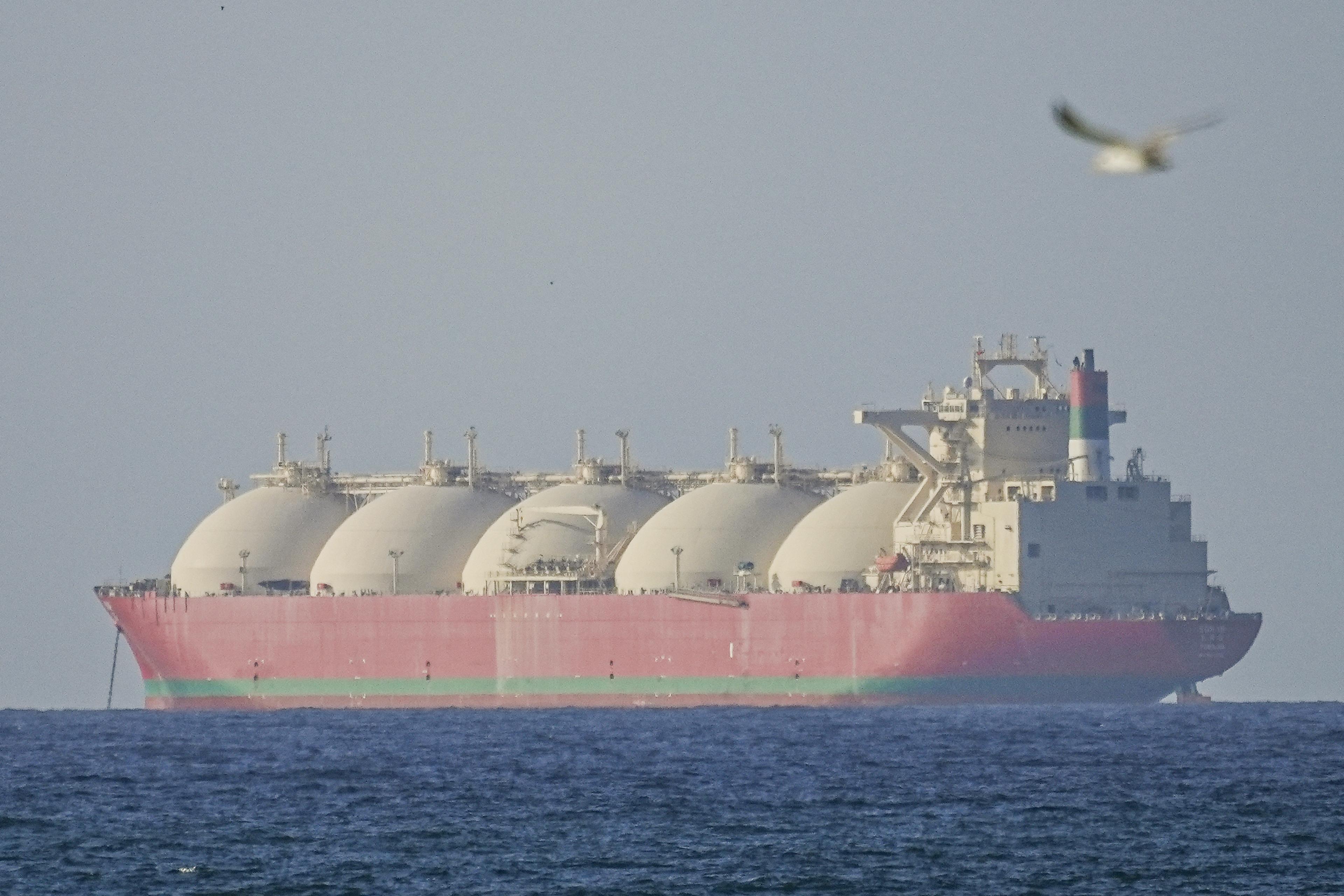
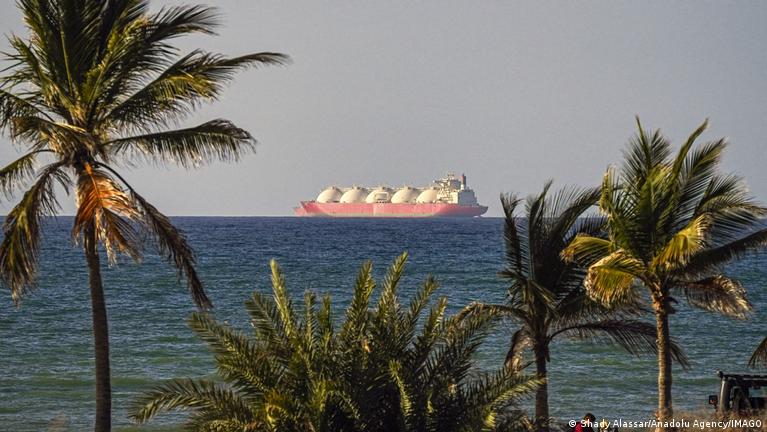
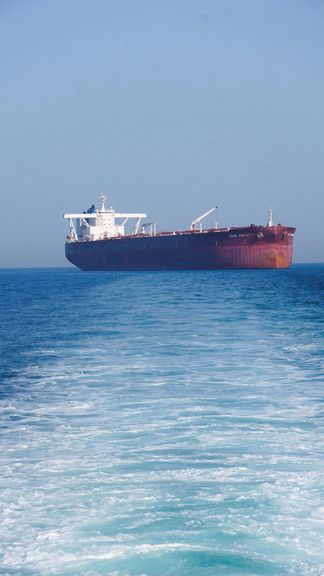
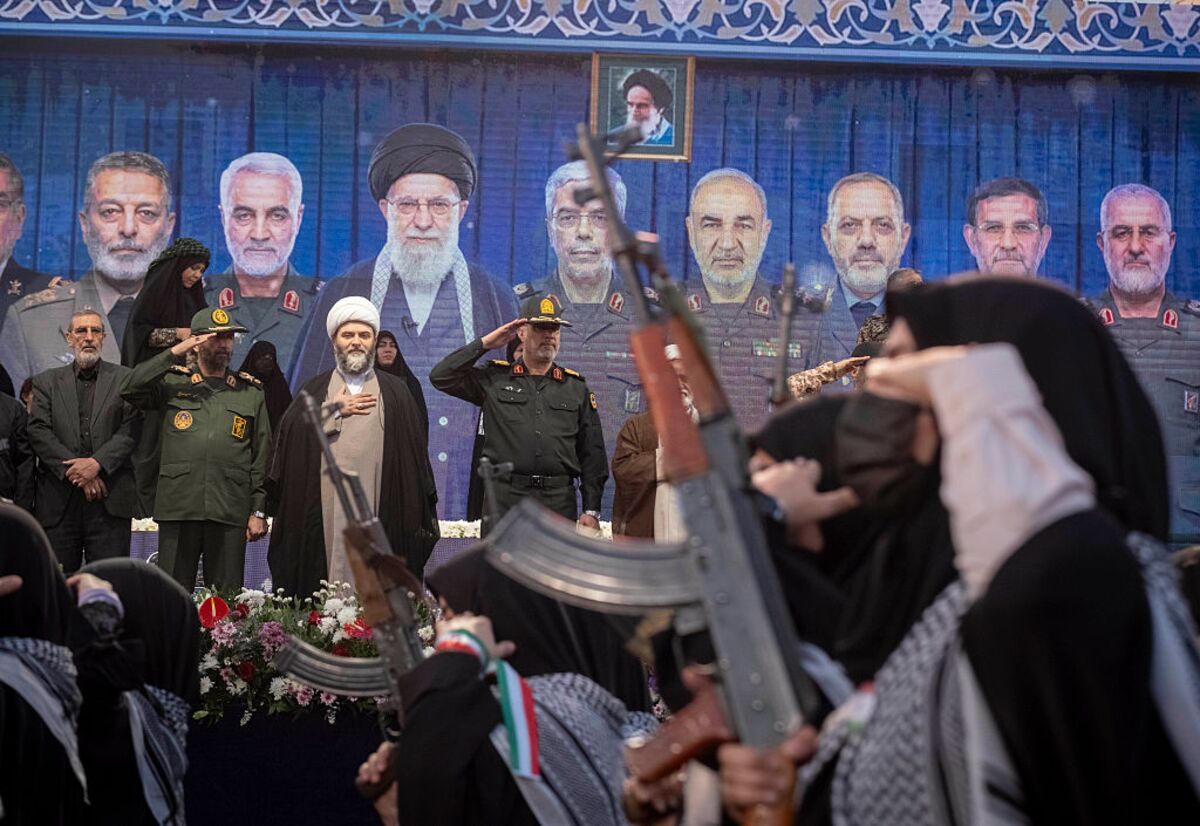
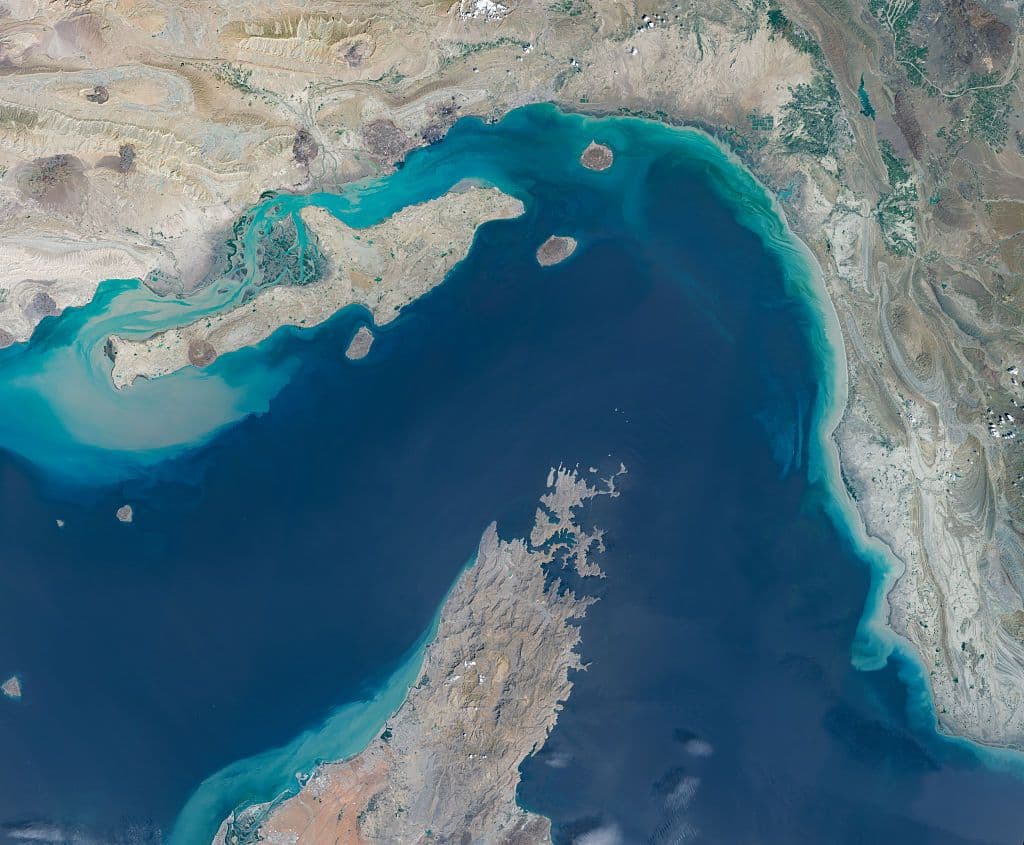
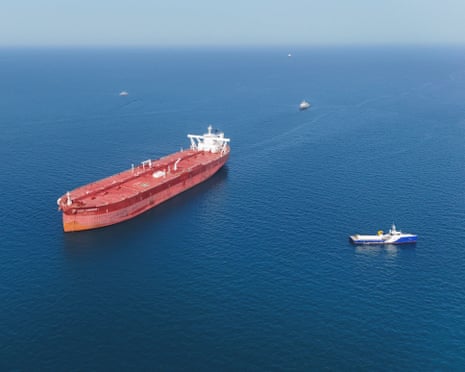
The Strait of Hormuz blockade represents a critical supply chain disruption affecting cross-border sellers globally. Iran's renewed restrictions on this critical chokepoint—which handles approximately one-third of global maritime oil trade—have created immediate logistics challenges for e-commerce sellers reliant on Asia-to-Western markets shipping corridors. As of April 18-19, 2026, the situation escalated dramatically: Iran fired on commercial tankers, forcing hundreds of vessels to reverse course or halt transit. The International Energy Agency termed this "the worst-ever supply disruption," with the closure affecting approximately one-fifth of global oil shipments. This directly impacts freight rates, delivery timelines, and inventory management for sellers across multiple categories.
For cross-border sellers, the operational impact is immediate and quantifiable. Shipping costs from Asia (China, Vietnam, India) to US/EU markets have surged 15-25% within 48 hours as carriers reroute around the Cape of Good Hope—adding 10-14 days to transit times and consuming additional fuel. Sellers shipping via FBA (Fulfillment by Amazon) face compounding costs: increased freight charges ($800-2,400 per 40-foot container depending on origin), extended inventory-in-transit periods that worsen IPI (Inventory Performance Index) scores, and potential stockouts during peak selling seasons. Energy-intensive product categories—electronics, appliances, furniture, automotive parts—experience margin compression of 15-25% as manufacturing costs rise due to elevated energy prices. LNG (liquefied natural gas) shipments from Qatar have halted entirely since February 28, creating energy supply constraints that ripple through manufacturing hubs in Southeast Asia and India.
Strategic sourcing opportunities emerge for sellers willing to pivot quickly. The blockade creates a 60-90 day window where non-Western shipping companies and older vessel operators (which Iran permits through negotiated channels) can capture market share. Sellers using Indian-flagged vessels or non-US-registered shipping have temporary advantages, though risks remain high given ongoing military tensions. Alternative routing through the Suez Canal and around Africa adds 10-14 days but provides certainty; sellers should evaluate 3PL providers offering these routes immediately. The April 22 deadline for US-Iran negotiations creates a critical decision point: if talks collapse, expect sustained 30-40% freight cost increases through Q2 2026. Conversely, if negotiations succeed, early movers who locked in alternative shipping contracts will gain 2-3 week delivery advantages over competitors still waiting for Hormuz reopening.
Questions 8
When should sellers consider shifting sourcing away from Asia due to this crisis?
Evaluate sourcing shifts for products with 60+ day lead times or high-margin categories (electronics, appliances, automotive parts). India offers 15-20% cost savings versus China for electronics assembly and textiles, with 8-10 day shorter shipping to US markets. Vietnam provides competitive labor costs with 5-7 day shorter transit. However, sourcing transitions require 90-120 days for supplier qualification and tooling. Only commit to shifts if the blockade persists beyond May 15 (post-negotiation window). For immediate relief (April-May), use existing India/Vietnam suppliers for 20-30% of inventory. Longer-term, diversify 40-50% of sourcing away from China to reduce future Hormuz dependency.
What compliance risks exist when using alternative shipping routes or carriers?
OFAC sanctions prohibit US sellers from engaging sanctioned Iranian entities or vessels. Verify all carrier ownership and vessel registrations through official databases before booking. Alternative routing via Cape of Good Hope adds 10-14 days but avoids geopolitical risk. Non-Western carriers may lack insurance coverage or reliability guarantees; require performance bonds and cargo insurance. Ensure shipping documentation complies with US export controls, especially for electronics and dual-use technology. Consult trade counsel if considering Indian-flagged vessels, as ownership verification is critical. Document all compliance checks for audit purposes.