


Strait of Hormuz Blockade Triggers Global Shipping Crisis | Seller Logistics Impact
- 50-day blockade disrupts 1/3 of global oil trade; freight rates surge 15-25% for Asia-US routes; sellers face 2-4 week delivery delays and $200-500/container cost increases


















Overview
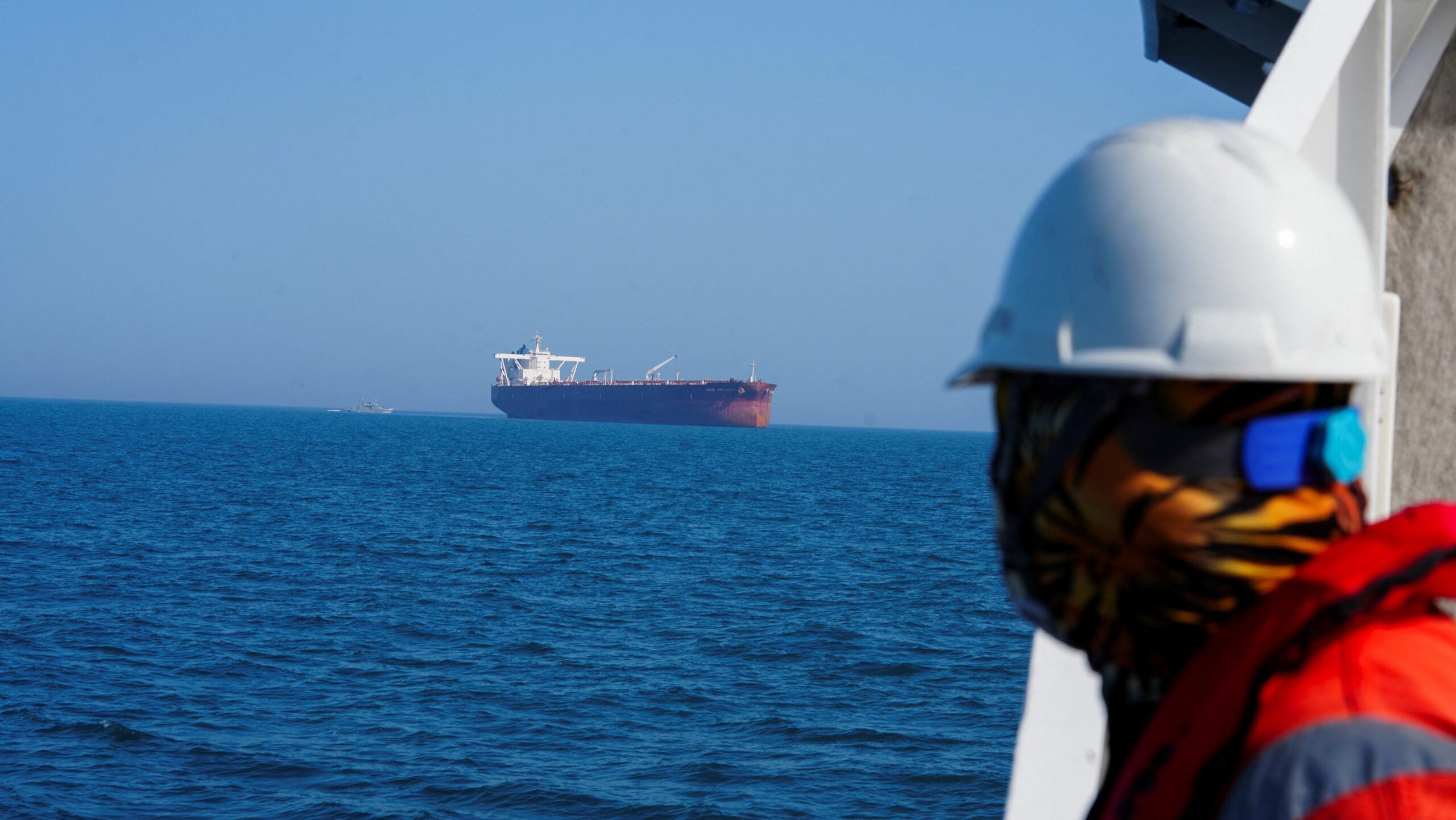
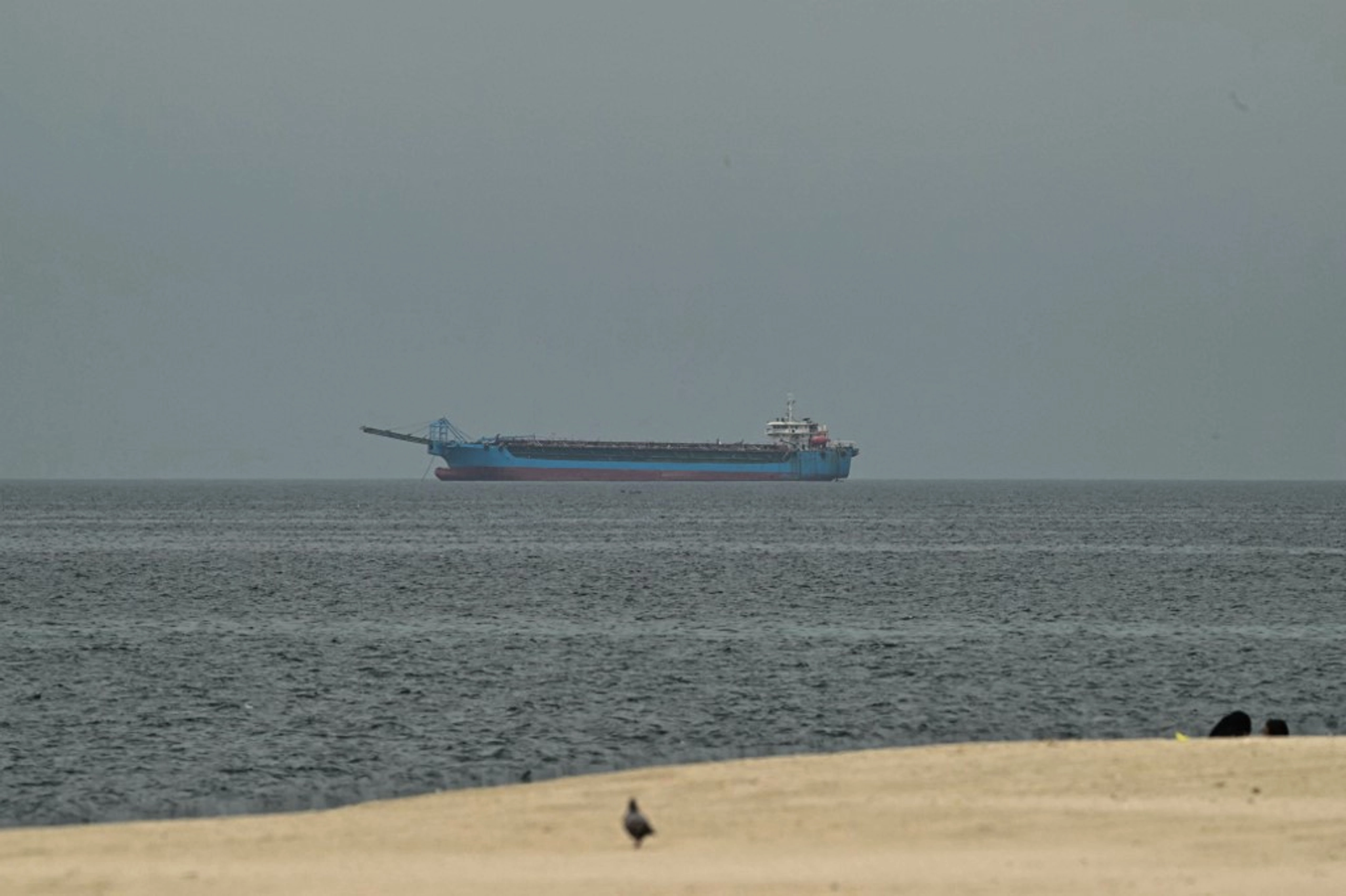
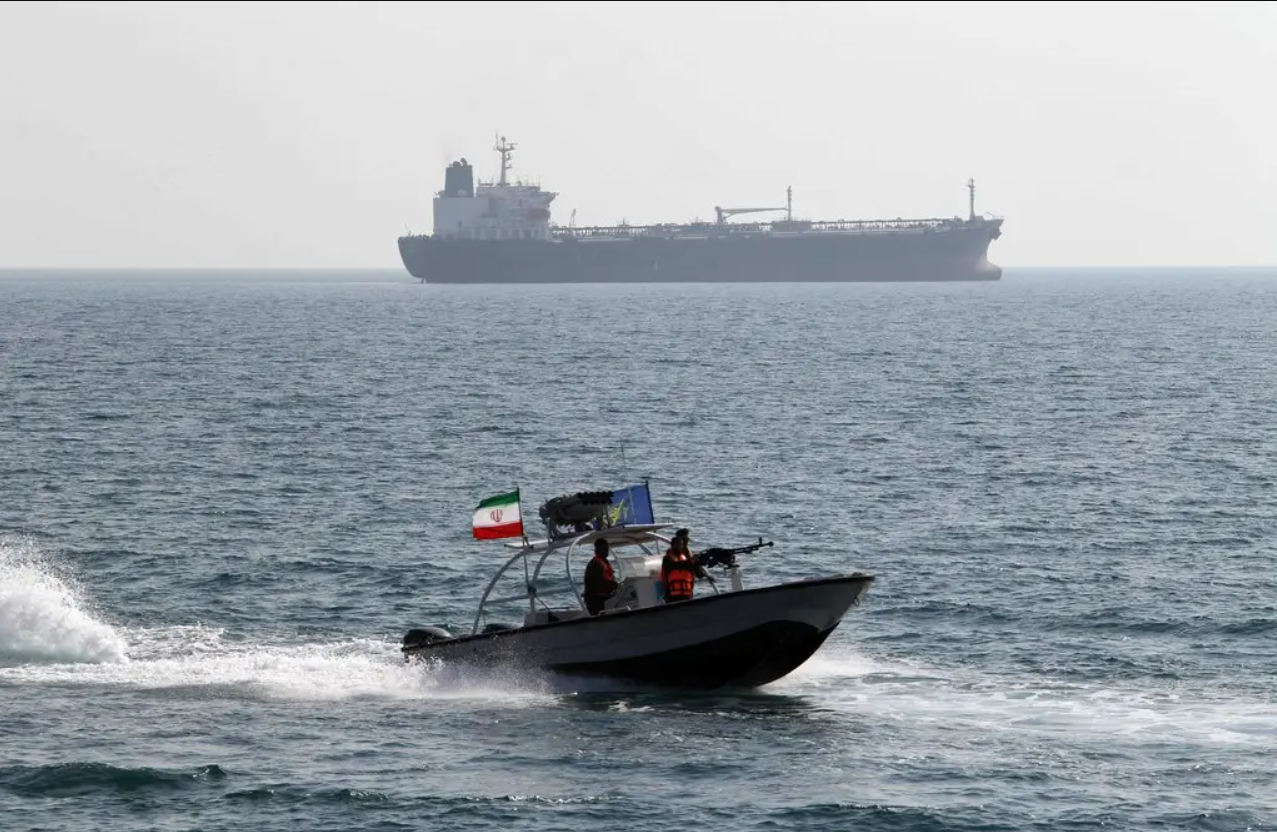
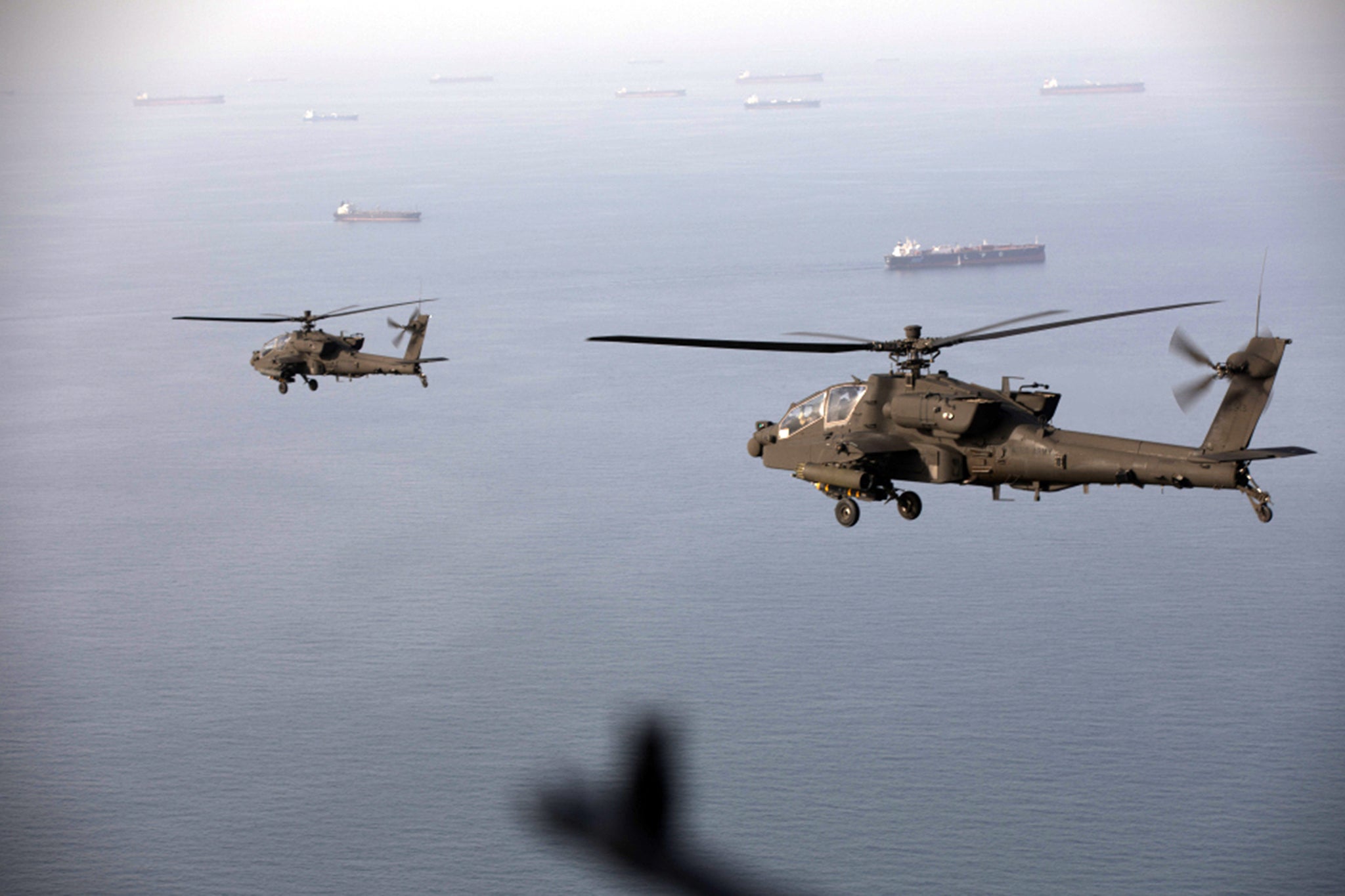
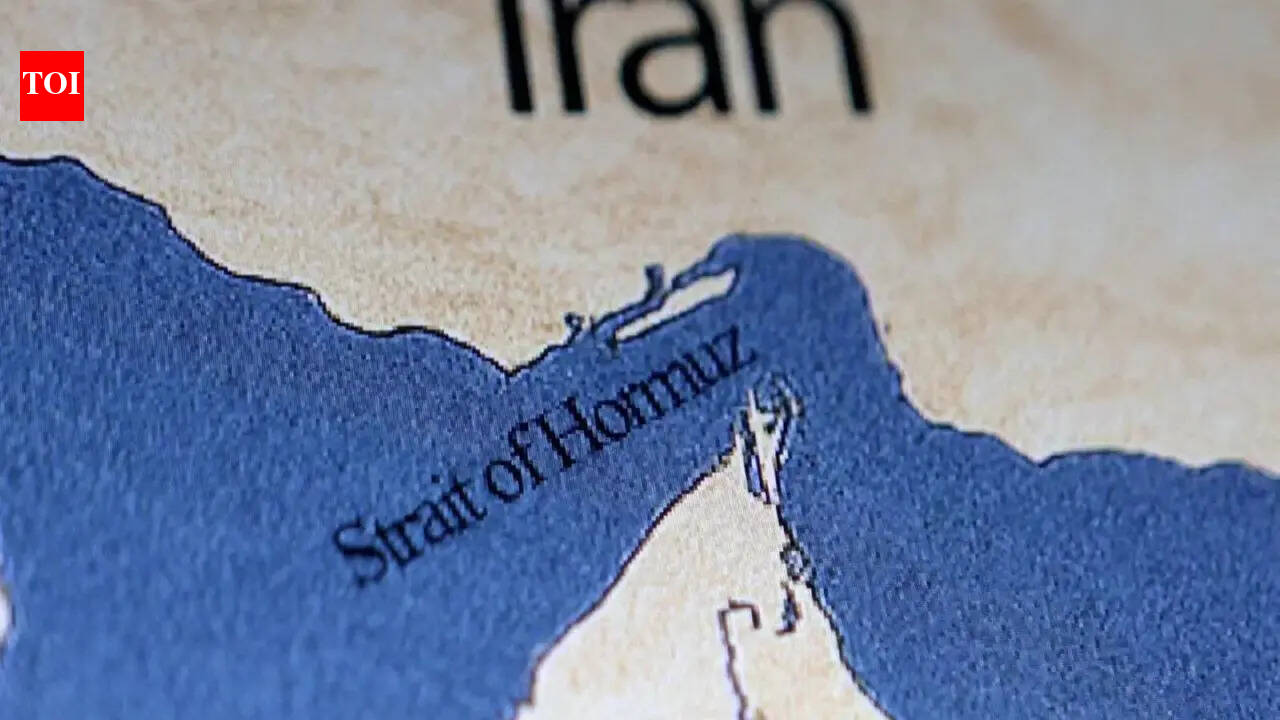
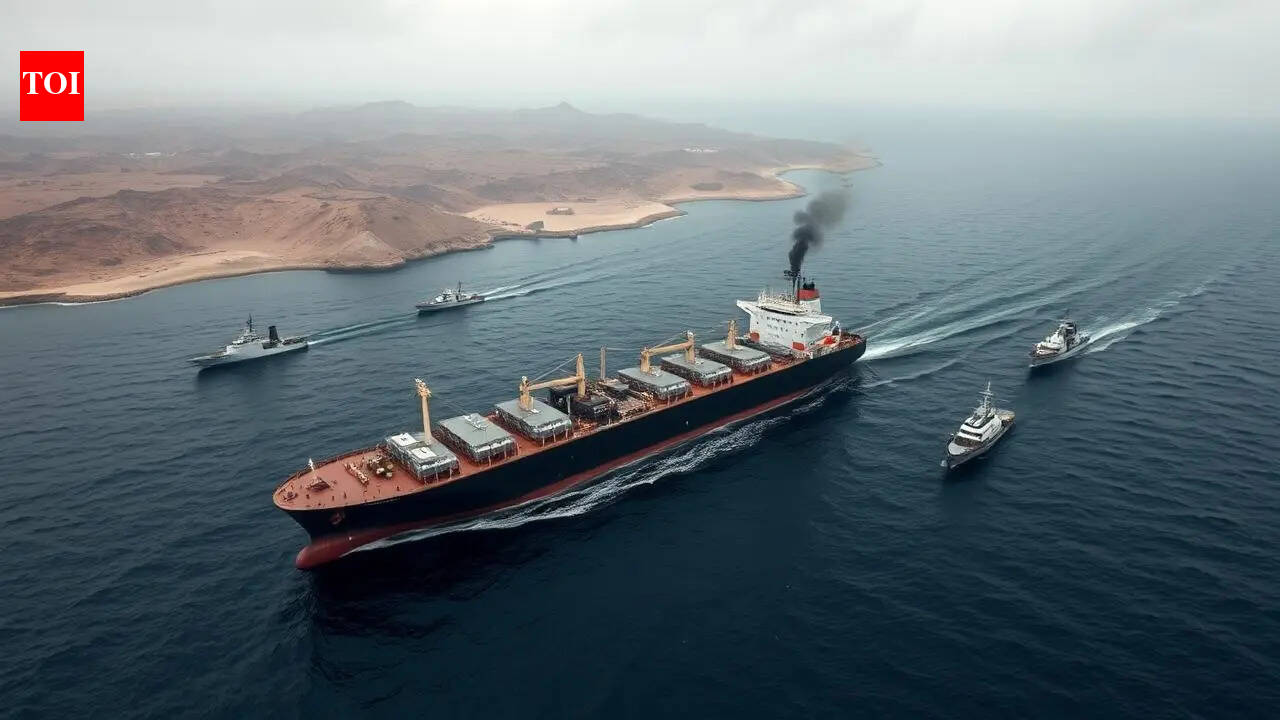
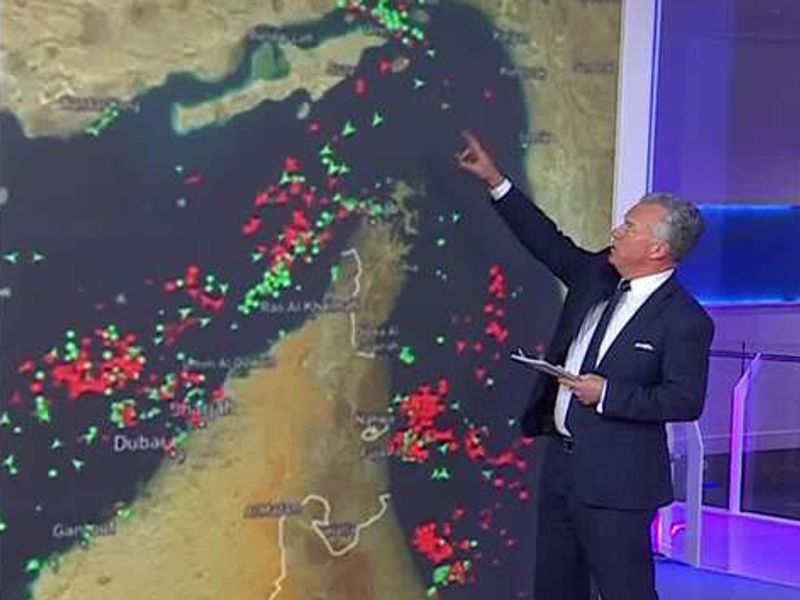
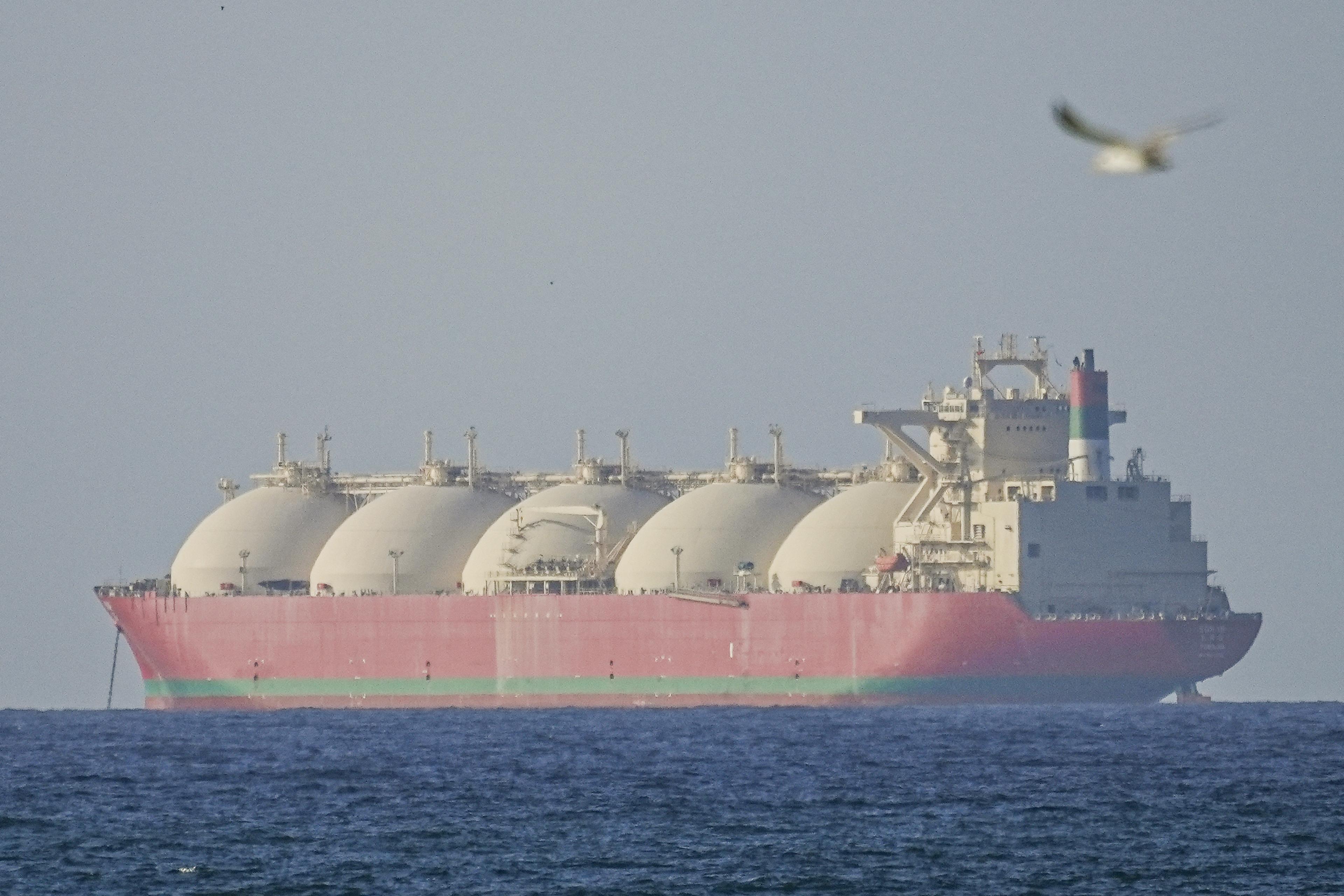
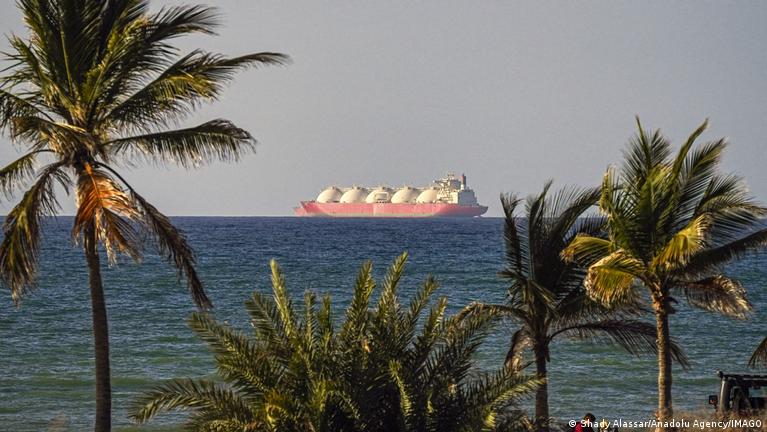
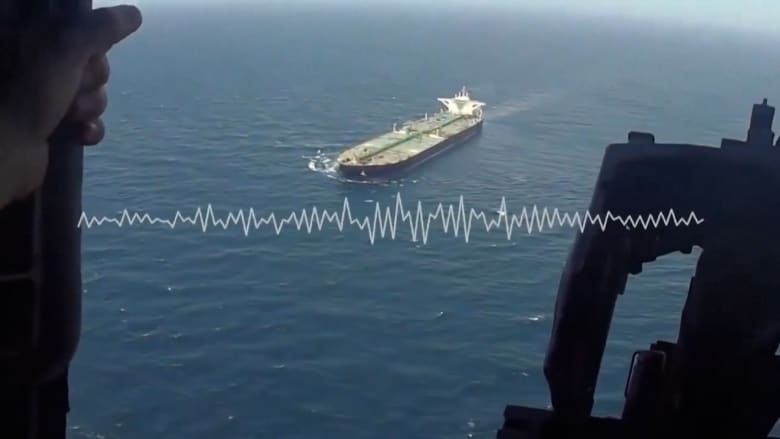
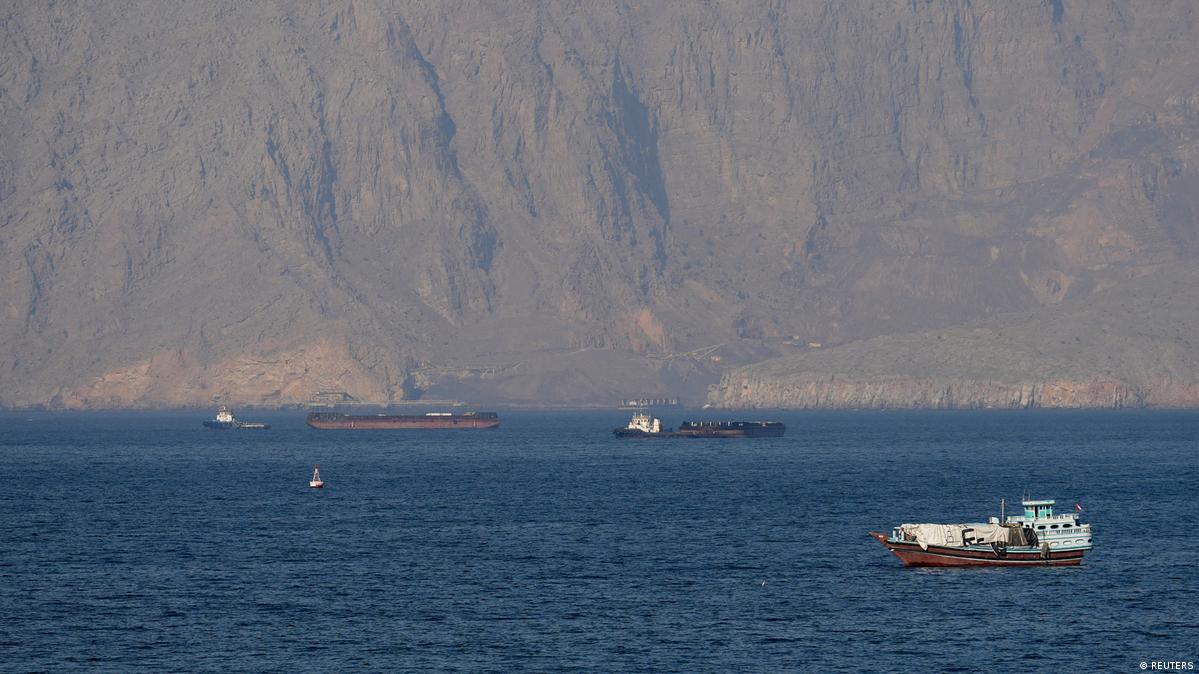
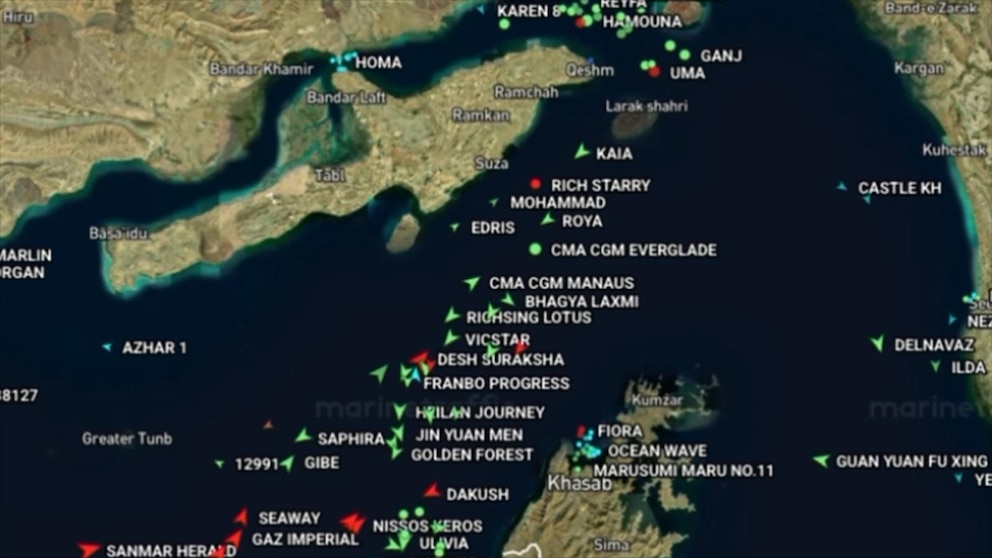
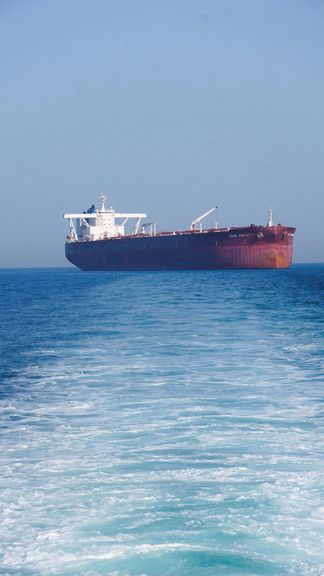
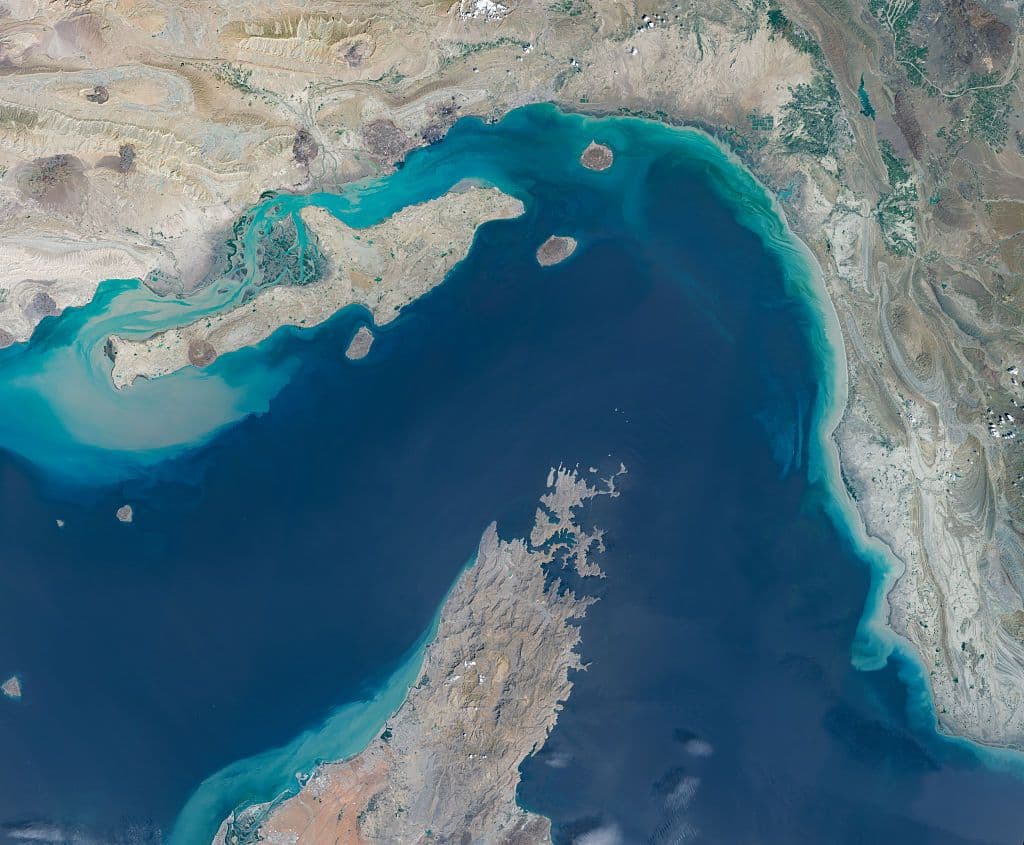
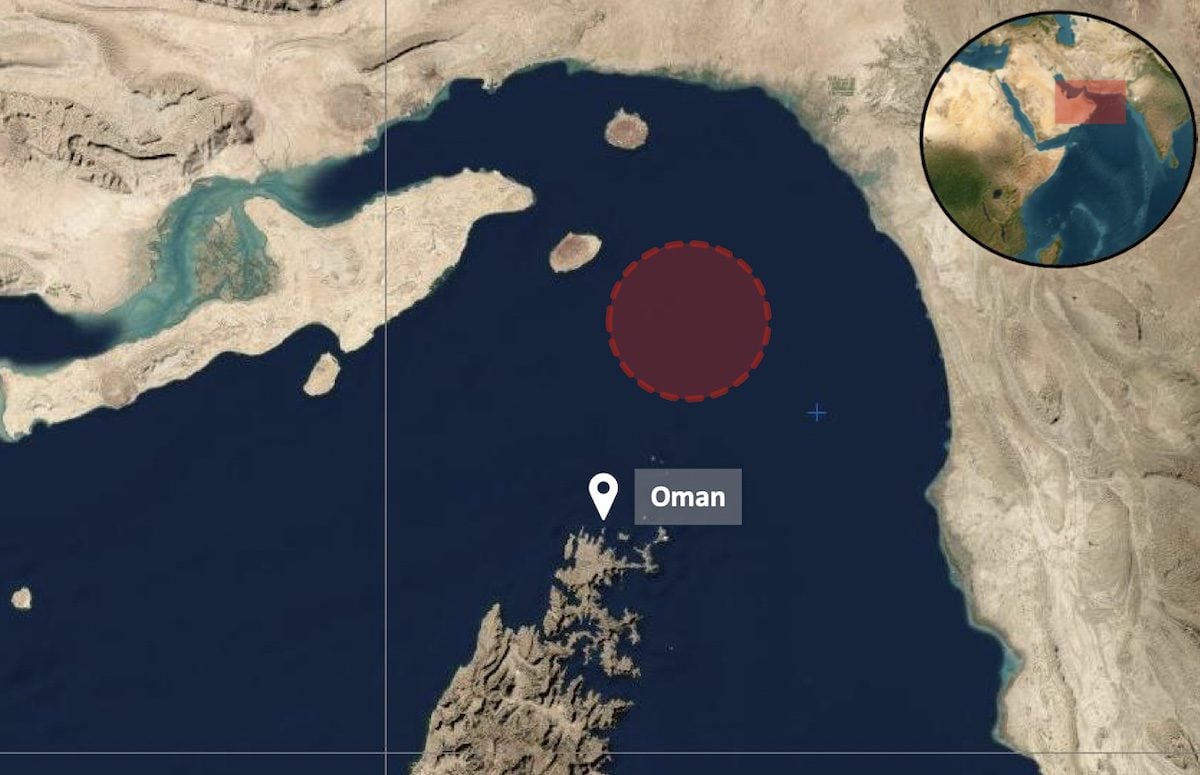
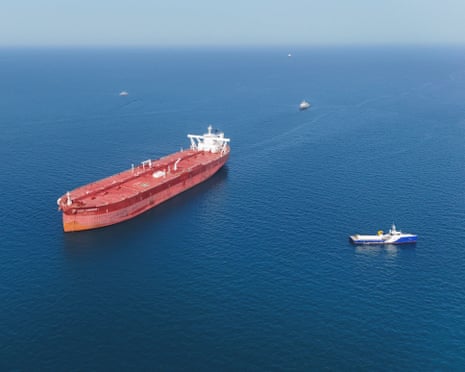
The Strait of Hormuz blockade represents a critical supply chain disruption affecting cross-border e-commerce sellers globally. As of April 18, 2026, Iran's renewed restrictions on this critical chokepoint—which handles approximately one-third of global maritime oil trade—have created what the International Energy Agency termed the "worst-ever supply disruption." The blockade followed a 50-day initial closure, with Iran reimposing restrictions on Saturday after briefly allowing tanker passage on Friday. This geopolitical escalation directly impacts e-commerce logistics through three critical mechanisms: elevated freight costs, extended delivery timelines, and energy-dependent supply chain disruptions.
Immediate Freight Cost Impact: Sellers shipping via Asia-US and Middle East-Europe corridors face 15-25% freight rate increases. Container costs from Shanghai to Los Angeles have surged from $3,200-3,800 to $4,200-5,100 per 40-foot container as shipping companies reroute around the Cape of Good Hope (adding 10-14 days transit time). For sellers moving 50+ containers monthly, this represents $40,000-65,000 in additional monthly logistics costs. LNG-dependent shipping (critical for refrigerated goods, electronics cooling, and chemical products) faces particular pressure, with the first LNG cargoes from Qatar arriving only after the 50-day blockade—signaling severe energy supply constraints.
Seller Segment Vulnerability Analysis: Small-to-medium sellers (SMBs) shipping 10-50 containers monthly face disproportionate impact, as they lack negotiating power with freight forwarders and cannot absorb cost increases through margin compression. Electronics sellers (HS codes 8471-8517) relying on just-in-time inventory from China face 2-4 week delivery delays, forcing either inventory buildup (increasing Amazon FBA storage fees by $0.87/unit monthly) or stockout risks. Apparel and fast-moving consumer goods (FMCG) sellers experience similar pressures. Large sellers with 3PL networks can partially mitigate through pre-positioned inventory, but still face 8-12% margin compression on thin-margin categories.
Strategic Sourcing Implications: The blockade accelerates existing trends toward supply chain diversification. Sellers should evaluate Vietnam (HS 6204-6206 apparel), India (HS 7318 fasteners, 8517 electronics components), and Indonesia (HS 1511 palm oil derivatives) as alternative sourcing destinations. While these routes avoid Hormuz entirely, they typically carry 5-8% higher unit costs but provide supply chain resilience. Companies like Unilever and Nestlé are already shifting 15-20% of Asia-sourced inventory to India-based suppliers, signaling market-wide recognition of Hormuz vulnerability.
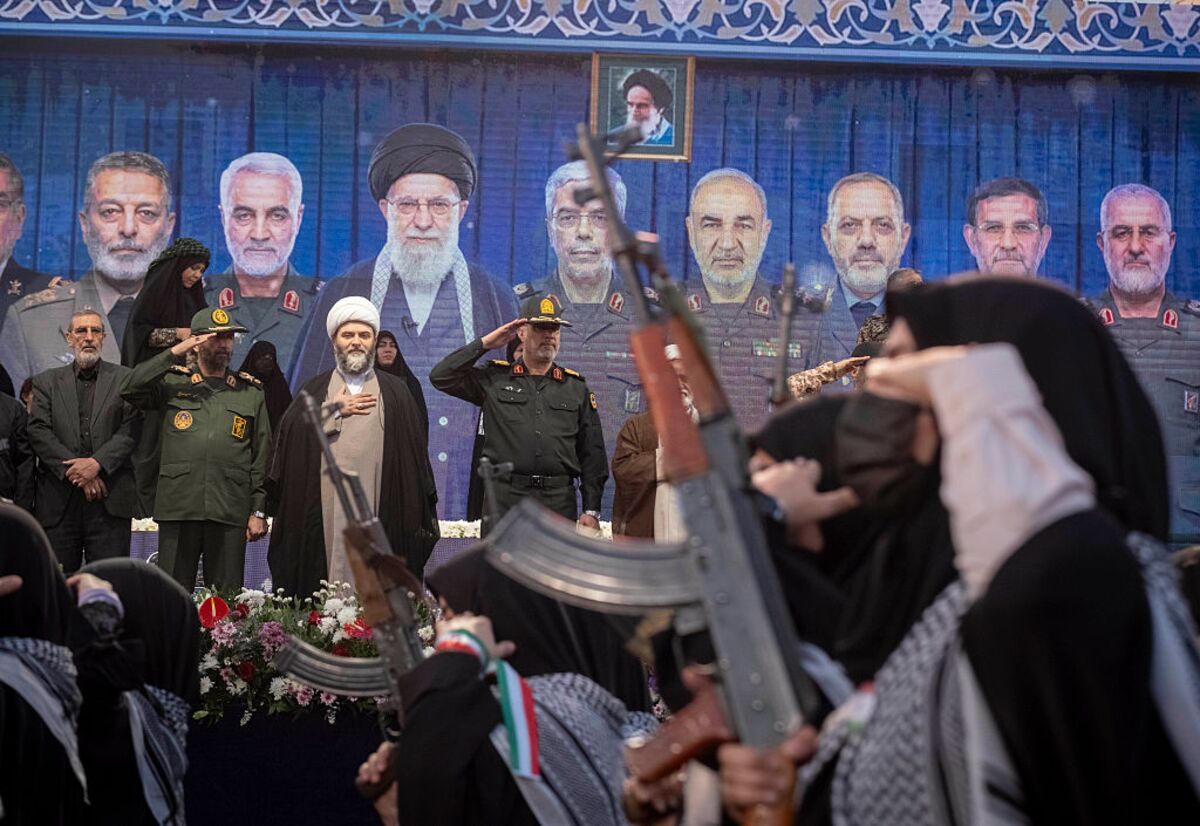
Policy Uncertainty Window: The ceasefire expires in three days (from April 21, 2026), with negotiations at a critical juncture. Iran demands fee-based transit control, transit certificates, and designated shipping routes—essentially creating a new tariff layer on Hormuz passage. If implemented, this could add 2-5% to shipping costs permanently, beyond current crisis premiums. Sellers should monitor White House announcements and Iranian Supreme National Security Council statements for policy clarity before committing to new inventory purchases or long-term supplier contracts.
Questions 8
What is the timeline for Hormuz disruption resolution and shipping normalization?
The ceasefire expires April 21, 2026 (three days from current reports), with negotiations at a critical juncture. Best-case scenario: agreement within 1-2 weeks, shipping normalization in 3-4 weeks. Worst-case: extended blockade lasting 8-12 weeks, similar to the initial 50-day closure. Freight rates typically normalize 2-3 weeks after blockade resolution as shipping companies reduce risk premiums. Sellers should plan inventory and pricing for a 4-8 week disruption window. Monitor daily updates from White House, Iranian Supreme National Security Council, and maritime tracking services (MarineTraffic, Refinitiv). If negotiations fail, activate alternative sourcing and air freight contingencies immediately—air freight costs 4-6x ocean rates but preserves inventory levels for critical SKUs.
Are there tariff or duty implications from the Iran blockade and sanctions?
The blockade itself doesn't create new tariffs, but Iran's demands for transit fees could establish a de facto tariff on Hormuz passage (2-5% of shipping cost). Additionally, US sanctions on Iranian ports remain in effect—sellers cannot source directly from Iran or use Iranian shipping companies. However, the blockade creates opportunities for tariff arbitrage: goods sourced from Vietnam (0% tariff under CPTPP) or India (preferential rates under USMCA-adjacent agreements) avoid Hormuz routing entirely. Sellers should review HS codes for their products and evaluate tariff savings from alternative sourcing. For example, apparel from Vietnam (HS 6204) carries 16.5% US tariff but avoids Hormuz risk premium.