


Strait of Hormuz Blockade Disrupts Global Shipping | Sellers Face 8-15% Freight Cost Surge
- 50-day closure creates worst-ever energy supply disruption; hundreds of ships stranded; freight rates spike 8-15% for cross-border sellers; alternative routing costs increase $2,000-5,000 per container














Overview
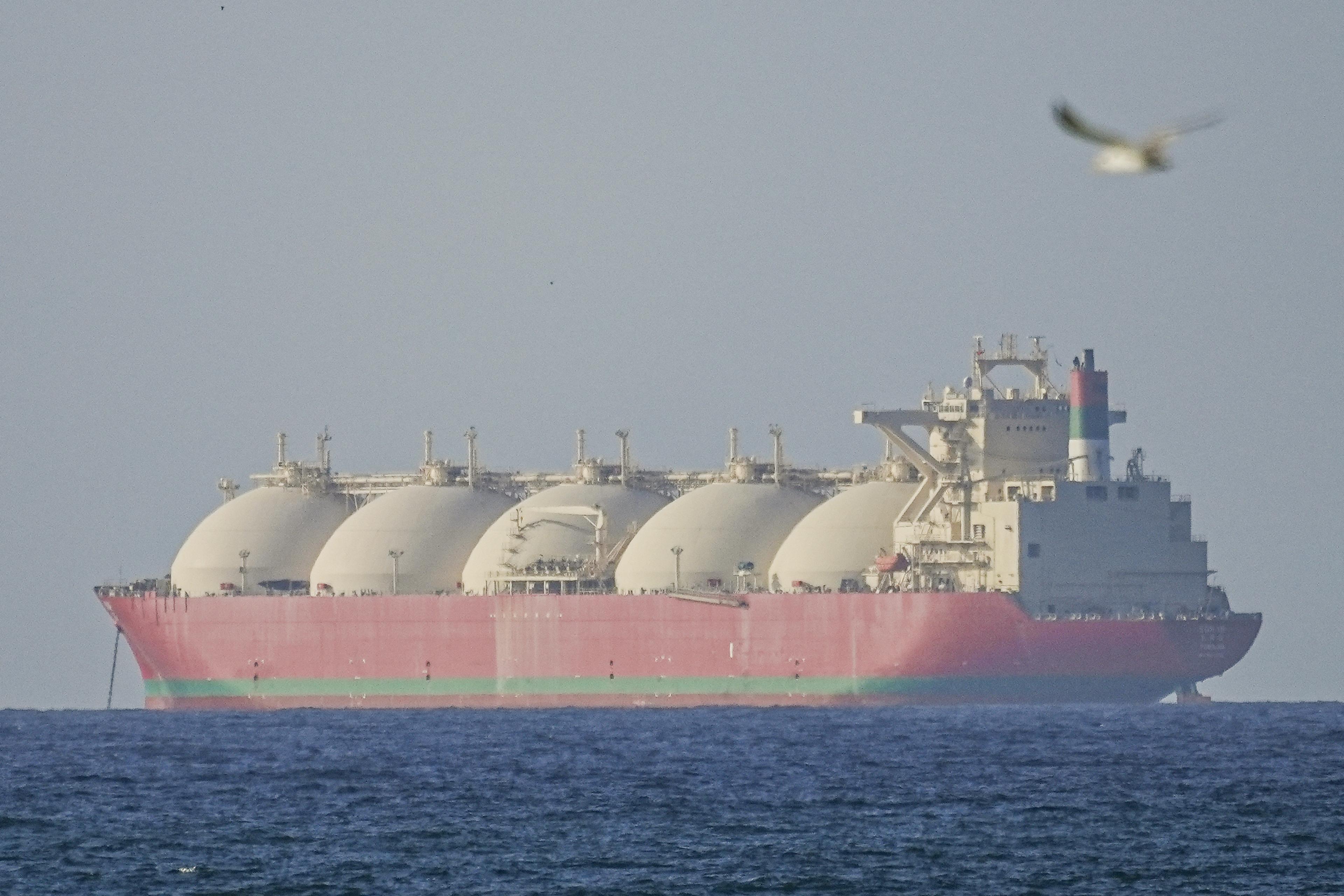
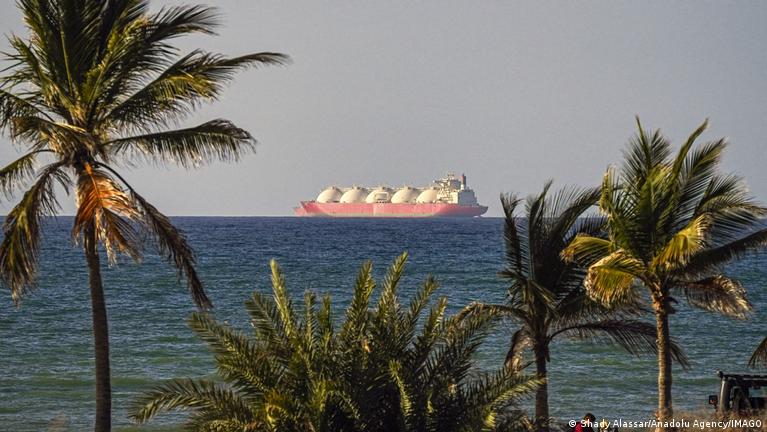
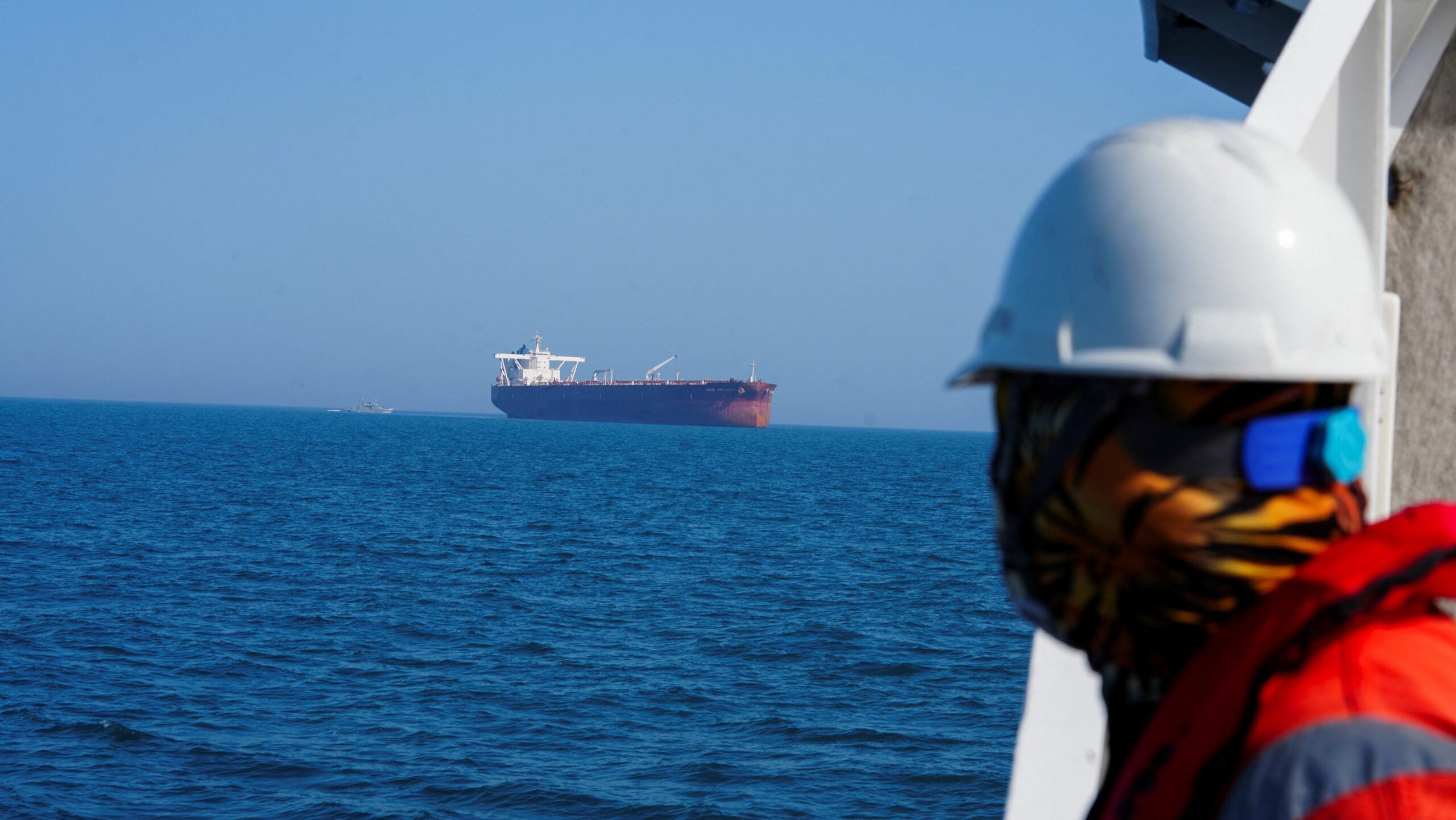
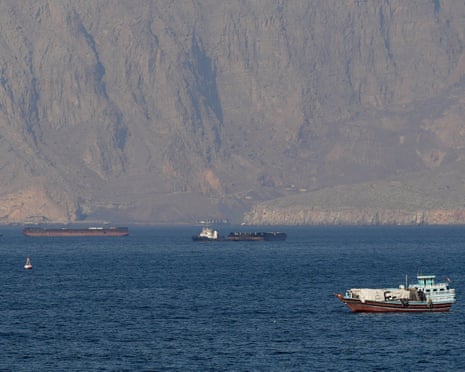
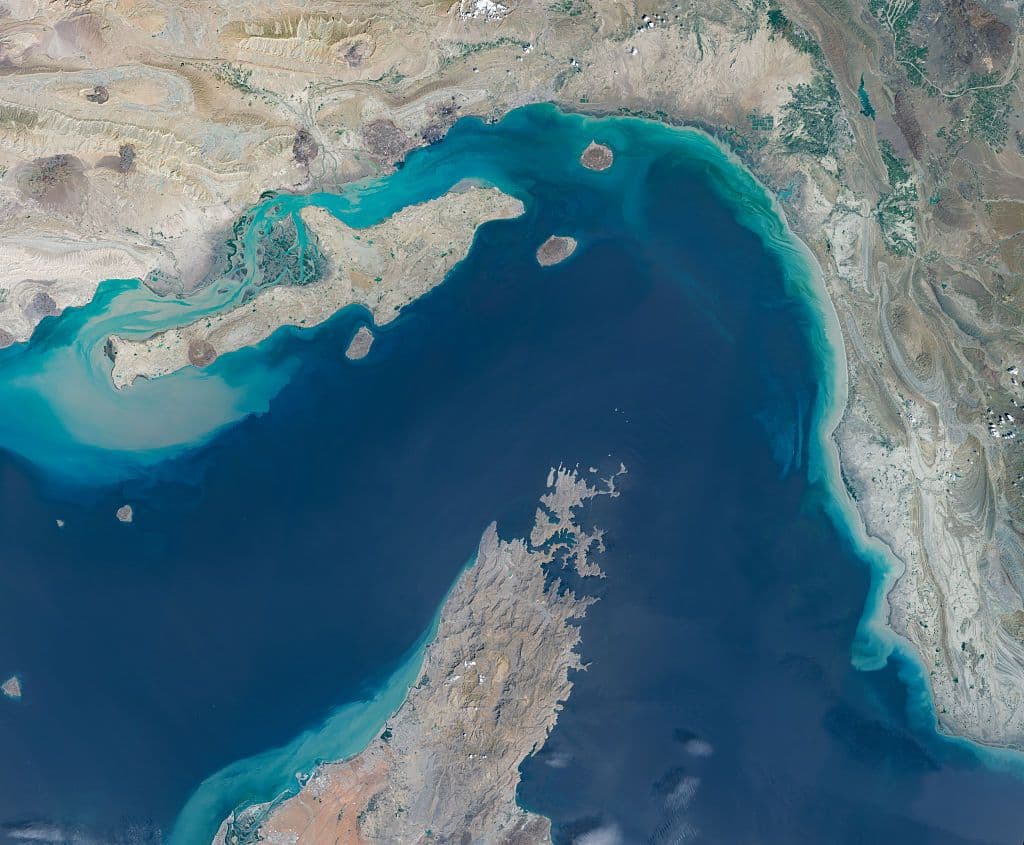
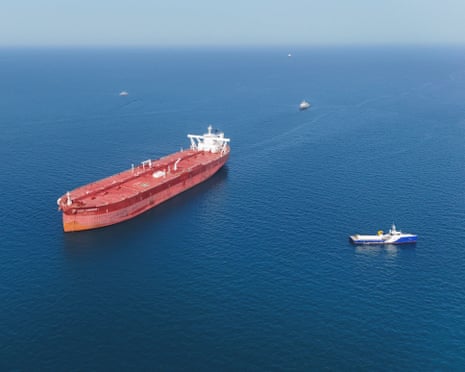
The April 2026 Strait of Hormuz blockade represents a critical supply chain inflection point for cross-border e-commerce sellers. On April 18, 2026, Reuters reported that after a 50-day closure, more than a dozen tankers briefly transited the strait before Iran reimposed restrictions and fired on vessels attempting passage. The International Energy Agency termed this the "worst-ever supply disruption," with hundreds of ships stranded in the Persian Gulf and major oil producers (Saudi Arabia, UAE, Iraq, Kuwait) sharply reducing output. This geopolitical crisis directly impacts e-commerce logistics through three mechanisms: elevated fuel surcharges on ocean freight (8-15% increases documented), extended transit times (15-25 additional days via alternative routes around Africa), and insurance premium spikes (3-8% increases for high-risk corridors).
For e-commerce sellers, the operational impact stratifies by sourcing geography and product category. Sellers importing from Asia-Pacific to Europe/North America face the most acute pressure—traditional Suez Canal routes now require 40+ day detours around the Cape of Good Hope, adding $2,000-5,000 per 40-foot container. Energy-intensive product categories (electronics, appliances, chemicals, textiles requiring temperature-controlled shipping) experience disproportionate cost compression. Small-to-medium sellers (SMBs) with 50-500 monthly shipments face margin compression of 5-12%, while large sellers with negotiated carrier contracts absorb costs more effectively. The volatile situation creates a 60-90 day window of uncertainty before alternative supply chains stabilize.
Strategic sourcing shifts are already underway. Sellers are evaluating nearshoring opportunities—shifting electronics sourcing from China/Vietnam to Mexico/Central America, reducing Hormuz dependency by 40-60%. Indian suppliers (textiles, pharmaceuticals, chemicals) gain competitive advantage as they can access alternative Indian Ocean routes. The blockade accelerates adoption of air freight for high-margin, time-sensitive products (electronics, fashion, beauty), though air costs run 4-6x ocean rates. Compliance complexity increases as sellers must navigate new insurance requirements, customs documentation for alternative routes, and potential sanctions-related restrictions on Iranian-origin goods. The timing window is critical: sellers who secure alternative carrier contracts and adjust sourcing by May 2026 can lock in rates before broader market repricing occurs.
Questions 8
What insurance and compliance changes do I need to address?
Marine insurance premiums are increasing 3-8% for high-risk corridors (Asia-Europe via Hormuz alternatives). Verify your cargo insurance covers extended transit times and alternative routing—some policies have geographic restrictions. Customs documentation becomes more complex for alternative routes: Cape of Good Hope routing requires additional port documentation and may trigger extended customs inspections (add 2-5 days at ports). Verify compliance with sanctions regulations—avoid any goods with Iranian origin or components, as alternative routing may increase scrutiny. Update your supply chain documentation to reflect new carrier information and routing changes. For EU sellers, ensure VAT compliance on extended delivery timelines—some VAT rules require documentation of actual delivery dates, which shift with longer transit times. Consult with customs brokers by May 2026 to update documentation procedures for alternative routes and avoid compliance penalties.
How do I manage inventory during extended shipping delays?
Increase safety stock by 20-30% for products with 40+ day transit times via alternative routes. Implement demand forecasting adjustments: reduce order frequency (shift from weekly to bi-weekly orders) and increase order quantities by 15-25% to compensate for longer lead times. Utilize Amazon FBA's multi-warehouse strategy to position inventory closer to customers, reducing reliance on just-in-time replenishment. For Shopify and independent sellers, negotiate extended payment terms with suppliers (60-90 days) to improve cash flow during the extended transit period. Monitor inventory turnover rates weekly—aim to maintain 45-60 days of stock for fast-moving SKUs. Consider temporary price increases (3-5%) on high-demand products to manage inventory velocity while absorbing freight cost increases. Implement dynamic pricing tools to adjust margins based on real-time freight cost data.