





Middle East Supply Chain Disruption Risk | Cross-Border Sellers Face Logistics Challenges
- Escalating Israel-Hezbollah conflict creates shipping delays, insurance cost increases, and market access restrictions for sellers serving Lebanon and broader MENA region



















Overview
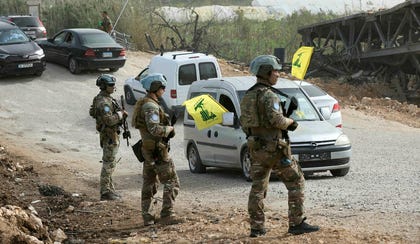
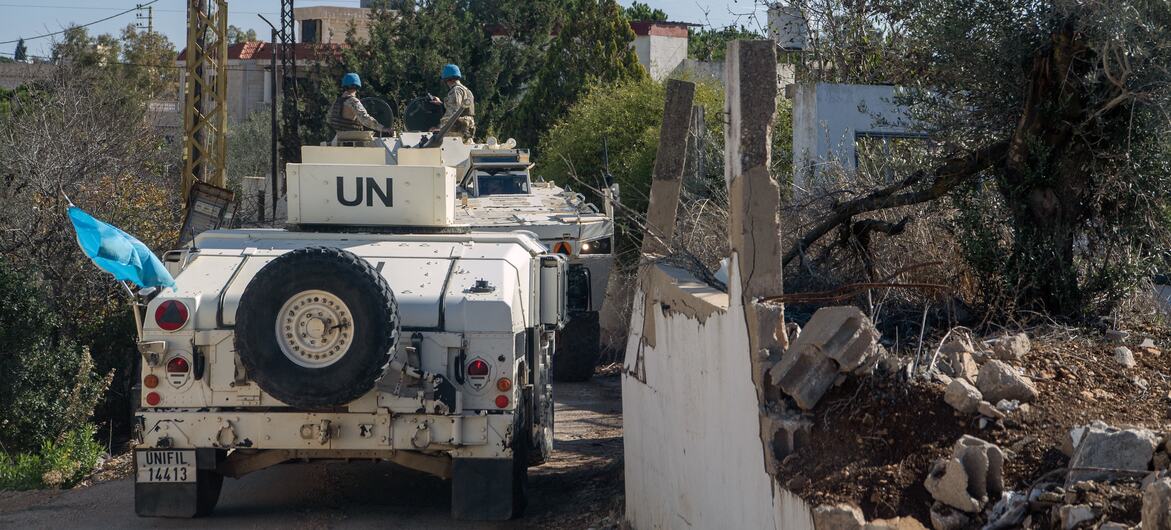
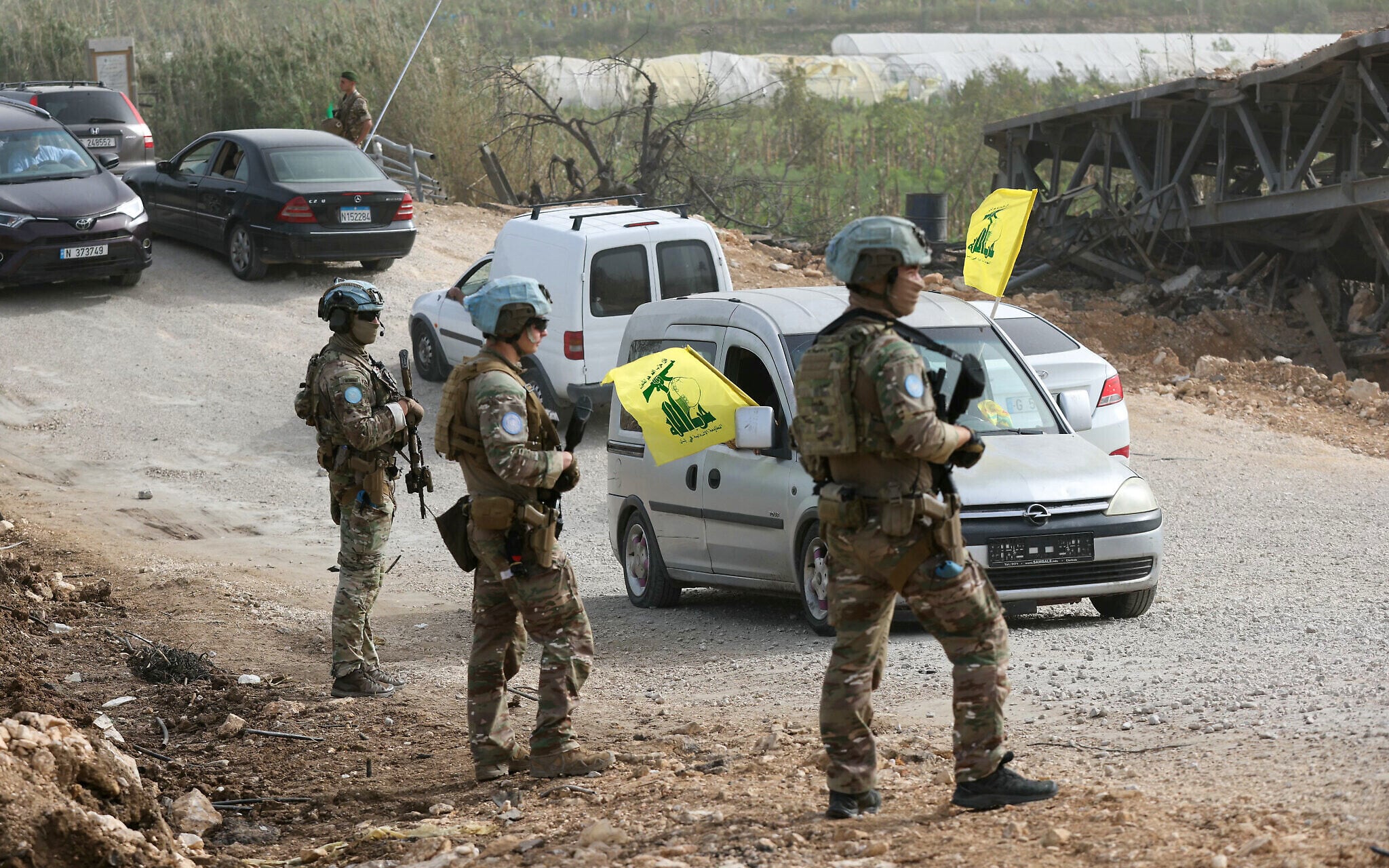
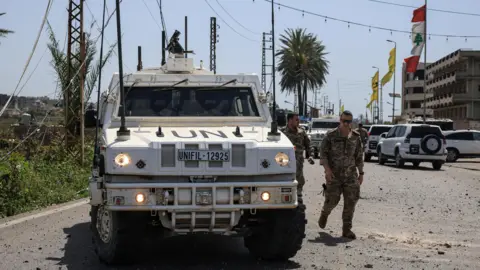
The April 2026 escalation of violence in southern Lebanon, marked by attacks on UN peacekeeping forces (UNIFIL) that killed French Staff Sergeant Florian Montorio and a UN peacekeeper on April 18, 2026—just one day after a ceasefire announcement—signals deteriorating regional stability with direct implications for cross-border e-commerce operations. The broader Israel-Hezbollah conflict, which began March 2, 2026, has resulted in nearly 2,300 deaths in Lebanon and displaced over 1 million persons, creating a humanitarian crisis that fundamentally disrupts commercial logistics networks serving the MENA region.
For cross-border sellers, this geopolitical escalation creates three critical operational challenges. First, logistics disruption affects sellers shipping to Lebanon, Syria, and surrounding markets through traditional Middle Eastern trade routes. Shipping carriers including DHL, FedEx, and UPS have implemented surcharges (typically 15-25% premium) for MENA region deliveries due to increased insurance costs and route diversions. Sellers with inventory in Lebanese warehouses or 3PL facilities face potential loss exposure, as conflict zones create liability gaps in standard shipping insurance policies. Second, market access restrictions emerge as international payment processors and marketplaces implement compliance screening for transactions involving conflict-affected regions. Amazon, eBay, and Shopify have historically restricted seller accounts conducting business in active conflict zones to mitigate sanctions risk and reputational exposure. Third, consumer purchasing power in Lebanon has collapsed—with 1 million+ displaced persons and economic infrastructure damage, demand for non-essential cross-border e-commerce products has contracted sharply, reducing market opportunity for sellers previously targeting Lebanese consumers.
The strategic implication extends beyond Lebanon to broader MENA supply chain resilience. Sellers sourcing products from manufacturing hubs in Turkey, Egypt, and the UAE face potential supply chain disruptions if conflict escalates to regional shipping chokepoints like the Suez Canal or Strait of Hormuz. Historical precedent from the 2006 Israel-Hezbollah conflict shows regional conflicts can suppress e-commerce activity for 12-18 months post-escalation as consumer confidence and logistics infrastructure recover. Sellers with significant exposure to MENA markets should immediately audit their geographic concentration risk and consider diversifying fulfillment networks away from conflict-adjacent regions.
Questions 8
When should sellers expect MENA market recovery and demand normalization?
Based on 2006 conflict precedent, regional e-commerce recovery typically follows 12-18 months after major escalation de-escalates. Key recovery indicators include: (1) UN peacekeeping force stabilization (currently UNIFIL presence indicates ongoing instability), (2) Lebanese government reconstruction announcements, (3) International donor conference commitments for economic aid, (4) Shipping carrier service restoration to pre-conflict levels. Monitor Lebanese Central Bank statements and IMF economic reports for recovery signals. Sellers should maintain minimal inventory exposure to Lebanon through Q4 2026, then gradually increase allocation if stability indicators improve. Consider re-entering market in Q1 2027 if ceasefire holds and infrastructure repairs progress.
What compliance documentation do sellers need for MENA transactions?
Maintain detailed customer verification records including name, address, business registration, and end-use certification for all MENA transactions. Payment processors and platforms require enhanced due diligence for high-risk regions—document customer identity verification, transaction purpose, and beneficial ownership information. Keep records for minimum 5 years to defend against sanctions compliance audits. Review OFAC (Office of Foreign Assets Control) sanctions lists before processing transactions. Implement transaction monitoring systems that flag high-value or unusual MENA activity. Consult with compliance counsel if selling to entities in Lebanon, Syria, or Iran-linked businesses.