





AI Backlash & K-Shaped Economy | Critical Seller Implications 2025-2026
- 57% of US voters oppose AI expansion; $156B in data center projects blocked; San Francisco wealth inequality creates bifurcated consumer markets affecting seller demand patterns and policy risk





Overview
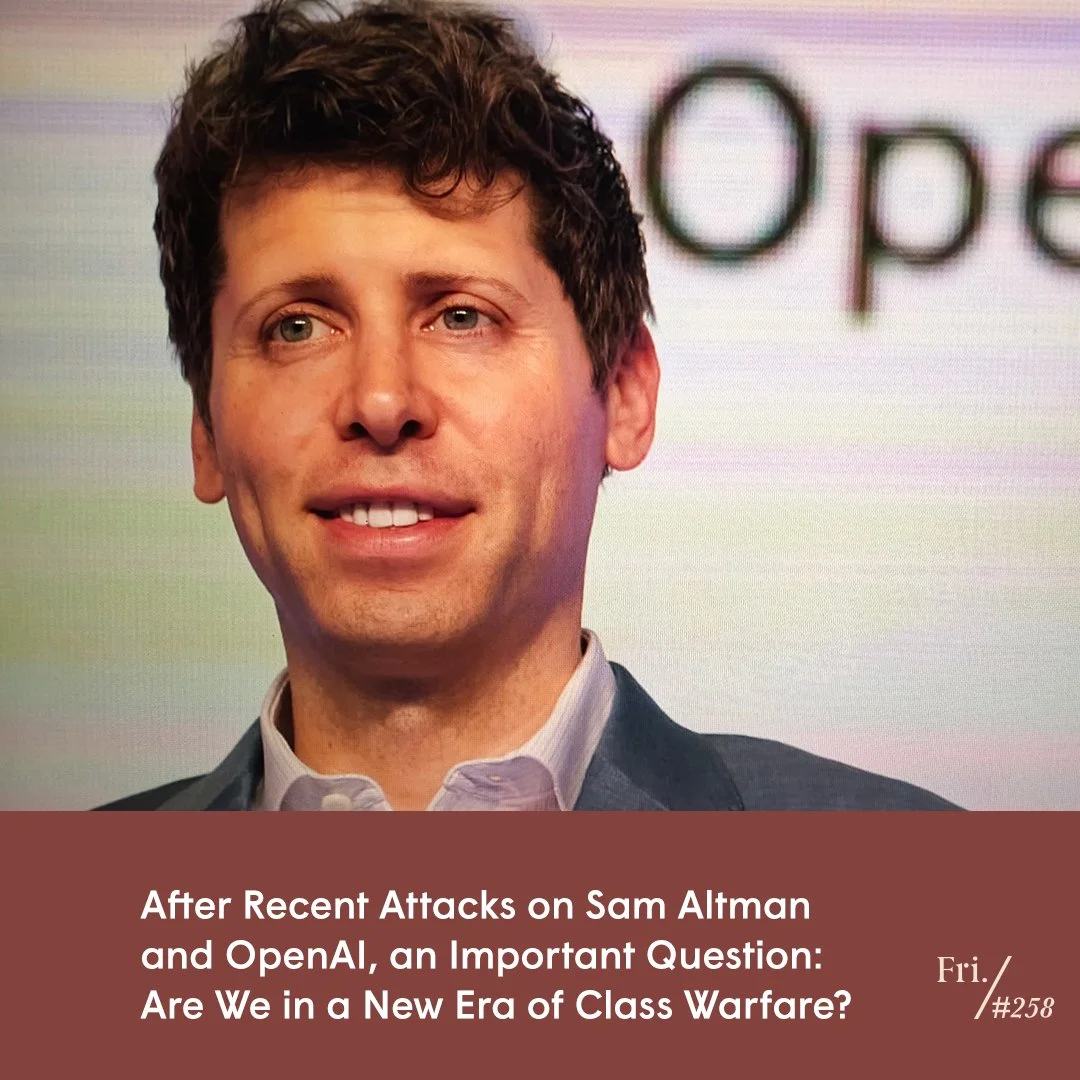
The convergence of three critical trends—public backlash against AI expansion, K-shaped economic inequality in tech hubs, and political opposition to data center infrastructure—creates a complex operating environment for cross-border e-commerce sellers in 2025-2026. According to recent polling data, 57% of registered voters believe AI risks outweigh benefits (NBC News, March 2025), while 55% expect AI to cause more harm than good in daily life (Quinnipiac University). This sentiment has escalated beyond rhetoric: OpenAI CEO Sam Altman's San Francisco mansion was targeted in an attack where a suspect allegedly threw a Molotov cocktail at his driveway gate, with prosecutors stating the crime was motivated by anti-AI sentiment. The suspect also allegedly threatened to burn down OpenAI's headquarters.
Infrastructure opposition is creating immediate operational constraints. Tech companies committed approximately $700 billion in 2025 for data center construction, but at least $156 billion in projects were blocked or delayed due to local opposition and litigation (Data Center Watch). Maine passed the first statewide data center ban, while voters in Lester, Missouri, removed city council members who supported a $6 billion data center project. This infrastructure squeeze directly impacts AI-powered e-commerce tools—product recommendation engines, dynamic pricing algorithms, and customer service automation all depend on data center capacity. Delayed infrastructure means delayed AI tool availability and higher cloud computing costs for sellers relying on these services.
Simultaneously, San Francisco's K-shaped economy creates bifurcated consumer markets. The Wall Street Journal (April 18, 2026) documents how AI industry winners experience rapid wealth accumulation through equity stakes, while middle and lower-income residents face declining purchasing power and housing affordability crises. This creates two distinct seller opportunities: luxury goods targeting AI wealth winners (high-margin, low-volume) and value-oriented products for economically stressed segments (high-volume, margin compression). The "gold-rush city's vibe has turned angry," indicating deteriorating social cohesion that may influence consumer spending patterns and policy decisions affecting taxation, business operations, and regulatory environments in California and beyond.
For sellers, this creates three immediate challenges: (1) AI tool cost inflation from infrastructure constraints and reduced venture capital availability for fintech/logistics startups; (2) consumer demand bifurcation requiring separate product strategies for high-income tech workers versus economically stressed populations; (3) policy uncertainty as AI becomes a central campaign issue during midterm elections, with OpenAI CEO Altman proposing public wealth funds, four-day workweeks, and automation-focused tax changes that could reshape business costs and labor availability. Workers are also rebelling against being forced to train their AI replacements, creating labor movement pressure that may increase hiring costs for e-commerce operations.
Questions 8
How should sellers position products for the anti-AI consumer sentiment?
With 57% of voters opposing AI expansion, sellers can differentiate by emphasizing human-made, locally-sourced, or ethically-produced products. Create marketing narratives highlighting human craftsmanship, transparent supply chains, and minimal automation. This resonates particularly with lower-income segments experiencing economic anxiety. Conversely, luxury segments targeting AI wealth winners may embrace AI-optimized products (smart home devices, productivity tools). Use Amazon A+ content and product descriptions to explicitly address manufacturing transparency and human involvement. Test messaging emphasizing 'human-made' or 'artisan-crafted' in Q1 2025 to measure conversion lift.
What immediate actions should sellers take to prepare for policy uncertainty?
First, audit your AI tool usage and cloud computing costs by January 31, 2025—identify which tools are mission-critical versus optional. Second, lock in multi-year pricing agreements with AI tool providers before Q2 2025 when cost pressures accelerate. Third, develop contingency plans for 20-30% increases in cloud computing and labor costs. Fourth, monitor state-level AI regulation (particularly California, Maine, and Missouri) and prepare compliance documentation. Fifth, diversify your seller presence across multiple marketplaces to reduce exposure to platform-specific AI policy changes. Allocate 5-10 hours weekly to policy monitoring through 2026.