


State Warehouse Automation Failure Creates 3-Week Delays | Seller Sourcing Opportunity
- Mississippi ABC distribution system experiences 21-day fulfillment delays after system upgrade; creates immediate sourcing gaps for beverage retailers and hospitality businesses across state






Overview
Mississippi's state-run alcohol distribution system has experienced catastrophic operational disruptions since January 2025-2026, creating a critical case study in warehouse automation failure and supply chain vulnerability. The Mississippi Alcoholic Beverage Control (ABC) Division—the state's sole alcohol distributor—contracted Ruan Transportation Management Systems (Iowa-based logistics provider) to operate its primary warehouse north of Jackson. Beginning January 2025, implementation of a new conveyor belt filling system triggered severe delays, extending order fulfillment from normal processing to 21+ days, directly impacting Valentine's Day and Mardi Gras peak sales periods.
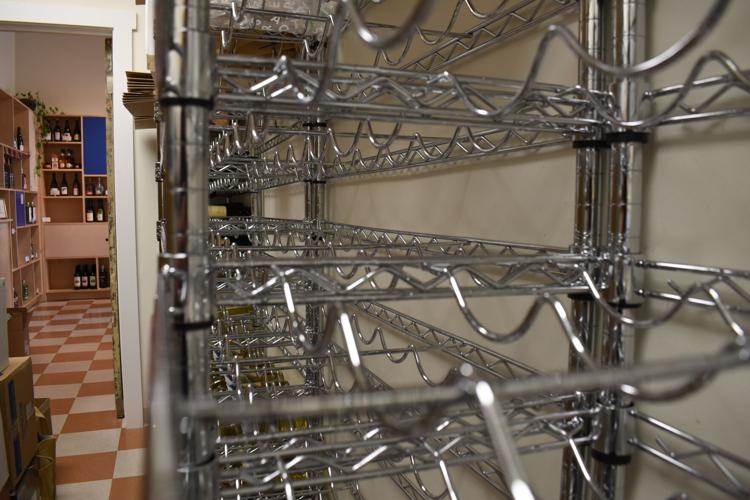
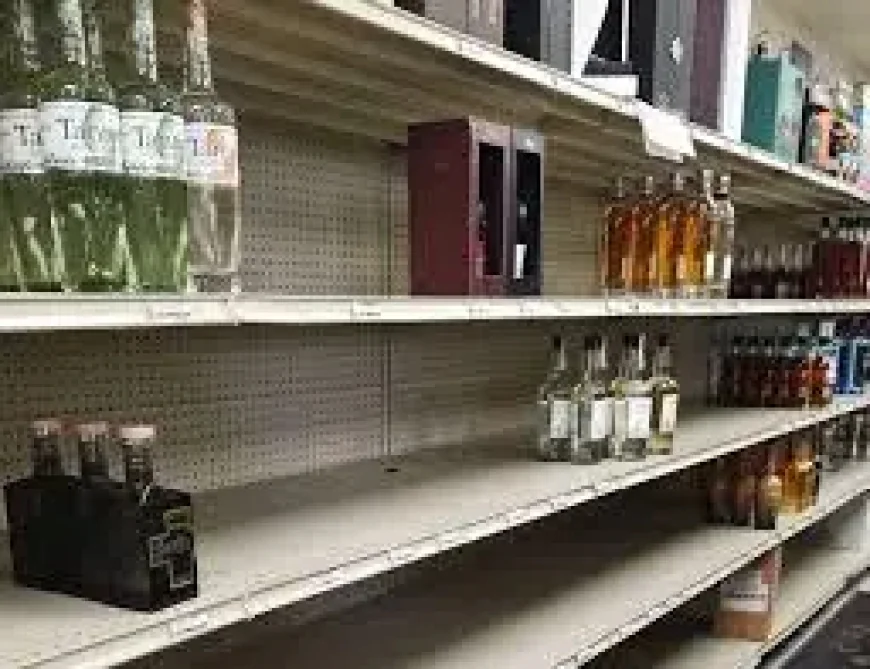
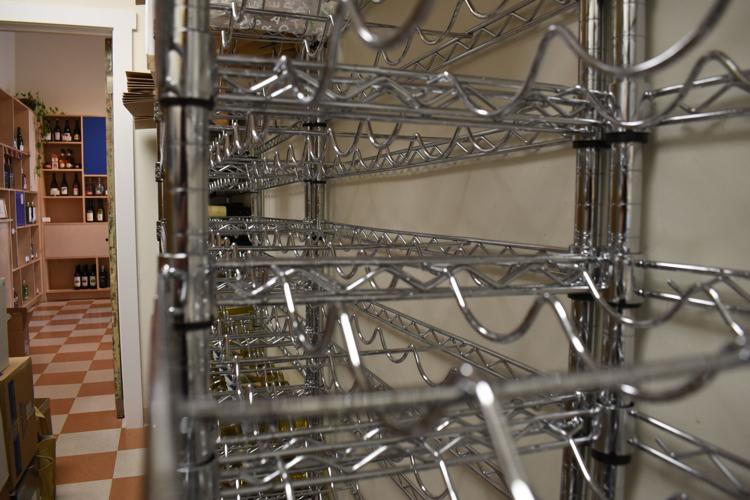
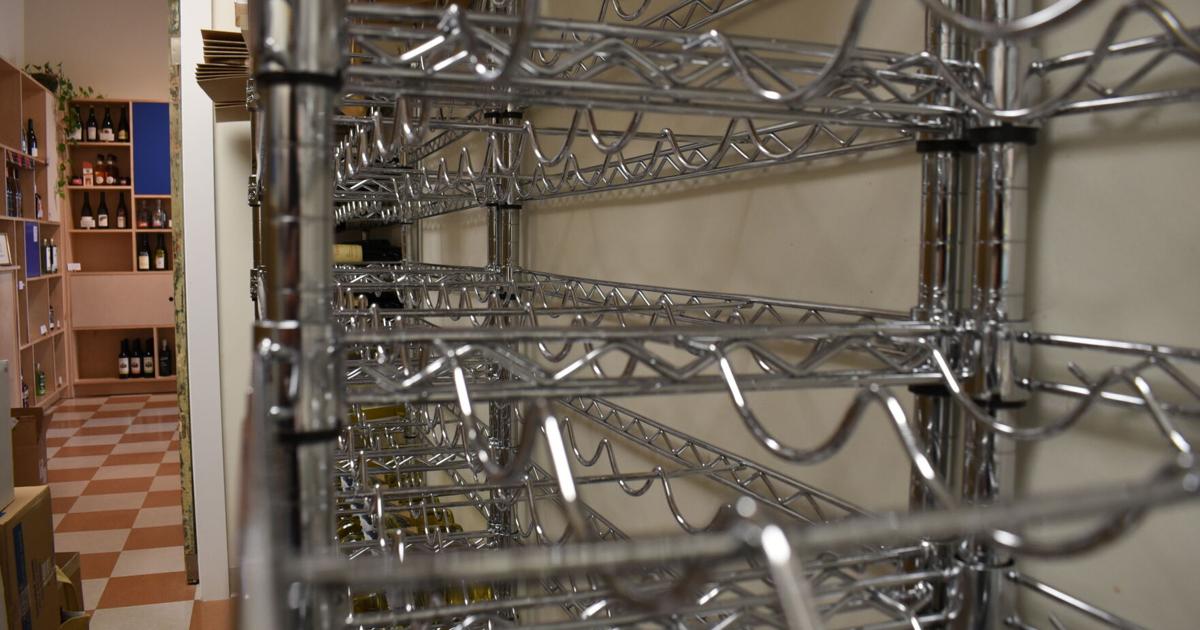
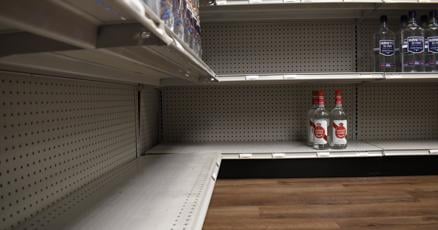
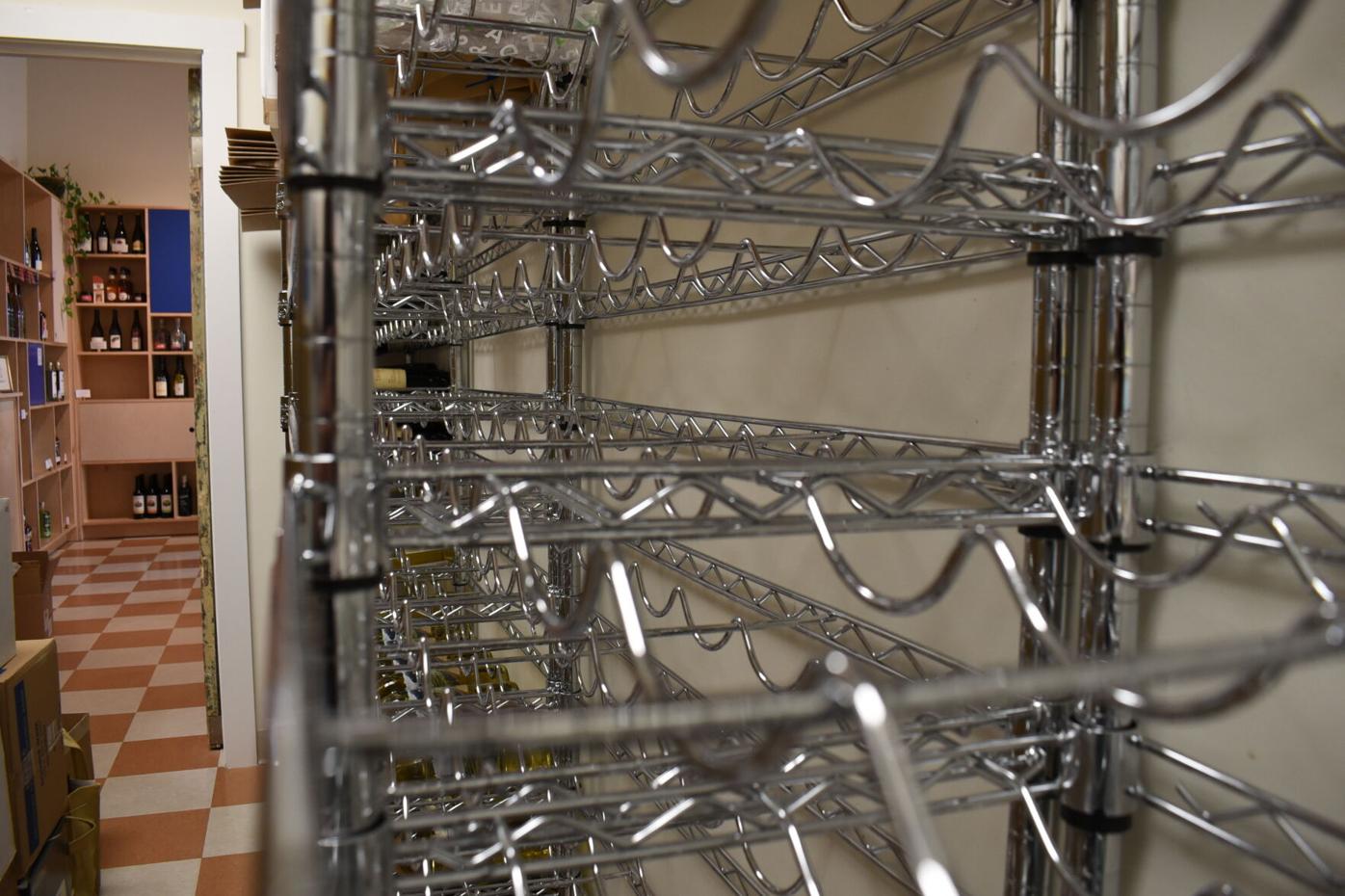
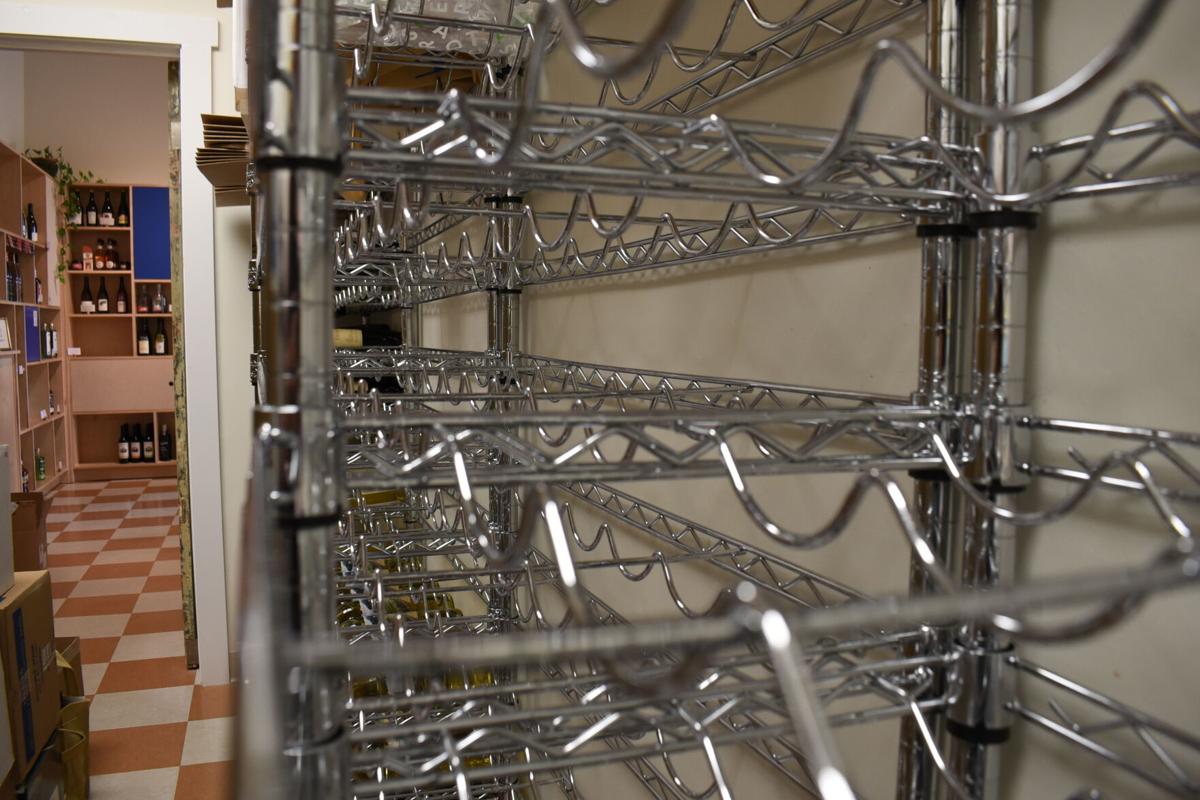
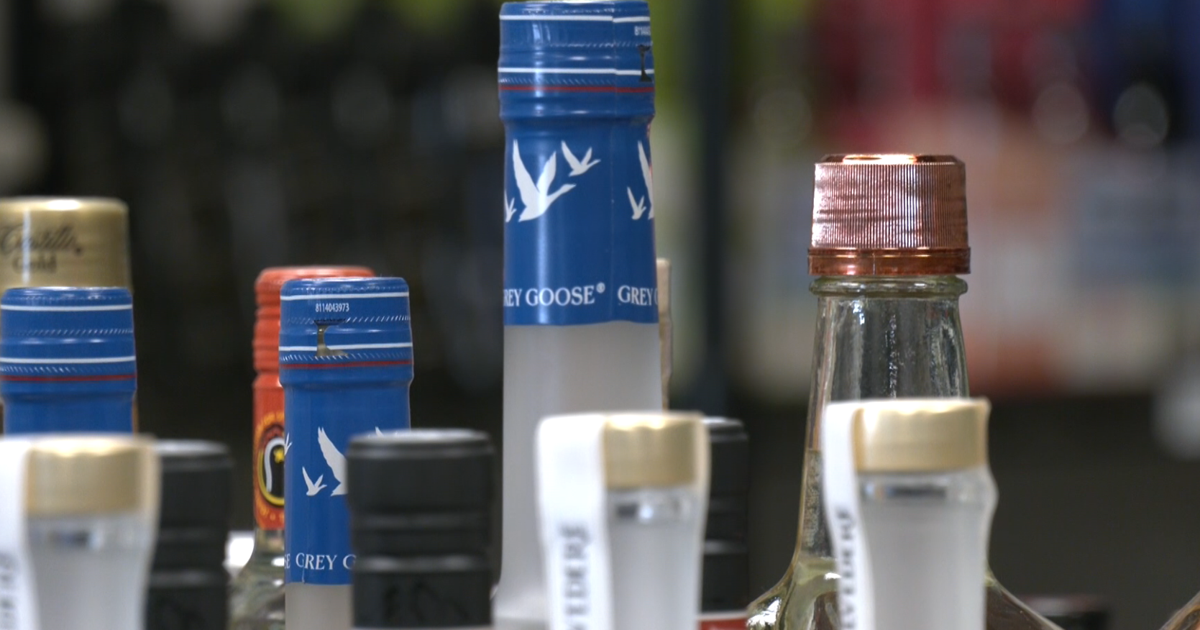
The operational impact is quantifiable and severe: At least four Mississippi liquor retailers filed lawsuits, including Rosetti's Liquor Barrel claiming breach of contract. Anne Marie Smith, operations manager at Raines Cellars in Flora, Mississippi, documented the failure: she ordered Titos vodka on March 28, 2026, receiving shipment notification nearly three weeks later. Business owners report bare shelves, forced overordering to secure minimal stock, and lost revenue during critical seasonal windows. The state is constructing a $55 million replacement warehouse with double current capacity, expected to resolve constraints long-term, but resolution timelines extend through year-end 2025 with no guaranteed completion date.
For cross-border sellers and beverage distributors, this creates immediate sourcing and inventory opportunities: The 21-day fulfillment gap represents a critical supply shortage window affecting independent liquor retailers, wine shops, restaurants, and bars throughout Mississippi. Sellers positioned to supply alternative beverage products—premium spirits, craft beverages, wine, beer, and mixers—can capture market share from retailers unable to fulfill customer orders through state distribution. The crisis demonstrates how centralized distribution models create single-point-of-failure risk, making private suppliers and alternative distribution channels suddenly attractive. Sellers should immediately identify Mississippi-based hospitality and retail buyers facing inventory shortages and position direct-to-retailer fulfillment models as alternatives to state ABC distribution.
Warehouse automation failure also signals broader logistics risk: The incident highlights dangers of legacy infrastructure modernization without contingency planning. Ruan cited aging infrastructure and software issues requiring extensive downtime, yet implementation proceeded without backup systems. This pattern—infrastructure upgrade causing operational collapse—repeats across state and federal distribution systems. Sellers relying on centralized government distribution channels should diversify sourcing immediately and consider private logistics partnerships as risk mitigation.
Questions 8
How does the Mississippi ABC failure impact 3PL provider selection for beverage logistics?
The Ruan Transportation lawsuit establishes new accountability standards for 3PL providers managing state-level distribution contracts. Ruan failed to guarantee timely order fulfillment during system modernization, triggering breach-of-contract lawsuits from retailers. This precedent means logistics providers must now contractually commit to service level agreements (SLAs) with specific fulfillment timelines, even during infrastructure upgrades. Providers implementing warehouse automation must maintain parallel legacy systems or accept liability for delays. For sellers evaluating 3PL partners, the Mississippi case demonstrates importance of: (1) explicit SLA guarantees with penalty clauses; (2) contingency planning documentation; (3) backup fulfillment capacity; (4) transparent communication during system transitions. Providers without these protections face litigation risk similar to Ruan's experience.
What inventory strategy should Mississippi retailers adopt during the ABC distribution crisis?
Mississippi retailers facing 21-day ABC fulfillment delays should immediately implement three strategies: (1) **Diversify sourcing** by establishing direct relationships with alternative beverage suppliers and private logistics providers to reduce dependence on state ABC distribution; (2) **Increase safety stock** of high-velocity items (premium spirits, popular brands like Titos vodka) by 30-60 days to buffer against future delays; (3) **Implement vendor-managed inventory** with alternative suppliers to maintain shelf stock without excessive capital investment. Retailers should also document lost sales during the crisis period to support potential litigation against Ruan Transportation and the state. The temporary shortage window (through year-end 2025) creates opportunity to establish alternative supplier relationships that may persist even after the new $55 million warehouse opens.