




Google Gemini Notebooks Free Access | AI Research Automation for E-Commerce Sellers
- Democratizes AI-powered research tools for 100M+ free users; enables sellers to automate product research, competitive analysis, and content creation workflows at zero cost starting April 2026



Overview
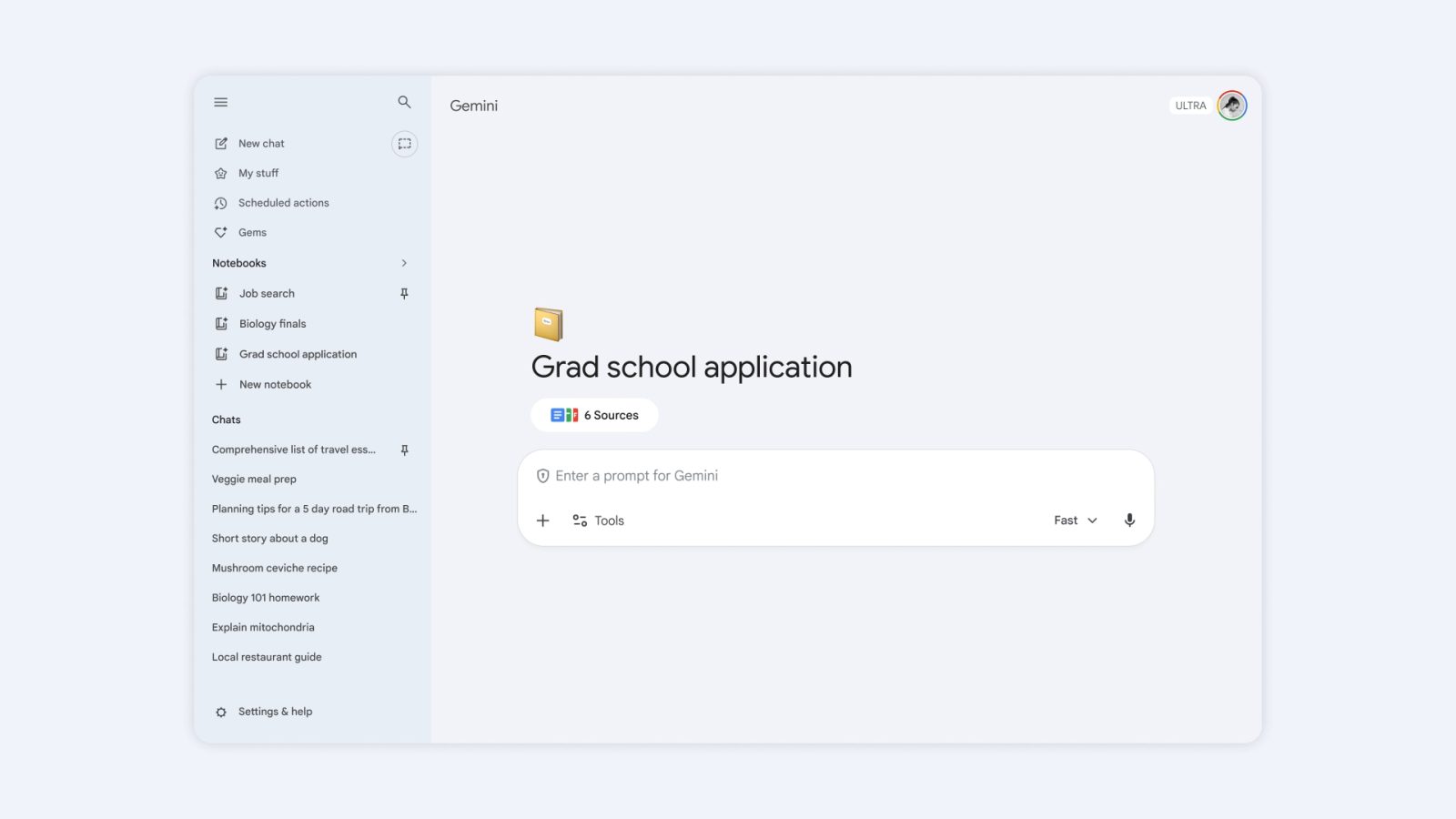
Google's April 2026 expansion of Gemini Notebooks to all free users represents a watershed moment for e-commerce seller automation. Previously locked behind paid subscriptions since early April 2026, this feature now enables sellers to consolidate research, competitive intelligence, and content creation in a single AI-powered workspace accessible at gemini.google.com. The democratization affects an estimated 100M+ free Gemini users who can now organize up to 50 sources per notebook with full context retention across sessions—eliminating the productivity tax of starting fresh with each research query.
For e-commerce sellers, this creates immediate automation opportunities across three critical workflows. First, product research acceleration: Sellers can now use Gemini Notebooks to consolidate competitor listings, customer reviews, and market trend data in one searchable workspace. The AI context retention means follow-up queries automatically reference all stored sources, reducing research time from 4-6 hours weekly to 1-2 hours. Second, content creation at scale: The integration with NotebookLM enables sellers to generate Video Overviews and Infographics directly from notebook sources—automating the creation of product descriptions, comparison guides, and marketing collateral that typically require 3-5 hours per product. Third, competitive intelligence: Sellers can maintain real-time notebooks tracking competitor pricing, promotional strategies, and inventory changes, with Gemini's AI automatically surfacing patterns and anomalies across 50+ data sources.
The tiered source architecture creates a clear monetization funnel for Google while enabling seller segmentation. Free users access 50 sources per notebook; AI Plus subscribers get 100; Pro tier users access 300; Ultra subscribers receive 600 sources. This structure directly targets small-to-medium sellers (SMBs) with the free tier while incentivizing scaling sellers to upgrade. For sellers managing 5-10 product lines, the 50-source limit covers basic competitive analysis; sellers managing 50+ SKUs will quickly hit the ceiling and upgrade to AI Plus ($20/month), generating predictable recurring revenue. The phased rollout—web access now, mobile and Mac apps "in coming weeks"—suggests Google is monitoring adoption patterns before full ecosystem integration, likely planning deeper integration with Google Shopping, Merchant Center, and Analytics.
The competitive positioning against ChatGPT's memory features and other AI assistants reveals a critical market gap Google is filling. ChatGPT's memory feature stores conversation history but lacks the structured project organization and source consolidation that Notebooks provide. By positioning Notebooks as a "foundational personal knowledge base" that will integrate across Google's ecosystem, Google is building switching costs for sellers who adopt the tool. Sellers who organize their entire product research, competitor tracking, and content workflows in Gemini Notebooks become locked into the Google ecosystem—making them more likely to use Google Shopping, Merchant Center, and Google Ads for their e-commerce operations. This ecosystem lock-in strategy directly competes with Amazon's seller tools and Shopify's app ecosystem.
Questions 8
When will Gemini Notebooks be available on mobile and Mac applications?
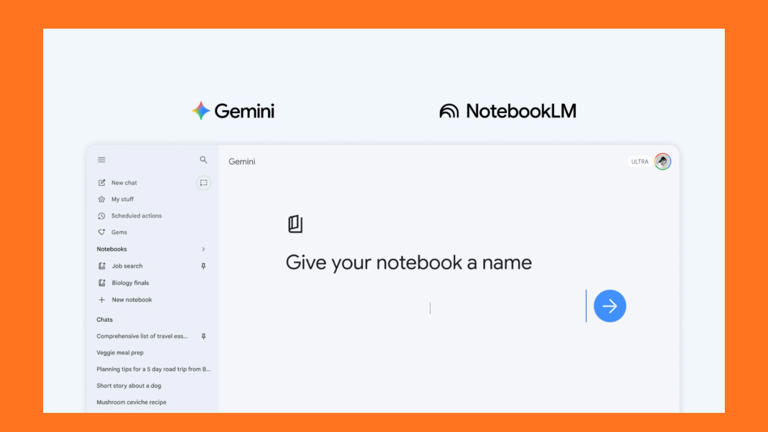
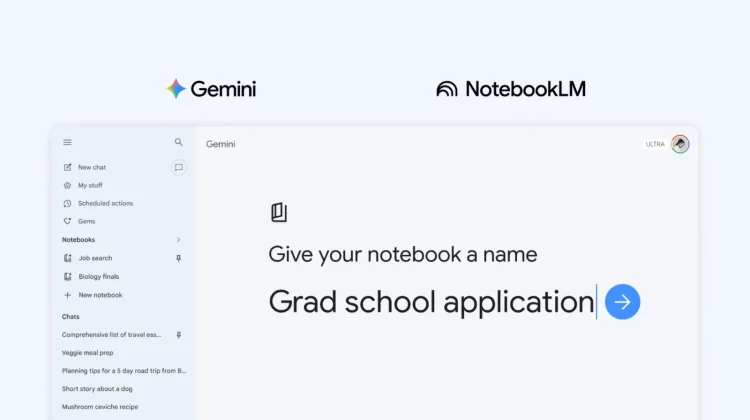
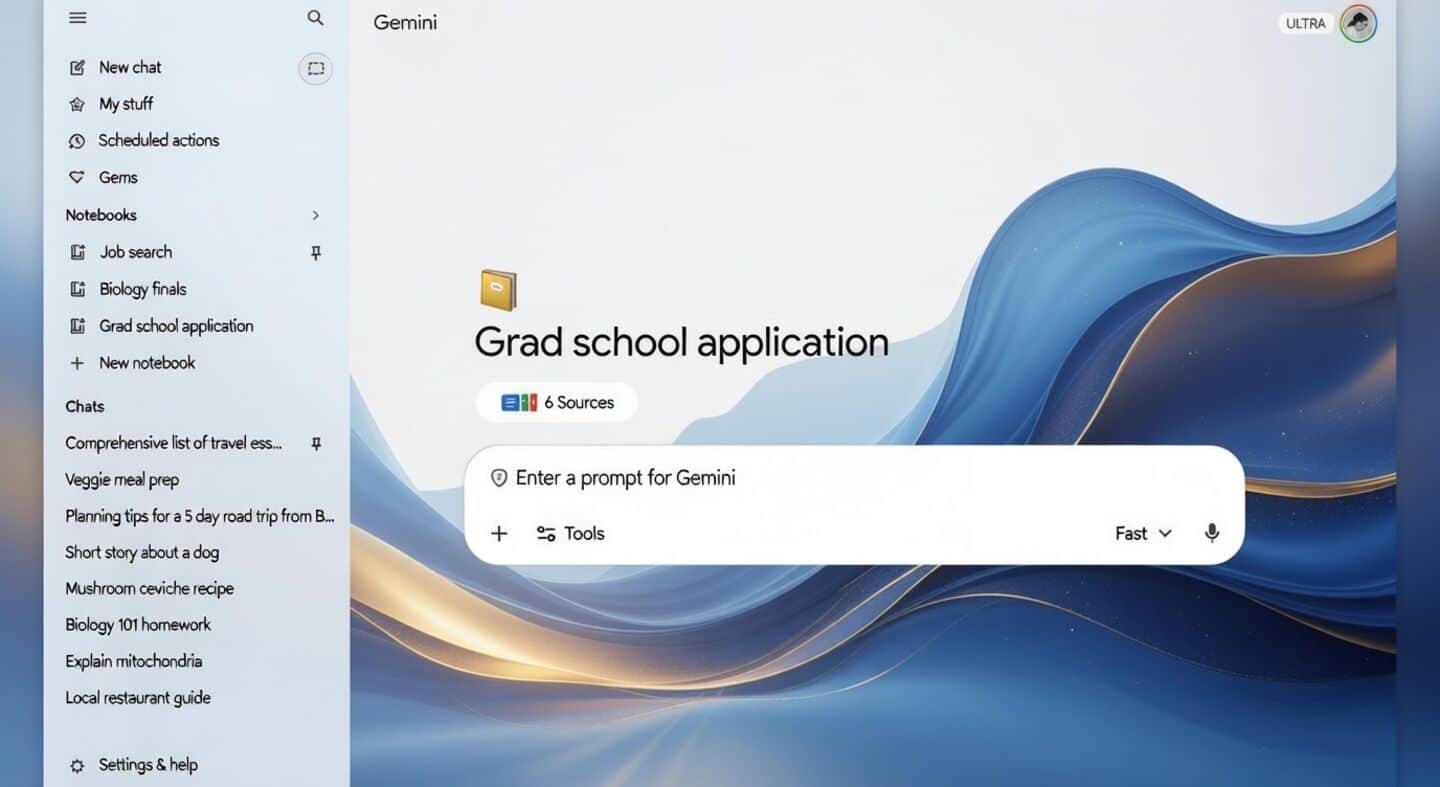
Google announced that Notebooks will extend to mobile devices and Mac applications in the coming weeks following the April 18, 2026 web launch. This phased deployment approach allows Google to monitor performance and user adoption before full platform-wide availability. The current availability is limited to web access at gemini.google.com, with the Notebooks section positioned above Gems and Chats sections in the left panel. Sellers should expect mobile and Mac integration within 4-8 weeks of the April 2026 announcement, enabling cross-device synchronization and real-time collaboration on notebooks.
How does the notebook memory setting affect seller workflows?
The notebook memory setting enables Gemini to retain contextual information about user preferences and priorities across sessions. Sellers can disable this setting for privacy control if needed. When enabled, the memory feature allows Gemini to understand seller-specific research priorities, preferred data sources, and analysis frameworks—enabling increasingly personalized and efficient research assistance over time. This contextual retention eliminates the need to re-explain research goals with each session, reducing the time required to get relevant results from 10-15 minutes per query to 2-3 minutes. The feature is accessible through custom instructions and can be toggled on or off based on seller preferences.