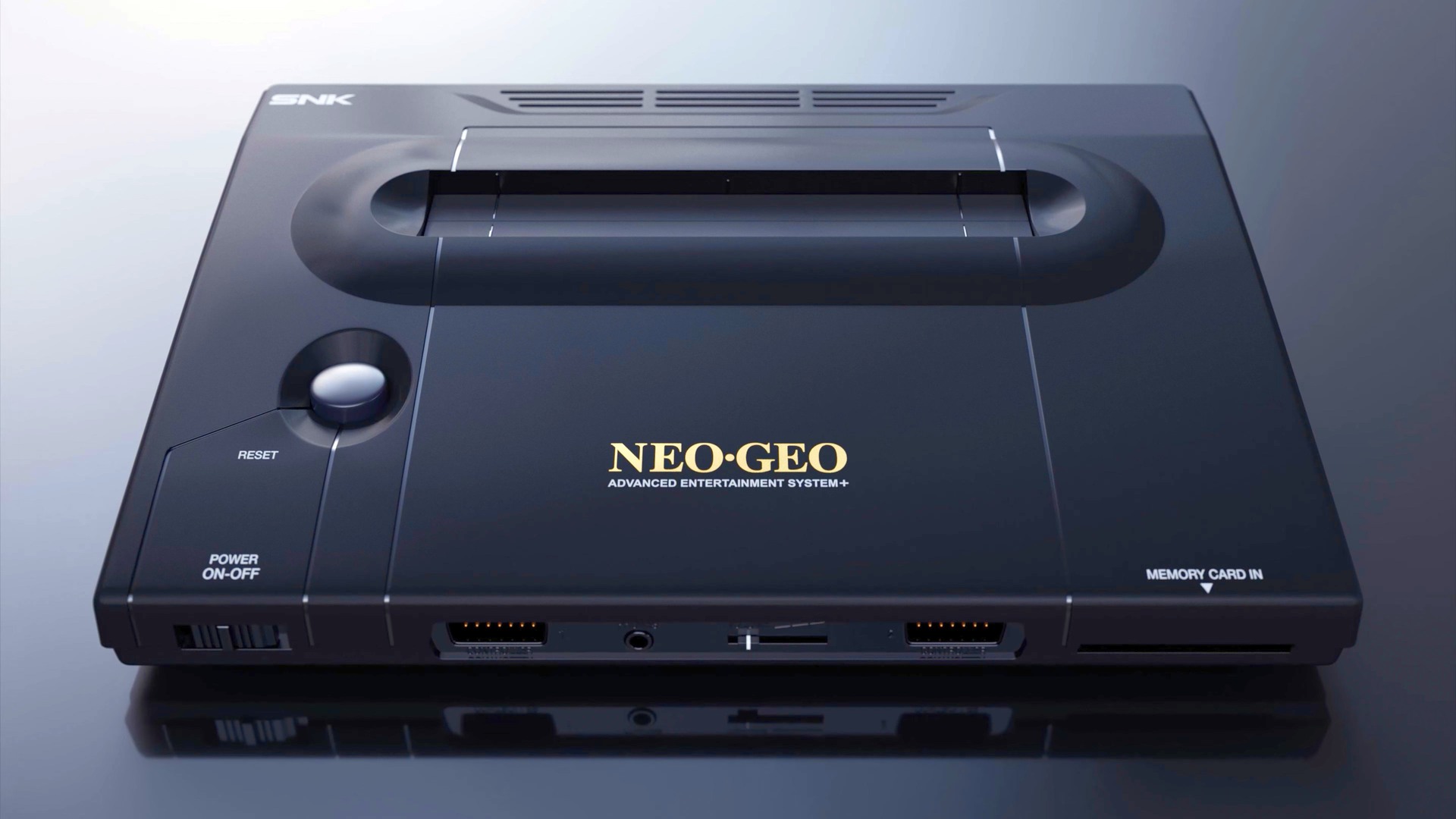
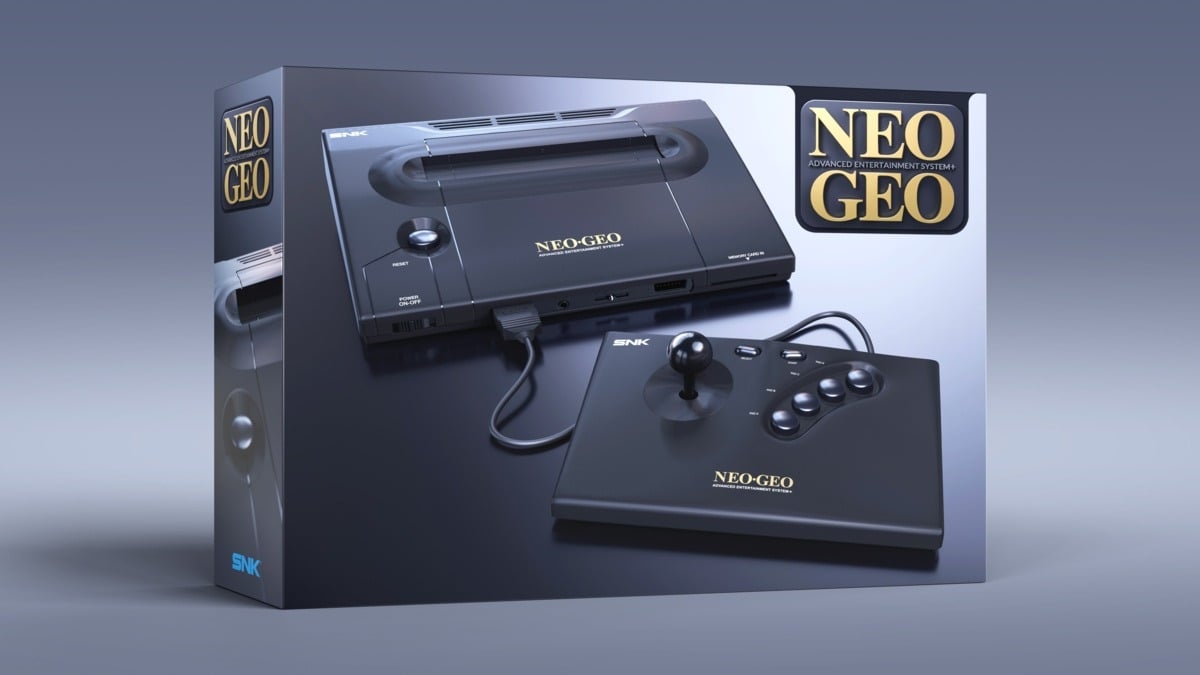


SNK's Neo Geo Advanced Entertainment System (AES) remake represents a critical inflection point in the retro gaming market, which has grown substantially following successful Nintendo (NES Classic, SNES Classic) and Sega remakes. The November 12 launch with two hardware tiers ($249.99 standard black edition, $349.99 35th anniversary white edition) targets collectors and nostalgic consumers aged 35-55 with disposable income—a demographic that historically demonstrates strong purchasing power and brand loyalty. The HDMI upgrade addressing 1080p resolution compatibility solves a critical pain point for integrating legacy hardware with modern television systems, while backward compatibility with original Neo Geo cartridges provides competitive advantage over emulation alternatives.
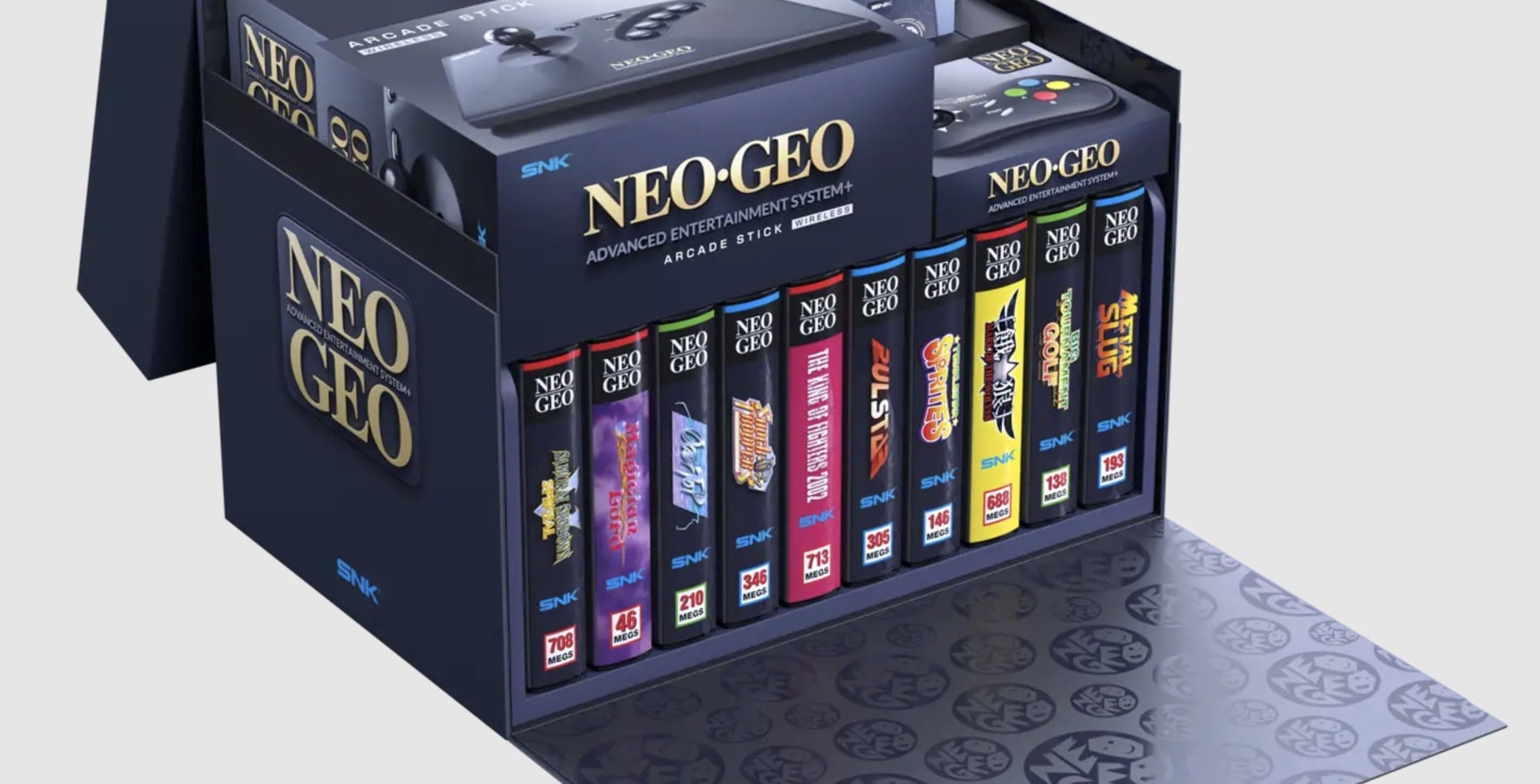
E-commerce sellers face significant product opportunity expansion. The bundle strategy combining hardware, exclusive cartridges (Metal Slug, The King of Fighters 2002 at $89.99 each), arcade sticks, and memory cards creates multiple revenue streams and increases average transaction value. Plaion's simultaneous release of ten modernized game cartridges signals recurring revenue potential beyond initial hardware sales. For Amazon, eBay, and Shopify sellers, this launch validates the retro gaming collectibles category as a sustained growth segment rather than nostalgia-driven novelty. The original Neo Geo AES launched at $649.99 in the 1990s; the remake's 62% price reduction dramatically expands addressable market size while maintaining premium positioning through limited-edition bundles and exclusive cartridge releases.
Seasonal timing amplifies seller opportunity. The November 12 shipping date positions the product directly in holiday gift-giving season (November-December peak spending), capitalizing on year-end consumer spending patterns. Sellers should anticipate demand spikes for complementary products: protective cases, display stands, HDMI cables, arcade stick accessories, and original cartridge bundles. The fighting game community's particular affinity for Neo Geo creates niche marketing opportunities through gaming forums, Twitch streamers, and esports-adjacent audiences. Backward compatibility with original cartridges creates secondary market dynamics—sellers can source and resell vintage cartridges at premium prices to collectors seeking authentic hardware experiences. The memory card feature for high-score retention appeals to competitive players and speedrunners, opening opportunities for gaming guides, tournament merchandise, and community-driven content monetization.
SNK's Neo Geo AES remake is a modernized version of the legendary 1990s arcade console, priced at $249.99-$349.99 compared to the original $649.99 launch price. The remake adds HDMI output supporting 1080p resolution, DIP switches for language/display modes, overclocking options, permanent high-score memory card retention, and low-power usage mode while maintaining legacy AV output for CRT displays. Critically, it retains full backward compatibility with original Neo Geo cartridges, allowing collectors to use their existing game libraries. This 62% price reduction combined with modern connectivity makes the console accessible to a broader demographic while preserving authentic hardware experiences that emulation cannot replicate.
The November 12 shipping date positions the Neo Geo remake directly in the holiday gift-giving season (November-December), when consumer spending peaks and year-end purchasing accelerates. This timing capitalizes on gift-buying occasions for collectors aged 35-55 with disposable income. For sellers on Amazon, eBay, and Shopify, this creates immediate demand spikes for the hardware bundles ($249.99-$349.99 editions) plus complementary products: protective cases, display stands, HDMI cables, arcade stick accessories, and the ten modernized game cartridges at $89.99 each. Historical data from Nintendo's NES/SNES Classic launches shows similar holiday-season products generate 40-60% of annual revenue in Q4, making this launch window critical for inventory planning and marketing campaigns.
The November 12 launch requires immediate inventory planning for peak holiday demand. Sellers should pre-order stock by October 15 to ensure November-December availability, as retro gaming hardware typically experiences 40-60% of annual sales in Q4. The two-tier pricing ($249.99 standard, $349.99 limited edition) requires separate inventory tracking and demand forecasting—limited editions typically sell 30-40% faster than standard versions. Sellers should stock complementary products (cases, cables, stands) at 1.5-2x the ratio of hardware units, as accessory attachment rates for gaming hardware average 60-75%. Supply chain considerations include managing pre-order fulfillment by November 12, coordinating with Plaion for cartridge inventory, and planning for potential stock-outs during peak holiday weeks (November 20-December 15). International sellers should verify import duties and customs documentation for hardware shipments, as gaming consoles may face tariff classifications varying by destination country. Logistics partners should be notified of peak volume expectations 30 days in advance to secure shipping capacity.
SNK's Neo Geo remake follows proven success patterns from Nintendo's NES Classic ($59.99, 30M+ units sold) and SNES Classic ($79.99, 5M+ units sold) and Sega Genesis Mini ($79.99). However, the Neo Geo positions itself as a premium collectible rather than mass-market nostalgia product—the $249.99-$349.99 pricing targets serious collectors rather than casual consumers. Unlike Nintendo's limited production runs that created artificial scarcity, SNK emphasizes backward compatibility with original cartridges, creating a sustainable ecosystem rather than a one-time purchase. The fighting game community's particular affinity for Neo Geo (versus Nintendo's broader casual appeal) creates niche but high-value customer segments. Sega's approach emphasized licensed game libraries; SNK emphasizes hardware authenticity and community heritage. For sellers, this means the Neo Geo market is smaller but higher-margin than Nintendo's mass-market approach, with stronger recurring revenue potential through cartridge sales. Competitive positioning should emphasize authenticity, community, and premium quality rather than competing on price with mass-market alternatives.
The primary target demographic is collectors and nostalgic consumers aged 35-55 with purchasing power—individuals who experienced the original Neo Geo in arcades or owned the $649.99 AES console in the 1990s. This demographic demonstrates strong brand loyalty, values authentic hardware experiences, and has disposable income for premium collectibles. Secondary audiences include fighting game community members (Street Fighter, Samurai Shodown enthusiasts), esports-adjacent viewers, and Twitch streamers who appeal to gaming audiences. Marketing strategies should emphasize nostalgia, authenticity, and community heritage rather than technical specifications. Bundle pricing ($349.99 35th anniversary edition with arcade stick and Metal Slug cartridge) appeals to this demographic's willingness to pay premium prices for limited-edition, exclusive products. Cross-platform marketing through gaming forums, Discord communities, and esports channels reaches these audiences more effectively than traditional retail advertising.
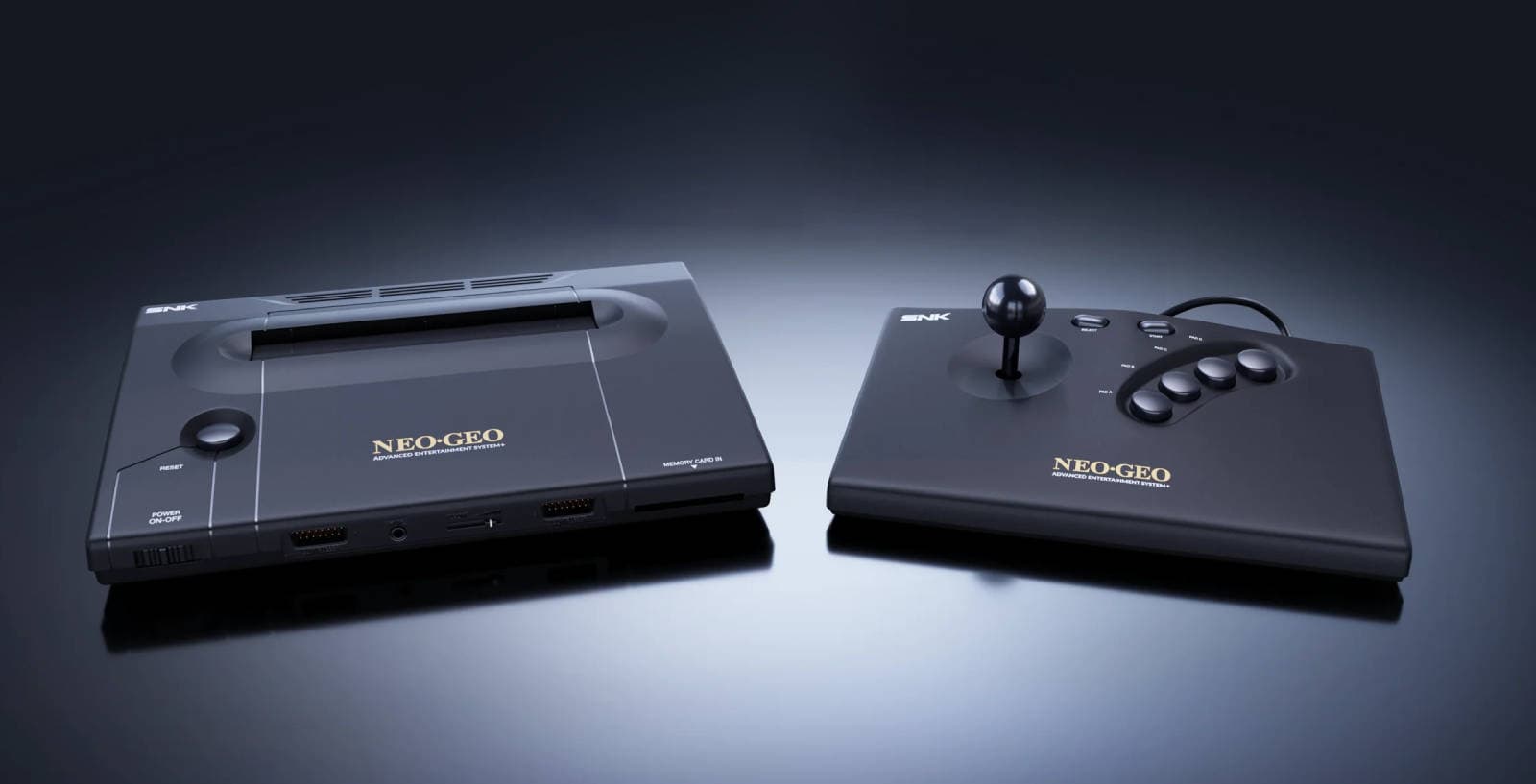
SNK's bundle strategy combines hardware, exclusive cartridges, arcade sticks, and memory cards to increase average transaction value and create multiple revenue streams. The 35th anniversary edition at $349.99 includes the console, arcade stick, limited-edition Metal Slug cartridge, and memory card—bundling products that would cost $450+ if purchased separately. This creates perceived value while maintaining margin. For sellers, bundling strategies increase average order value by 25-40% compared to single-product sales. Plaion's simultaneous release of ten modernized cartridges at $89.99 each creates recurring revenue beyond initial hardware purchases. Sellers can replicate this model by creating complementary bundles: console + protective case + HDMI cables + game cartridge packs. Historical data from Nintendo's Classic console launches shows bundle buyers spend 35-50% more on accessories and additional cartridges within 90 days of purchase, making bundle strategies critical for maximizing customer lifetime value.
Beyond the console hardware itself, sellers can capitalize on complementary product categories: gaming accessories (arcade stick upgrades, controller extensions), protective equipment (console cases, dust covers, display stands), connectivity solutions (HDMI cables, AV adapters), and content (game cartridge bundles, strategy guides, tournament merchandise). The fighting game community's particular affinity for Neo Geo creates niche opportunities in esports-adjacent merchandise, Twitch streamer bundles, and gaming community content. Secondary market opportunities exist for vintage original cartridges—sellers can source and resell authentic 1990s games at premium prices to collectors seeking complete libraries. Memory card accessories and high-score tracking merchandise appeal to competitive players and speedrunners, opening opportunities for gaming guides and community-driven content monetization.
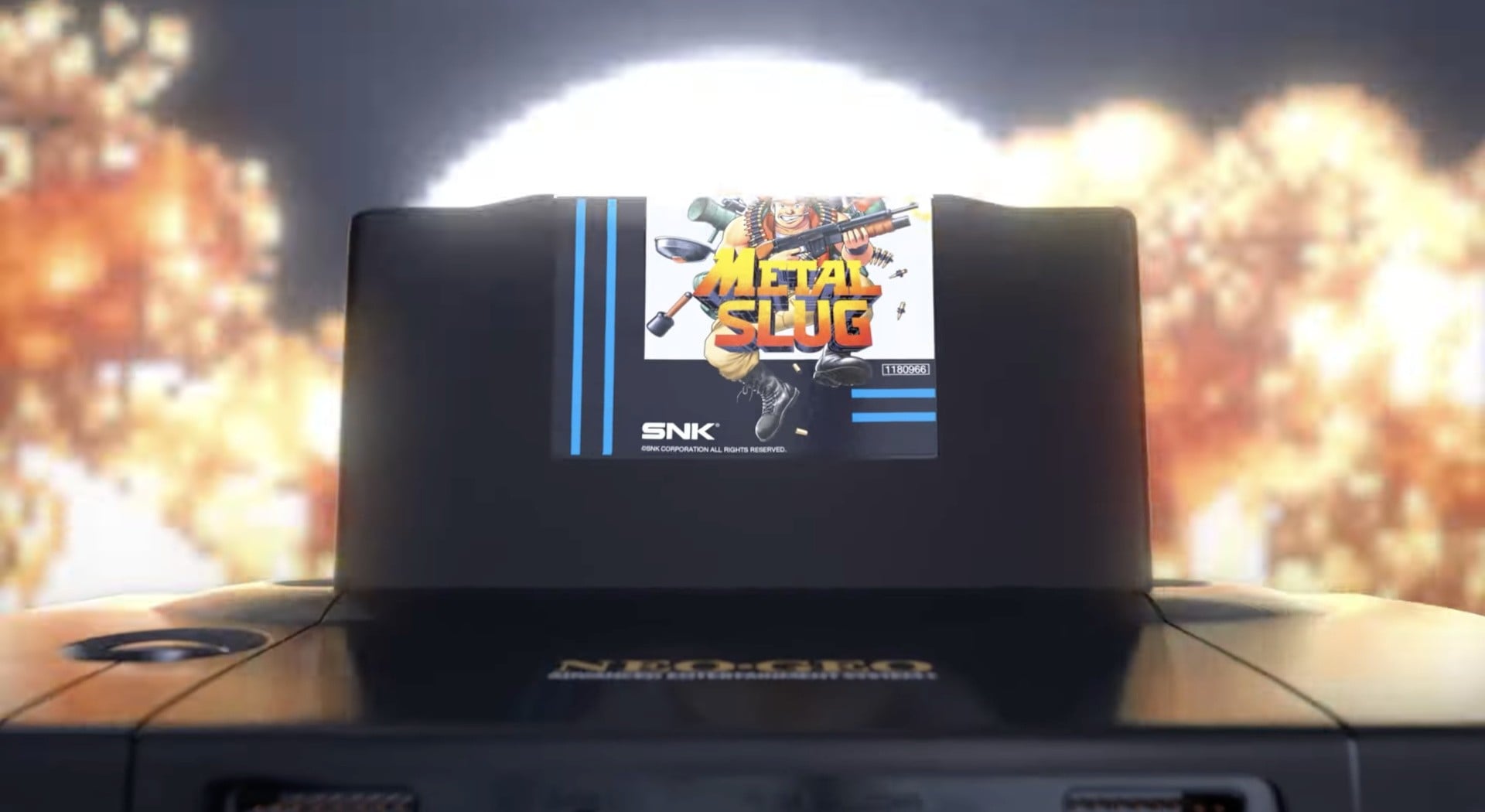
The Neo Geo remake's backward compatibility with original cartridges provides significant competitive advantage over emulation alternatives because collectors value authentic hardware experiences. This feature creates a secondary market for vintage cartridges—sellers can source 1990s Neo Geo games and resell them at premium prices to buyers who now have compatible hardware. Unlike emulation, which requires no physical media, backward compatibility drives recurring revenue through cartridge sales at $89.99 each. Plaion's simultaneous release of ten modernized cartridges (Metal Slug, The King of Fighters 2002) demonstrates this recurring revenue model. For sellers, this means inventory opportunities extend beyond the initial hardware purchase into ongoing cartridge sales, creating sustained customer engagement and higher lifetime value per buyer.
SNK's Neo Geo AES remake is a modernized version of the legendary 1990s arcade console, priced at $249.99-$349.99 compared to the original $649.99 launch price. The remake adds HDMI output supporting 1080p resolution, DIP switches for language/display modes, overclocking options, permanent high-score memory card retention, and low-power usage mode while maintaining legacy AV output for CRT displays. Critically, it retains full backward compatibility with original Neo Geo cartridges, allowing collectors to use their existing game libraries. This 62% price reduction combined with modern connectivity makes the console accessible to a broader demographic while preserving authentic hardware experiences that emulation cannot replicate.
The November 12 shipping date positions the Neo Geo remake directly in the holiday gift-giving season (November-December), when consumer spending peaks and year-end purchasing accelerates. This timing capitalizes on gift-buying occasions for collectors aged 35-55 with disposable income. For sellers on Amazon, eBay, and Shopify, this creates immediate demand spikes for the hardware bundles ($249.99-$349.99 editions) plus complementary products: protective cases, display stands, HDMI cables, arcade stick accessories, and the ten modernized game cartridges at $89.99 each. Historical data from Nintendo's NES/SNES Classic launches shows similar holiday-season products generate 40-60% of annual revenue in Q4, making this launch window critical for inventory planning and marketing campaigns.
The November 12 launch requires immediate inventory planning for peak holiday demand. Sellers should pre-order stock by October 15 to ensure November-December availability, as retro gaming hardware typically experiences 40-60% of annual sales in Q4. The two-tier pricing ($249.99 standard, $349.99 limited edition) requires separate inventory tracking and demand forecasting—limited editions typically sell 30-40% faster than standard versions. Sellers should stock complementary products (cases, cables, stands) at 1.5-2x the ratio of hardware units, as accessory attachment rates for gaming hardware average 60-75%. Supply chain considerations include managing pre-order fulfillment by November 12, coordinating with Plaion for cartridge inventory, and planning for potential stock-outs during peak holiday weeks (November 20-December 15). International sellers should verify import duties and customs documentation for hardware shipments, as gaming consoles may face tariff classifications varying by destination country. Logistics partners should be notified of peak volume expectations 30 days in advance to secure shipping capacity.
SNK's Neo Geo remake follows proven success patterns from Nintendo's NES Classic ($59.99, 30M+ units sold) and SNES Classic ($79.99, 5M+ units sold) and Sega Genesis Mini ($79.99). However, the Neo Geo positions itself as a premium collectible rather than mass-market nostalgia product—the $249.99-$349.99 pricing targets serious collectors rather than casual consumers. Unlike Nintendo's limited production runs that created artificial scarcity, SNK emphasizes backward compatibility with original cartridges, creating a sustainable ecosystem rather than a one-time purchase. The fighting game community's particular affinity for Neo Geo (versus Nintendo's broader casual appeal) creates niche but high-value customer segments. Sega's approach emphasized licensed game libraries; SNK emphasizes hardware authenticity and community heritage. For sellers, this means the Neo Geo market is smaller but higher-margin than Nintendo's mass-market approach, with stronger recurring revenue potential through cartridge sales. Competitive positioning should emphasize authenticity, community, and premium quality rather than competing on price with mass-market alternatives.
The primary target demographic is collectors and nostalgic consumers aged 35-55 with purchasing power—individuals who experienced the original Neo Geo in arcades or owned the $649.99 AES console in the 1990s. This demographic demonstrates strong brand loyalty, values authentic hardware experiences, and has disposable income for premium collectibles. Secondary audiences include fighting game community members (Street Fighter, Samurai Shodown enthusiasts), esports-adjacent viewers, and Twitch streamers who appeal to gaming audiences. Marketing strategies should emphasize nostalgia, authenticity, and community heritage rather than technical specifications. Bundle pricing ($349.99 35th anniversary edition with arcade stick and Metal Slug cartridge) appeals to this demographic's willingness to pay premium prices for limited-edition, exclusive products. Cross-platform marketing through gaming forums, Discord communities, and esports channels reaches these audiences more effectively than traditional retail advertising.
SNK's bundle strategy combines hardware, exclusive cartridges, arcade sticks, and memory cards to increase average transaction value and create multiple revenue streams. The 35th anniversary edition at $349.99 includes the console, arcade stick, limited-edition Metal Slug cartridge, and memory card—bundling products that would cost $450+ if purchased separately. This creates perceived value while maintaining margin. For sellers, bundling strategies increase average order value by 25-40% compared to single-product sales. Plaion's simultaneous release of ten modernized cartridges at $89.99 each creates recurring revenue beyond initial hardware purchases. Sellers can replicate this model by creating complementary bundles: console + protective case + HDMI cables + game cartridge packs. Historical data from Nintendo's Classic console launches shows bundle buyers spend 35-50% more on accessories and additional cartridges within 90 days of purchase, making bundle strategies critical for maximizing customer lifetime value.
Beyond the console hardware itself, sellers can capitalize on complementary product categories: gaming accessories (arcade stick upgrades, controller extensions), protective equipment (console cases, dust covers, display stands), connectivity solutions (HDMI cables, AV adapters), and content (game cartridge bundles, strategy guides, tournament merchandise). The fighting game community's particular affinity for Neo Geo creates niche opportunities in esports-adjacent merchandise, Twitch streamer bundles, and gaming community content. Secondary market opportunities exist for vintage original cartridges—sellers can source and resell authentic 1990s games at premium prices to collectors seeking complete libraries. Memory card accessories and high-score tracking merchandise appeal to competitive players and speedrunners, opening opportunities for gaming guides and community-driven content monetization.
The Neo Geo remake's backward compatibility with original cartridges provides significant competitive advantage over emulation alternatives because collectors value authentic hardware experiences. This feature creates a secondary market for vintage cartridges—sellers can source 1990s Neo Geo games and resell them at premium prices to buyers who now have compatible hardware. Unlike emulation, which requires no physical media, backward compatibility drives recurring revenue through cartridge sales at $89.99 each. Plaion's simultaneous release of ten modernized cartridges (Metal Slug, The King of Fighters 2002) demonstrates this recurring revenue model. For sellers, this means inventory opportunities extend beyond the initial hardware purchase into ongoing cartridge sales, creating sustained customer engagement and higher lifetime value per buyer.
SNK's Neo Geo AES remake is a modernized version of the legendary 1990s arcade console, priced at $249.99-$349.99 compared to the original $649.99 launch price. The remake adds HDMI output supporting 1080p resolution, DIP switches for language/display modes, overclocking options, permanent high-score memory card retention, and low-power usage mode while maintaining legacy AV output for CRT displays. Critically, it retains full backward compatibility with original Neo Geo cartridges, allowing collectors to use their existing game libraries. This 62% price reduction combined with modern connectivity makes the console accessible to a broader demographic while preserving authentic hardware experiences that emulation cannot replicate.
The November 12 shipping date positions the Neo Geo remake directly in the holiday gift-giving season (November-December), when consumer spending peaks and year-end purchasing accelerates. This timing capitalizes on gift-buying occasions for collectors aged 35-55 with disposable income. For sellers on Amazon, eBay, and Shopify, this creates immediate demand spikes for the hardware bundles ($249.99-$349.99 editions) plus complementary products: protective cases, display stands, HDMI cables, arcade stick accessories, and the ten modernized game cartridges at $89.99 each. Historical data from Nintendo's NES/SNES Classic launches shows similar holiday-season products generate 40-60% of annual revenue in Q4, making this launch window critical for inventory planning and marketing campaigns.