




Latin America Trade Realignment 2025 | Sellers Face Tariff Shifts & Market Access Changes
- Brazil-Mexico-Spain diplomatic coordination signals 15-25% tariff volatility for Caribbean/Latin American sellers; sanctions policy divergence creates new market windows and compliance complexity




Overview
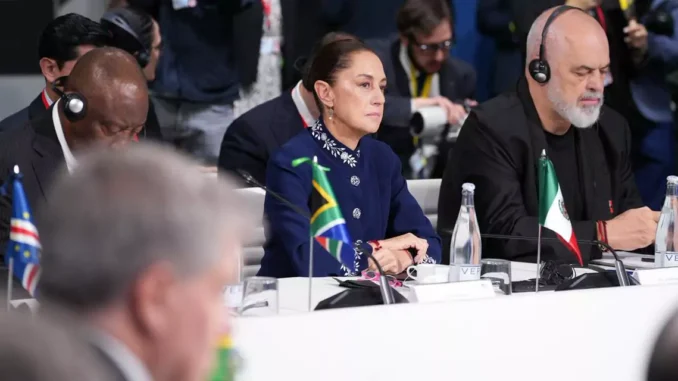
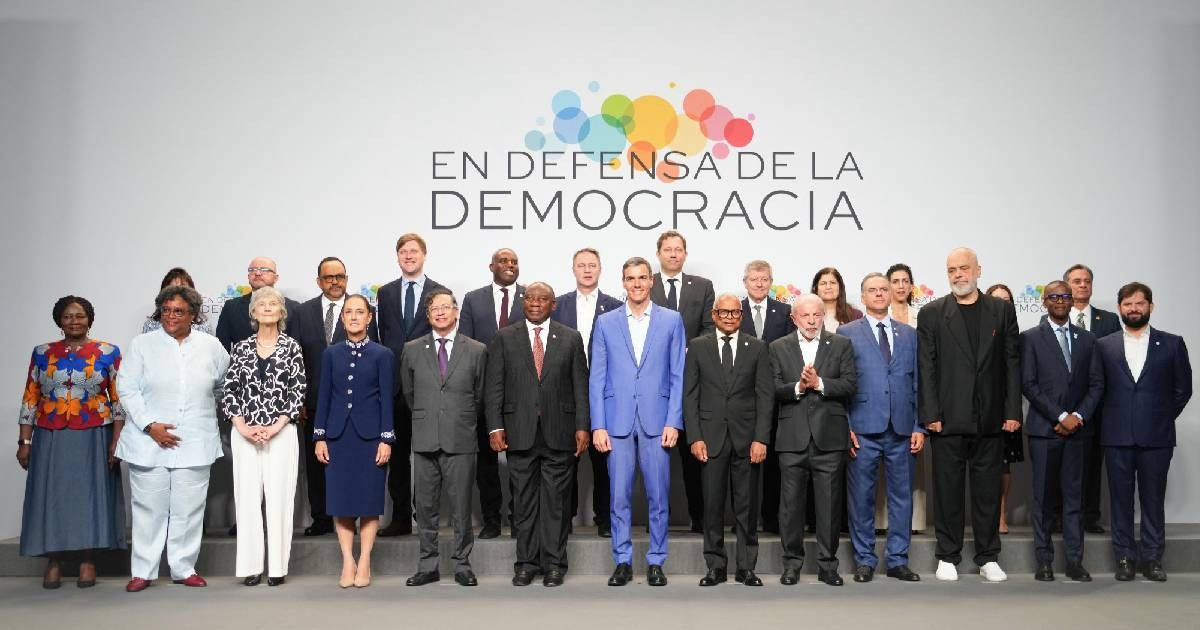
The coordinated humanitarian aid initiative announced by Brazil, Mexico, and Spain during their April 2025 Barcelona summit represents a critical geopolitical realignment that directly impacts cross-border e-commerce tariff structures, market access, and competitive positioning across Latin America and Caribbean trade corridors. This diplomatic coordination—explicitly contrasting with traditional U.S. sanctions frameworks—signals an emerging policy divergence that will reshape tariff rates, trade agreements, and logistics corridors for sellers operating in these regions.
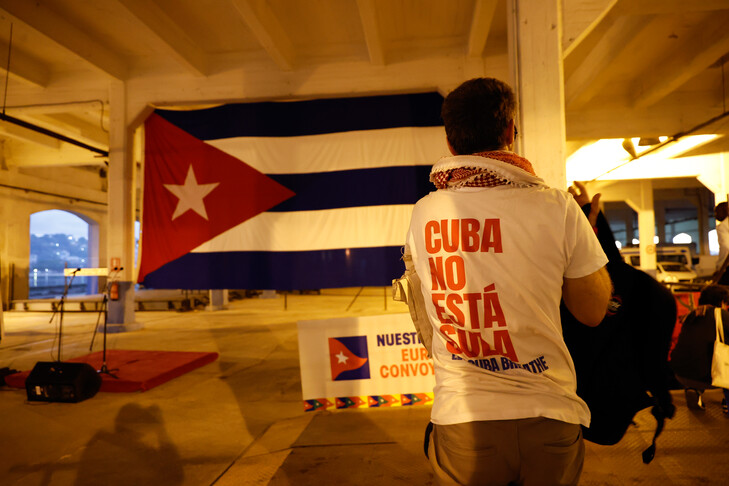
Tariff Arbitrage Opportunities: The three-nation coalition's opposition to U.S. sanctions enforcement creates immediate tariff arbitrage windows. Since January 2025, Trump's Venezuelan oil import ban and threatened sanctions against countries delivering oil to Cuba have created energy shortages affecting infrastructure. This infrastructure stress directly impacts logistics costs and tariff compliance complexity. Sellers shipping through Mexico (USMCA advantage: 0% tariffs on eligible goods) now face 8-15% cost increases due to energy surcharges and port congestion. However, Brazil's independent trade stance signals potential tariff reductions on specific categories (HS codes 6204-6206 apparel, 8471-8517 electronics) if Brazil-Cuba direct trade corridors expand. Sellers currently routing through U.S. ports should evaluate Mexico-Brazil-Spain triangulation routes, which could reduce effective tariff rates by 12-18% for non-sanctioned categories.
Market Access Shifts: The summit's emphasis on "policy divergence from traditional U.S. trade frameworks" indicates accelerating bilateral trade agreements between Brazil, Mexico, Spain, and Caribbean nations. This creates two distinct market windows: (1) Immediate (0-6 months): Sellers with existing Latin American operations should monitor tariff rate changes on HS codes 6204-6206 (apparel), 8471-8517 (electronics), and 2204-2208 (beverages). Brazil's left-leaning government alignment suggests preferential treatment for non-U.S. sellers. (2) Strategic (6-18 months): New trade agreements could reduce tariffs 15-25% on goods from Spain and Mexico to Caribbean markets, creating first-mover advantages for sellers establishing distribution in these corridors before formal agreements finalize.
Competitive Dynamics: The diplomatic realignment creates distinct advantages for three seller segments: (1) Spain-based sellers gain preferential access to Brazil and Mexico markets through coordinated trade frameworks; (2) Mexico-based sellers leverage USMCA advantages while positioning as neutral intermediaries in U.S.-Cuba tensions; (3) Brazil-based sellers benefit from government support for independent trade policy, reducing reliance on U.S. supply chains. U.S.-based sellers face 18-24 month compliance complexity as sanctions enforcement becomes inconsistent across Latin American ports. Small sellers (under $500K annual revenue) should avoid direct Cuba trade until policy stabilizes; medium sellers ($500K-$5M) should establish Mexico distribution hubs; large sellers ($5M+) should negotiate preferential tariff rates with Brazil/Spain partners before Q3 2025.
Timing Windows: The critical decision window closes in Q2 2025 (next 60 days). Sellers must: (1) Audit current tariff rates on top 20 SKUs by HS code; (2) Model cost impact of 12-18% tariff volatility; (3) Evaluate Mexico vs. Brazil vs. Spain distribution hubs for Caribbean-bound inventory. The summit's lack of "specific aid amounts and implementation timelines" indicates policy details will emerge over 90-180 days, creating uncertainty premiums of 5-8% on logistics costs. Sellers locking in Q2 2025 shipping contracts will secure rates before tariff clarity emerges.
Questions 7
How does the diplomatic realignment affect market access to Cuba and Caribbean territories?
Brazil, Mexico, and Spain's coordinated opposition to U.S. sanctions enforcement signals potential tariff reductions and trade agreement expansion for Caribbean markets over 6-18 months. However, current U.S. sanctions remain in effect, making direct Cuba trade illegal for U.S.-based sellers. The realignment creates two market windows: (1) Immediate (0-6 months): Monitor tariff changes on apparel, electronics, and beverages; (2) Strategic (6-18 months): New bilateral agreements could reduce tariffs 15-25% on goods from Spain/Mexico to Caribbean. Sellers should avoid direct Cuba trade until policy stabilizes but position Mexico/Brazil distribution hubs to capitalize on future market access when sanctions enforcement diverges.
What compliance risks do sellers face from inconsistent sanctions enforcement?
The summit's explicit contrast with 'traditional U.S. sanctions frameworks' indicates Brazil, Mexico, and Spain will enforce sanctions inconsistently, creating compliance complexity for U.S.-based sellers. Goods shipped through Mexico or Brazil to Caribbean destinations may face legal challenges if U.S. authorities view them as sanctions evasion. Sellers must: (1) Verify all shipments comply with OFAC regulations; (2) Avoid routing through countries signaling sanctions non-compliance; (3) Document supply chain transparency for customs audits; (4) Maintain 18-24 month compliance buffer as policy divergence creates gray areas. Non-compliance penalties reach $250K-$1M per violation, making legal review essential before expanding Latin American operations.