





Ukraine Firearms Legislation Shift Creates E-Commerce Opportunities in Security & Self-Defense Products
- Interior Ministry signals civilian firearms access expansion; 3.4% Ukrainian adult ownership rate presents untapped market for security equipment, tactical gear, and compliance-related products




























Overview
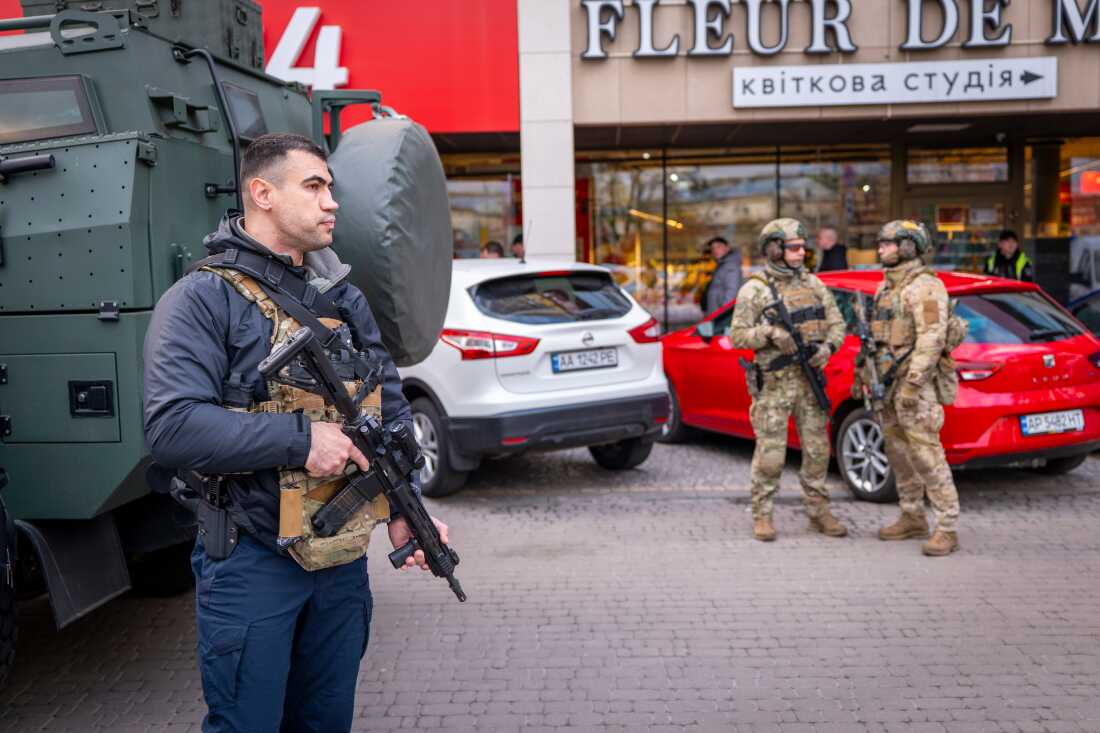
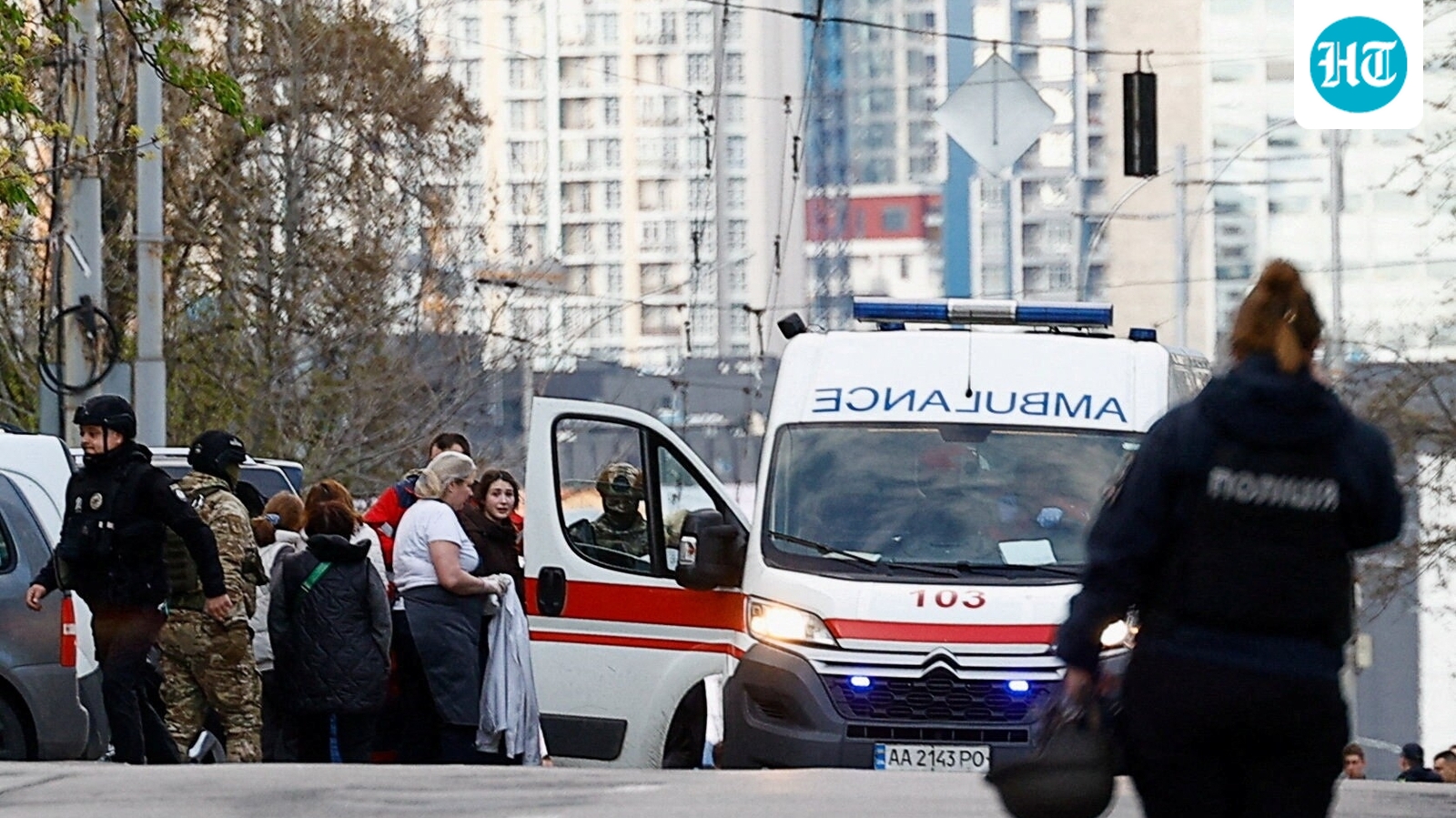
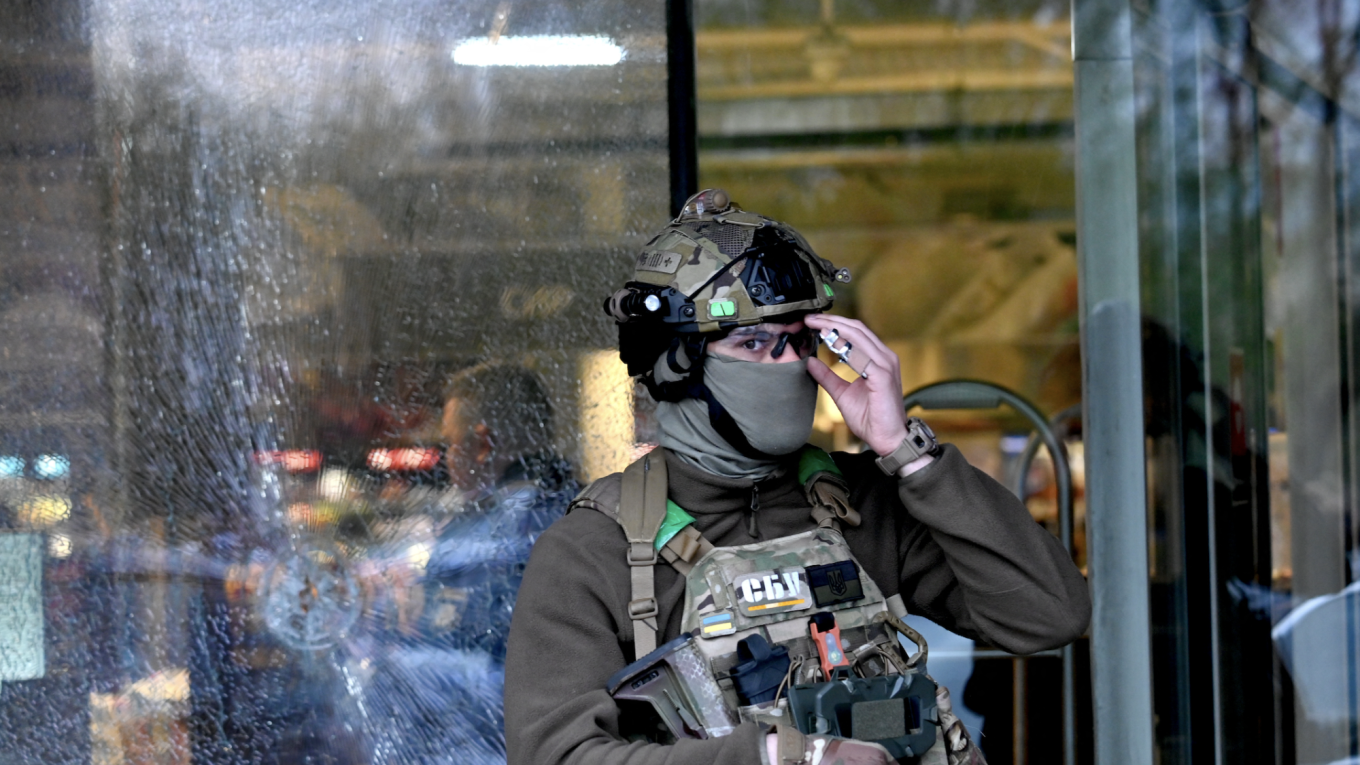
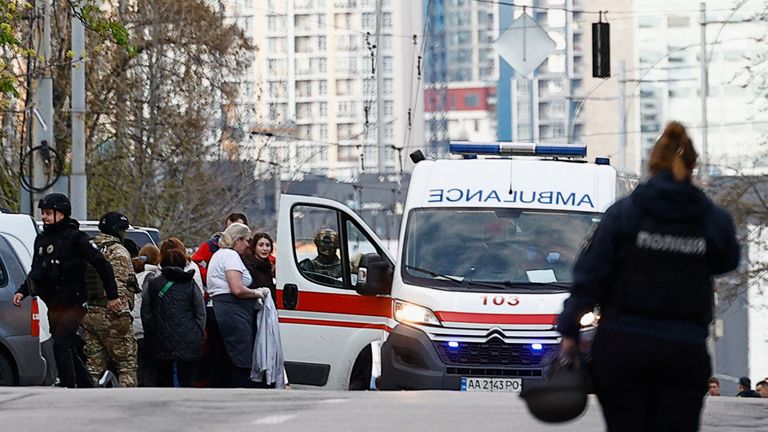
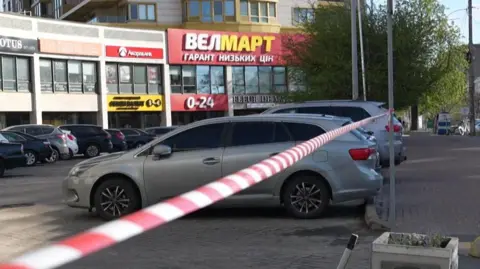
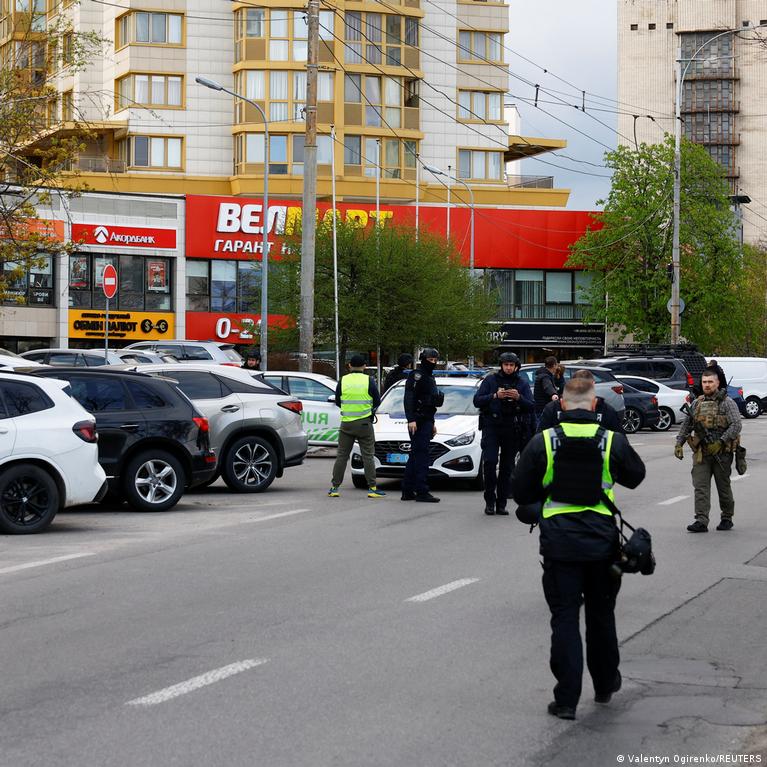
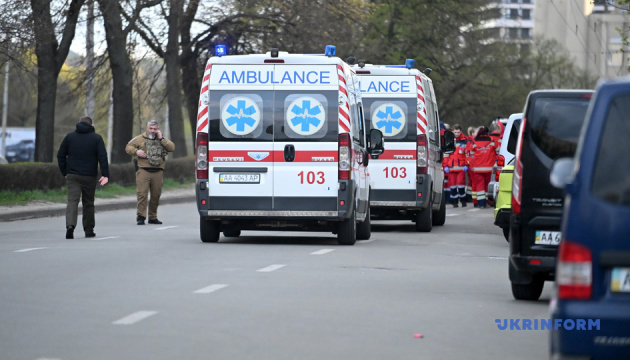
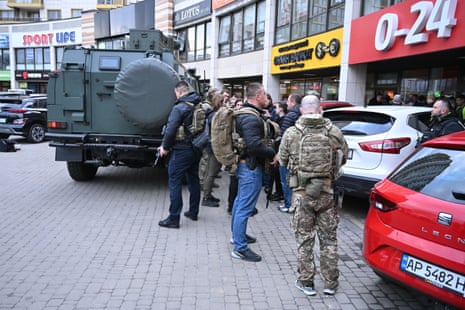
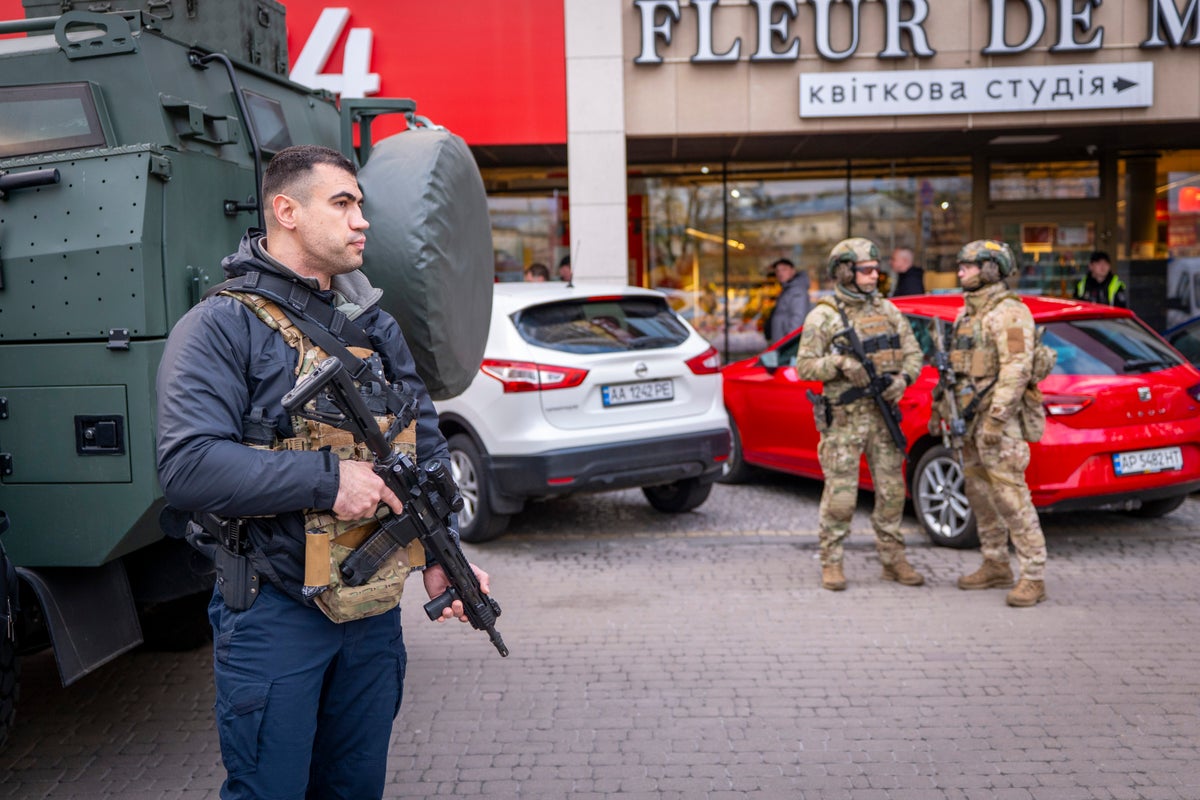
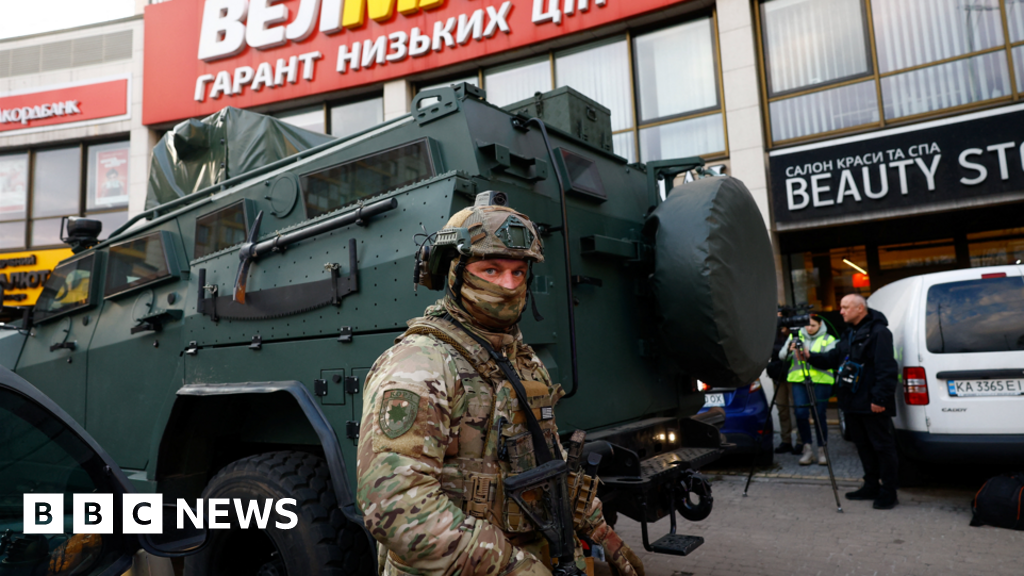
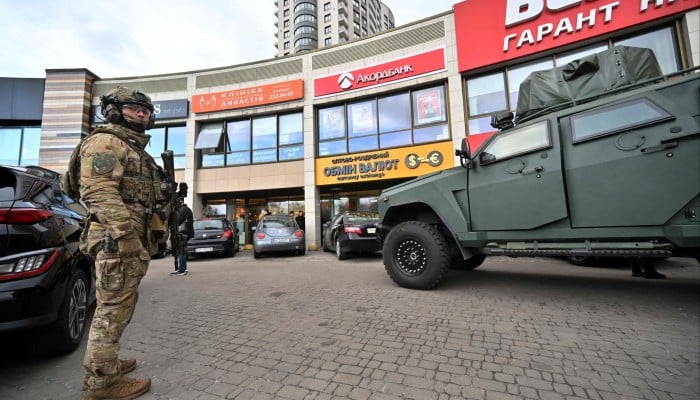
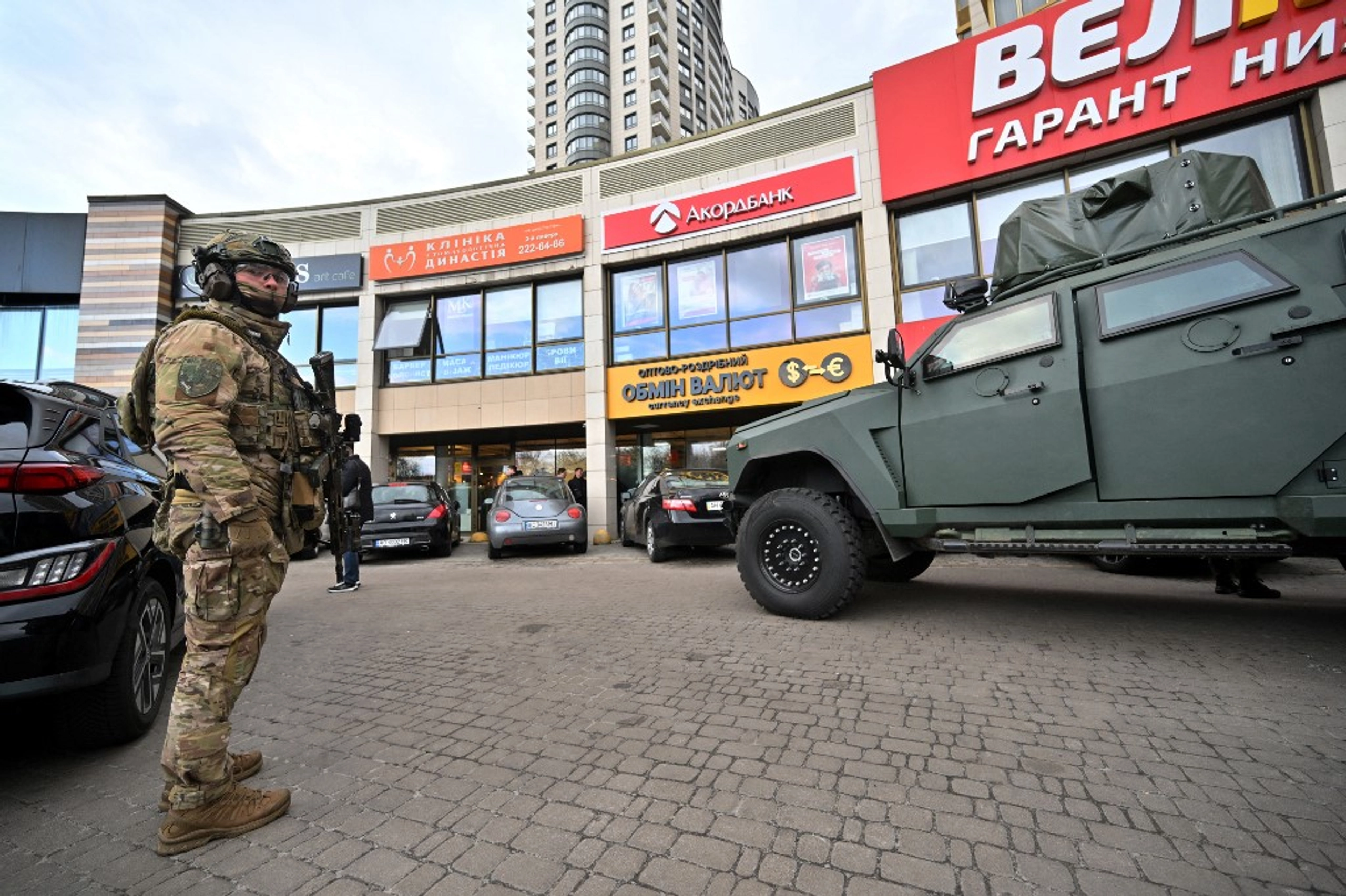
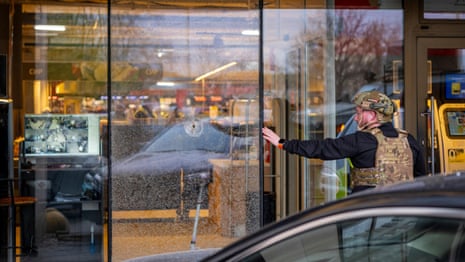
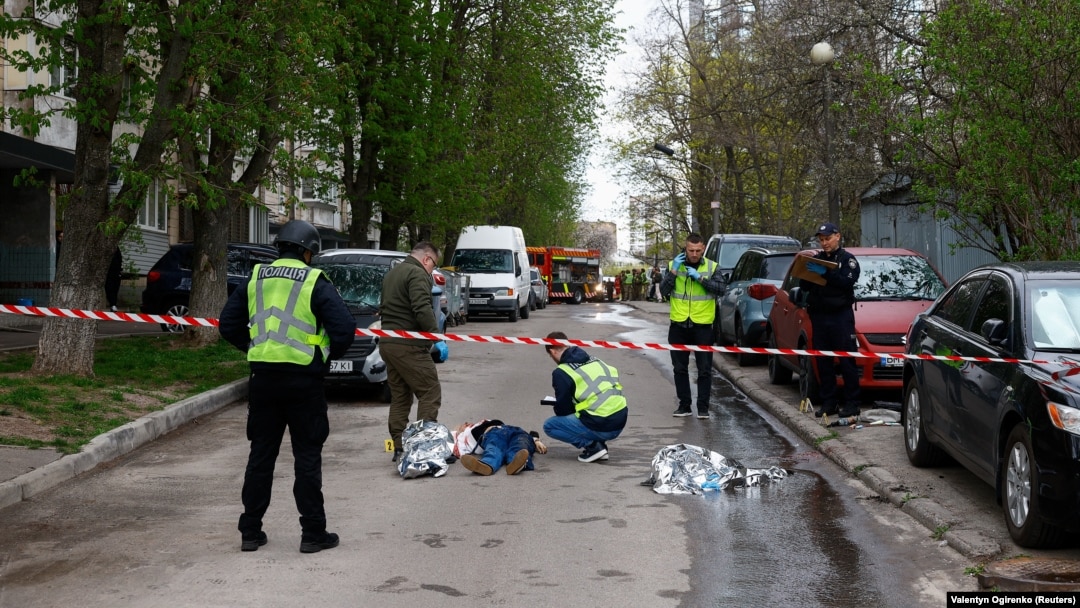
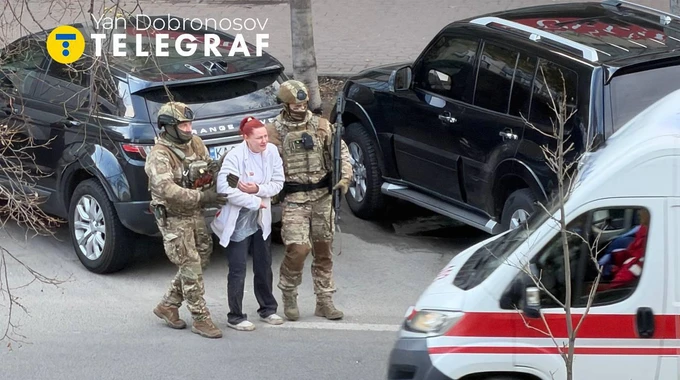
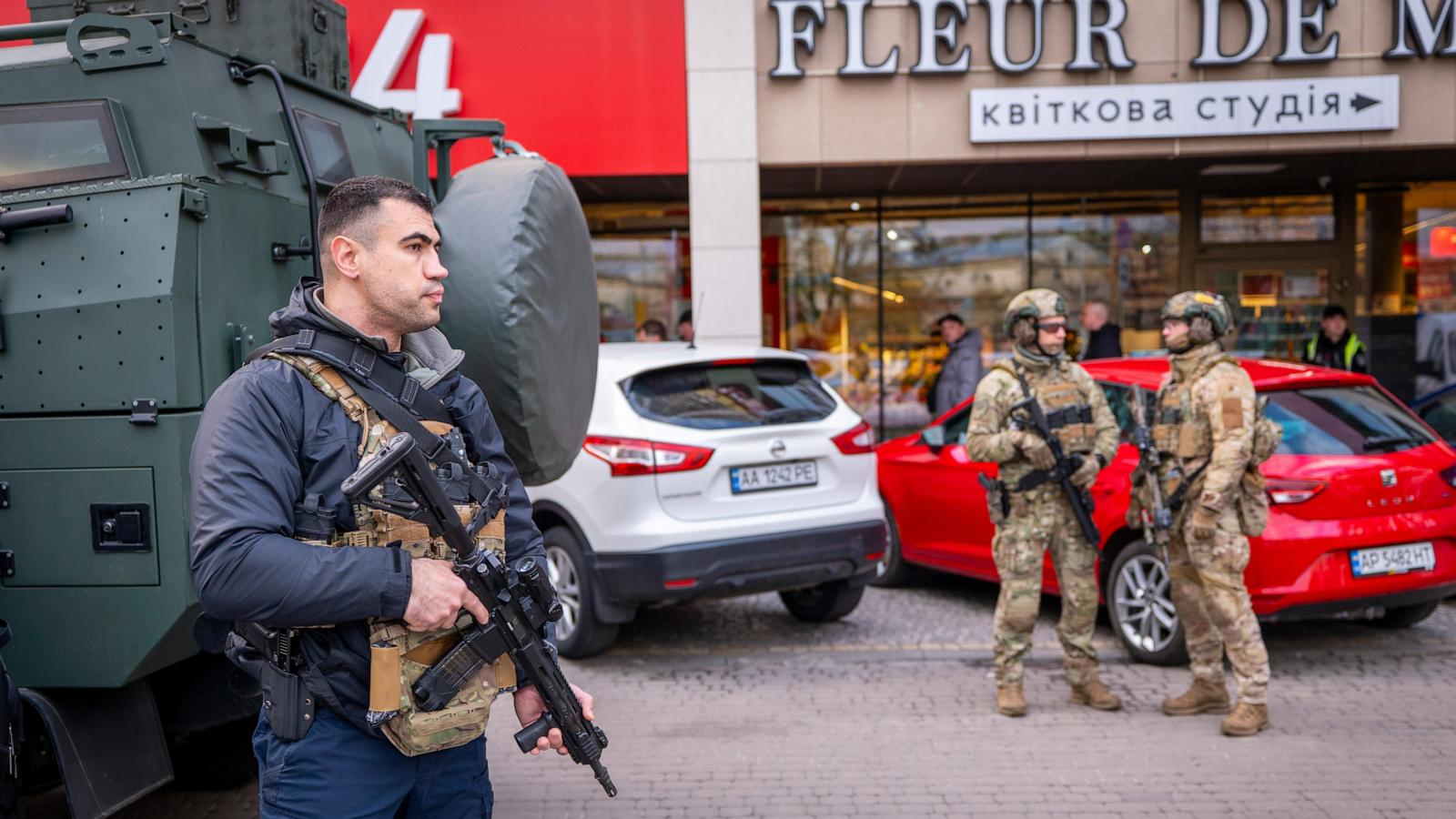
The April 2026 Kyiv mass shooting incident—resulting in 6 deaths and 14 injuries—has triggered a significant policy pivot in Ukraine's firearms regulations that creates emerging e-commerce opportunities for sellers in security, self-defense, and tactical equipment categories. Interior Minister Ihor Klymenko explicitly announced plans to prepare legislation expanding civilian firearms access beyond current hunting-only restrictions, signaling a fundamental shift in Ukraine's approach to armed self-defense, particularly given Russia's 2022 invasion context. This represents a critical market inflection point for cross-border sellers.
Market Opportunity Context: Current Ukrainian firearms ownership stands at approximately 3.4% of adults (per 2023 small arms survey), significantly below Western European averages (8-15%) and US levels (32%). This low penetration rate, combined with announced legislative expansion, indicates substantial pent-up demand for firearms-adjacent products. The incident's aftermath—featuring 8 hospitalized victims and institutional reforms (police chief resignation, officer suspensions)—has elevated public discourse around civilian protection, creating consumer awareness and purchasing intent for security-related merchandise.
Seller Category Opportunities: E-commerce sellers can capitalize on multiple product vectors: (1) Tactical/Security Gear: Body armor, protective vests, tactical bags, and emergency response kits will see increased demand as civilians prepare for self-defense scenarios. (2) Compliance & Training Products: Digital courses, certification guides, and legal documentation templates for firearms licensing will emerge as essential products. (3) Home Security Systems: The incident's supermarket hostage scenario drives demand for commercial-grade security cameras, alarm systems, and monitoring equipment. (4) Emergency Preparedness: First aid kits, trauma supplies, and emergency communication devices align with heightened security consciousness. (5) Sporting/Hunting Equipment: Existing legal hunting weapon categories will expand as regulatory barriers lower.
Regional Market Dynamics: Ukraine's 41.2 million population, combined with wartime security concerns and government policy support for armed self-defense, creates a distinct market segment. Unlike Western markets with mature firearms industries, Ukraine represents a greenfield opportunity where early-stage sellers can establish brand presence before major competitors enter. Kyiv's 3 million residents—where the incident occurred—represent the highest-income demographic with greatest purchasing power for premium security products.
Operational Considerations: Sellers must navigate Ukraine's evolving regulatory environment, including potential import restrictions on firearms components and compliance documentation requirements. Cross-border logistics to Ukraine face ongoing challenges due to conflict proximity, but e-commerce platforms (Amazon, eBay, Shopify) increasingly support Ukrainian sellers and buyers. Payment processing through platforms like Wise and local Ukrainian payment systems (Privat24, Monobank) enables transactions despite banking restrictions.
Questions 8
What are the financial implications for sellers entering the Ukrainian security products market?
Initial market entry requires modest investment: (1) Product sourcing—$2,000-5,000 for starter inventory across 5-10 SKUs; (2) Compliance verification—$500-1,500 for customs broker consultation and documentation; (3) Platform setup—$0-300 for Amazon, eBay, or Shopify store optimization; (4) Marketing—$500-2,000 for initial PPC campaigns targeting Ukrainian keywords. Expected ROI: 150-300% within 6-12 months given market growth potential and low competitive saturation. However, sellers should budget for potential regulatory changes, currency fluctuations (Ukrainian hryvnia volatility), and payment processing fees (3-5% for cross-border transactions). Risk mitigation includes diversifying across multiple product categories and maintaining flexible inventory levels.
When should sellers launch products to capture peak demand from the Kyiv incident?
Historical patterns show security product demand peaks 4-8 weeks post-incident, with sustained elevation through 6-12 months. The April 18-19, 2026 Kyiv shooting suggests optimal launch window: May-June 2026 for immediate demand capture, with sustained sales through Q3-Q4 2026 as legislative changes progress. Sellers should: (1) Launch listings by May 15, 2026 to capture early-stage demand; (2) Allocate 40-60% of inventory to high-velocity items (body armor, first aid kits, home security cameras); (3) Monitor legislative announcements and adjust product mix accordingly; (4) Plan for Q4 2026 holiday season demand in security/preparedness categories. Delayed entry (post-August 2026) risks missing peak demand window and facing increased competition from established sellers.