


Ukraine Firearms Legislation Shift Creates E-Commerce Opportunity in Security & Self-Defense Products
- Interior Ministry signals civilian firearms access expansion; 3.4% Ukrainian adult ownership rate presents untapped market for security equipment, training content, and protective gear sellers

















Overview
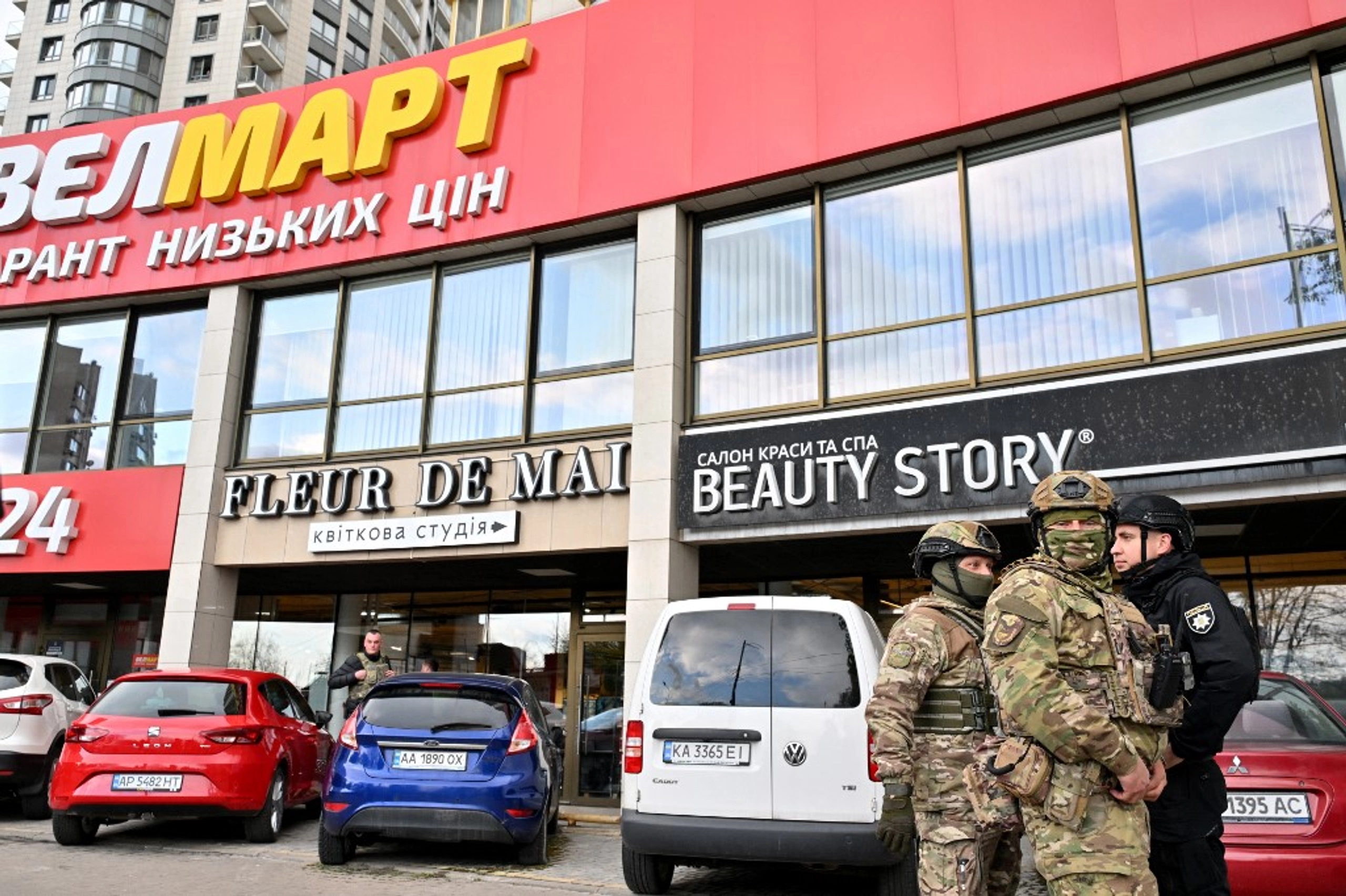
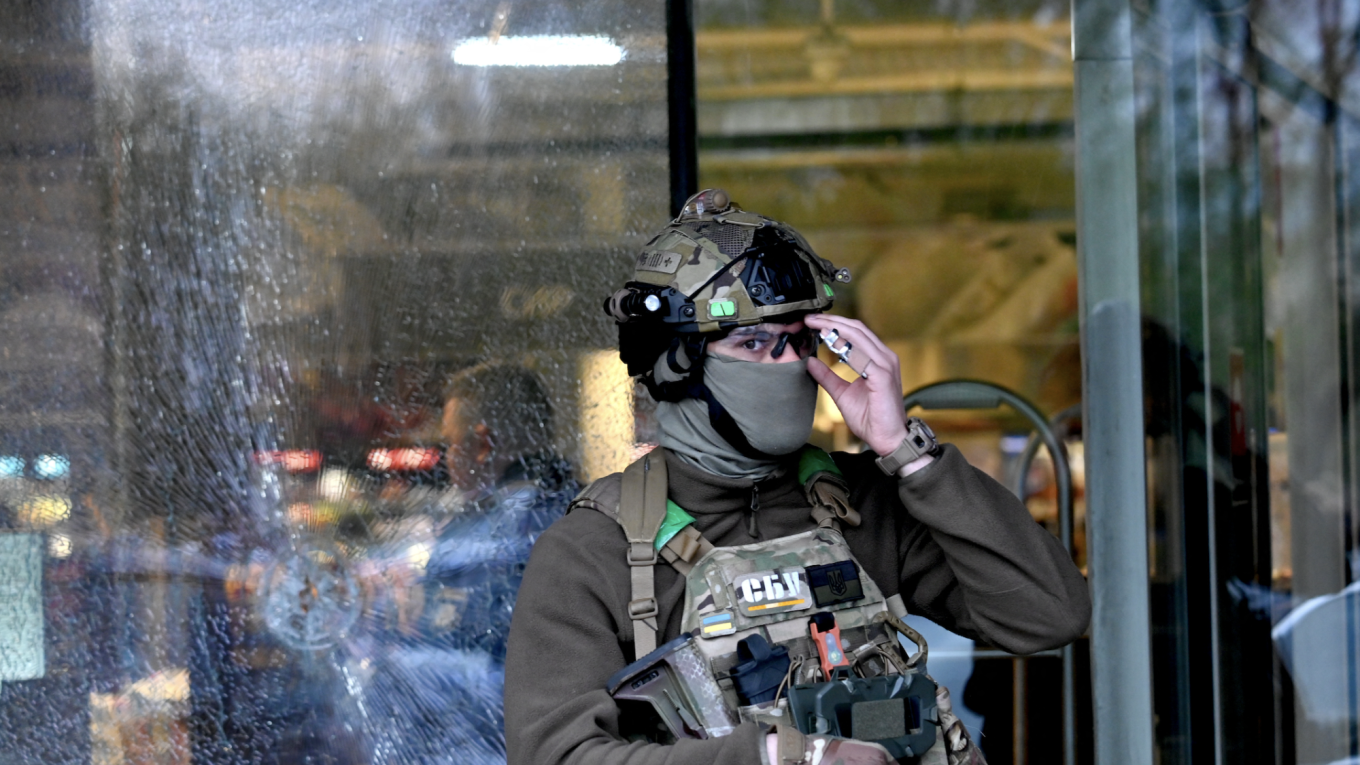
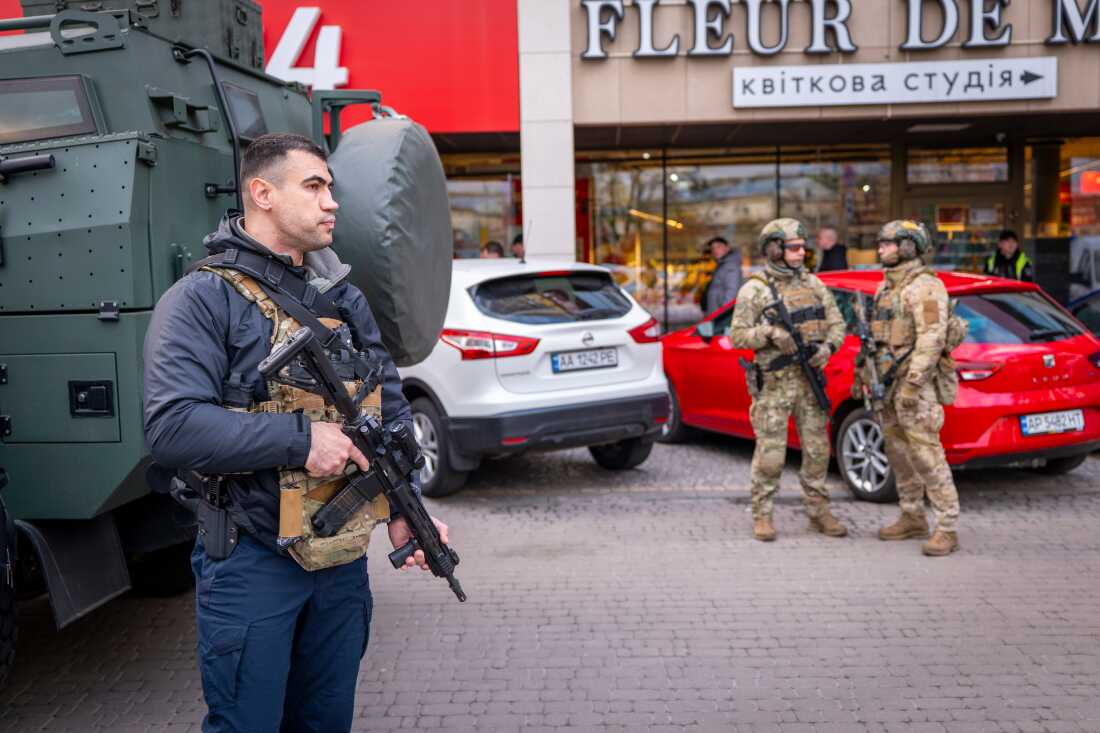
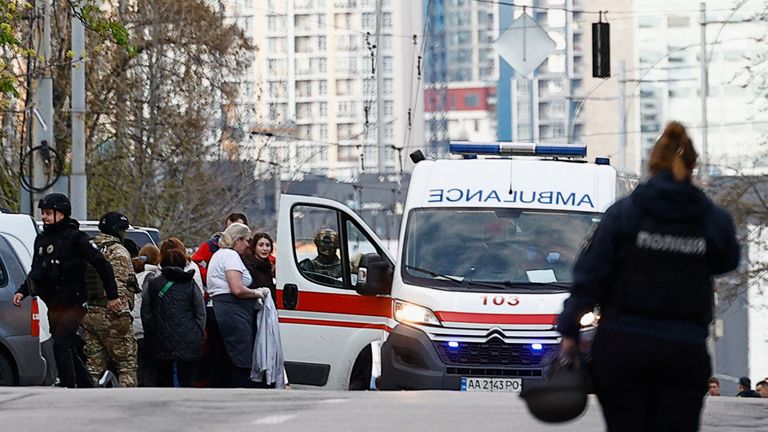
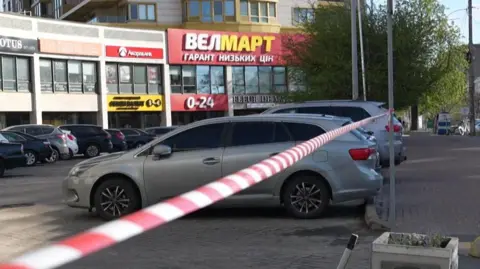
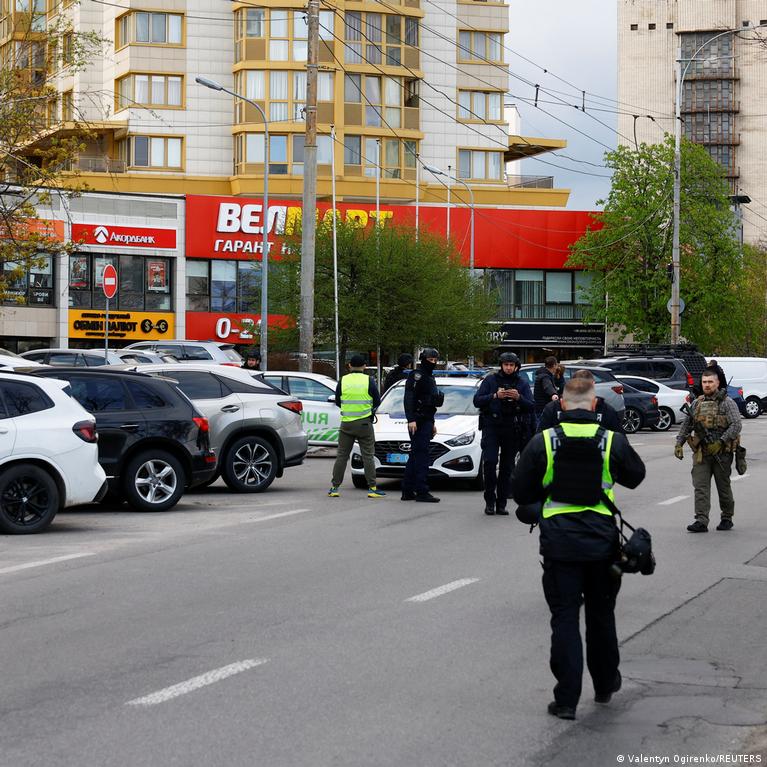
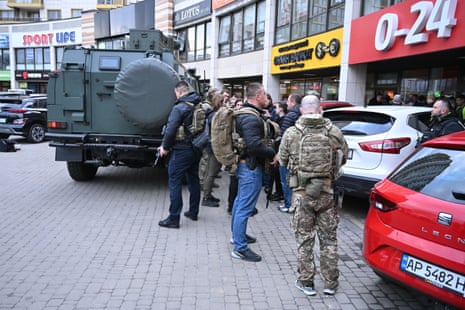
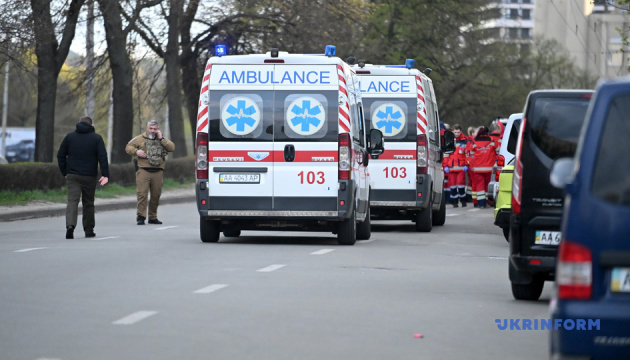
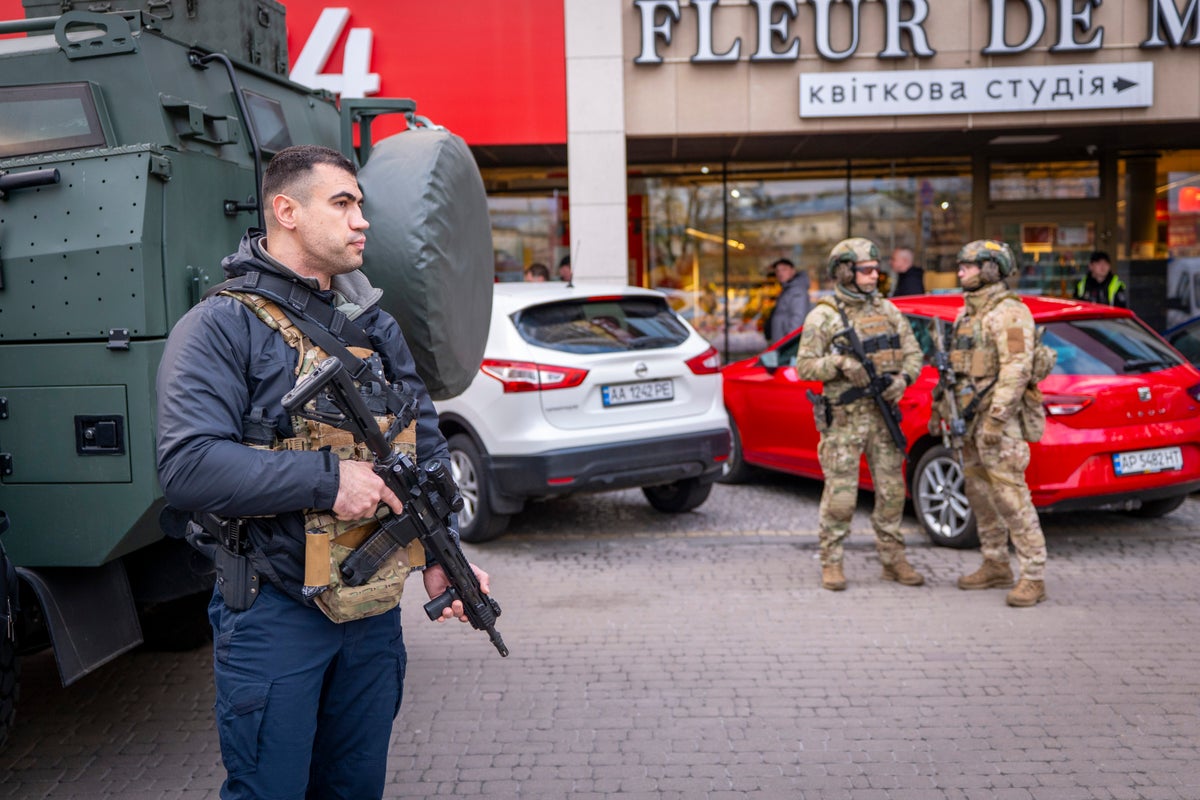
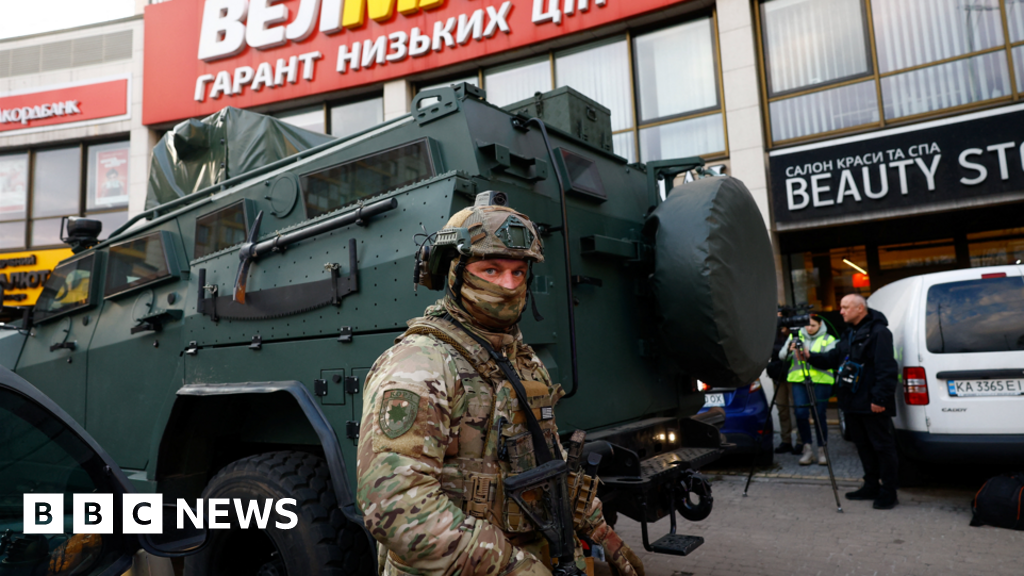
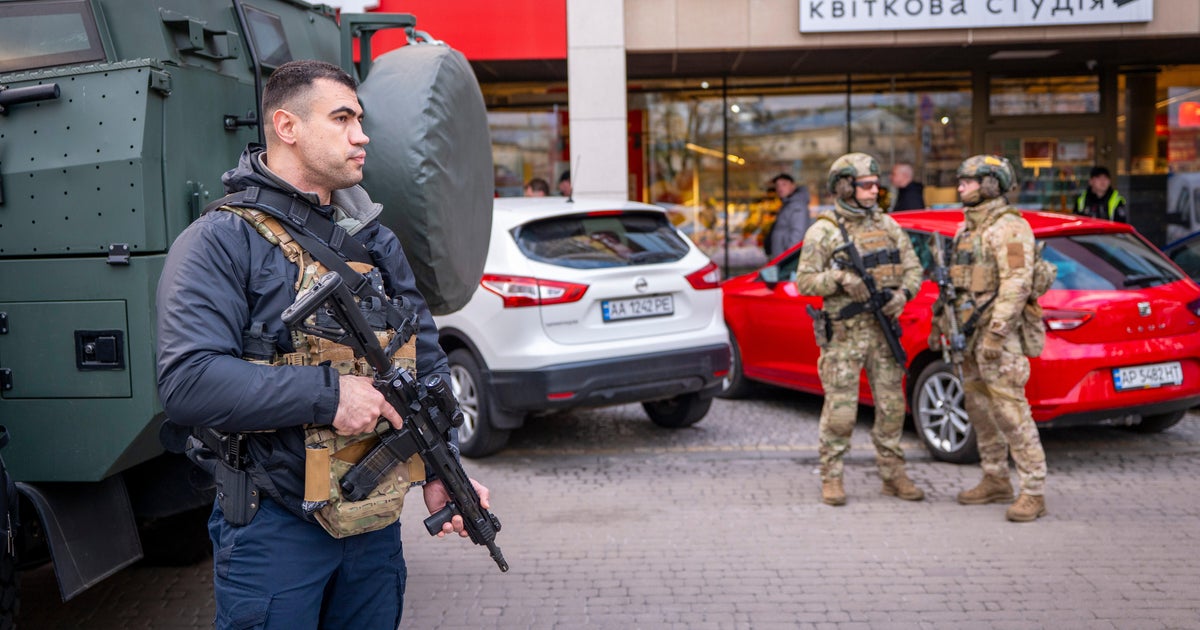
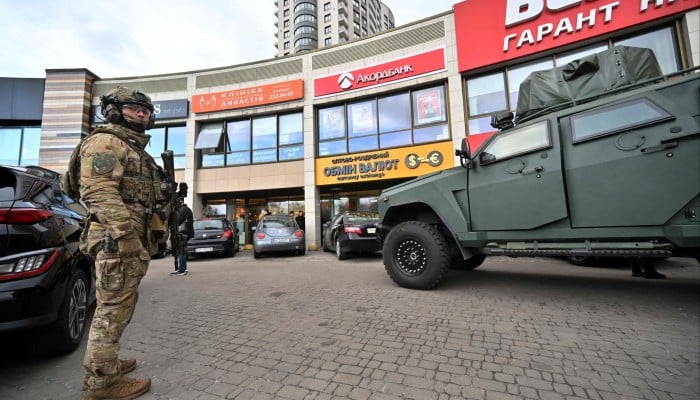
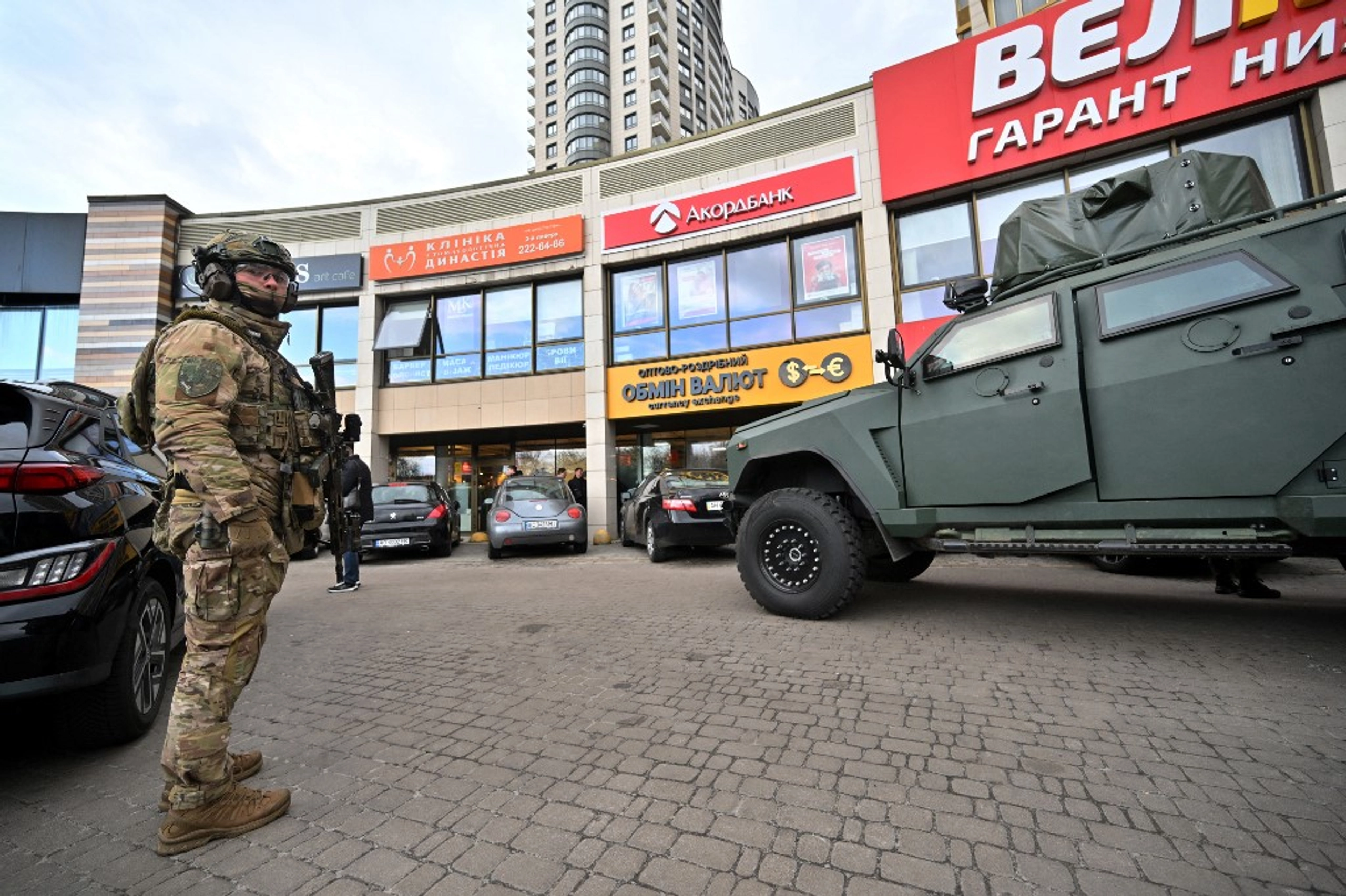
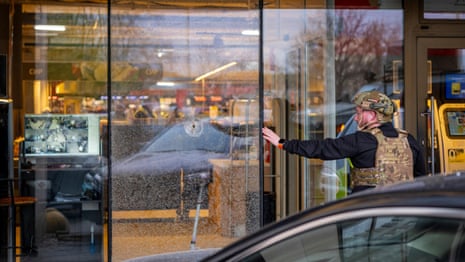
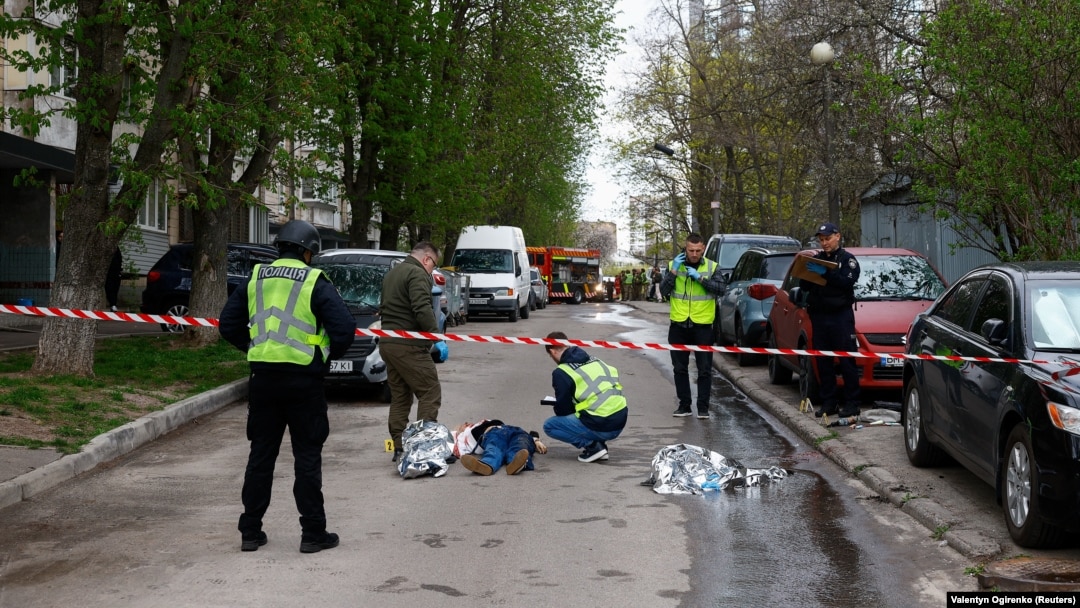
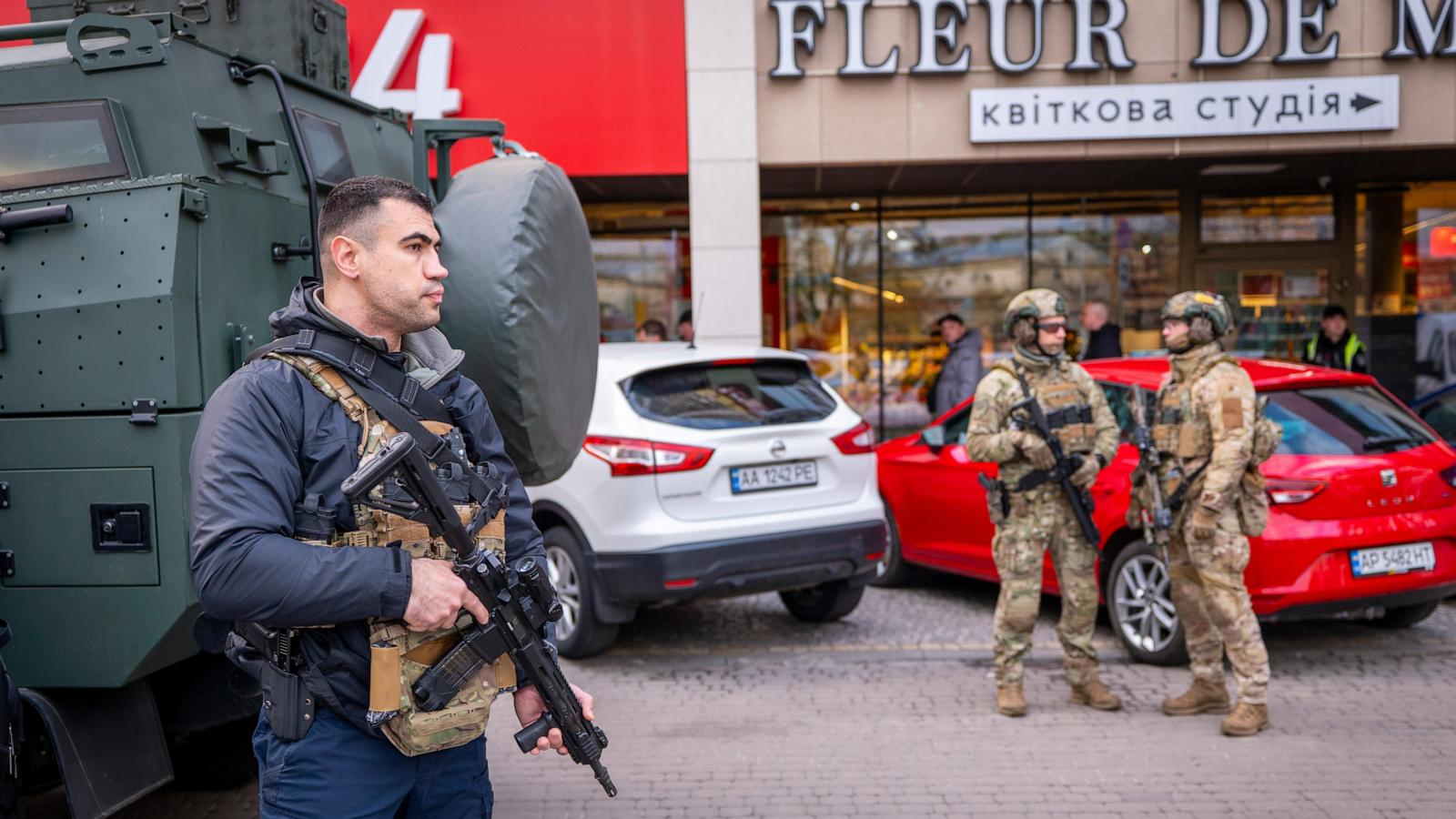
The April 2026 mass shooting incident in Kyiv, Ukraine has catalyzed a significant policy shift with direct implications for cross-border e-commerce sellers. Interior Minister Ihor Klymenko explicitly stated there would be "no mass gun owner checks" following the incident and emphasized citizens' "right to armed self-defense," signaling potential legislative expansion of civilian firearms access. This represents a critical market development for sellers in security, self-defense, and protective equipment categories.
Current Market Context: A 2023 small arms survey indicates only 3.4% of Ukrainian adults own firearms—substantially below Western European averages (8-12%) and North American rates (30%+). This low penetration rate, combined with Interior Ministry's stated commitment to civilian self-defense rights "particularly since Russia's 2022 invasion," suggests significant growth potential in the Ukrainian security products market. The incident occurred during active wartime conditions, making personal security a heightened consumer priority.
E-Commerce Seller Opportunities: The policy environment now favors expansion of security-related product categories. Sellers can capitalize on several emerging opportunities: (1) Protective Equipment: Body armor, tactical vests, and ballistic protection gear—currently underrepresented in Ukrainian e-commerce due to restrictive regulations; (2) Self-Defense Products: Non-lethal options (pepper spray, personal alarms, tactical flashlights) that appeal to civilians seeking security without firearms; (3) Training & Educational Content: Digital courses on personal security, situational awareness, and emergency response—high-margin digital products with minimal logistics complexity; (4) Tactical Accessories: Holsters, ammunition storage, cleaning kits, and maintenance products for the expanding firearms owner base.
Operational Considerations: Sellers must monitor Ukraine's legislative timeline closely. The Interior Ministry announced plans to "prepare legislation on civilian firearms," but implementation timelines remain unclear. Cross-border sellers should establish relationships with Ukrainian distributors and 3PL providers in Kyiv and other major cities to position inventory ahead of regulatory clarity. Compliance with Ukraine's existing licensing requirements (no criminal record, no mental illness history) will be essential for any direct-to-consumer sales. The incident's focus on institutional failures (police chief resignation, officer suspensions) also signals potential demand for professional-grade security training and certification products targeting Ukrainian law enforcement and private security sectors.
Risk Mitigation: Geopolitical instability remains a significant factor. While the incident was classified as terrorism with unclear motives, the ongoing Russia-Ukraine conflict creates supply chain and payment processing risks. Sellers should diversify payment methods beyond traditional banking channels and maintain flexible inventory strategies given potential logistics disruptions. The supermarket incident also highlights demand for retail security solutions—CCTV systems, access control, and emergency response equipment represent B2B opportunities for sellers serving Ukrainian retail and commercial sectors.
Questions 8
What timeline should sellers use for market entry into Ukraine's security products sector?
The Interior Ministry announced plans to 'prepare legislation on civilian firearms' but provided no specific implementation timeline. Sellers should use the next 6-12 months for market research and relationship building rather than major inventory commitments. Establish connections with Ukrainian distributors, 3PL providers, and legal advisors now. Monitor legislative developments through Ukrainian government sources and industry associations. For non-firearms products (protective equipment, non-lethal self-defense, training content), market entry can proceed more quickly with lower regulatory risk. Plan major inventory investments only after legislative clarity emerges—likely Q3-Q4 2026 or later. Maintain flexibility to pivot product mix based on final regulatory framework.
How does the 3.4% firearms ownership rate compare to other markets and what does it mean for sellers?
Ukraine's 3.4% civilian firearms ownership rate is substantially below Western Europe (8-12%) and North America (30%+), indicating significant untapped market potential. This low penetration, combined with Interior Ministry's stated commitment to expanding civilian access, suggests a growth trajectory similar to post-Cold War Eastern European markets. Sellers entering now can establish brand presence and market share before competition intensifies. However, the low current ownership rate also means smaller immediate addressable market—focus on high-margin products (training content, premium protective equipment) rather than volume-dependent categories. As ownership rates increase toward European averages (potentially 8-10% within 3-5 years), early movers will benefit from established customer relationships and brand recognition.