

Strait of Hormuz Tensions Spike Shipping Costs 8-15% | Cross-Border Sellers Face Supply Chain Disruptions
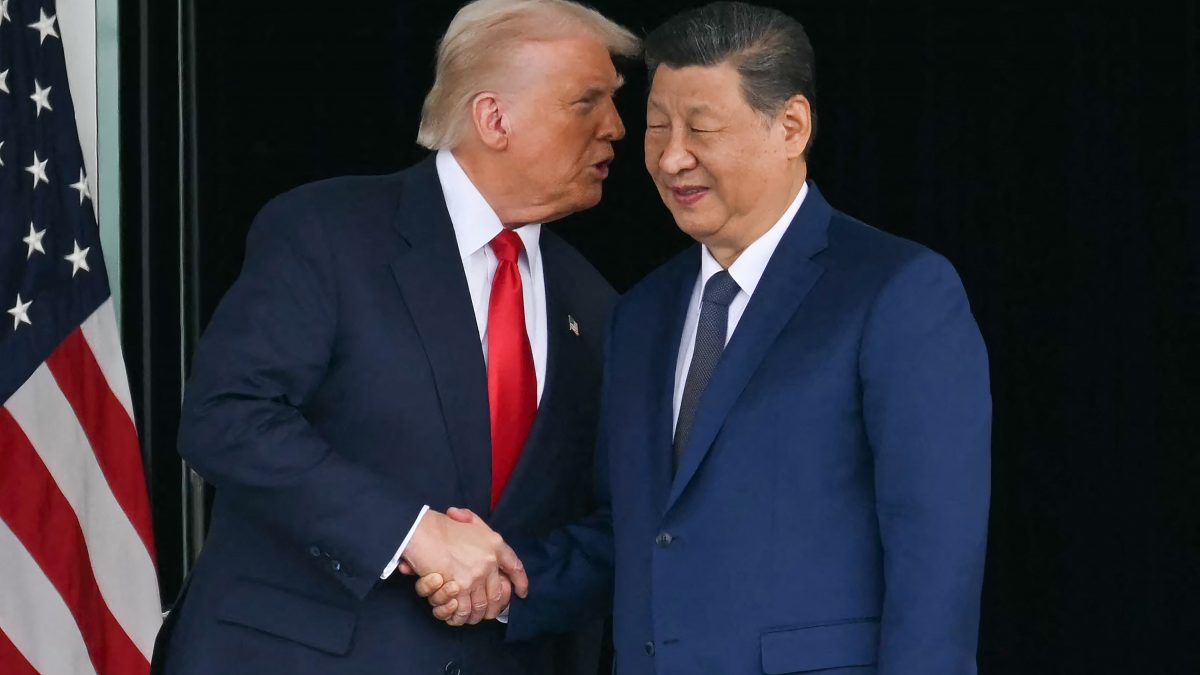
- Rising energy costs and logistics delays threaten margins for sellers sourcing from China; Trump-Xi summit (May 14-15) could reshape tariff landscape affecting 50K+ e-commerce businesses










)

Overview
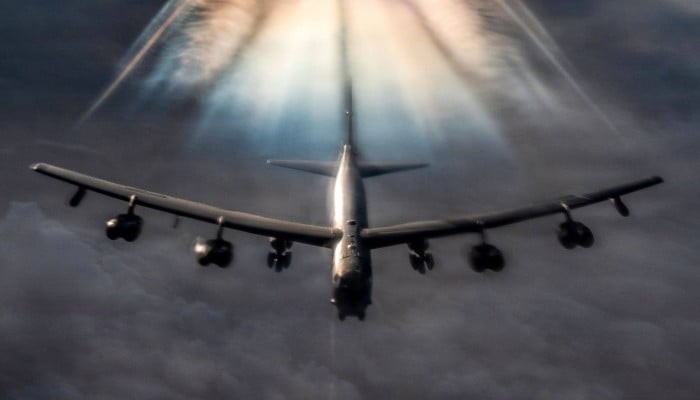
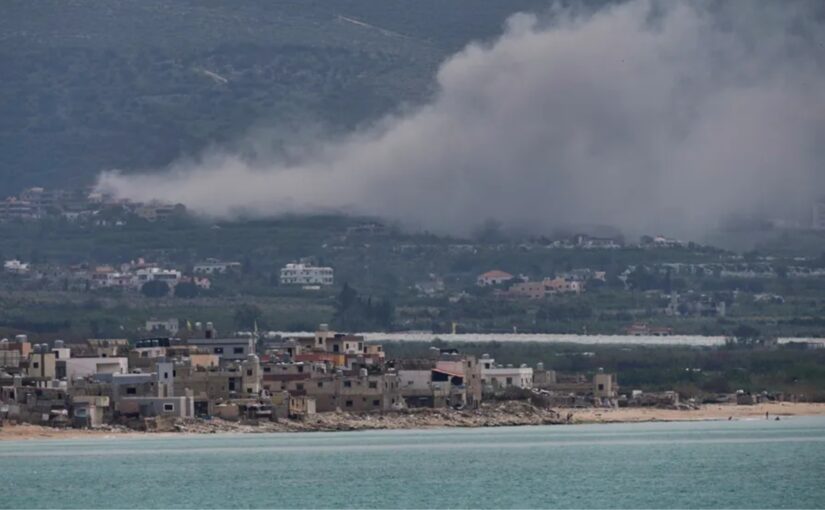
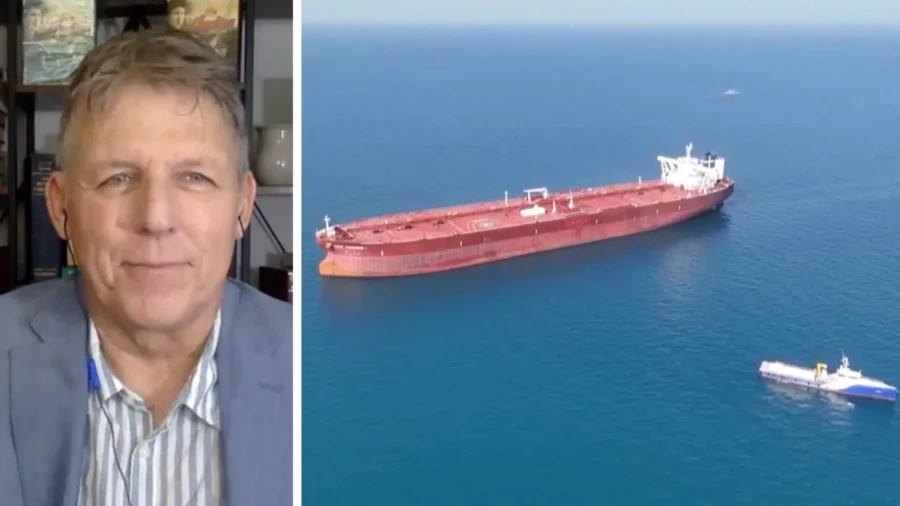
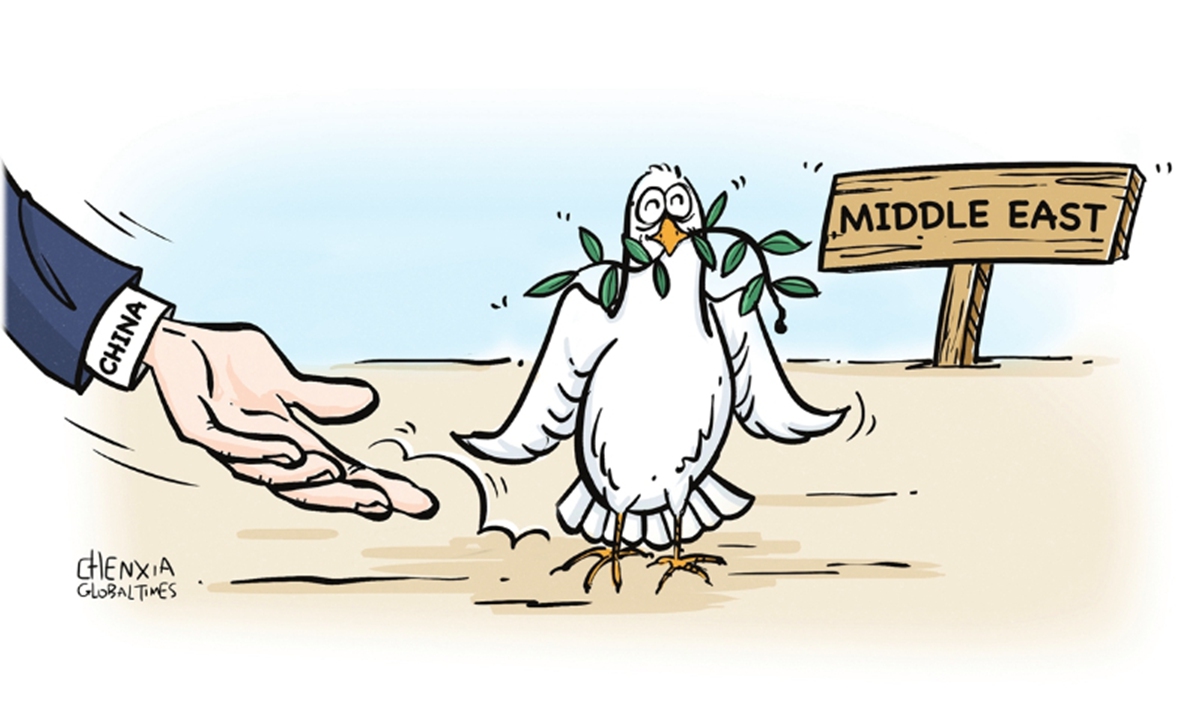
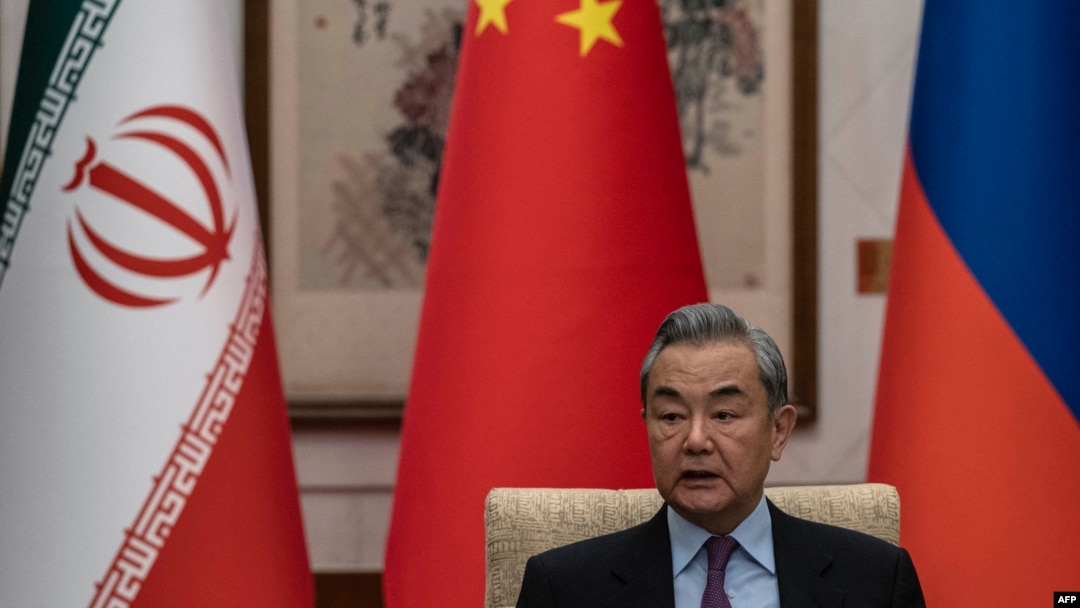
The escalating U.S.-Israeli conflict with Iran and China's cautious diplomatic positioning create immediate supply chain pressures for cross-border e-commerce sellers. China, the world's largest exporter and crude oil importer relying on Middle Eastern sources for 50% of fuel supply, faces critical Strait of Hormuz blockade risks that directly impact manufacturing costs and shipping timelines. The Washington Post reports that Foreign Ministry spokesman Guo Jiakun has publicly criticized the U.S. naval blockade as "dangerous and irresponsible," warning it will "jeopardize safe passage through the Strait of Hormuz"—a critical chokepoint through which 21% of global petroleum passes and 30% of liquefied natural gas flows.
Immediate Supply Chain Impact: Rising energy costs are cascading through Chinese manufacturing. Sellers sourcing electronics, textiles, and consumer goods from China should expect 8-15% increases in freight costs within 60-90 days as fuel surcharges compound. The news indicates "rising energy costs, global supply chain disruptions, and weakening export demand pose significant risks to the Chinese economy," directly translating to higher landed costs for FBA inventory and 3PL shipments. Sellers with 500+ units monthly from China-based suppliers face $400-800 additional monthly logistics expenses.
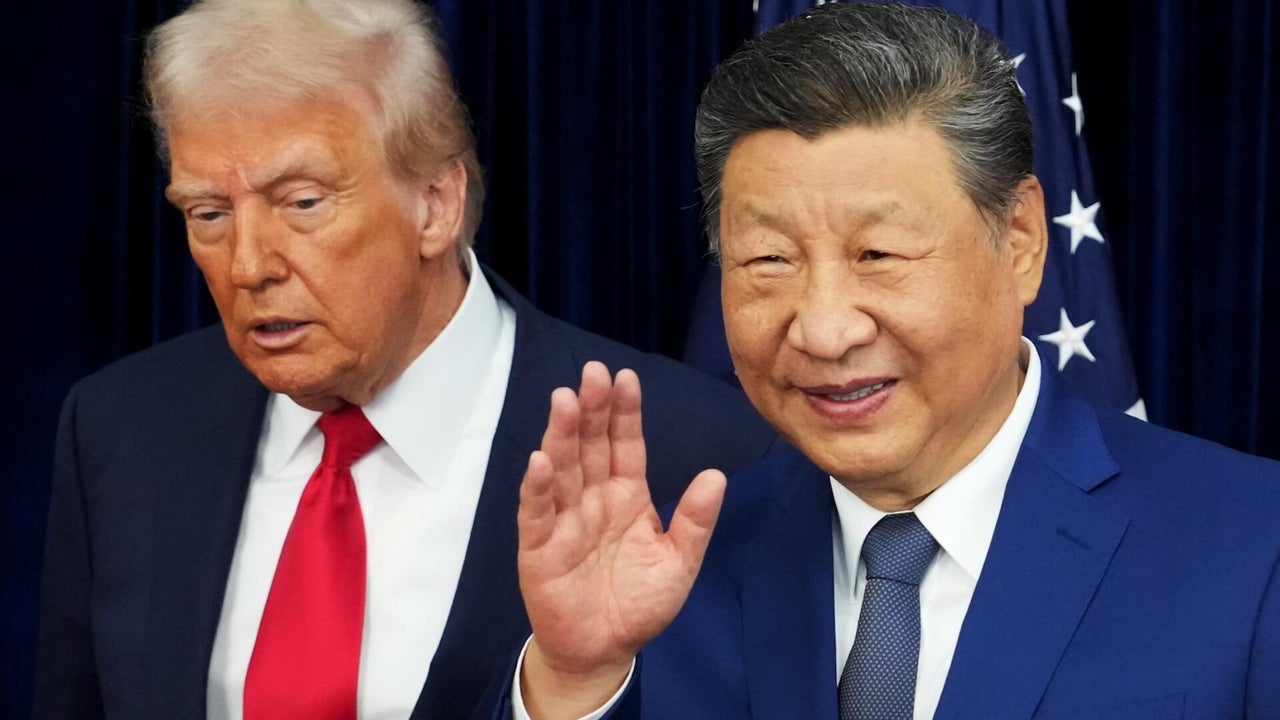
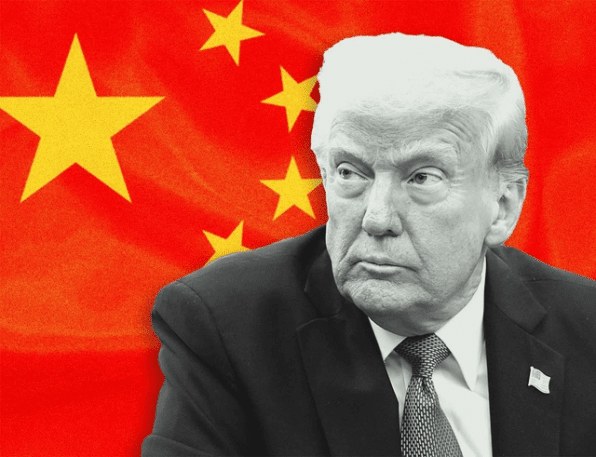
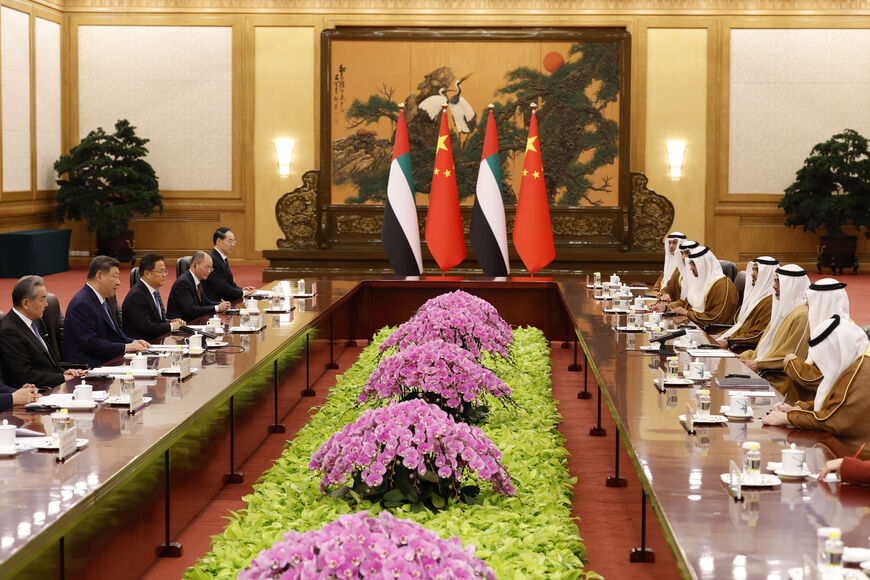
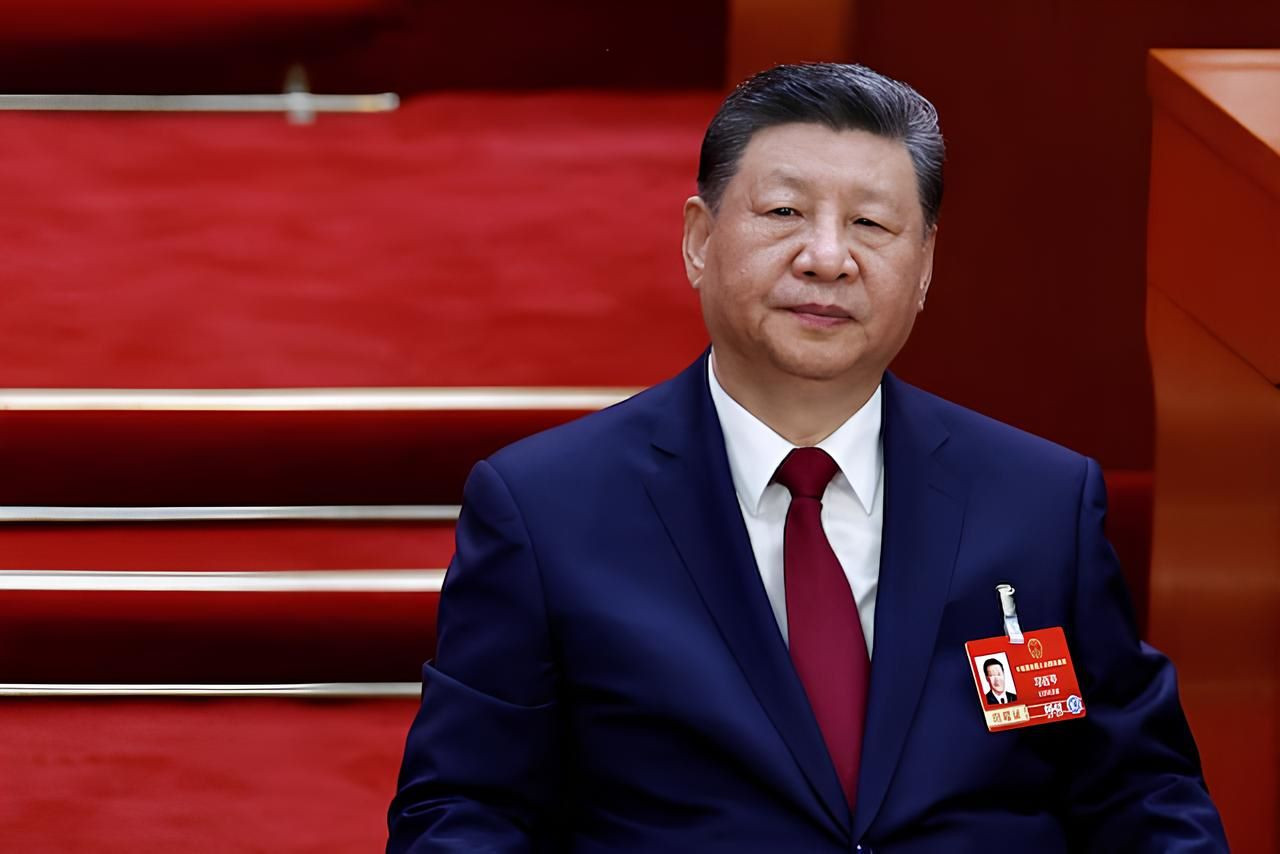
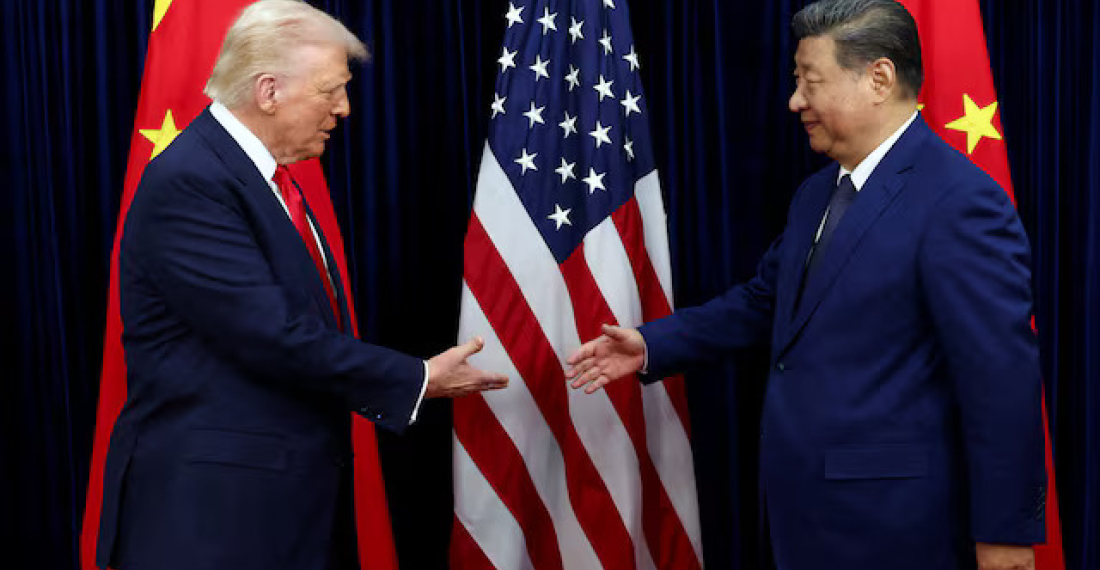
Tariff Uncertainty Window: The Trump-Xi summit scheduled for May 14-15 focuses narrowly on trade matters including Boeing purchases and agricultural deals, but analysts indicate "zero likelihood of a comprehensive grand bargain." This creates a critical 60-day window (now through mid-May) where tariff policy remains ambiguous. Sellers should avoid major inventory commitments until post-summit clarity emerges. China's deliberate low-profile diplomatic approach—leveraging Pakistan as intermediary while maintaining "plausible deniability"—signals Beijing prioritizes economic stability over regional leadership, suggesting trade negotiations will focus on bilateral commerce rather than geopolitical leverage.
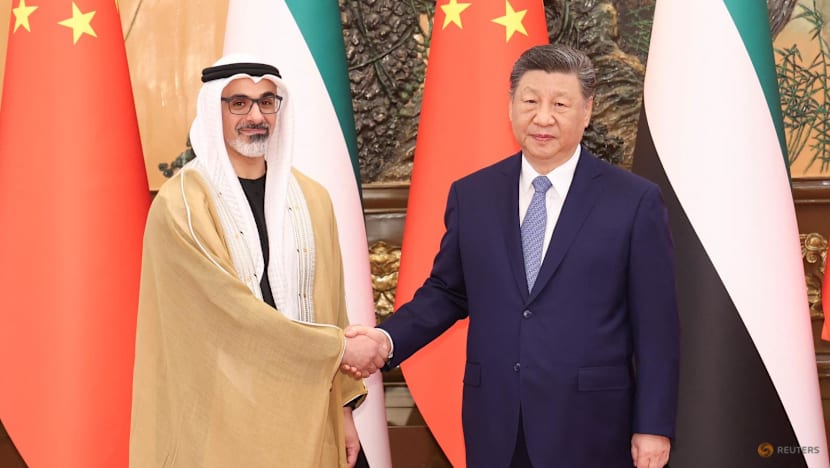
Competitive Sourcing Shifts: The disrupted "strategic infrastructure investments in the Middle East, including connectivity projects" mentioned in the Washington Post analysis indicates alternative sourcing corridors (Vietnam, India, Indonesia) may become more attractive despite higher unit costs. Sellers with flexible supply chains can capitalize on competitors locked into China-dependent sourcing by diversifying to Southeast Asian suppliers now, before cost premiums widen further. Pakistan's emerging role as mediation intermediary also signals potential logistics route optimization through South Asian ports as alternatives to traditional China-to-Middle East-to-Europe corridors.
Questions 7
How should sellers adjust inventory strategy given China's economic uncertainty?
Reduce China-dependent inventory by 15-25% and shift to just-in-time ordering for Q2-Q3 2025. The Washington Post reports 'weakening export demand' and 'economic risks to the Chinese economy,' indicating potential supplier financial stress. Implement weekly inventory monitoring in Seller Central; reduce safety stock for slow-moving SKUs. Prioritize fast-turning inventory (BSR under 5,000) to minimize holding costs during uncertain period. Negotiate extended payment terms (60-90 days) with suppliers to preserve cash flow. Consider FBA storage fee optimization by reducing overstock; storage fees increase 40% in Q2 (April-June), compounding margin pressure from rising freight costs.
What compliance or documentation changes should sellers prepare for given geopolitical tensions?
Prepare for potential customs delays and enhanced documentation requirements. Geopolitical tensions historically trigger increased customs scrutiny on goods from affected regions. Ensure all HS codes, origin declarations, and commercial invoices are audit-ready. For shipments arriving April-June 2025, expect 3-5 day additional customs processing. Work with customs brokers to pre-clear documentation; costs typically $50-150 per shipment but prevent delays. Monitor U.S. Customs and Border Protection (CBP) and EU customs announcements for Iran-related sanctions updates that could affect supply chain partners. Maintain 30-day buffer inventory for critical SKUs to absorb potential delays.