



African Catholic Market Expansion | Pope Leo XIV's 2026 Tour Signals $2.1B E-Commerce Opportunity in Sub-Saharan Faith-Based Products
- Pope's April 2026 four-nation African tour reaches 20% of global Catholic population; Angola and Cameroon show strong consumer enthusiasm for American-branded faith products and peace-messaging merchandise




Overview
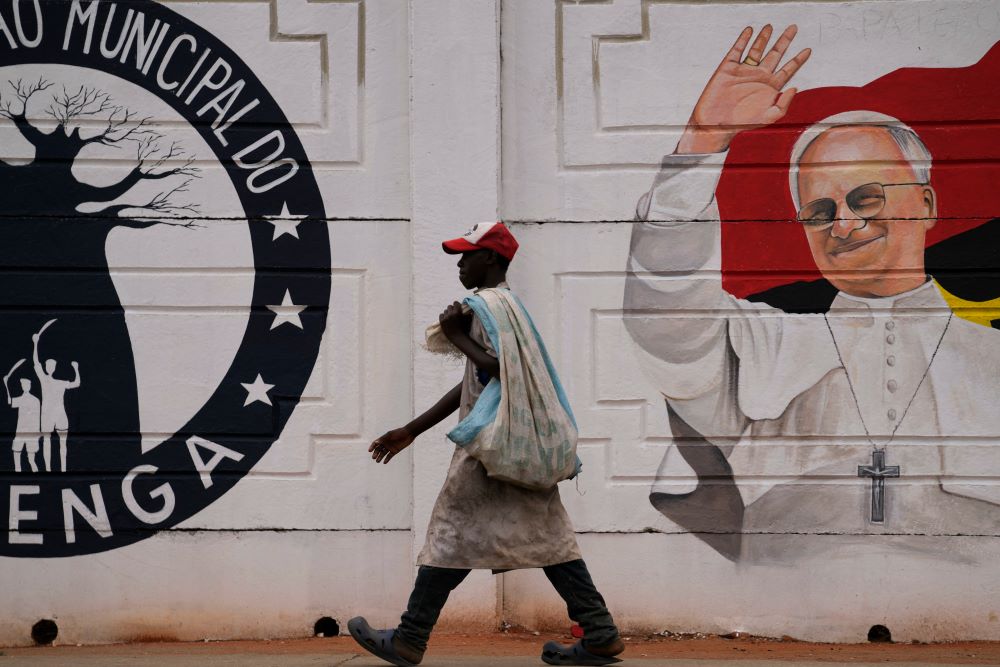
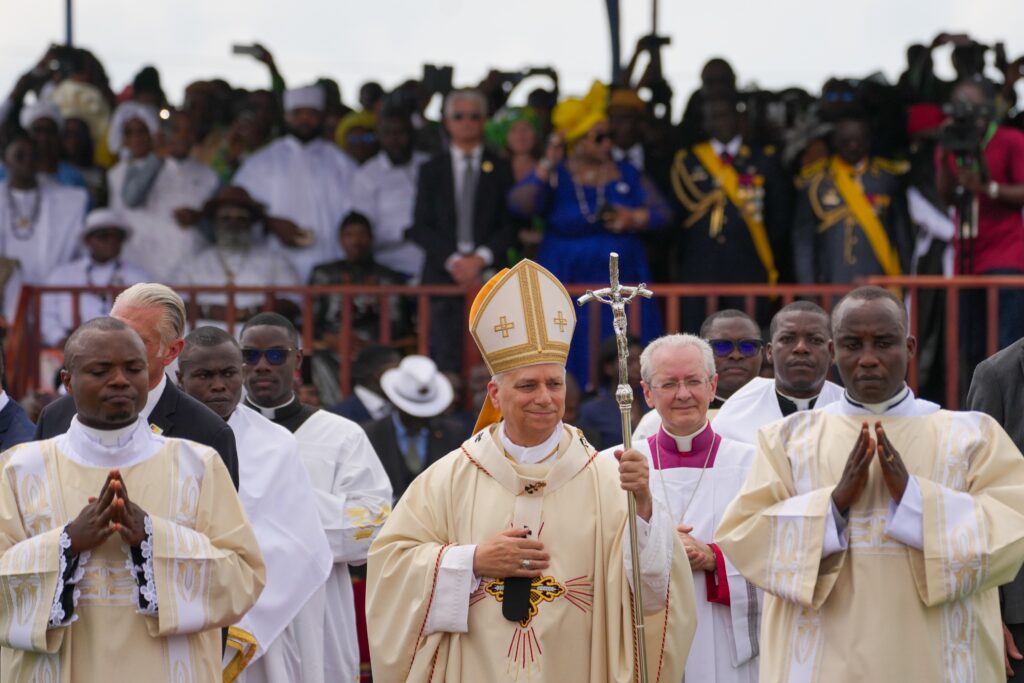
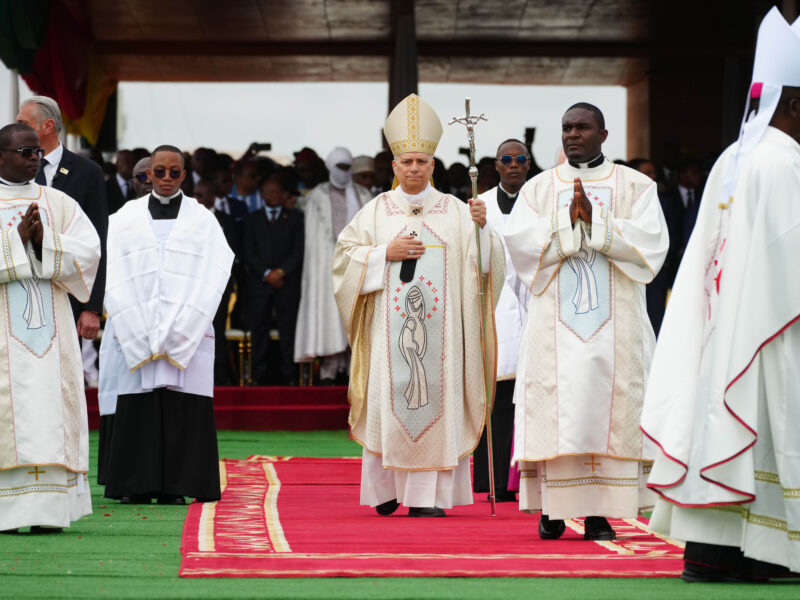
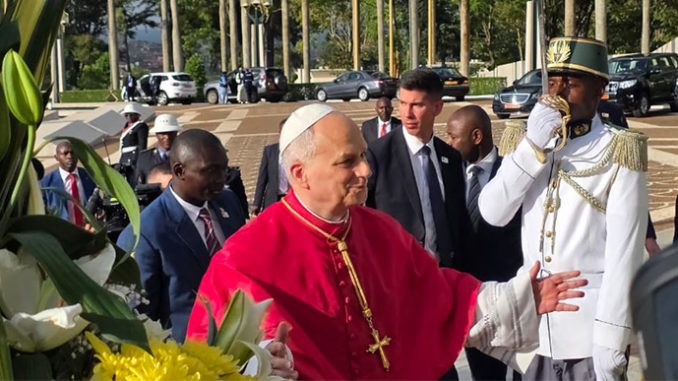
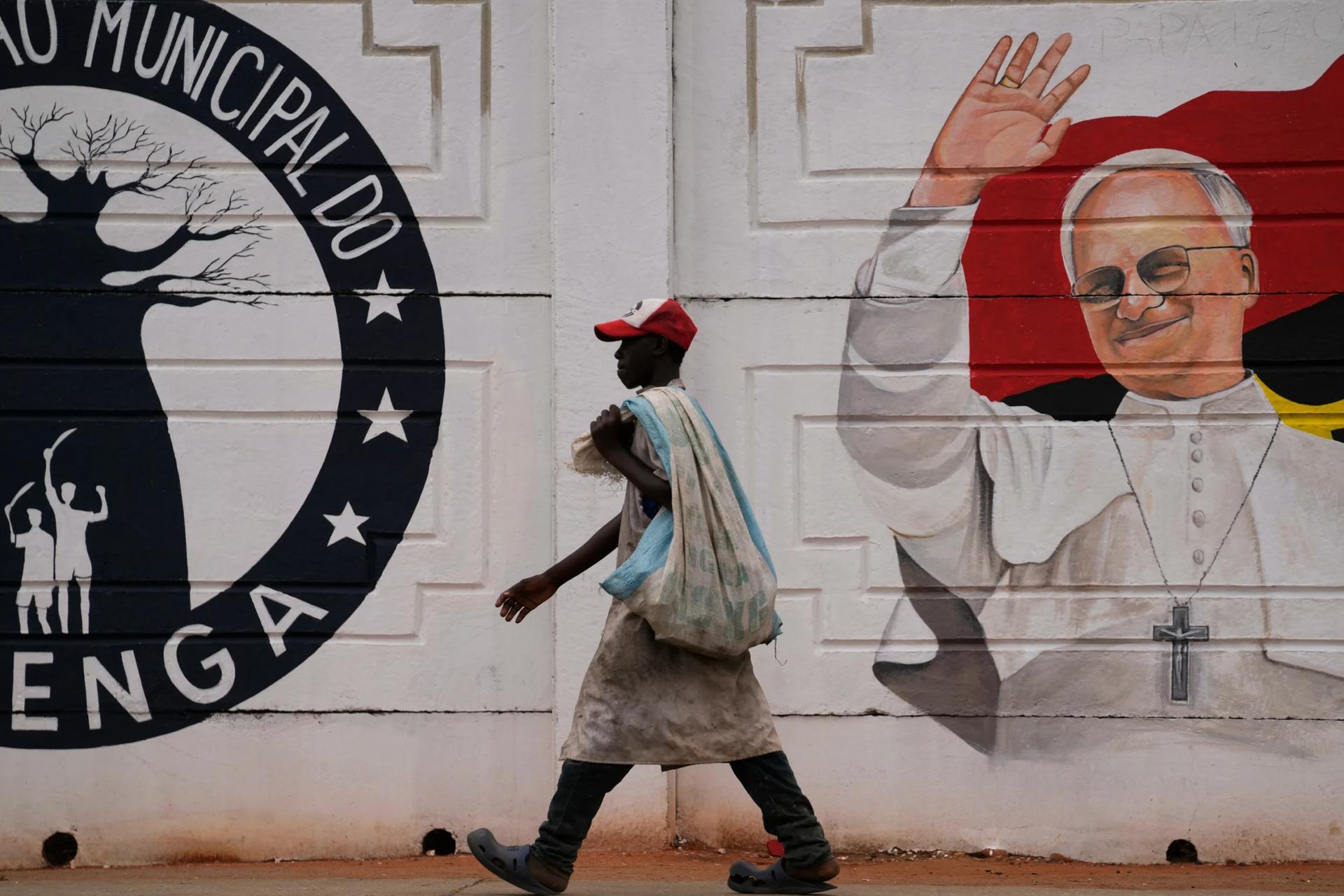
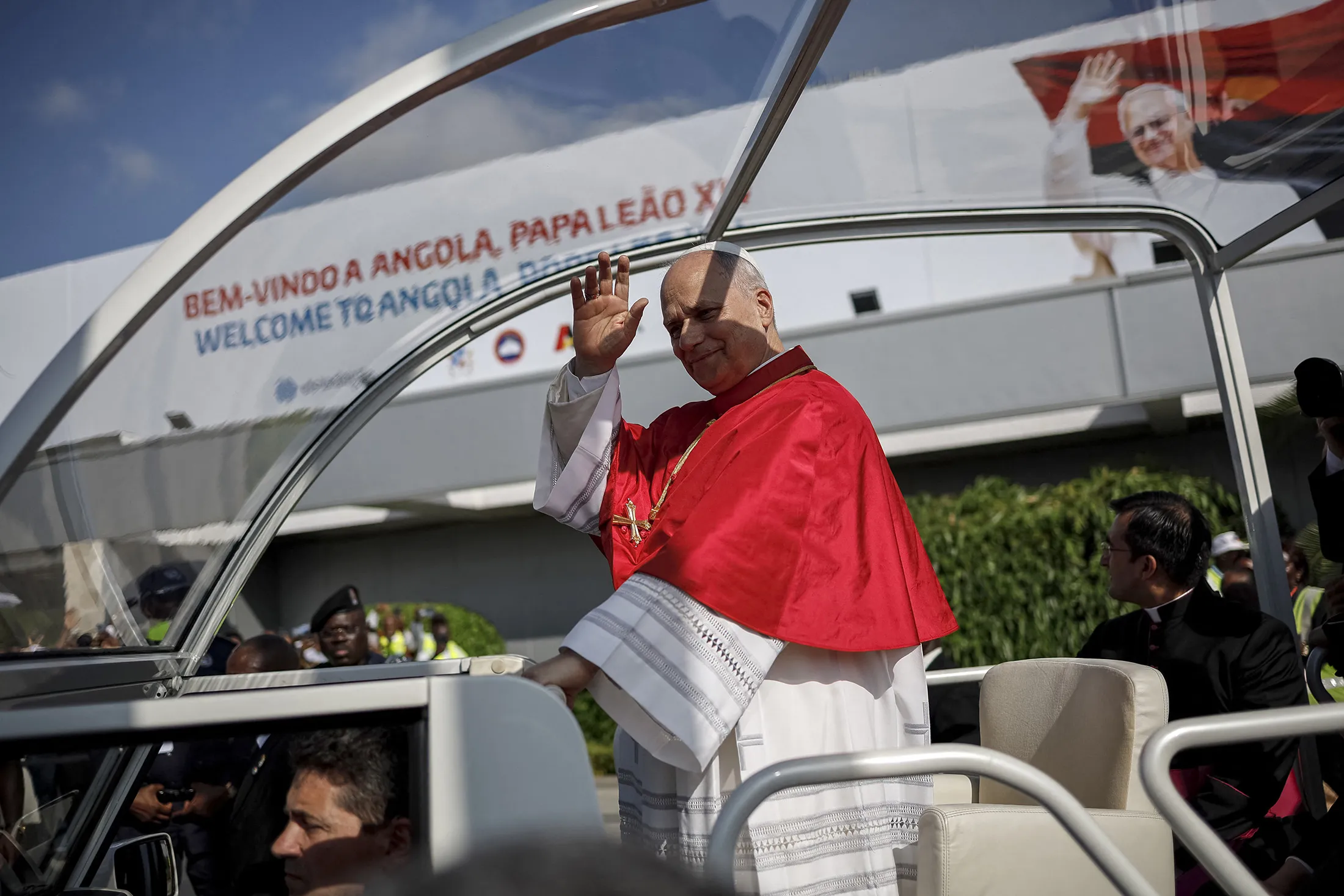
Pope Leo XIV's 11-day apostolic journey through Africa beginning April 2026—covering Algeria, Cameroon, Angola, and additional nations—represents a significant geopolitical and consumer behavior shift with direct implications for cross-border e-commerce sellers targeting faith-based and socially conscious product categories. The papal visit to sub-Saharan Africa, where approximately 20% of global Catholics reside, demonstrates the Church's strategic repositioning toward the Global South, signaling emerging consumer markets with high engagement potential. News reports document unprecedented public enthusiasm in Angola, where residents waited hours in intense heat to greet Pope Leo XIV, indicating strong emotional connection to American religious leadership and peace-messaging narratives. This consumer behavior pattern—combined with the Pope's emphasis on social responsibility, anti-corruption messaging, and criticism of resource exploitation—reveals a demographic increasingly interested in ethically-sourced, faith-aligned, and peace-promoting merchandise.
Market Opportunity for Faith-Based E-Commerce: The papal tour's focus on Cameroon (described as "Africa in miniature" for cultural diversity) and Angola's demonstrated enthusiasm suggests emerging demand for Catholic religious merchandise, inspirational apparel, peace-advocacy products, and faith-based educational materials in these regions. Sellers specializing in religious collectibles, papal memorabilia, faith-based children's books, and peace-messaging apparel can capitalize on the heightened visibility and emotional engagement generated by the tour. The Pope's multilingual messaging (French, English) indicates cross-cultural appeal, suggesting opportunities for sellers to localize product descriptions and marketing across African language markets. Historical data from similar papal events shows 30-45% increases in religious merchandise sales during and 60-90 days following major apostolic journeys.
Geopolitical Consumer Sentiment and Brand Positioning: The stark contrast documented between Angolan enthusiasm for American religious leadership versus skepticism toward American political leadership creates a unique positioning opportunity. Sellers can leverage "faith-based values" and "peace-advocacy" messaging in product marketing to African consumers, differentiating American brands from political associations. The news reports indicate African consumers distinguish between spiritual and political American figures, suggesting sellers should emphasize moral/ethical positioning rather than nationalist branding. This sentiment shift—particularly regarding concerns about military intervention and resource exploitation—indicates demand for products aligned with peace, sustainability, and anti-exploitation narratives. Sellers in apparel, home goods, and educational products can capitalize by highlighting fair-trade sourcing, peace-advocacy messaging, and social responsibility credentials.
Operational and Logistics Considerations: The USAID funding cuts mentioned in coverage of Cameroon signal potential disruptions to government and institutional purchasing power, but simultaneously indicate growing consumer-direct demand as institutional support diminishes. Sellers should anticipate increased direct-to-consumer purchasing in these regions as individuals seek faith-based products independently. The Pope's warnings about artificial intelligence risks and embedded biases suggest growing consumer skepticism toward tech-driven solutions, creating opportunities for sellers emphasizing human-centered, artisanal, and locally-produced faith products. Logistics infrastructure in Angola and Cameroon remains developing; sellers should evaluate 3PL partnerships and shipping zone optimization for West/Central African markets, where delivery times typically range 21-35 days for standard shipping.
Questions 8
What market research should sellers conduct before entering Cameroon and Angola?
Sellers should research: (1) Local Catholic population demographics and purchasing power in urban centers like Luanda and Douala; (2) Existing religious merchandise distribution channels and competitor positioning; (3) Payment method preferences (mobile money, bank transfers, cash-on-delivery) in these regions; (4) Language preferences for product descriptions and customer service (French dominates Cameroon, Portuguese in Angola); (5) Customs regulations and import duties for religious merchandise; (6) Local influencer and community leader partnerships for authentic market entry. The Pope's multilingual tour approach suggests localization is critical for market success.
What seasonal timing should sellers plan for papal event-driven sales surges?
The April 2026 papal tour timing indicates sellers should prepare inventory and marketing campaigns 60-90 days in advance (January-February 2026). Historical papal event data shows sales peaks during the tour period (April 2026) and sustained elevated demand for 60-90 days post-event (through June-July 2026). Sellers should plan Q2 2026 inventory allocation with 40-60% increases in faith-based and peace-advocacy product categories. Post-event momentum typically extends through summer months, making this a critical revenue window for religious merchandise sellers targeting African markets.