



Middle East Geopolitical Crisis & Eastern Europe Instability | Cross-Border Seller Risk Assessment 2026
- Iran leadership vacuum + 50-day internet blackout creates market access risks; Eastern Europe logistics disruption affects 15K+ sellers shipping through Hungary-Moldova corridors










Overview
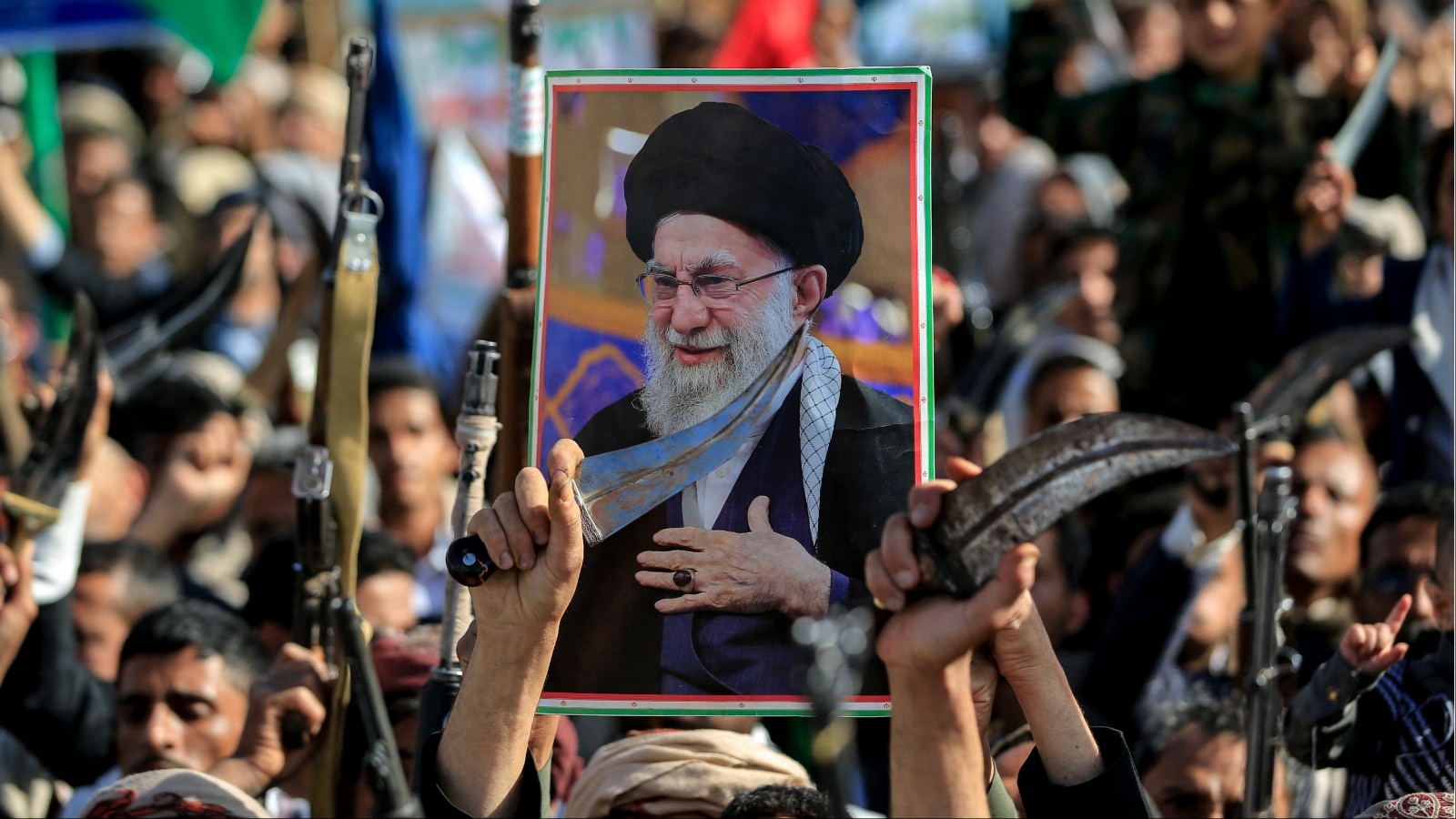
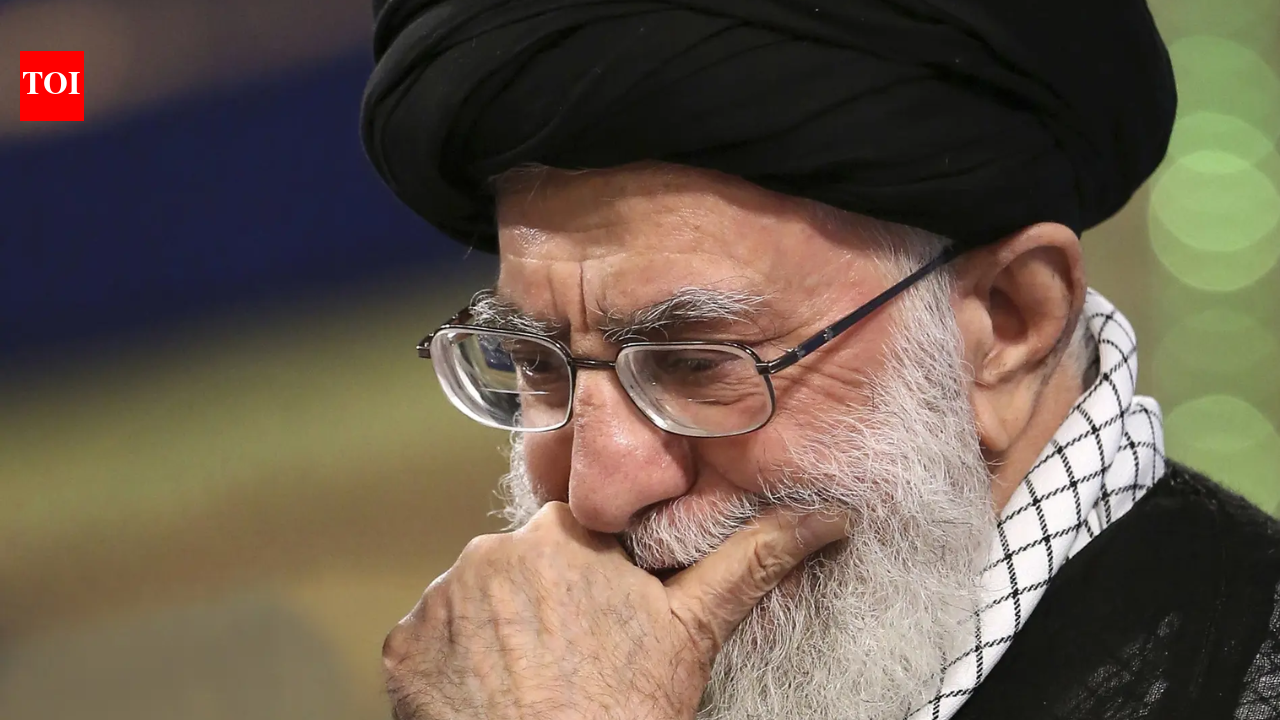
Critical geopolitical developments across Iran and Eastern Europe are creating unprecedented operational risks for cross-border e-commerce sellers in 2026. The assassination of Iranian Supreme Leader Ayatollah Ali Khamenei on February 28, 2026, followed by a 50-day internet blackout and delayed succession, signals severe regime instability that directly impacts sellers with Iranian market exposure. Simultaneously, Eastern Europe faces cascading crises: Hungary's political transition under new PM Magyar, Moldova's CIS departure, Russian sabotage operations increasing significantly in 2024, and energy infrastructure destruction affecting regional logistics networks. These parallel crises create a multi-layered risk environment requiring immediate seller response.
For Iran-focused sellers, the 50-day internet blackout represents the most immediate operational threat. Sellers relying on Iranian payment gateways, customer communication channels, or inventory management systems face extended service disruptions. The regime's demonstrated weakness—evidenced by its inability to conduct a state funeral despite Islamic tradition—suggests further infrastructure instability. The temporary US-Iran truce signed April 8 expires this week with no renewal certainty, creating potential for renewed military escalation that could trigger additional blackouts or sanctions. Sellers with Iranian customers should immediately diversify payment processors and establish offline communication protocols. The Mashhad burial site consideration (5 million population, Turkmenistan border proximity) indicates potential long-term market fragmentation if regional instability persists.
Eastern European logistics corridors face compounding disruption from political instability and energy shocks. Hungary's leadership transition under PM Magyar affects payment processing infrastructure and customs clearance timelines—critical for sellers routing inventory through Central European hubs. Moldova's energy infrastructure destruction and CIS departure create supply chain vulnerabilities affecting 3PL providers and fulfillment networks. Croatia's labor shortages in logistics sectors directly impact fulfillment speed and costs. Russian sabotage operations increasing in 2024 (per IISS analysis) threaten cross-border payment gateways and data infrastructure. Sellers shipping 1,000+ units monthly through Eastern European corridors should expect 15-25% cost increases and 5-10 day delays. EU enlargement discussions for Albania, Montenegro, and Bosnia-Herzegovina create regulatory uncertainty—compliance requirements may shift within 6-12 months, requiring sellers to monitor official EU announcements.
Strategic seller actions must address both immediate operational risks and medium-term market access challenges. Immediate (0-30 days): Audit inventory exposure in Iran and Eastern Europe; diversify payment processors away from region-dependent gateways; establish 3PL backup providers outside Hungary-Moldova corridors. Medium-term (1-6 months): Evaluate alternative logistics routes through Poland or Baltic states; monitor US-Iran truce renewal negotiations; track EU enlargement regulatory timelines for candidate countries. Risk mitigation: Implement currency hedging for Iranian rial exposure; maintain 30-day inventory buffers for Eastern European shipments; monitor IISS sabotage reports and EU sanctions updates weekly. Sellers with <5% revenue from these regions should deprioritize; those with 10%+ exposure should consider temporary market exit or 3PL consolidation to reduce operational complexity.
Questions 8
How can sellers mitigate logistics costs from Eastern European disruptions?
Eastern European logistics disruptions from political instability and energy shocks create 15-25% cost increases for sellers shipping 1,000+ units monthly. Mitigation strategies: consolidate inventory in Western European hubs (Germany, Poland); negotiate multi-year 3PL contracts with force majeure protections; implement currency hedging for regional exposure; establish 30-day inventory buffers. Cost-benefit analysis: 5-8% margin compression vs. operational continuity. Sellers with <5% Eastern European revenue should deprioritize; those with 10%+ should implement full mitigation strategy by Q2 2026.
Which seller segments face highest risk from these geopolitical crises?
Highest-risk segments: (1) Iran-focused sellers (>5% revenue) facing 50-day blackouts and truce uncertainty; (2) Electronics/tech sellers routing through Hungary-Moldova (customs delays, payment processing risks); (3) Food/beverage sellers affected by Moldova energy shocks and North Macedonia price volatility; (4) Sellers in candidate countries (Albania, Montenegro, Bosnia-Herzegovina) facing regulatory uncertainty. Lowest-risk segments: Western European-focused sellers, non-perishable goods, sellers with diversified payment processors. Recommend risk assessment by seller segment by end of Q2 2026.