


Tariff Tsunami: How Trump's Trade War is Drowning American Households in $1,200 of Hidden Costs
- Escalating import taxes reshape global trade dynamics and consumer economics



























Overview
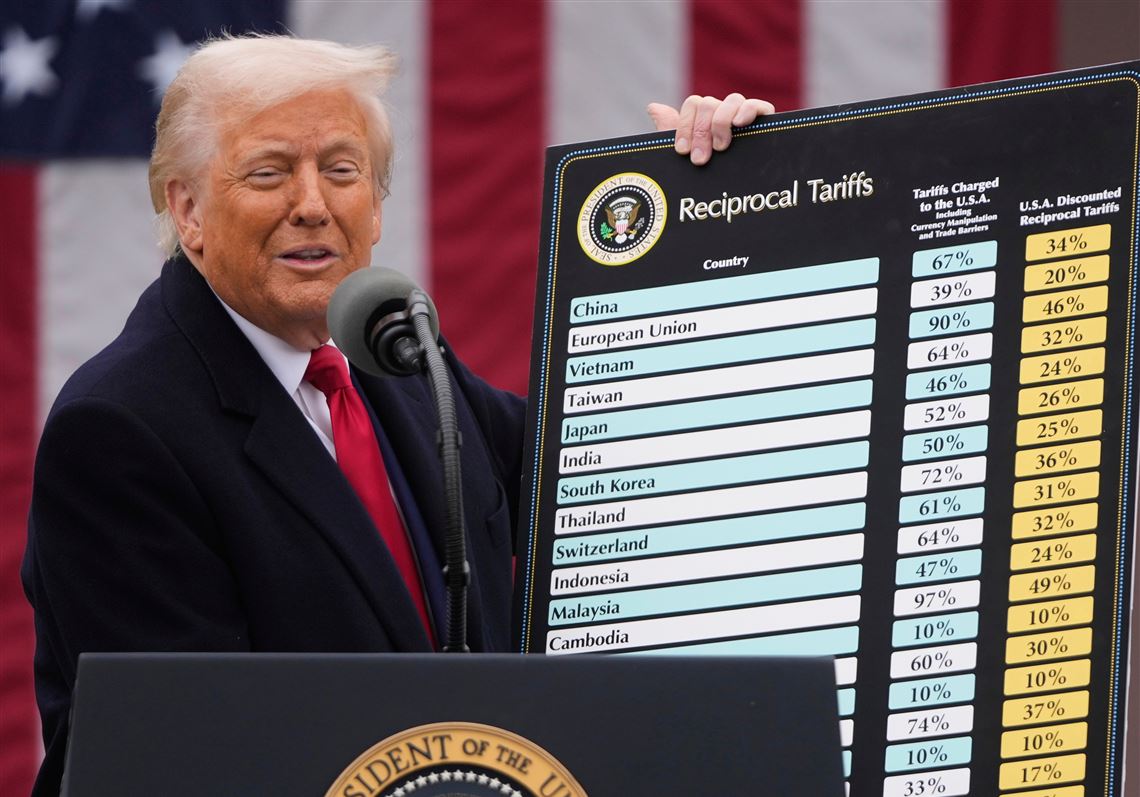
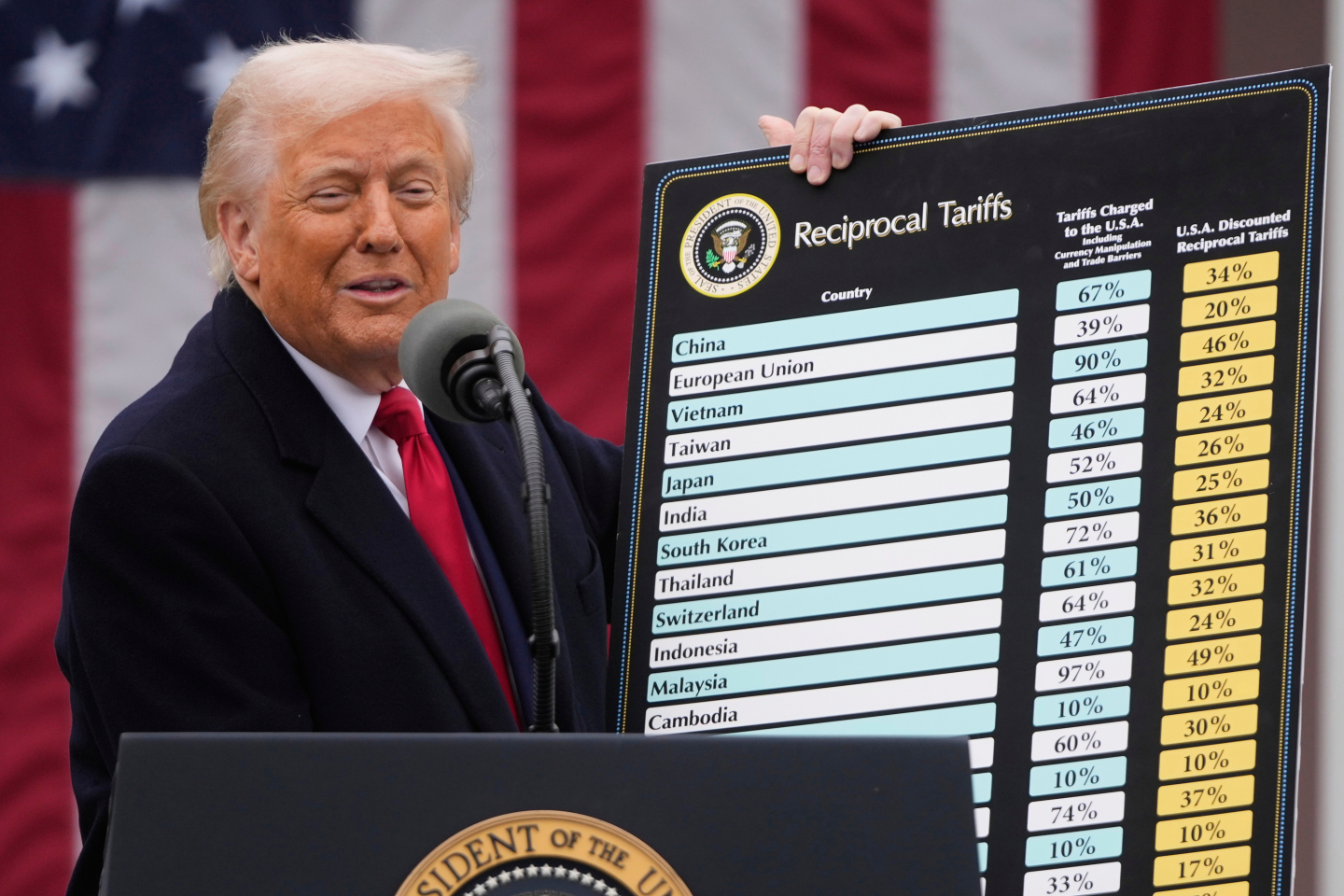
The tariff landscape is undergoing a dramatic transformation that extends far beyond simple trade policy, revealing a complex economic battleground with profound implications for American households and global markets. Since Trump's potential return to political prominence, U.S. households have been hit with a staggering economic burden, with average families facing nearly $1,200 in additional costs directly attributable to aggressive import taxation strategies.
The economic impact is multifaceted and far-reaching. Monthly tariff expenses have escalated dramatically, rising from less than $60 in early 2024 to $181.29 by November, suggesting an accelerating financial pressure on consumers. The Joint Economic Committee's analysis paints a stark picture: if current tariff levels persist, families could face up to $2,100 in annual tariff-related expenses – effectively a massive, hidden tax on everyday economic activity.
Beyond domestic consequences, these tariffs are creating global economic disruptions. Multiple international markets have experienced significant contractions, with countries like Switzerland, Japan, and Mexico seeing sharp economic downturns directly linked to unpredictable trade policies. The Canadian manufacturing sector has been particularly vulnerable, shedding 36,500 jobs and reaching its smallest workforce since September 2021.
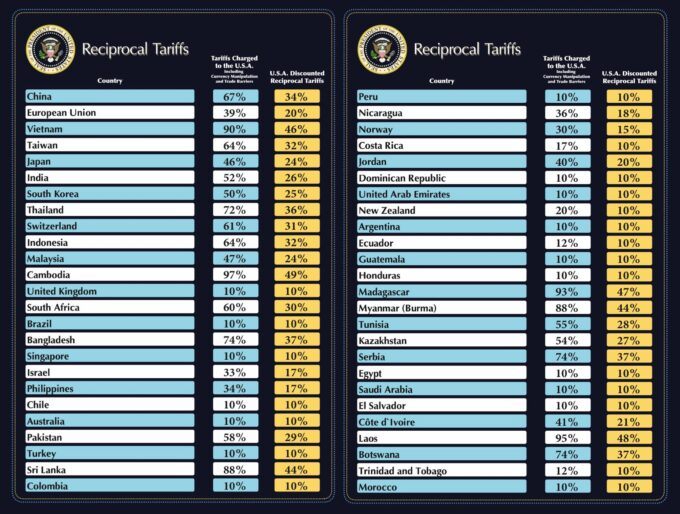
The tariff strategy represents a complex economic chess game. While the White House argues these measures secure investments in American manufacturing and create more balanced trade deals, economists like Kimberly Clausing characterize them as the largest tax increase on Americans since 1982. The effective U.S. import tax rate has surged to 16.8% – the highest since 1935 – creating a protectionist environment that fundamentally reshapes international trade dynamics.
Politically, the strategy is increasingly controversial. With a 61% public disapproval rating and declining economic management perception, these tariffs are becoming a significant liability. The ongoing debate highlights a critical tension: while ostensibly aimed at reshoring manufacturing, the policies predominantly result in businesses passing increased costs directly to consumers.
For cross-border businesses and e-commerce sellers, this represents a complex operational environment. Companies must now navigate rapidly shifting trade landscapes, with potential increased costs, market friction, and the need for agile pricing and sourcing strategies. The tariff regime is not just an economic policy, but a transformative force reshaping global supply chains and international commerce.
Questions 4
What global markets are most significantly impacted by these tariffs?
Multiple international markets have experienced economic disruptions, with Switzerland, Japan, and Mexico seeing sharp contractions. The Canadian manufacturing sector has been particularly hard-hit, losing 36,500 jobs. Brazil's coffee exports to the U.S. have more than halved due to a 50% tariff, demonstrating the far-reaching consequences of these trade policies.
What are the potential long-term implications of these tariff strategies?
These tariffs are reshaping global supply chains and international commerce. They're creating a more protectionist trade environment, potentially forcing businesses to reconsider sourcing strategies, relocate manufacturing, and adapt pricing models. The current approach could accelerate shifts in global manufacturing networks and international economic relationships.