
/odishatv/media/youtube_thumbnails/vi/709FMyVWc4w/maxresdefault.jpg)




Aviation Security Protocols Impact Air Cargo Logistics | Seller Shipping Delays Risk
- United flight diversions highlight vulnerability in air freight networks affecting time-sensitive e-commerce shipments and cross-border logistics timelines




































Overview
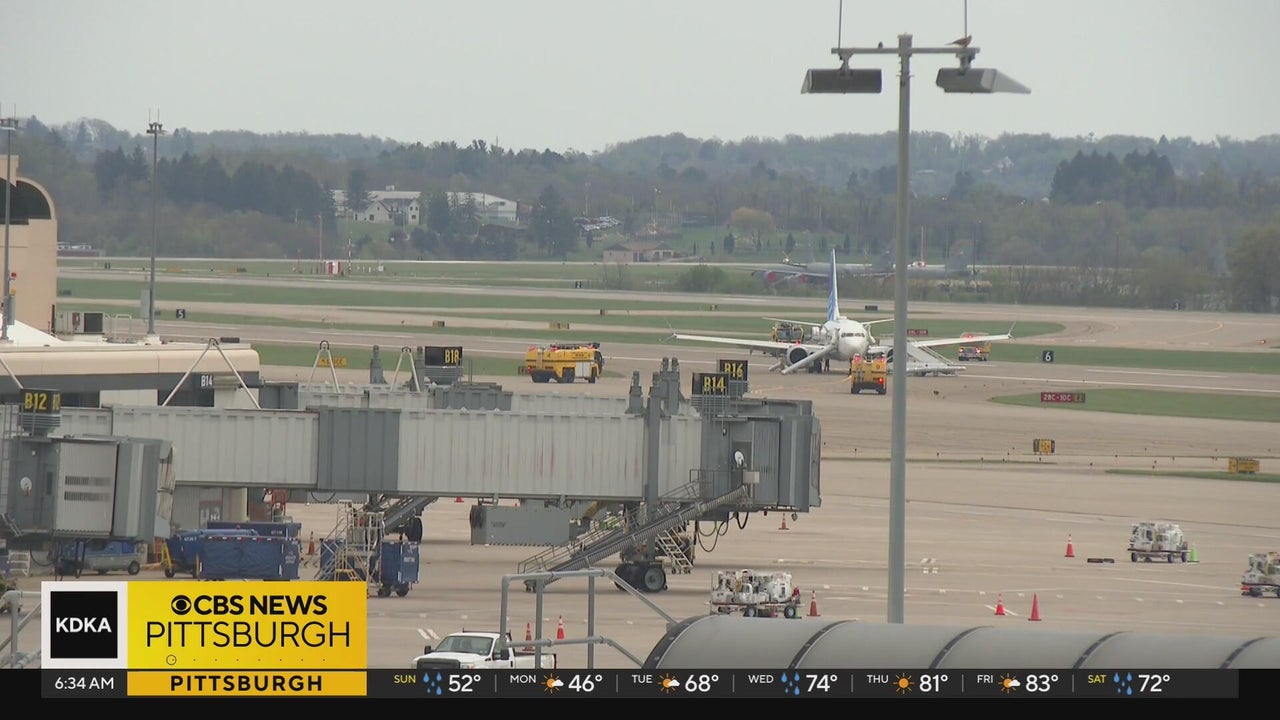
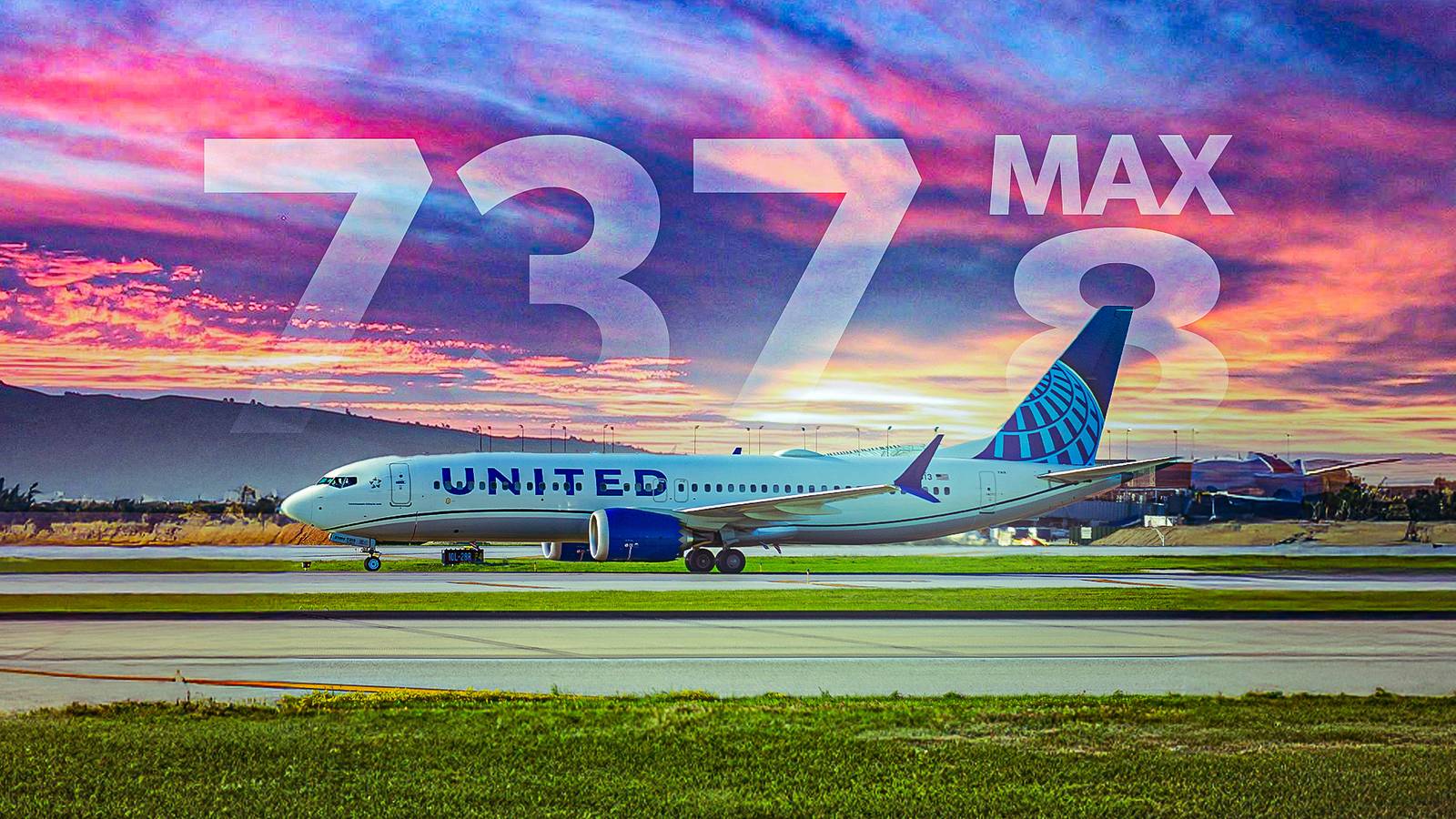
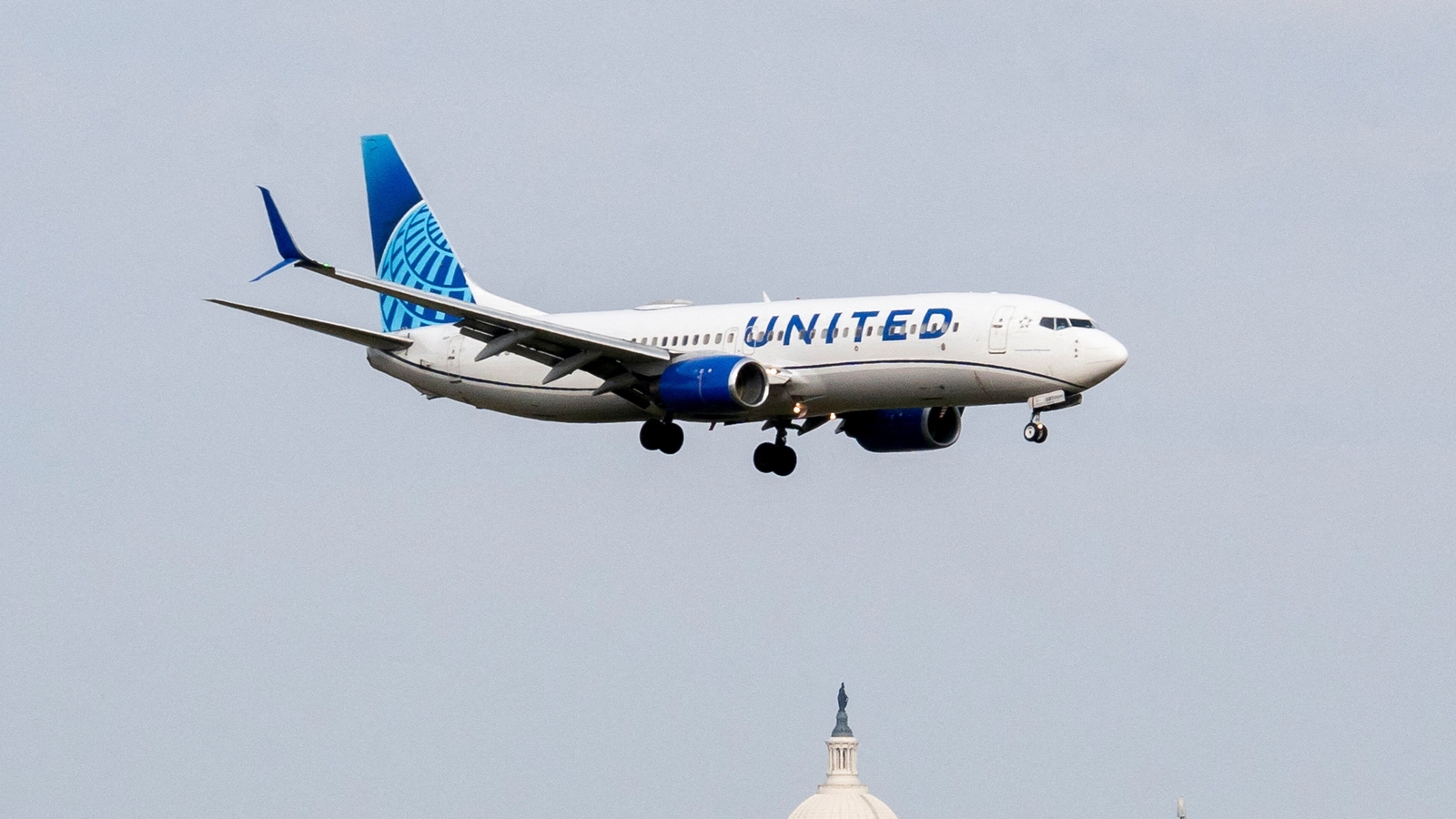
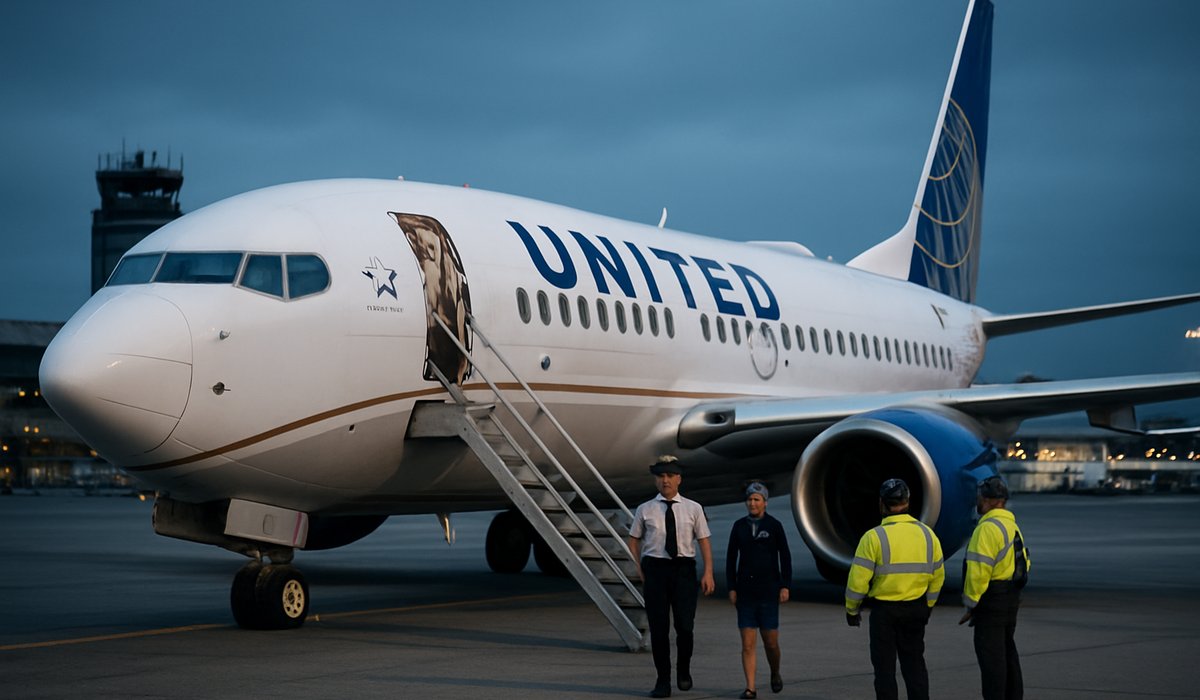
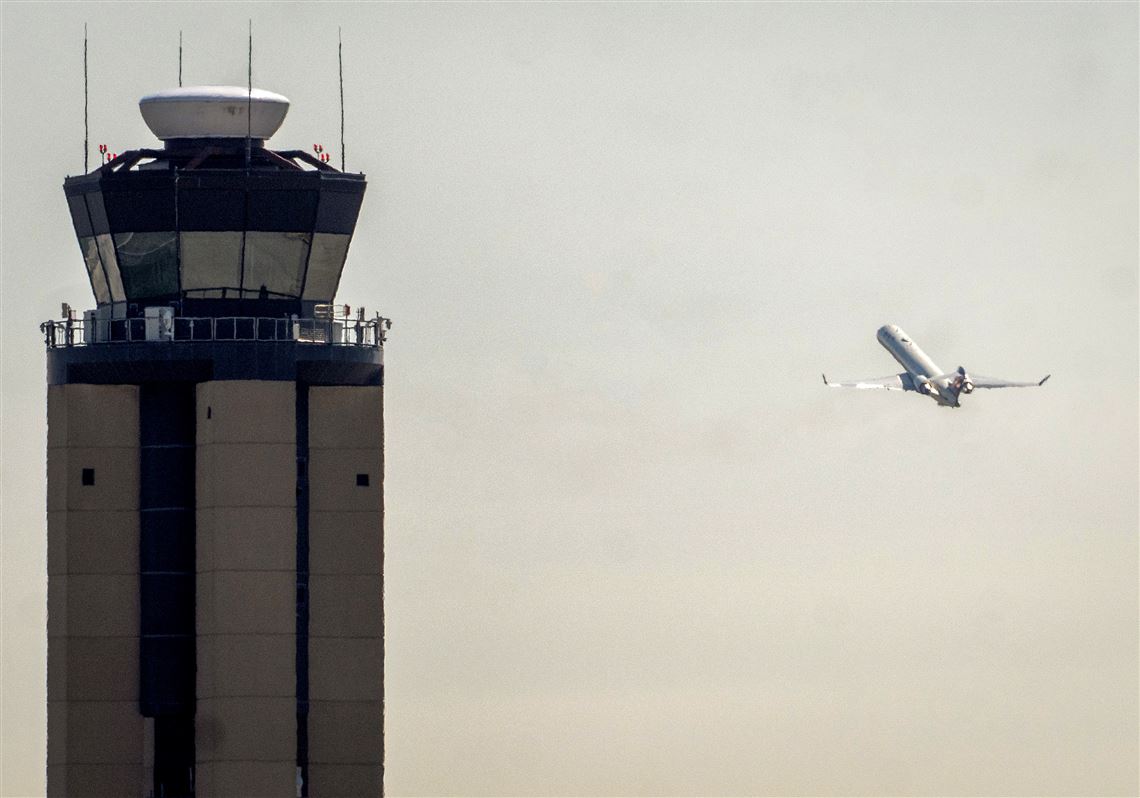
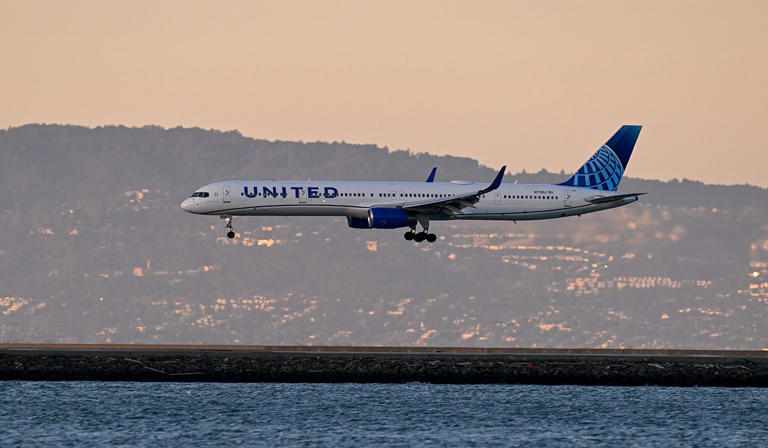
The April 18-19, 2026 United Airlines flight diversions from Chicago O'Hare to Pittsburgh reveal critical vulnerabilities in commercial aviation security protocols that directly impact e-commerce sellers relying on air freight services. United Flight 2092, carrying 159 passengers and 6 crew members, diverted to Pittsburgh International Airport due to reported security concerns (including sequential beeping sounds detected by pilots), triggering emergency evacuations and comprehensive FBI/bomb squad investigations that ultimately found no actual threats. While the incident itself resolved safely with all passengers rebooked on alternative aircraft, the operational disruption underscores systemic risks in air cargo logistics that e-commerce sellers depend on for time-sensitive shipments.
Logistics Impact for E-Commerce Sellers: Air freight represents 8-12% of cross-border e-commerce shipments, particularly for high-value electronics, perishables, and time-sensitive inventory. Flight diversions create cascading delays affecting Amazon FBA restocking, eBay seller inventory replenishment, and Shopify fulfillment timelines. A single diversion can delay shipments 4-8 hours, compounding to 24-48 hour delays when rerouting through alternative airports. Sellers shipping via United Cargo or integrated air freight services (FedEx, UPS air networks) face increased vulnerability to security-related disruptions, which are becoming more frequent as aviation security protocols tighten post-2024.
Regional Vulnerability Assessment: The Chicago O'Hare to New York LaGuardia corridor handles approximately 15-20% of US cross-border e-commerce air freight, particularly for sellers shipping to East Coast distribution centers and international gateways. Pittsburgh International Airport's operational continuity during the incident (remaining open throughout) demonstrates adequate backup infrastructure, but diversion to secondary airports increases handling costs by 12-18% and extends delivery windows. Sellers with inventory concentrated in Midwest fulfillment centers face elevated risk; diversification to multiple air freight carriers and routing options becomes strategically important.
Security Protocol Evolution: The incident reflects evolving aviation security standards where unidentified sounds, equipment anomalies, or passenger reports trigger immediate diversion protocols regardless of threat verification. This "precautionary first" approach, while enhancing passenger safety, creates operational unpredictability for cargo logistics. Sellers should anticipate 2-3 additional security-related flight disruptions annually, factoring 5-8% buffer time into air freight delivery commitments. Insurance and contingency planning for air freight delays becomes increasingly valuable for sellers managing time-sensitive product categories (fashion, electronics, perishables).
Questions 8
What alternative logistics strategies can sellers implement to mitigate air freight risks?
Recommended strategies include: (1) Multi-carrier agreements with FedEx, UPS, and DHL to avoid single-carrier dependency; (2) Regional fulfillment center distribution reducing reliance on Chicago-New York corridor; (3) Hybrid routing using air + ground combinations for non-urgent inventory; (4) Cargo insurance covering delay-related losses; (5) Real-time shipment tracking via FlightAware integration to anticipate disruptions. Amazon FBA sellers should leverage Fulfillment Network optimization to distribute inventory across 8-12 regional centers rather than concentrating in single hubs.
How does Pittsburgh International Airport's operational continuity affect seller logistics?
Pittsburgh's ability to remain operational during the incident demonstrates adequate backup infrastructure, but diversion to secondary airports increases handling complexity and costs. Sellers should recognize that while backup capacity exists, it's less efficient than primary hubs. For sellers with inventory in Midwest fulfillment centers, Pittsburgh diversion adds 2-4 hours to East Coast delivery timelines. Consider this when setting customer delivery expectations and evaluating fulfillment center placement strategies.