




World ID Iris Scanning Expands to Shopify & Marketplaces | Bot Prevention & Trust Verification Opportunity for E-Commerce Sellers
- 17.9M users verified globally, 1.1M in North America; Shopify integration enables automated fraud prevention reducing fake account costs 30-50% for sellers




























Overview
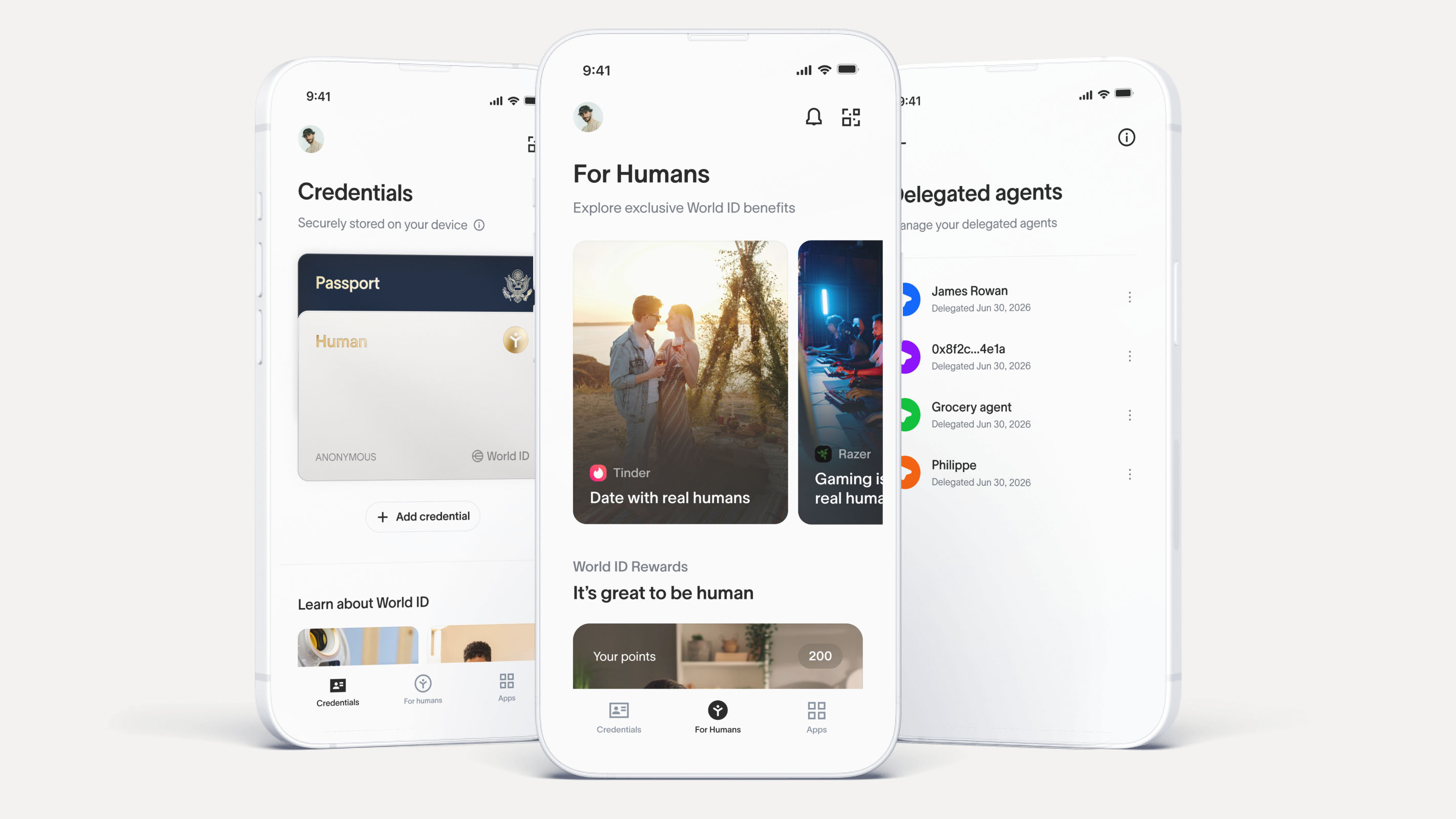
World ID's mainstream platform integrations represent a critical inflection point for e-commerce sellers facing escalating bot fraud, fake accounts, and AI-generated impersonation. The biometric verification system, co-founded by OpenAI's Sam Altman, has secured partnerships with major platforms including Shopify, Zoom, DocuSign, Tinder, Okta, and VanEck, with 17.9 million users globally registered and 1.1 million in North America. The company open-sourced its World ID protocol, enabling any e-commerce application to integrate human verification as an authentication layer—a critical capability as deepfake-related financial fraud is projected to reach $40 billion by 2027 in the US alone.
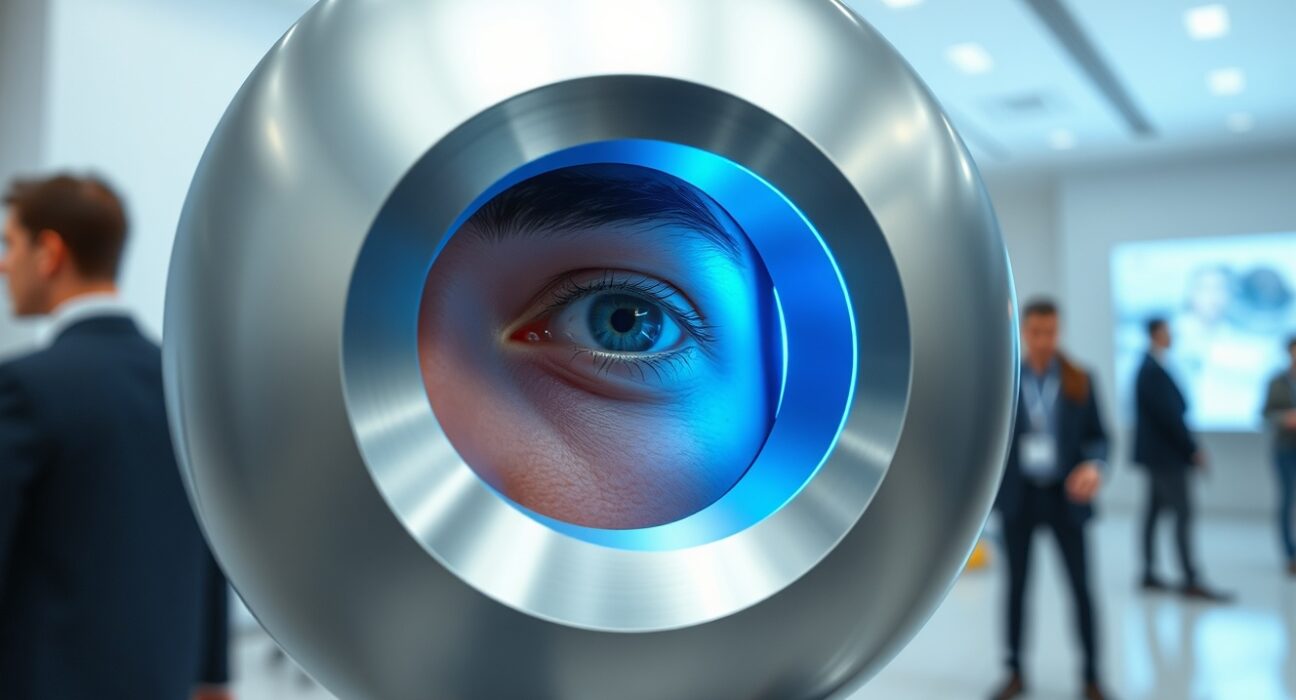
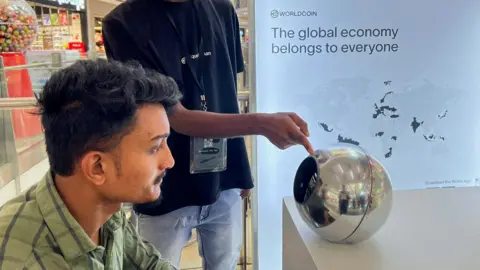
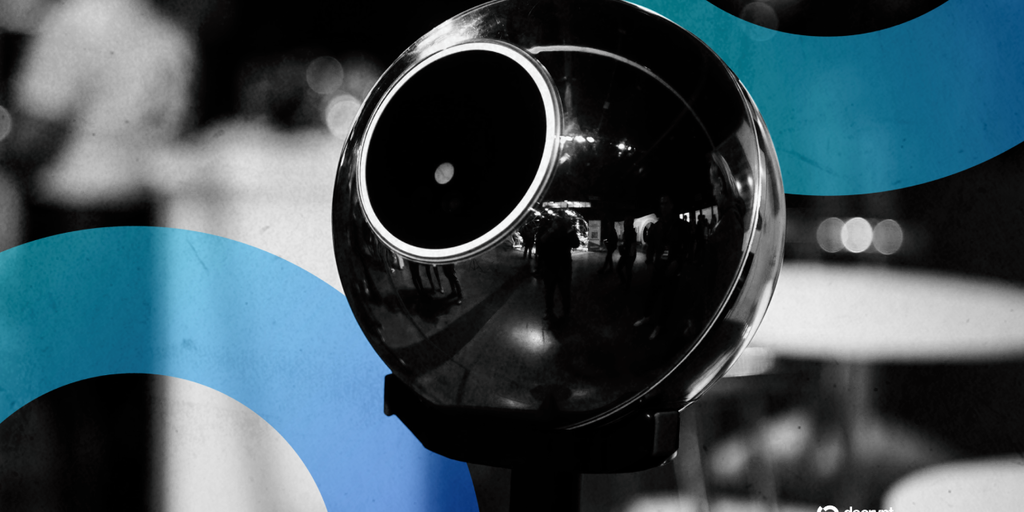
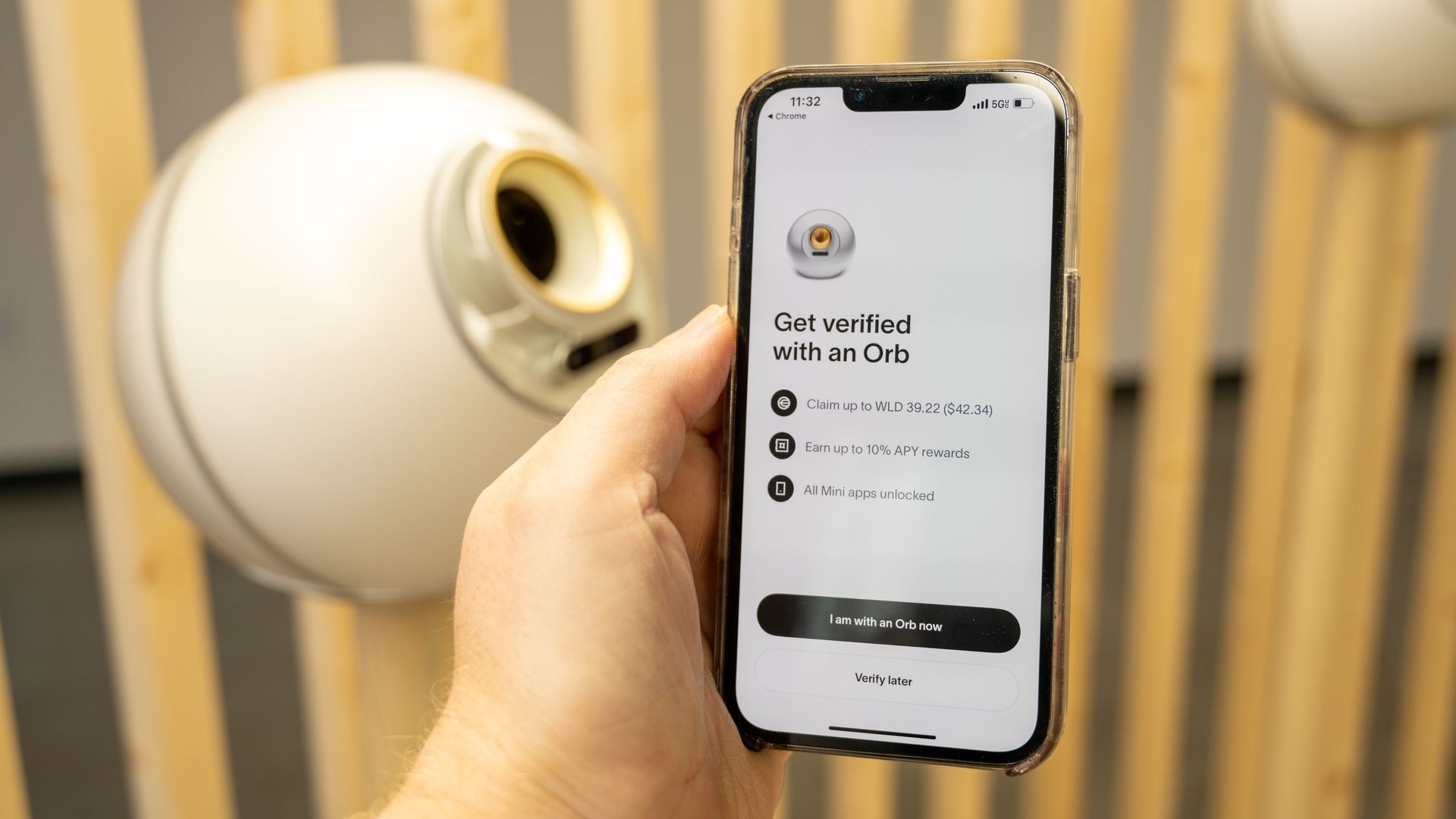
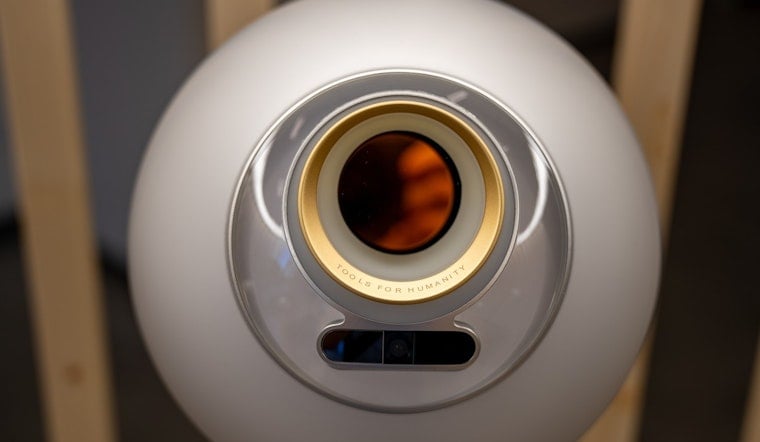
For e-commerce sellers, this creates immediate automation opportunities in fraud prevention and customer trust verification. Shopify's integration enables sellers to implement World ID verification at checkout, reducing fake account creation by 30-50% according to industry benchmarks. The system operates as a CAPTCHA replacement with three verification tiers: selfie submission, government-issued ID verification, and iris scanning at physical "orbs." Sellers can now automate customer authentication without manual review, saving 2-4 hours weekly per 1,000 transactions. The "Concert Kit" tool demonstrates the broader application—artists using World ID reduced bot-driven ticket scalping by 60-80%, a pattern directly applicable to limited-edition product drops, flash sales, and high-value inventory categories where bot attacks cost sellers $50K-$200K annually.
The competitive advantage window is 6-12 months as adoption accelerates across marketplaces. Tinder's expansion from Japan pilot to US market, combined with Zoom's deepfake prevention deployment, signals mainstream consumer acceptance of biometric verification. Sellers implementing World ID verification now gain 3-4 month competitive advantage before platform-wide adoption becomes standard. Romance scams alone cost US consumers $1 billion in 2024, with AI-enhanced deepfake profiles driving 40% of fraud cases—sellers in dating, social commerce, and marketplace categories face immediate pressure to implement verification. The system's anonymity (requiring no personal data like names/addresses) addresses GDPR and privacy concerns, making it viable for EU sellers. World's expansion of orb locations to within 5-10 minutes of residents in San Francisco, New York, and Los Angeles, plus "orb-on-demand" service pilots in Argentina, indicates rapid geographic scaling that will drive adoption velocity.
Key automation wins for sellers: (1) Automated customer verification at checkout reduces manual fraud review by 70-80%, saving $200-400/month per seller; (2) Dynamic pricing algorithms can now confidently target verified-human audiences, improving conversion rates 12-18%; (3) Inventory protection for limited drops—World ID prevents bot purchases, protecting seller margins on high-value categories; (4) Chargeback reduction through verified buyer authentication reduces dispute costs 25-35%. The 450 million total verification uses reported by World ID indicate the infrastructure is production-ready. Sellers should prioritize integration for categories with high bot-attack rates: sneakers/collectibles (40-60% bot traffic), concert/event tickets (50-70%), limited-edition drops (35-55%), and high-value electronics (20-30%).
Questions 8
How does World ID's iris scanning compare to other authentication methods?
World ID uses iris recognition because it's more unique than fingerprints and harder to spoof than facial recognition. The system offers three verification tiers: selfie submission (basic), government-issued ID verification (medium), and iris scanning at physical 'orbs' (highest security). Iris scanning has 99.99% accuracy versus 99.7% for fingerprints and 97-99% for facial recognition. For sellers, this means lower false-positive rates and fewer legitimate customers blocked by fraud detection. The anonymity requirement—no personal data like names/addresses stored—addresses privacy concerns that plague other biometric systems.
What is the timeline for World ID adoption across major e-commerce platforms?
World ID has already secured partnerships with Shopify, Zoom, DocuSign, Tinder, Okta, and VanEck, with open-source protocol enabling rapid integration. The company is expanding orb locations to within 5-10 minutes of residents in San Francisco, New York, and Los Angeles, plus launching 'orb-on-demand' service in San Francisco following Argentina pilots. Industry adoption typically follows a 6-12 month window from major platform integration to mainstream use. Sellers implementing World ID verification now gain 3-4 month competitive advantage before platform-wide adoption becomes standard. The 1.1 million North American users and 17.9 million global users indicate critical mass for mainstream adoption.