



Bulgaria's Political Shift Reshapes EU Market Dynamics | Cross-Border Seller Impact
- Pro-Russian government threatens 6.5M consumer market stability; euro adoption volatility creates pricing challenges for sellers shipping to Bulgaria
















Overview
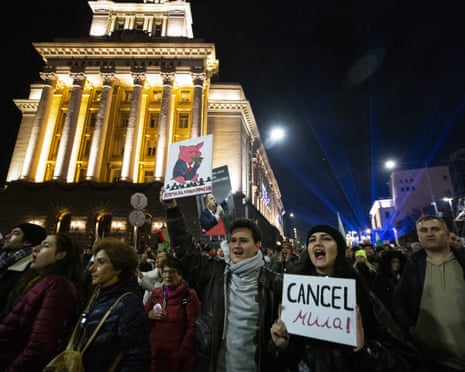
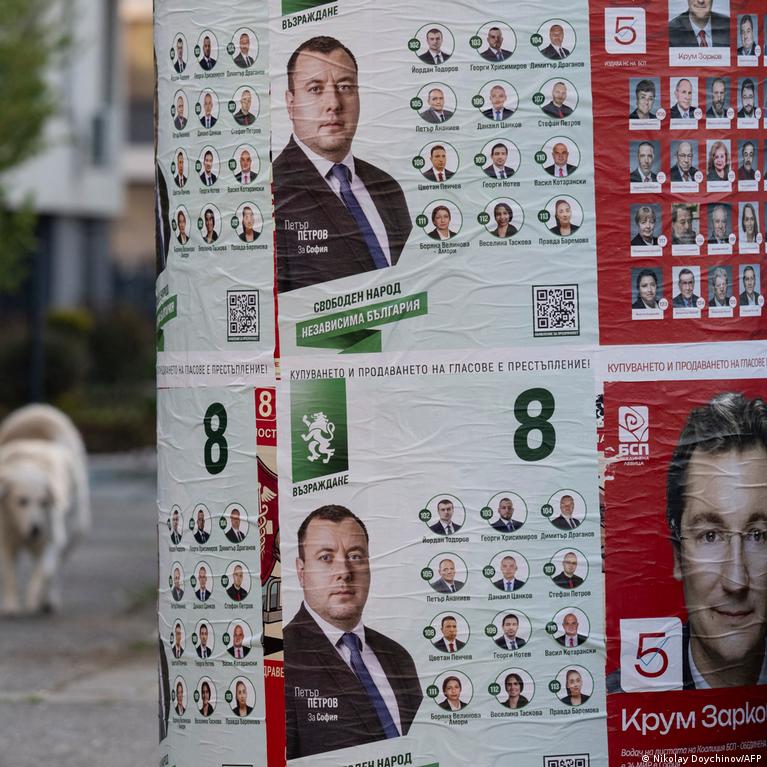
Bulgaria's April 19, 2026 parliamentary election delivered a decisive victory for pro-Russian former President Rumen Radev's Progressive Bulgaria coalition, securing 40-45% of the vote and a parliamentary majority. This represents the eighth election in five years, reflecting deep political instability that directly impacts cross-border e-commerce operations targeting Bulgaria's 6.5 million population. The election outcome carries significant implications for sellers operating in EU markets, particularly those managing inventory, pricing, and compliance across the Eurozone.
Market Volatility and Currency Risk: Bulgaria adopted the euro in January 2025, intensifying cost-of-living concerns that drove voter turnout to 50-60%—nearly double the 34% recorded in June 2024. This currency transition creates pricing complexity for cross-border sellers. The election's pro-Russian orientation introduces geopolitical uncertainty regarding Bulgaria's EU compliance trajectory, potentially affecting VAT harmonization, customs procedures, and trade agreements that sellers depend on. Radev's skepticism toward eurozone policies and security agreements with Ukraine signals potential friction with EU regulatory frameworks that govern e-commerce operations.
Consumer Behavior Shift and Purchasing Power: The election reflects widespread voter frustration with corruption, weak governance, and rising costs—factors that directly suppress consumer purchasing power in Bulgaria, already the EU's poorest member state. Sellers targeting Bulgarian consumers should anticipate reduced discretionary spending on non-essential categories (apparel, electronics, home goods) while demand for value-oriented products and essentials may increase. The 50% voter turnout surge indicates heightened political engagement, which historically correlates with reduced online shopping activity during election periods and immediate post-election uncertainty.
Regulatory and Compliance Uncertainty: Radev's coalition pledges to "dismantle oligarchic structures" and implement judicial reforms, signaling potential changes to business registration, tax compliance, and payment processing frameworks. While EU officials assess Radev poses "less disruption risk than Viktor Orbán," his pro-Moscow stance creates ambiguity regarding sanctions compliance, payment processor availability, and logistics partnerships. Sellers with Bulgarian suppliers or fulfillment operations should monitor coalition negotiations (expected to conclude within days) for clarity on business environment changes. The political gridlock that produced eight elections in five years demonstrates governance instability that could delay regulatory clarity sellers need for operational planning.
Questions 8
How does Bulgaria's political shift affect cross-border sellers shipping to the country?
Bulgaria's election of a pro-Russian government introduces regulatory uncertainty for sellers operating in EU markets. The new coalition's pledges to reform judicial systems and business structures could alter VAT compliance procedures, payment processing frameworks, and customs documentation requirements. Sellers should monitor coalition negotiations for clarity on business registration changes and potential shifts in EU regulatory alignment. Bulgaria's euro adoption in January 2025 already created pricing complexity; political instability may further complicate currency forecasting and inventory pricing strategies for the 6.5 million-person market.
What consumer spending trends should sellers expect in Bulgaria post-election?
The election reflects voter frustration with rising costs and weak governance, signaling reduced discretionary purchasing power in Bulgaria—already the EU's poorest member state. Sellers should anticipate declining demand for non-essential categories (apparel, electronics, home goods) while value-oriented and essential products may see sustained interest. The 50-60% voter turnout surge indicates heightened political engagement, which historically correlates with reduced online shopping during election periods. Post-election uncertainty typically suppresses consumer confidence for 4-8 weeks, affecting conversion rates and average order values in emerging markets.