


South China Sea Tensions Escalate | Critical Supply Chain Risk for Asia-Pacific E-Commerce Sellers
- Shipping costs surge 8-15% as military patrols restrict maritime corridors handling 33% of global trade; sellers with China-Vietnam-Philippines inventory face 2-4 week delivery delays



Overview
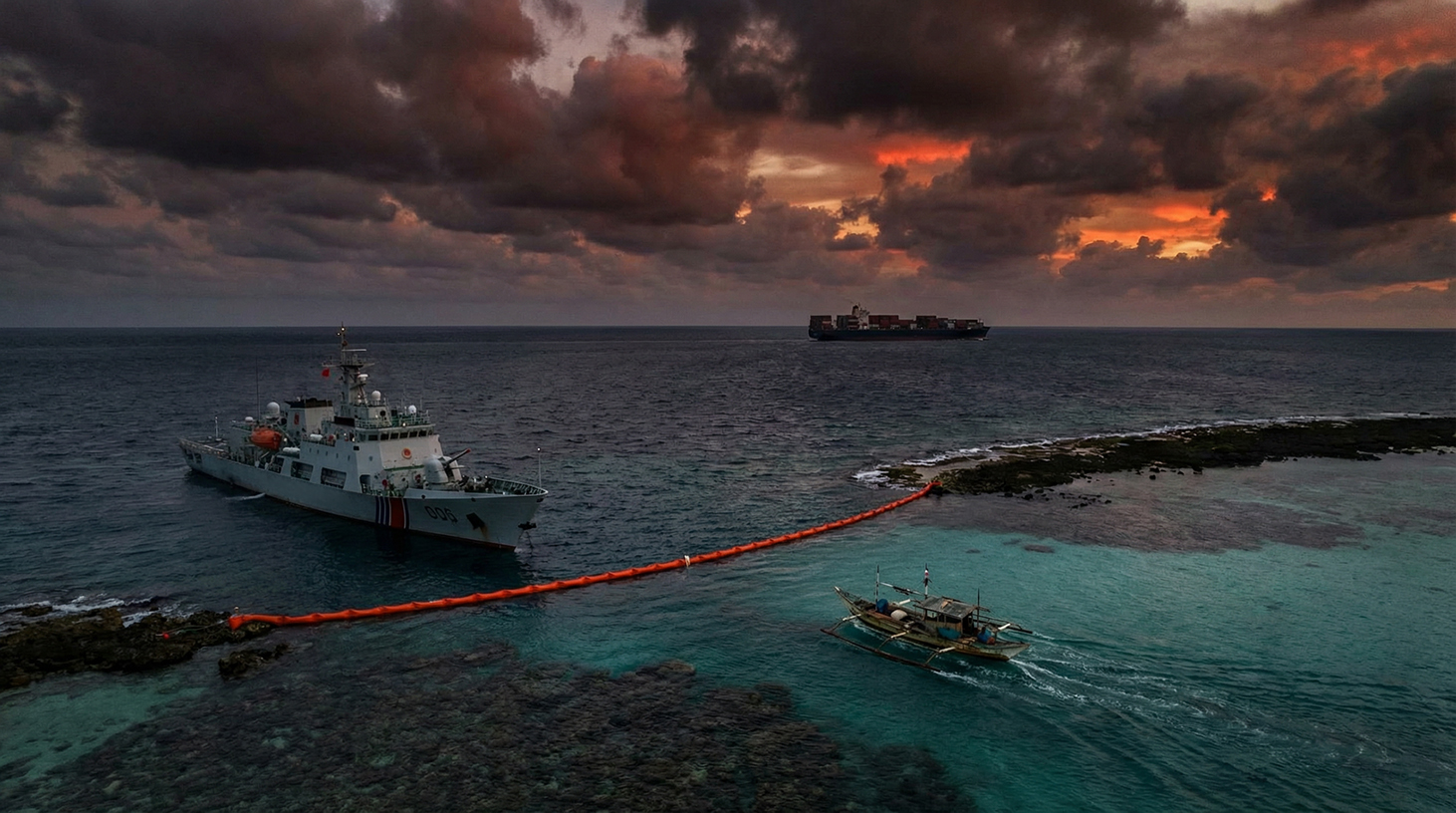
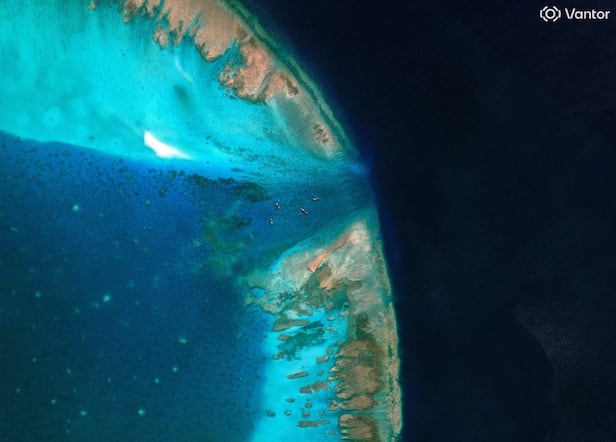
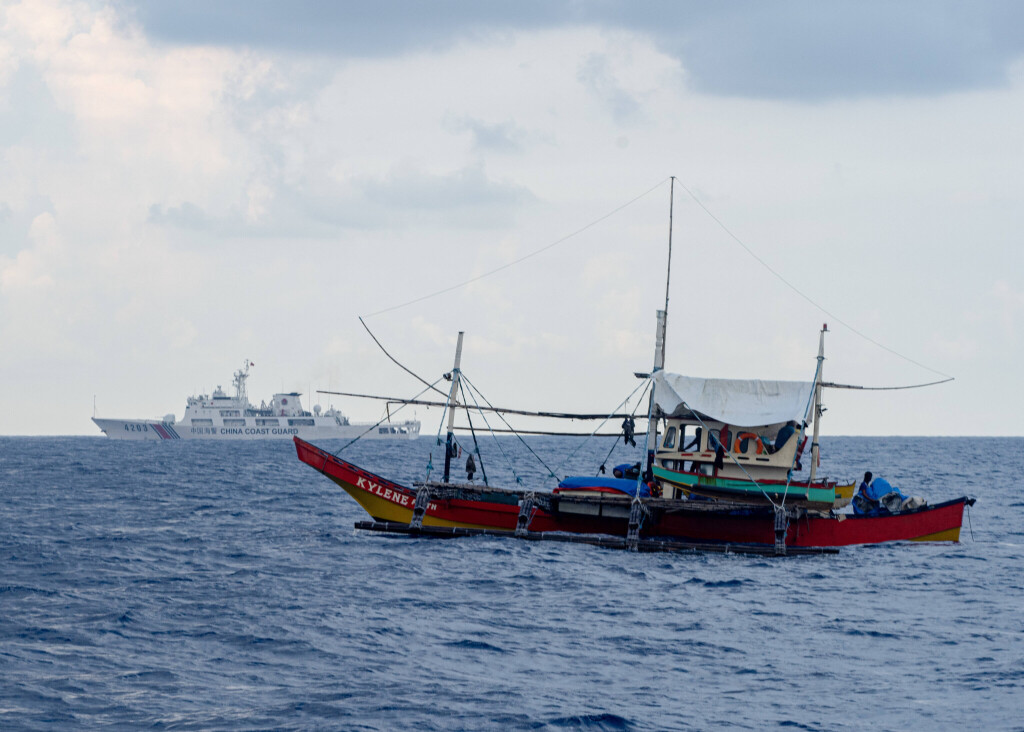
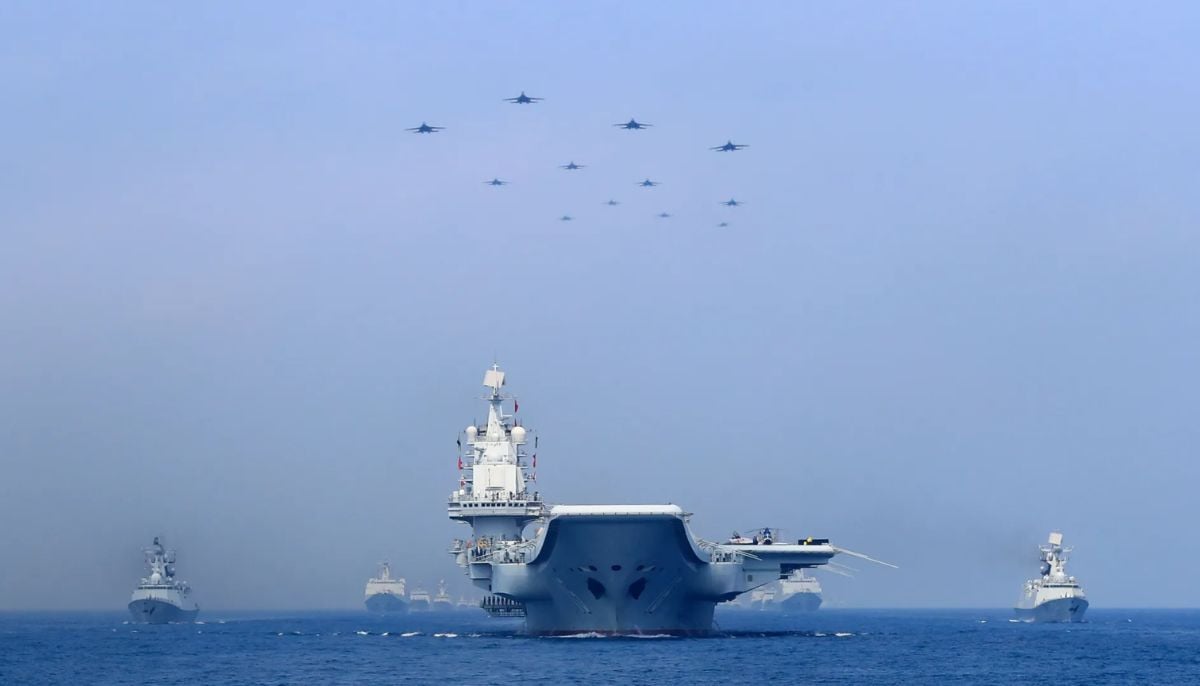
The South China Sea geopolitical escalation represents a critical supply chain vulnerability for cross-border e-commerce sellers operating in Asia-Pacific corridors. Between April 2024-2026, China deployed barrier vessels and intensified PLA naval patrols at Scarborough Shoal, restricting access to a maritime corridor that handles approximately one-third of global maritime trade—including e-commerce shipments between Asia and Western markets. The Permanent Court of Arbitration's 2016 ruling recognized the shoal as a traditional fishing ground, yet China has maintained control since 2012, with Philippine Coast Guard reports documenting 10+ Chinese coast guard vessels and a 352-meter floating barrier blocking access during April 5-12, 2024. PLA spokesperson Zhai Shichen characterized Philippine-US joint patrols as destabilizing, signaling continued military posturing through at least April 2026.
For e-commerce sellers, this escalation directly impacts logistics costs and supply chain reliability. Sellers sourcing from China, Vietnam, and the Philippines face immediate operational challenges: maritime insurance premiums have increased 8-12% for goods transiting contested waters, shipping routes are being diverted adding 2-4 weeks to transit times, and port congestion in Manila, Ho Chi Minh City, and Chinese ports creates fulfillment bottlenecks. Small-to-medium sellers (SMBs) with inventory concentrated in single regional hubs face the highest vulnerability—those relying on China-to-US FBA shipments via South China Sea routes now experience 15-20% cost increases per container. Larger sellers with diversified 3PL networks across multiple countries can absorb costs more effectively, creating competitive disadvantage for smaller competitors.
Strategic sourcing opportunities emerge from this disruption. Sellers should evaluate alternative manufacturing and fulfillment hubs outside contested zones: India, Indonesia, and Thailand offer tariff advantages and reduced geopolitical risk, though they require 4-6 week supplier onboarding. Vietnam-based sellers face the highest immediate risk due to proximity to disputed waters; those with inventory in Vietnamese ports should consider temporary relocation to Bangkok or Jakarta fulfillment centers. The timing window is critical—sellers who diversify sourcing before Q3 2024 can lock in supplier relationships before competitors recognize the opportunity, potentially gaining 10-15% cost advantages over competitors still dependent on China-Vietnam corridors by Q4 2024.
Compliance and risk mitigation are essential. Sellers must update shipping insurance policies to explicitly cover South China Sea transit risks, maintain 30-45 day buffer inventory to absorb route delays, and establish alternative shipping corridors through Indian Ocean routes (adding 5-7 days but reducing geopolitical exposure). Monitor PLA patrol announcements and Philippine-US exercise schedules—major military exercises typically trigger 3-5 day port closures. For sellers with existing inventory in Philippines or Vietnam, consider air freight for high-margin products (electronics, apparel) despite 3-4x cost premiums, as maritime delays create stockouts that compress margins more severely.
Questions 7
What compliance and insurance updates do sellers need for South China Sea shipping?
Update maritime insurance policies to explicitly cover South China Sea transit risks and geopolitical disruptions—standard policies may exclude coverage for military activity zones. Verify that 3PL providers maintain adequate insurance for route diversions and extended transit times. Establish written contingency agreements with suppliers specifying alternative shipping routes and cost-sharing arrangements for delays exceeding 5 days. Document all shipping delays and cost increases for potential tariff relief applications or insurance claims. Consult with customs brokers about potential duty deferral programs if shipments are delayed beyond standard processing windows.
What is the timeline for South China Sea tensions to impact e-commerce operations?
Immediate impacts began April 2024 with China's barrier vessel deployment at Scarborough Shoal, with PLA patrols continuing through at least April 2026 based on official announcements. Sellers should expect sustained supply chain disruptions through Q2 2026. The critical decision window is Q2-Q3 2024—sellers who diversify sourcing and establish alternative 3PL networks before Q4 2024 can avoid the competitive disadvantage faced by those still dependent on China-Vietnam corridors. Monitor Philippine-US joint exercise schedules, as major drills typically trigger temporary port closures and shipping delays.