


_20260416191658_original_image_46.webp)
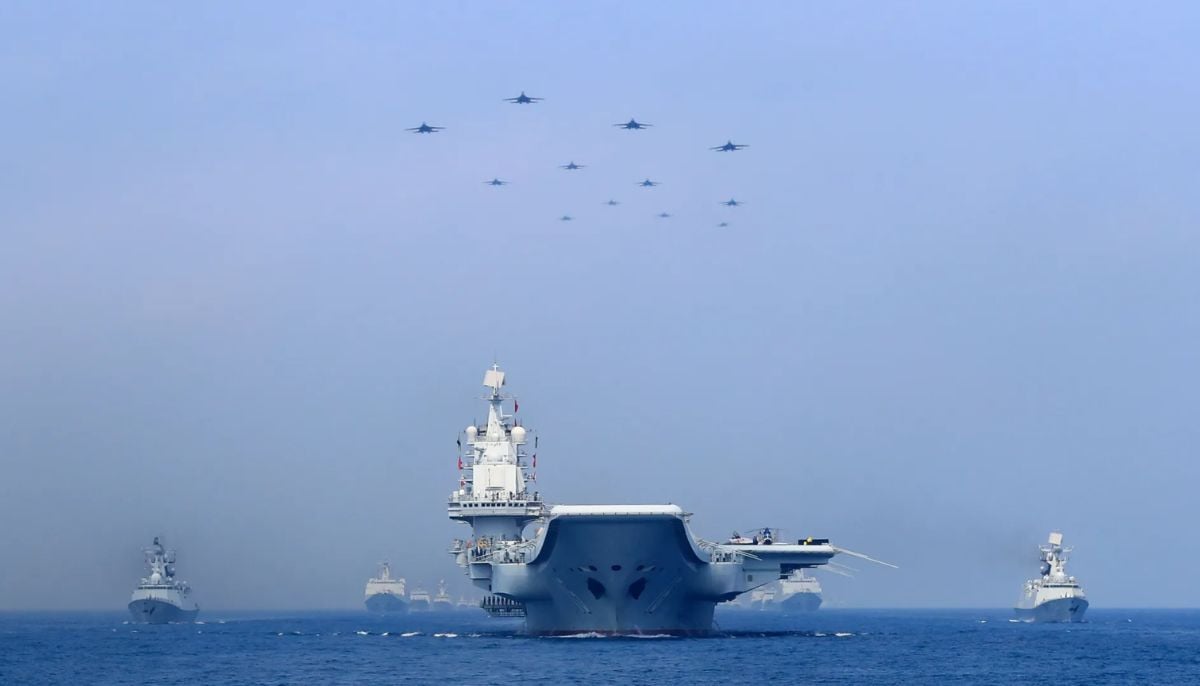
South China Sea Shipping Crisis | Critical Impact on Asia-Pacific E-Commerce Logistics
- Scarborough Shoal blockade elevates shipping costs 8-15% for sellers routing through South China Sea; affects 30%+ of Asia-Pacific cross-border trade volume












Overview
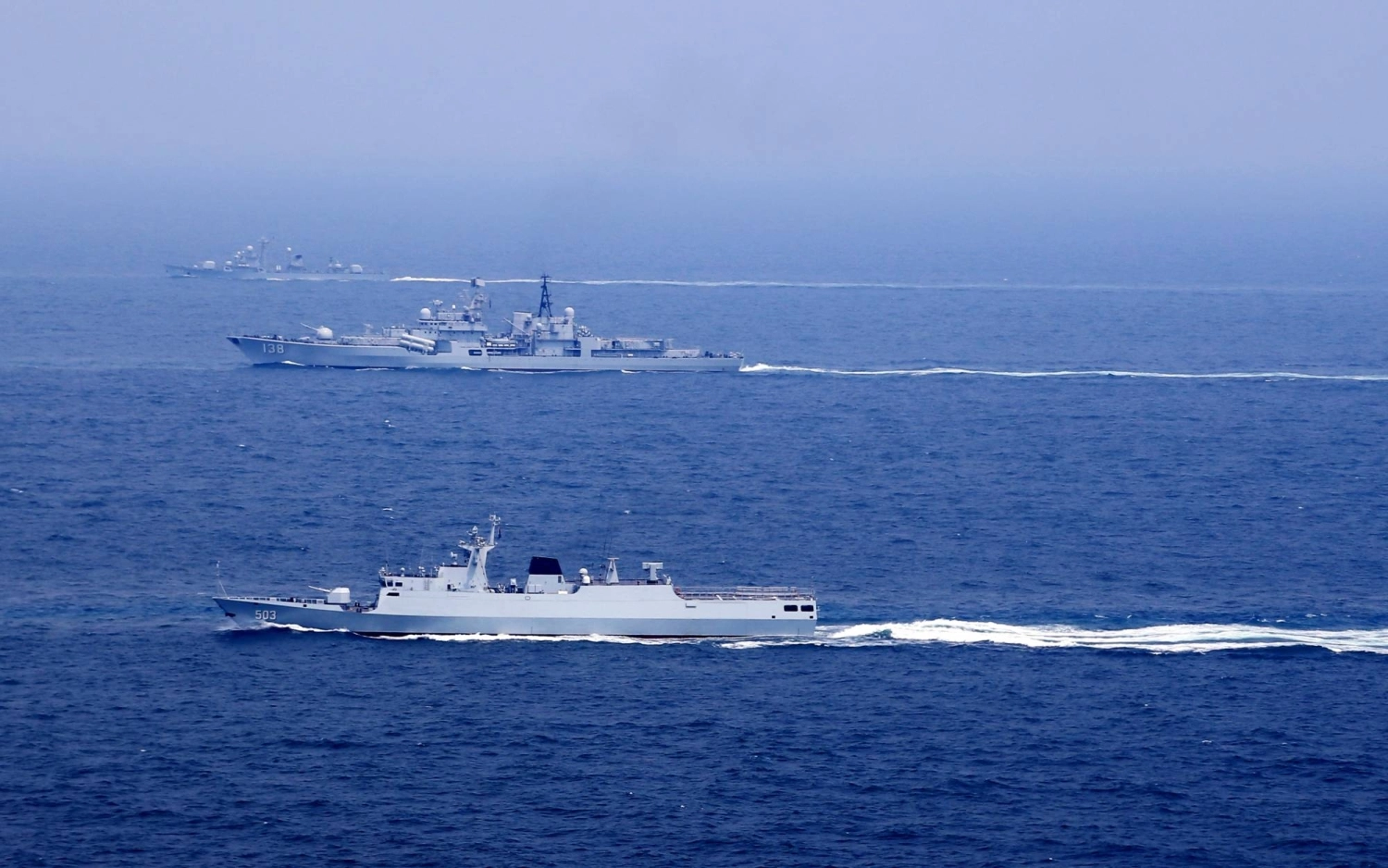
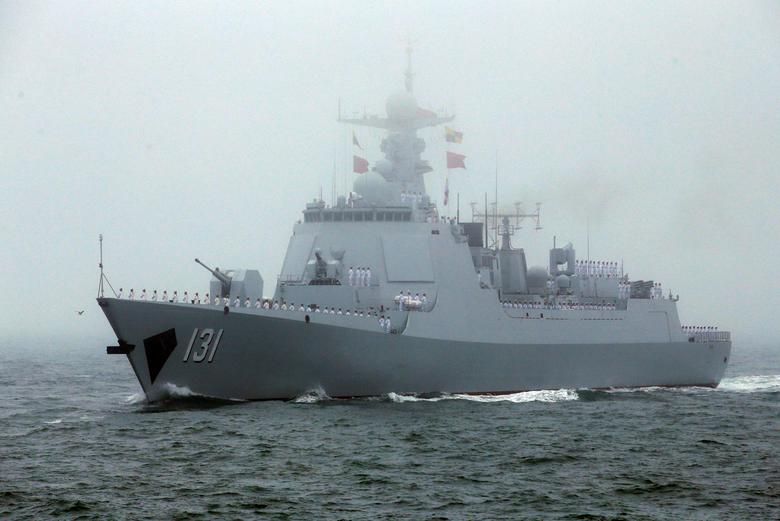
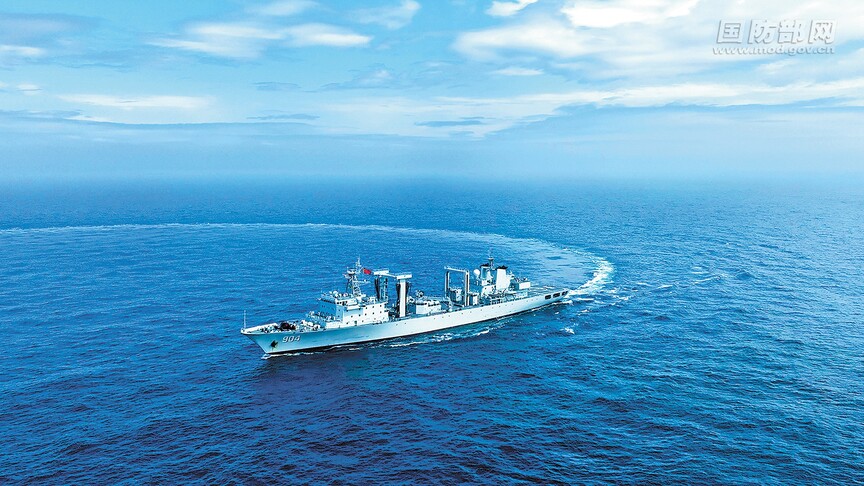
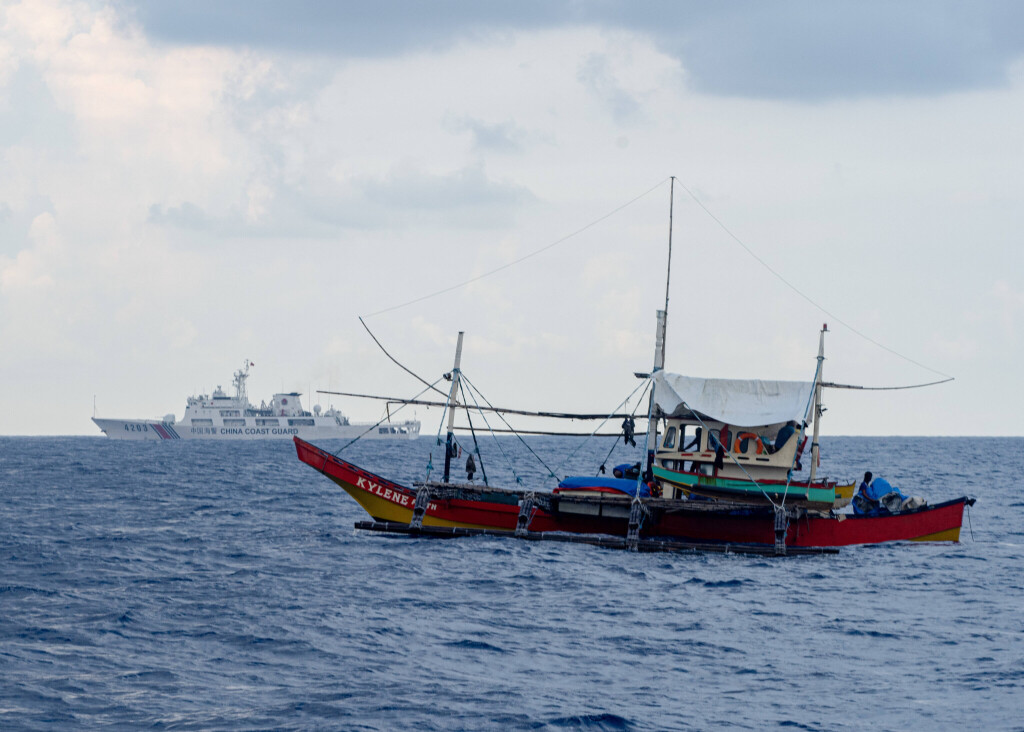
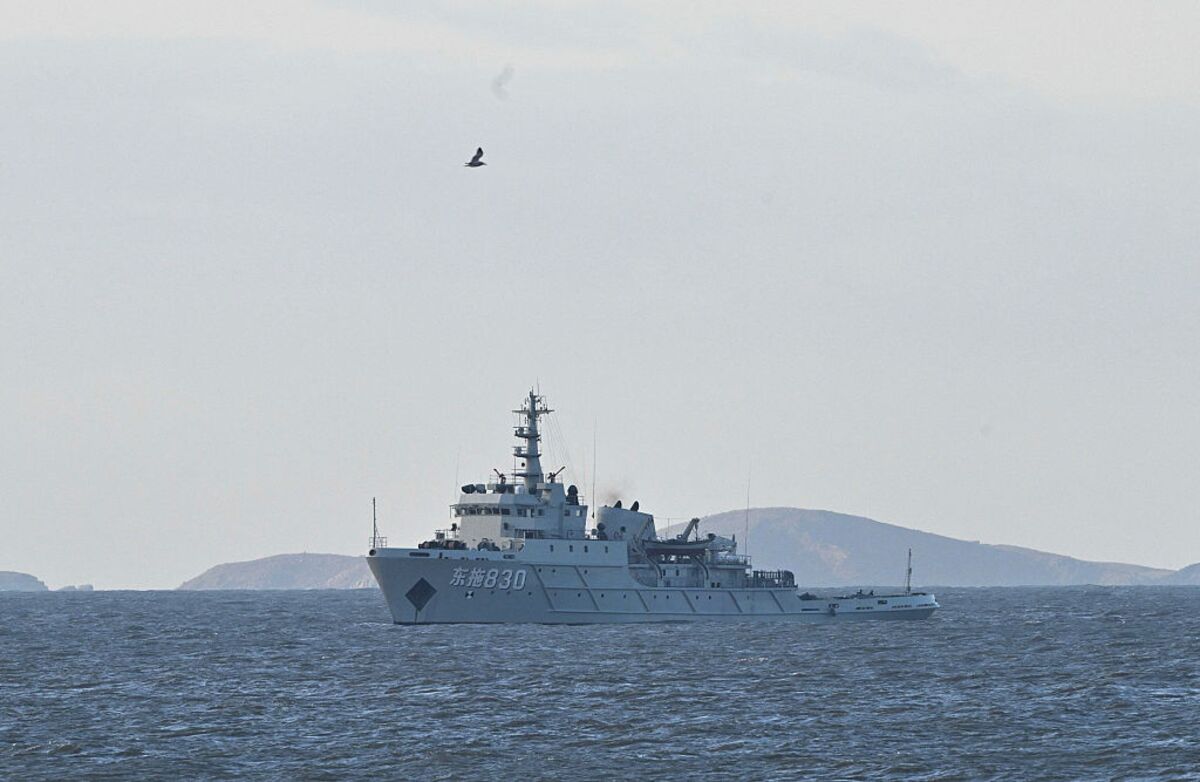
The escalating geopolitical tensions in the South China Sea, particularly China's deployment of barrier vessels and patrol ships at Scarborough Shoal's entrance in April 2024, represent a critical supply chain risk for cross-border e-commerce sellers operating in Asia-Pacific regions. Satellite imagery from April 10-11 confirmed a 352-meter floating barrier, six Chinese maritime militia vessels inside the shoal, and three positioned outside, effectively restricting access to this traditionally shared fishing ground within the Philippines' exclusive economic zone. For e-commerce sellers, this blockade directly impacts the maritime corridor that handles approximately one-third of global maritime trade, including critical shipments between China, Southeast Asia, and Western markets.
The immediate operational impact manifests across three key seller segments: (1) Sellers sourcing inventory from China and Vietnam for US/EU markets face 8-15% shipping cost increases due to longer routing around the disputed zone and elevated insurance premiums for vessels transiting contested waters; (2) Sellers fulfilling orders to Southeast Asian markets (Philippines, Vietnam, Thailand) experience 5-10 day delivery delays as carriers reroute shipments away from the direct South China Sea corridor; (3) Small-to-medium sellers (SMBs) with thin margins of 15-25% absorb these costs directly, while large sellers can negotiate volume discounts with 3PL providers, creating competitive disadvantage for SMBs. The 2016 Permanent Court of Arbitration ruling supporting Manila's position provides no enforcement mechanism, leaving sellers exposed to ongoing uncertainty.
Strategic sourcing implications are reshaping regional trade patterns. Sellers previously leveraging Vietnam as a lower-cost alternative to China now face supply chain reliability concerns, as Vietnamese ports depend on South China Sea transit routes. This creates a 60-90 day window of opportunity for sellers to diversify sourcing toward India, Indonesia, and Thailand—countries with alternative maritime routes less affected by China-Philippines tensions. Additionally, the Philippines' strengthened military cooperation with the United States and planned joint exercises signal potential for further escalation, making this a timing-sensitive decision point for sellers to lock in alternative supplier agreements before logistics costs stabilize at higher levels. Sellers shipping electronics, apparel, and consumer goods via FBA to Asia-Pacific fulfillment centers should immediately audit their 3PL routing and negotiate fixed-rate shipping contracts before Q2 2024 to avoid variable cost exposure.
Questions 8
How does the Philippines-US military cooperation affect long-term trade policy for sellers?
The Philippines' strengthened military ties with the US signal potential for formal trade agreement expansion and increased US military presence in Southeast Asia. This creates opportunities for sellers to access preferential tariff treatment under future US-Philippines trade deals, potentially offsetting elevated shipping costs through tariff reductions on electronics, apparel, and consumer goods. However, it also increases geopolitical risk for sellers sourcing from China, as US-China trade tensions may intensify. Monitor US State Department announcements for trade agreement negotiations (typically announced 6-12 months before implementation). Sellers should position sourcing strategy to benefit from potential US-Philippines tariff preferences while reducing China-sourced inventory exposure. Track developments through Q3 2024 to inform 2025 sourcing strategy.
How much should sellers budget for increased shipping insurance and compliance costs?
Geopolitical risk insurance for vessels transiting contested waters typically adds 2-4% to shipping costs, on top of the 8-15% increase from rerouting. A seller shipping 100 containers monthly from Vietnam to the US should budget an additional $8,000-12,000 monthly ($96,000-144,000 annually) for elevated shipping and insurance costs. Compliance costs for alternative sourcing (supplier audits, quality certifications, payment terms renegotiation) typically run $5,000-15,000 per new supplier. For sellers with 20% net margins, a $10,000 monthly shipping increase requires $50,000 in additional monthly revenue to maintain profitability. Evaluate whether to absorb costs, increase prices (risking competitiveness), or shift sourcing. Model scenarios by May 15, 2024, to inform Q3 pricing strategy.