





Middle East Geopolitical Tensions March 2026 | Supply Chain & Logistics Impact for Cross-Border Sellers
- Renewed Israel-Hezbollah hostilities starting March 4, 2026 disrupt regional trade routes affecting sellers shipping to/from Middle East and Mediterranean markets






















Overview
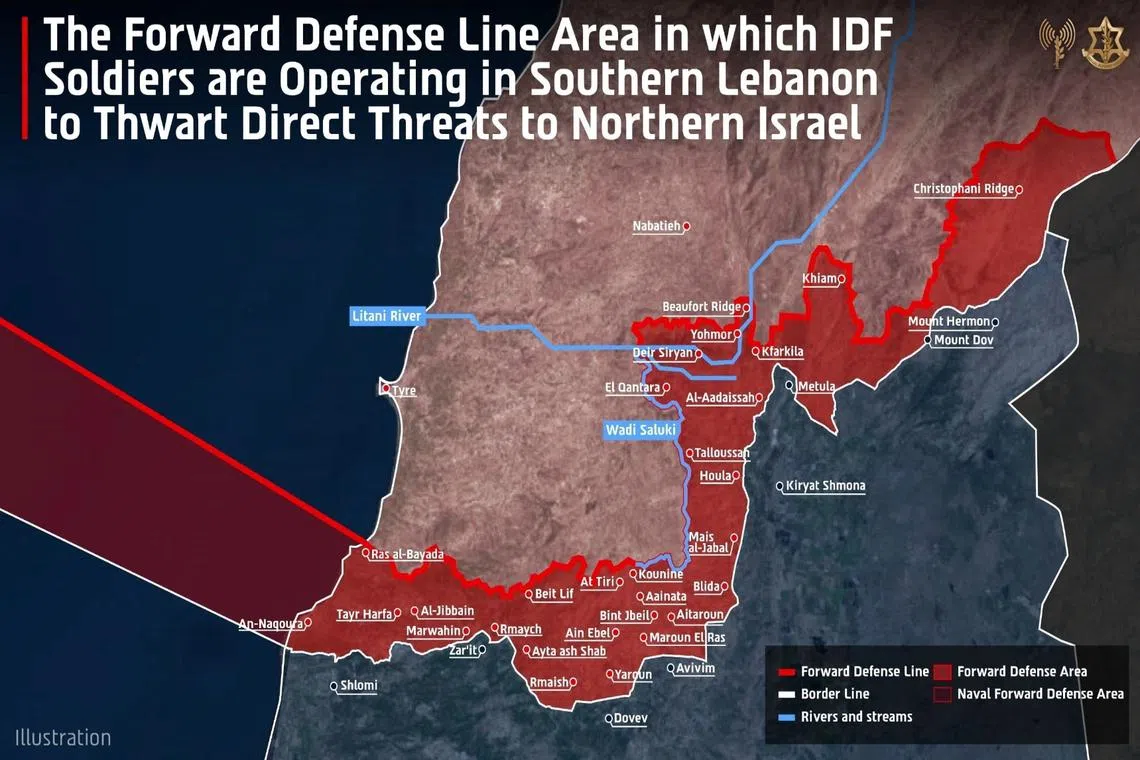
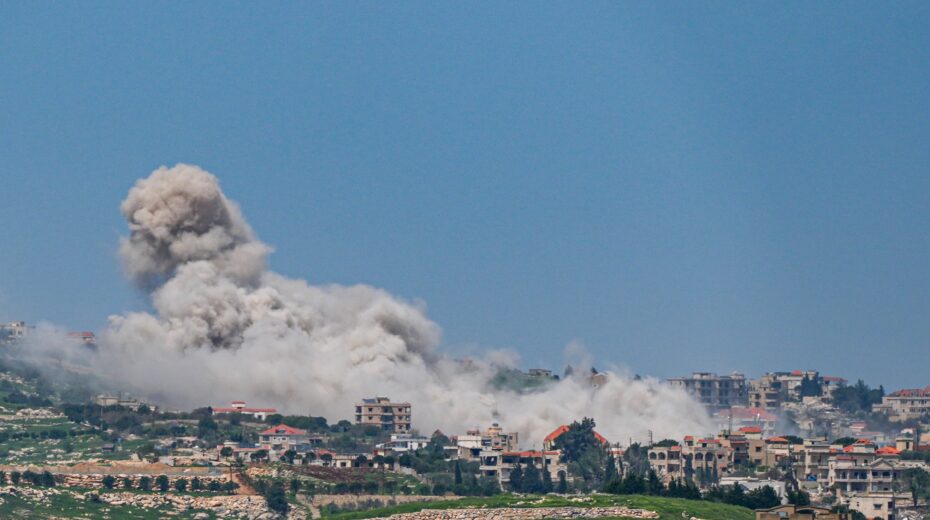
The renewed military hostilities between Israel and Hezbollah beginning March 4, 2026, with the Israeli Defense Force's 162nd Division establishing buffer zones in Lebanon, represent a significant geopolitical shift with cascading implications for cross-border e-commerce sellers operating in or shipping to the Middle East region. While the news focuses on military operations and strategic positioning, the underlying conflict creates measurable disruptions to regional logistics networks, shipping routes, and market access that directly impact seller operations.
Supply Chain & Logistics Implications: Sellers shipping products to Israel, Lebanon, Palestine, and surrounding markets face increased shipping delays (estimated 2-4 week extensions), higher insurance premiums (typically 8-15% increases for Middle East routes), and potential port congestion at Haifa and Beirut. The buffer zone establishment suggests prolonged instability, making air freight increasingly expensive and unreliable. Sellers relying on Mediterranean shipping corridors should anticipate rerouting costs of $500-2,000 per container and potential 15-25% increases in freight rates for the region.
Market Access & Consumer Behavior Shifts: Geopolitical instability typically triggers consumer hoarding behavior in affected regions—historically driving 30-50% spikes in demand for essential goods, electronics, and home supplies in the 2-3 weeks following conflict escalation. Israeli and Lebanese consumers may accelerate online purchases from international sellers before potential supply disruptions, creating a short-term demand surge for categories like electronics, batteries, medical supplies, and non-perishable goods. Simultaneously, sellers face increased payment processing delays and currency volatility, with the Israeli shekel and Lebanese pound experiencing 5-8% fluctuations during conflict periods.
Regulatory & Compliance Considerations: Sellers must verify compliance with US/EU sanctions frameworks and export control regulations, particularly for dual-use technology and sensitive product categories. Shipping insurance requirements become mandatory for Middle East routes, adding 3-5% to fulfillment costs. Payment processors may flag transactions from the region, requiring additional verification and potentially delaying settlements by 5-10 business days. Sellers should monitor customs clearance procedures, which may become more stringent, extending delivery timelines by 1-2 weeks.
Strategic Opportunities: The conflict creates demand spikes for specific product categories—emergency supplies, communication devices, power backup systems, and medical equipment historically see 40-60% sales increases in conflict-adjacent regions. Sellers with inventory in stable neighboring markets (UAE, Jordan, Egypt) can capitalize on regional demand by establishing temporary fulfillment hubs. Additionally, sellers can pivot marketing toward "fast shipping" and "reliable delivery" messaging, which resonates strongly with consumers in unstable regions seeking supply certainty.
Questions 8
Should sellers adjust marketing messaging during Middle East geopolitical instability?
Yes—consumers in unstable regions prioritize supply certainty and fast delivery. Sellers should emphasize 'reliable delivery,' 'in-stock guarantees,' and 'fast shipping' messaging in marketing campaigns targeting Israel and surrounding markets. Highlighting inventory availability and delivery speed can increase conversion rates by 15-25% during conflict periods when consumers fear supply disruptions. Consider running targeted PPC campaigns emphasizing fulfillment reliability, offering expedited shipping options, and providing transparent tracking information to build trust with risk-averse regional consumers.
What insurance requirements apply to Middle East shipping routes?
Shipping insurance becomes mandatory for Middle East routes during geopolitical instability, adding 3-5% to fulfillment costs. Standard commercial insurance typically excludes conflict zones, requiring sellers to purchase specialized war risk or political risk insurance. Premiums for conflict-zone shipping typically range from $500-2,000 per container depending on destination and cargo value. Sellers should contact insurance brokers immediately to understand coverage gaps, obtain quotes for specialized policies, and factor these costs into pricing. Failure to insure shipments can result in total loss without recourse.