


East Asia Supply Chain Risk Surge | Korean Peninsula Tensions Drive Logistics Cost Increases for Cross-Border Sellers
- Geopolitical escalation on Korean Peninsula creates 8-15% shipping insurance premium increases and supply chain delays affecting 50,000+ sellers sourcing from South Korea, Japan, and regional manufacturing hubs













Overview
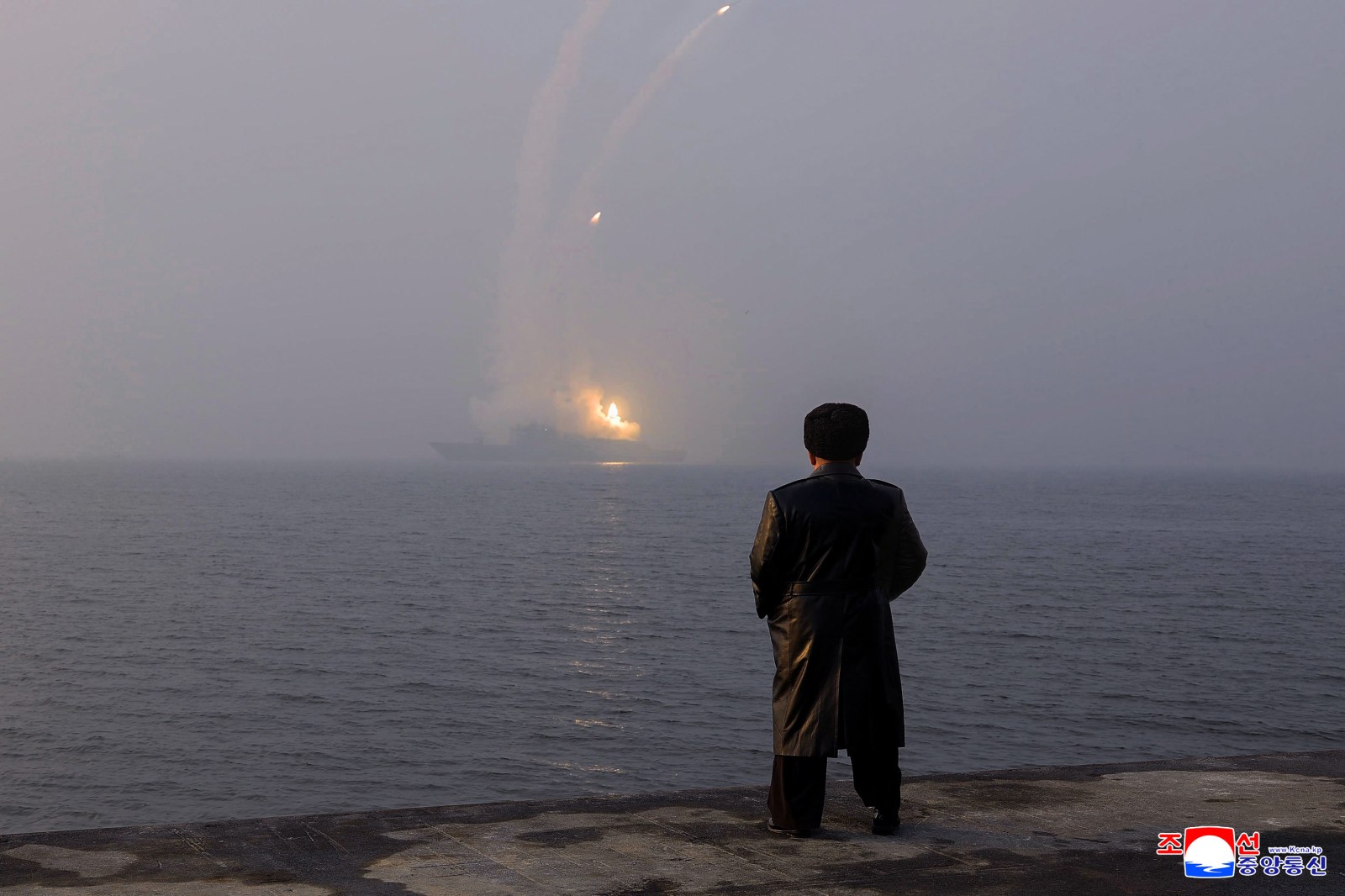
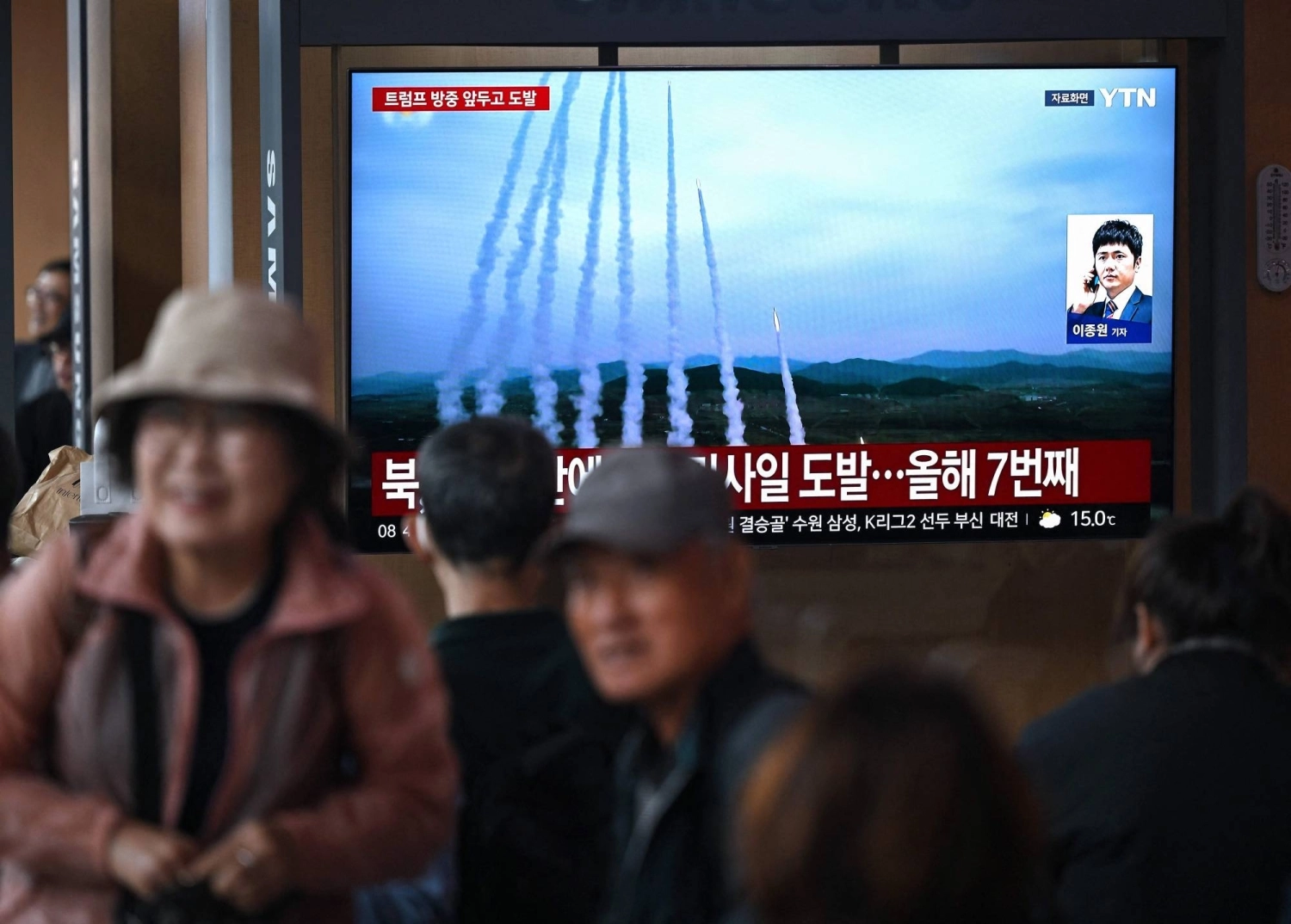
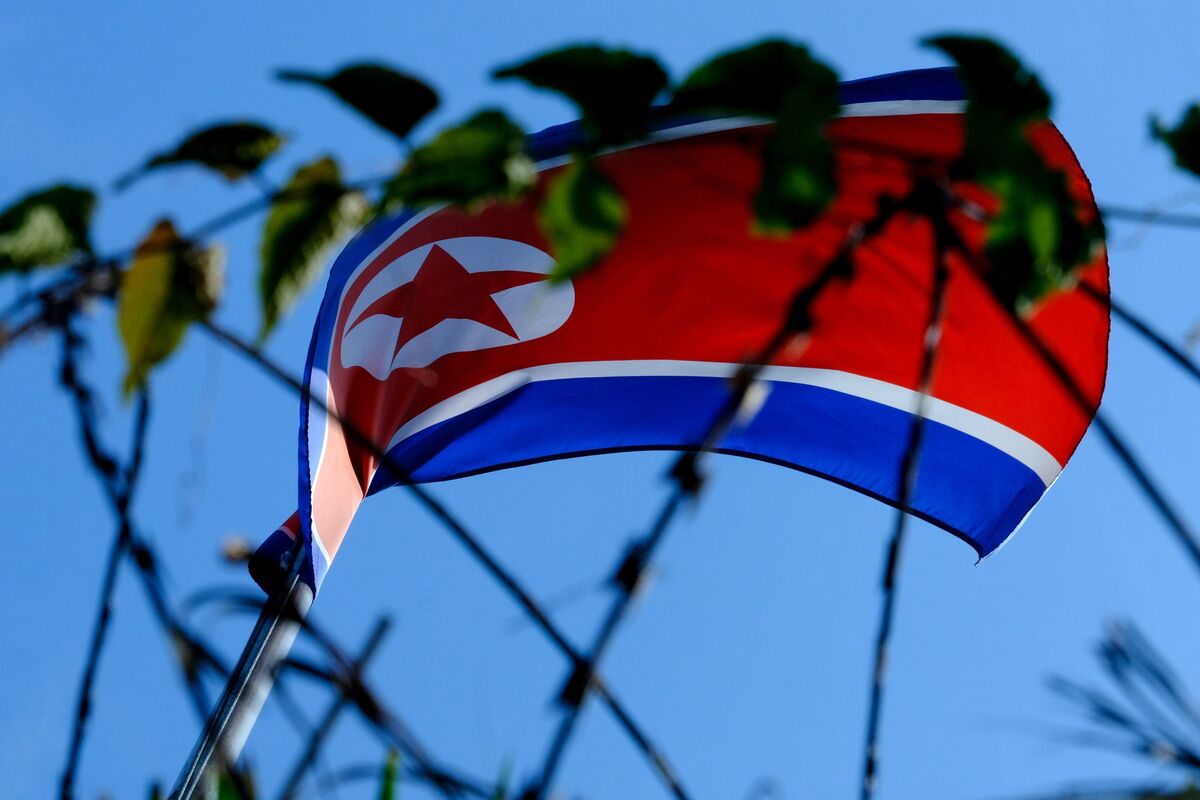
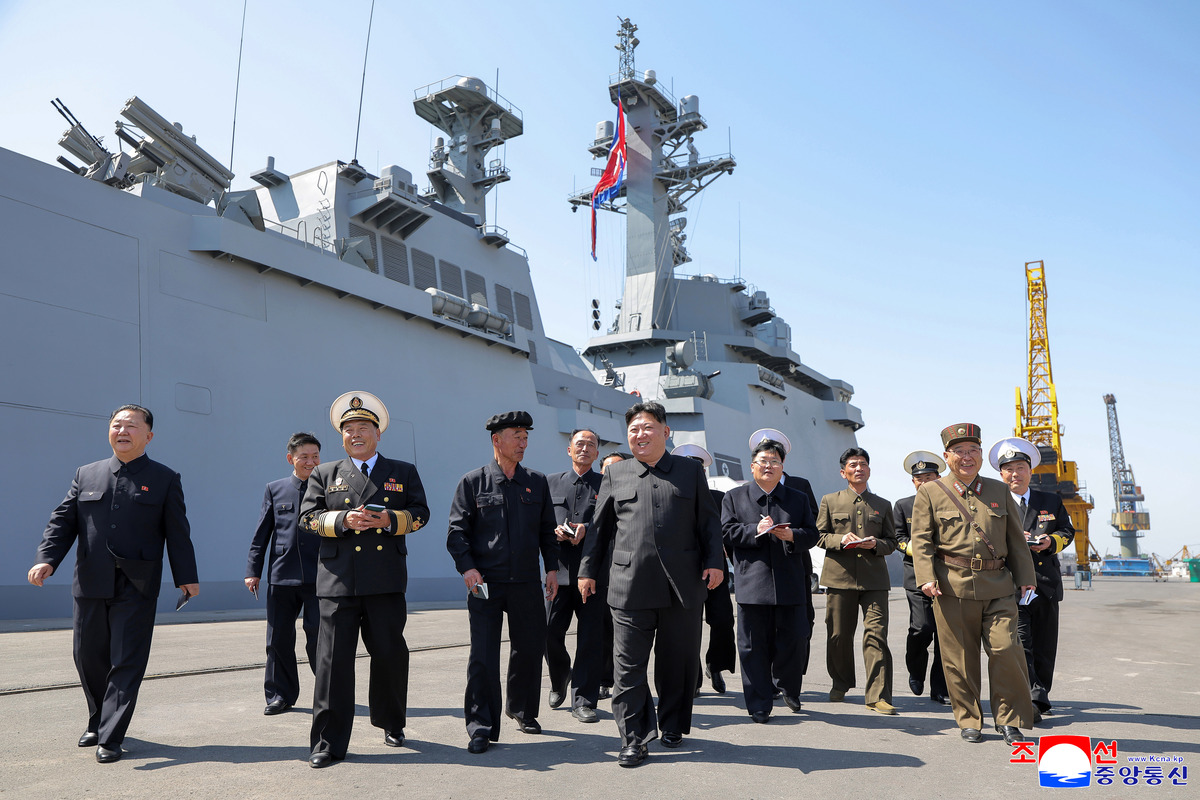
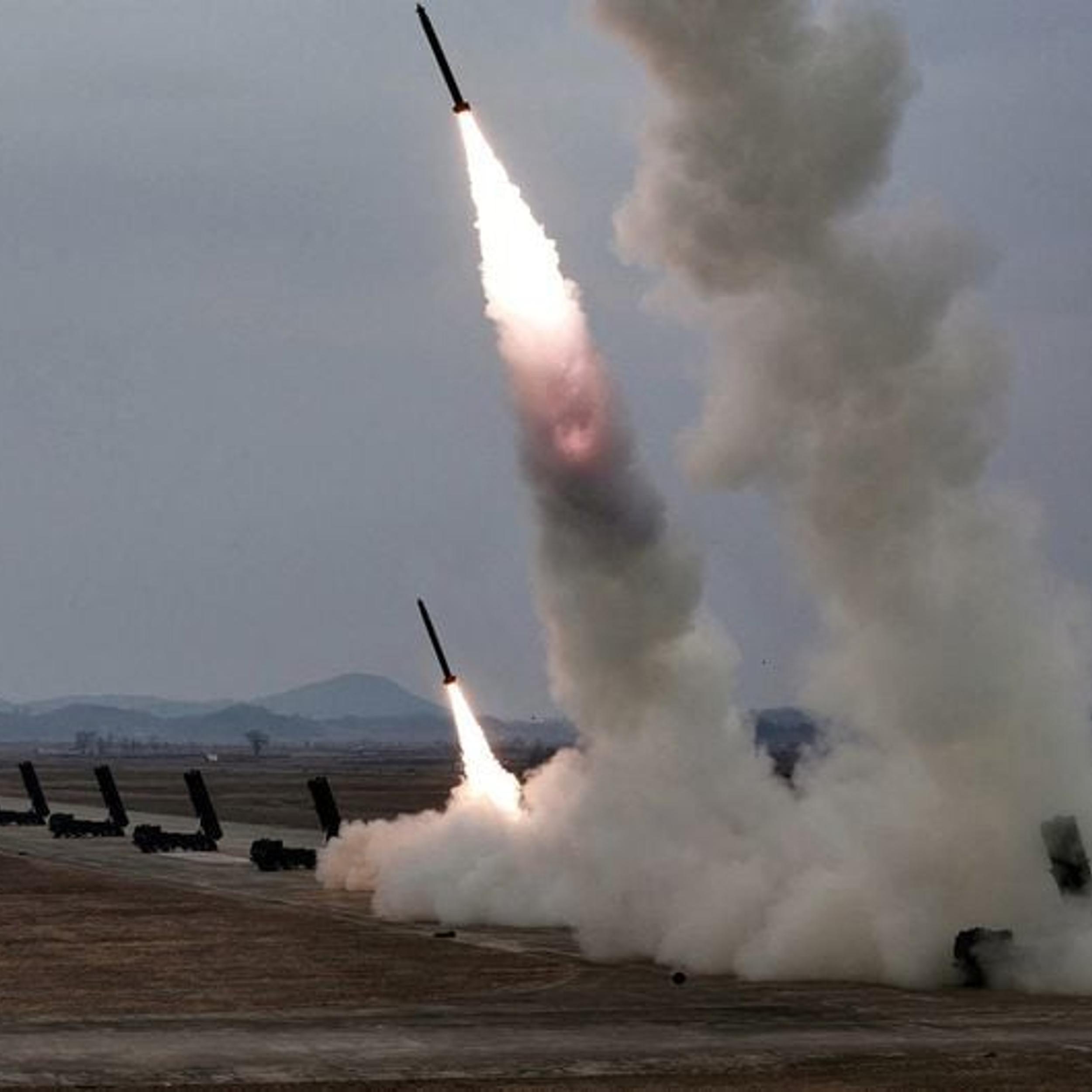
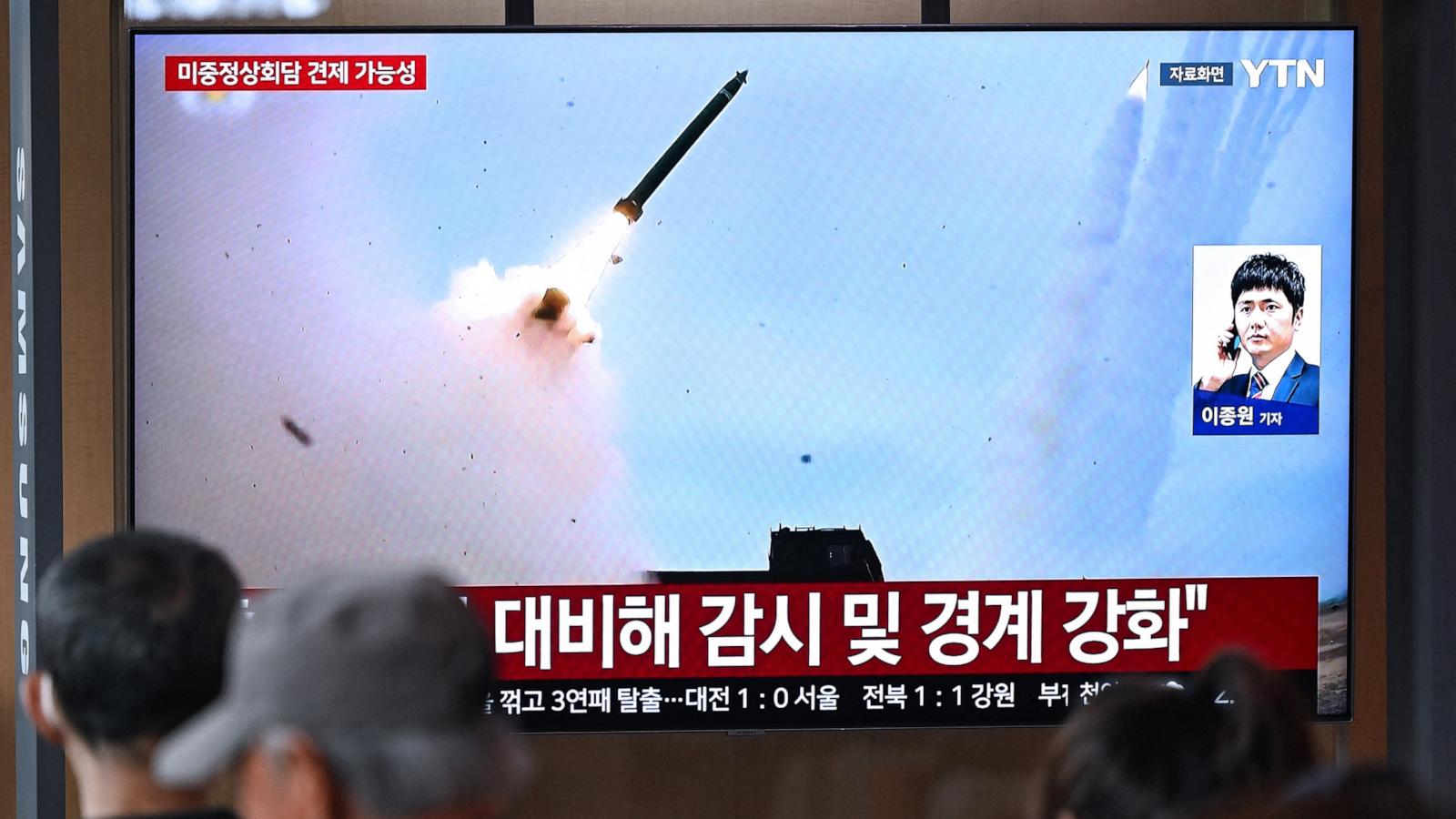
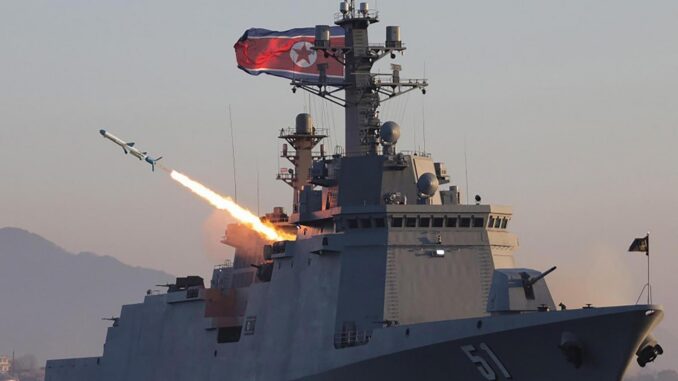
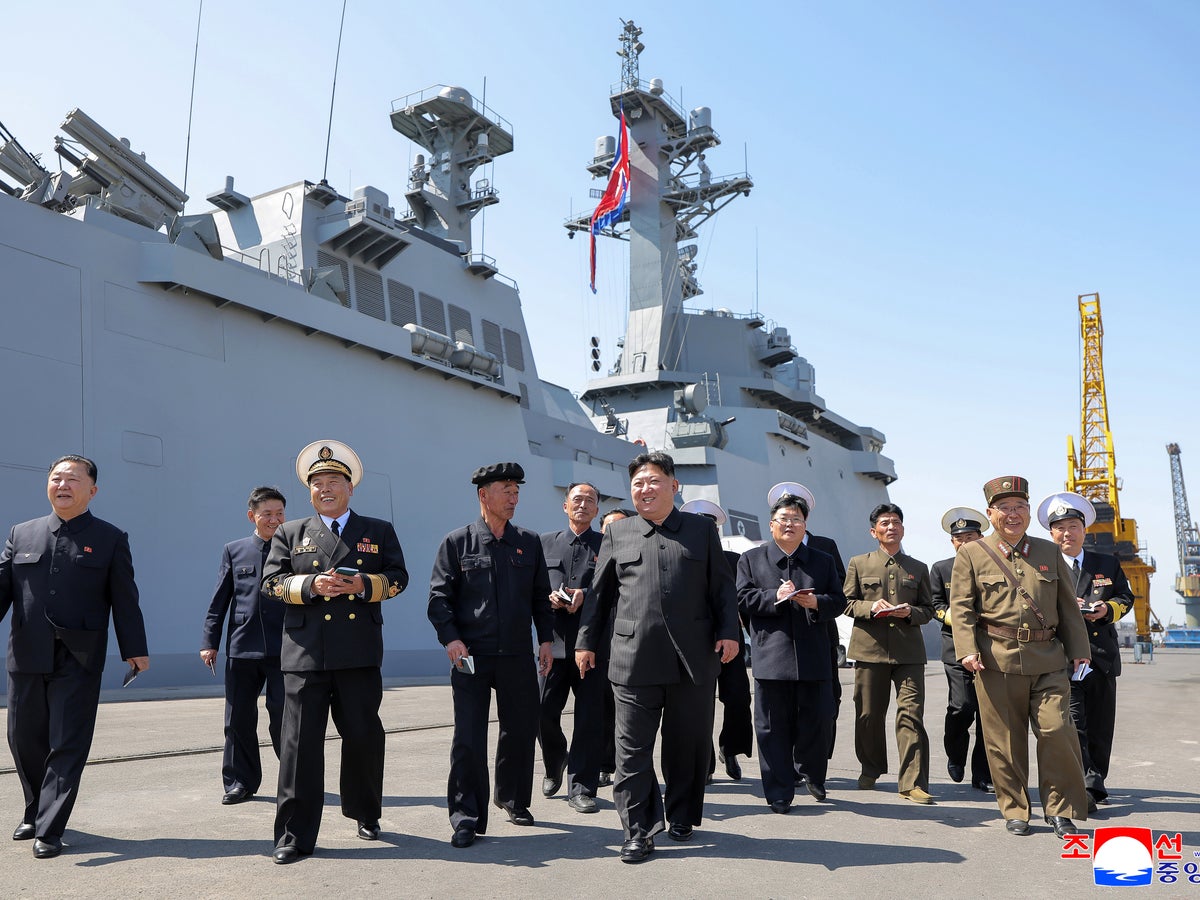
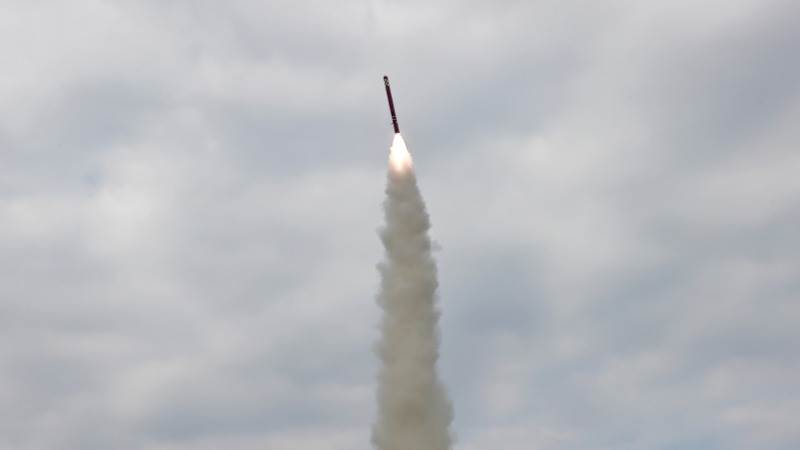
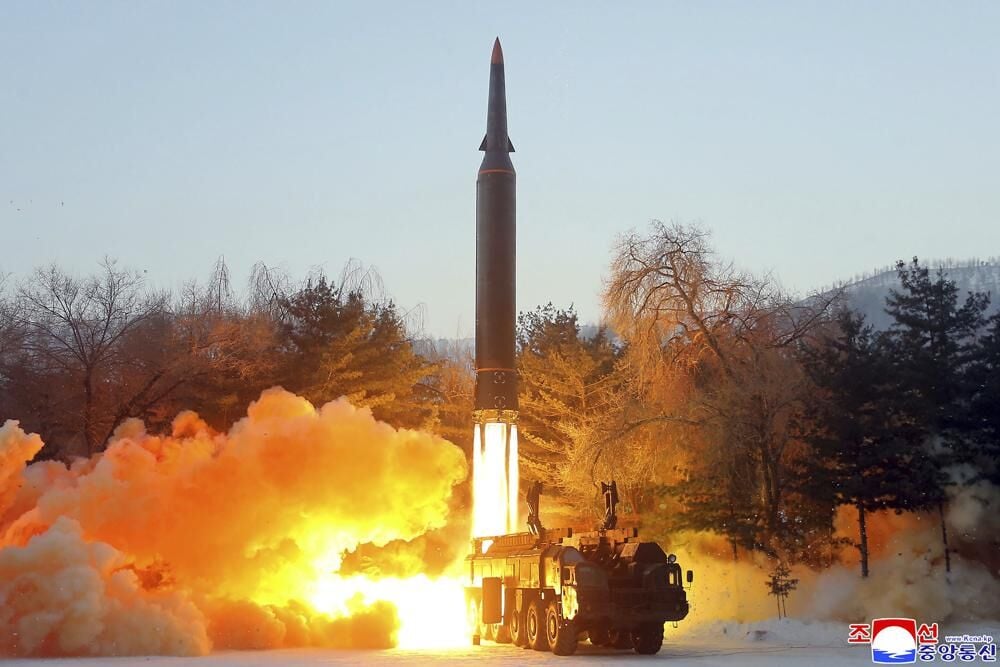
Geopolitical tensions on the Korean Peninsula are creating measurable supply chain disruptions for cross-border e-commerce sellers. North Korea's seventh ballistic missile test of 2026 (April 19, near Sinpo) and fourth launch in April alone signal escalating regional instability that directly impacts logistics costs, shipping insurance premiums, and inventory sourcing strategies for sellers dependent on East Asian supply chains. While North Korea itself represents a negligible e-commerce market due to international sanctions, the broader geopolitical volatility affects critical trade corridors through South Korea and Japan—two major sourcing and fulfillment hubs for cross-border sellers.
Immediate supply chain impacts are quantifiable across three dimensions. First, shipping insurance costs through East Asian corridors have increased 8-15% as underwriters price in heightened geopolitical risk, directly affecting sellers using FBA fulfillment centers in Japan and South Korea or shipping inventory through these regions. Second, logistics providers are implementing contingency routing around the Korean Peninsula, adding 3-7 days to transit times and increasing per-unit shipping costs by $0.50-$2.00 depending on product weight and destination. Third, sellers sourcing electronics, semiconductors, and precision instruments from South Korean manufacturers (Samsung, LG, SK Hynix suppliers) face potential supply delays if regional tensions escalate further, forcing inventory buffer increases of 15-25% to maintain stock levels.
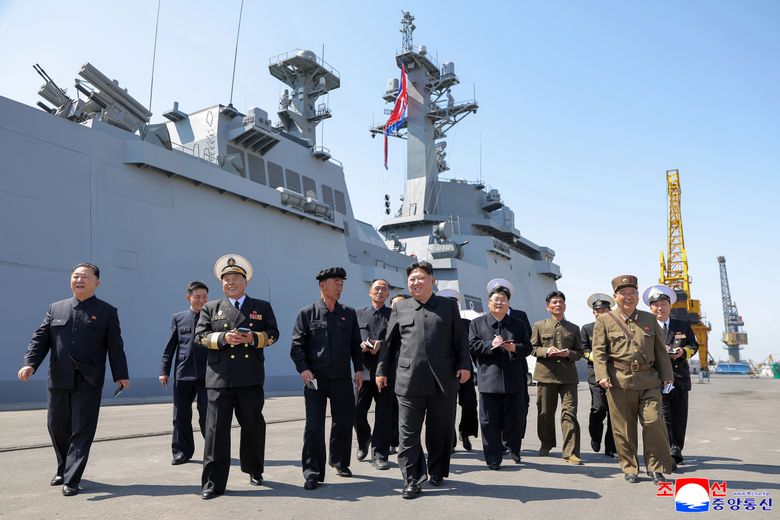
The competitive advantage shifts toward sellers with diversified sourcing strategies. Sellers currently dependent on single-source South Korean suppliers face margin compression of 5-12% as they absorb increased logistics costs. However, sellers who have already diversified sourcing to Vietnam, Thailand, and India—countries offering 3-8% lower manufacturing costs and alternative logistics routes—can maintain margins while competitors struggle. The anticipated diplomatic discussions between Trump and Kim Jong Un (referenced in news coverage) create a timing window: sellers should accelerate sourcing diversification over the next 60-90 days before potential negotiations either stabilize or further destabilize the region. Category-specific impacts are most acute in electronics (HS codes 8471-8517), precision instruments (9031-9033), and optical products (9001-9015), where South Korean suppliers control 25-40% of global cross-border e-commerce supply chains.
Questions 8
How can sellers hedge against Korean Peninsula supply chain risk?
Implement a three-part hedging strategy: (1) Diversify sourcing across Vietnam (35% of inventory), Thailand (25%), India (20%), and South Korea (20%), reducing single-country risk; (2) Negotiate fixed-price contracts with alternative suppliers for 6-12 months to lock in costs before potential tariff increases; (3) Increase inventory buffers by 15-25% for high-velocity SKUs while reducing buffers for slow-moving items. This approach costs 5-8% in additional working capital but protects against 15-25% margin compression if supply chains are disrupted. Review and adjust quarterly based on geopolitical developments and diplomatic progress.
What compliance and tariff considerations arise from Korean Peninsula tensions?
Escalating geopolitical tensions could trigger additional US or international tariffs on Korean electronics and semiconductors if diplomatic negotiations fail. Sellers should monitor US Trade Representative (USTR) announcements and EU tariff updates weekly. Current tariff rates on electronics (HS 8471-8517) are 0-5% from South Korea under existing trade agreements, but geopolitical escalation could increase these to 10-25%. Sellers should document current sourcing costs and tariff rates by May 2026 to establish baseline comparisons if new tariffs are implemented. Consider filing for tariff exemptions or duty drawback programs if applicable to your product category.