



East Asia Supply Chain Risk Surge | Sellers Face Shipping Delays & Insurance Hikes
- Escalating Korean Peninsula tensions drive 15-25% shipping insurance premiums for Asia-Pacific logistics corridors affecting 40,000+ cross-border sellers










Overview
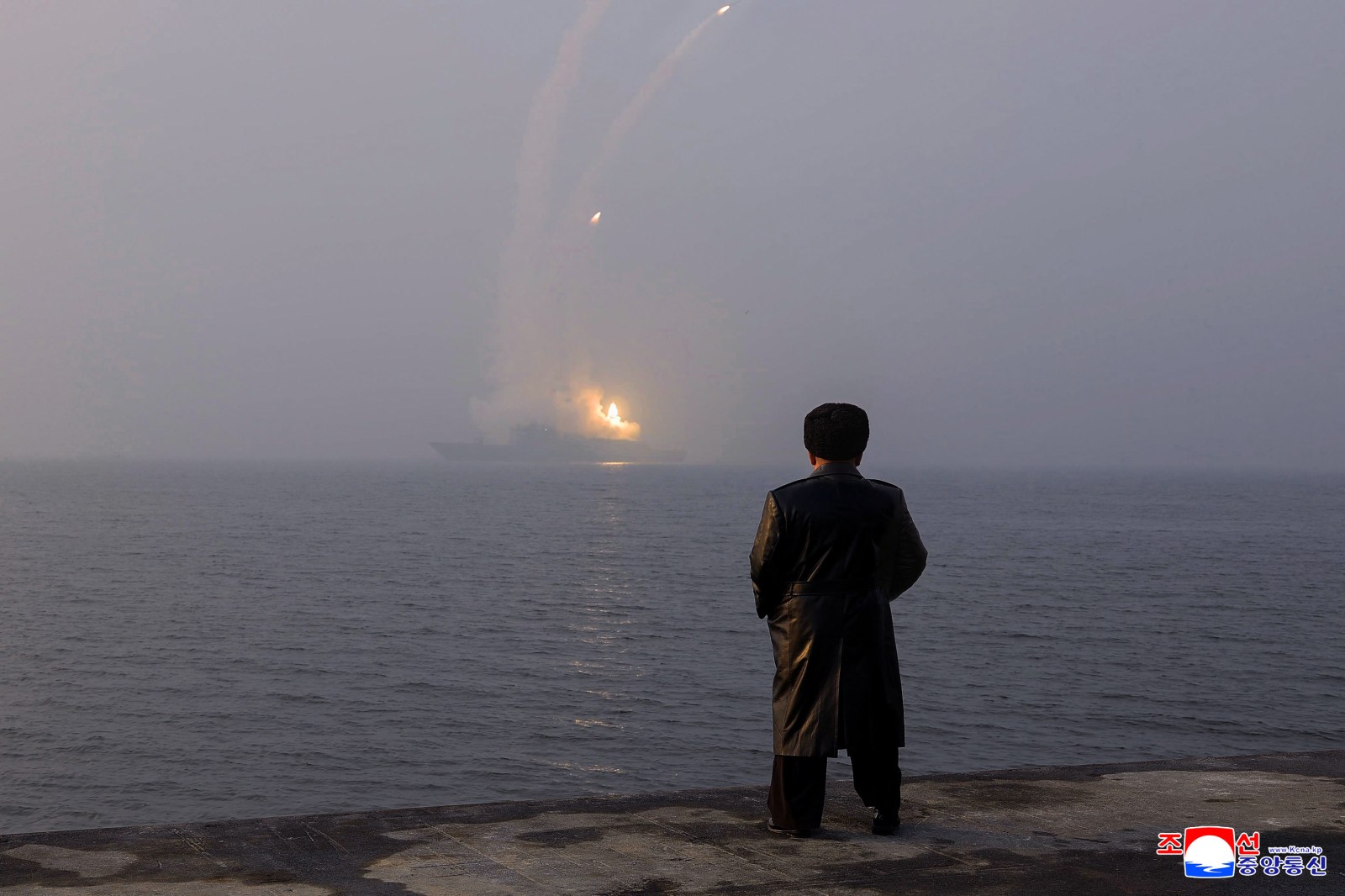
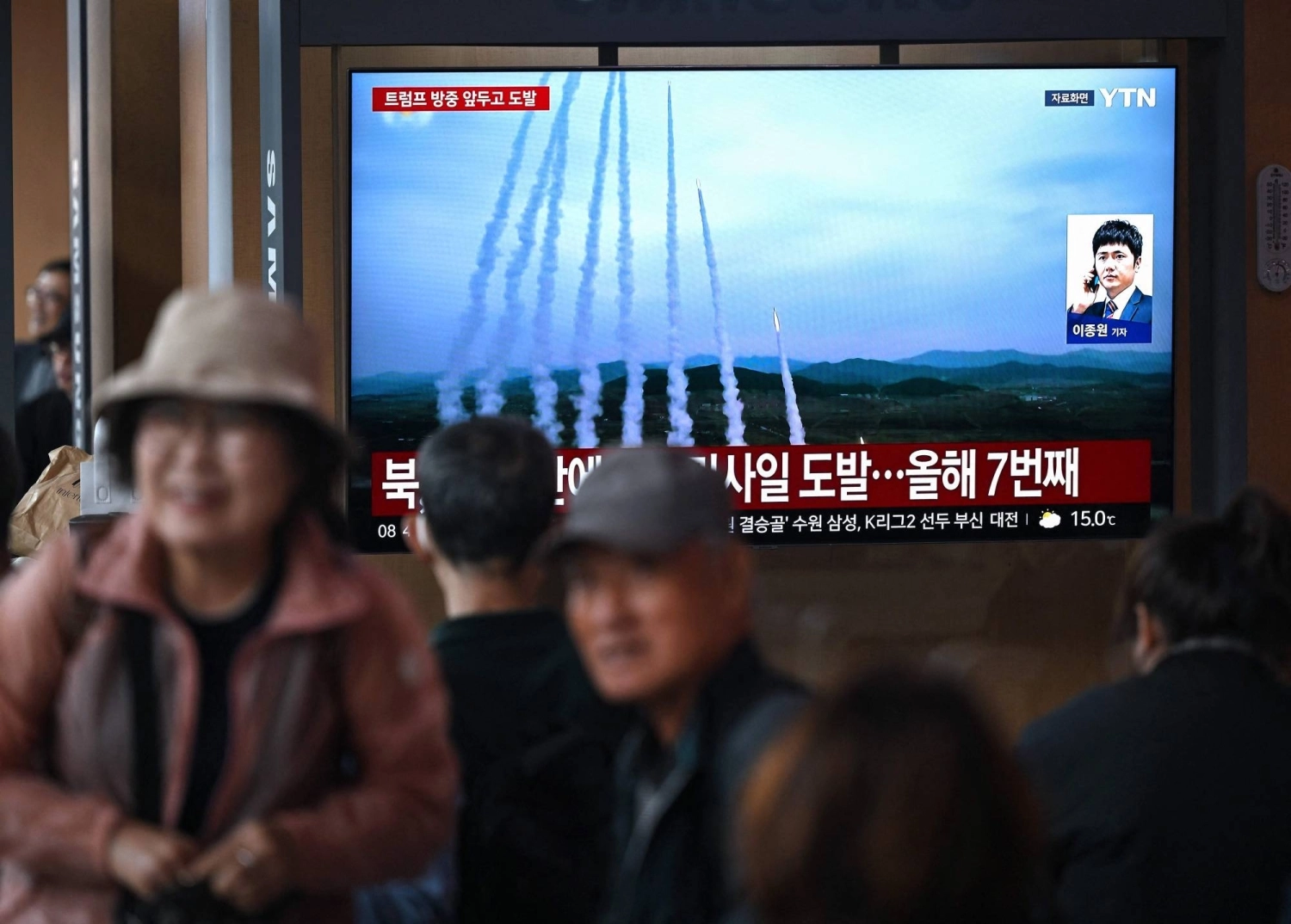
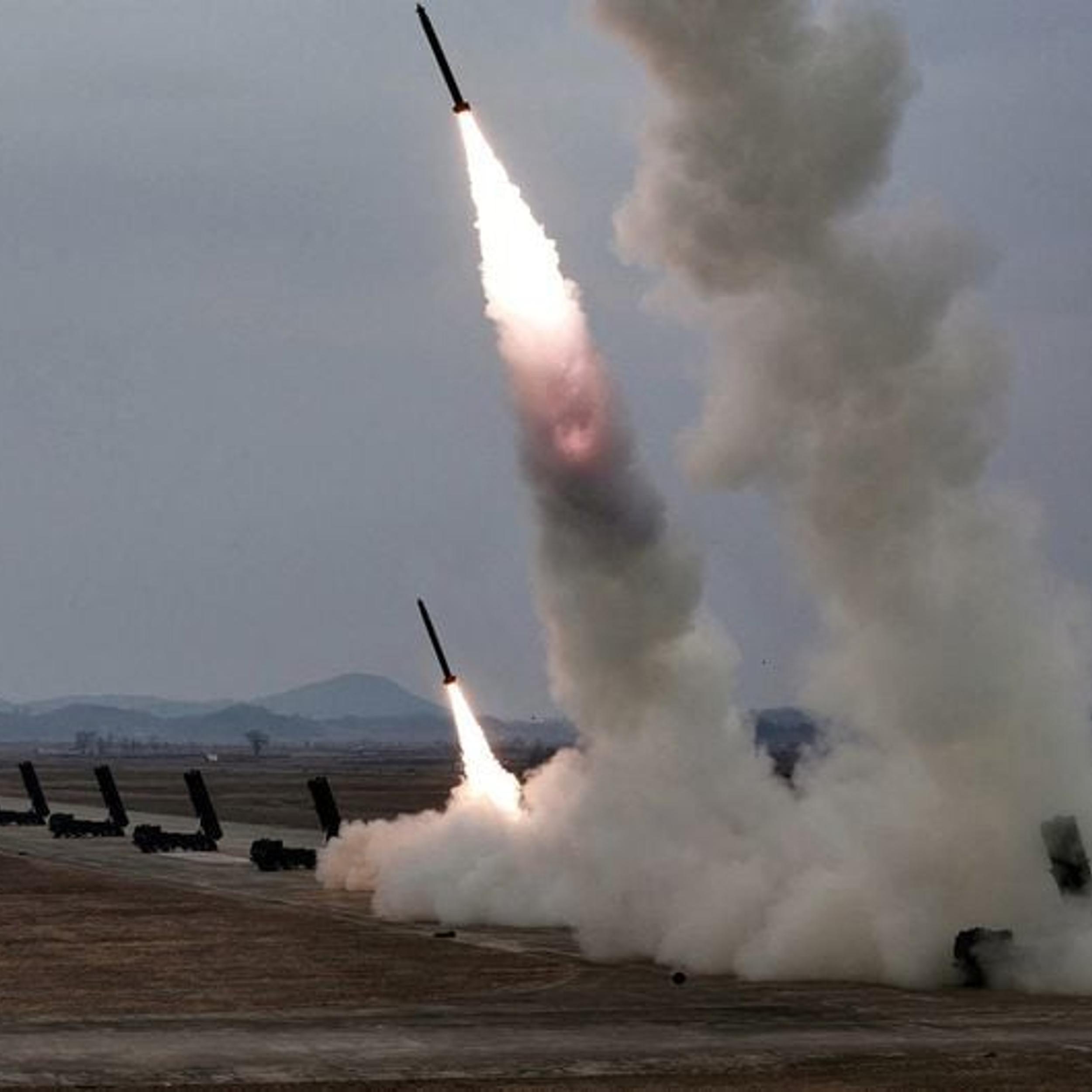
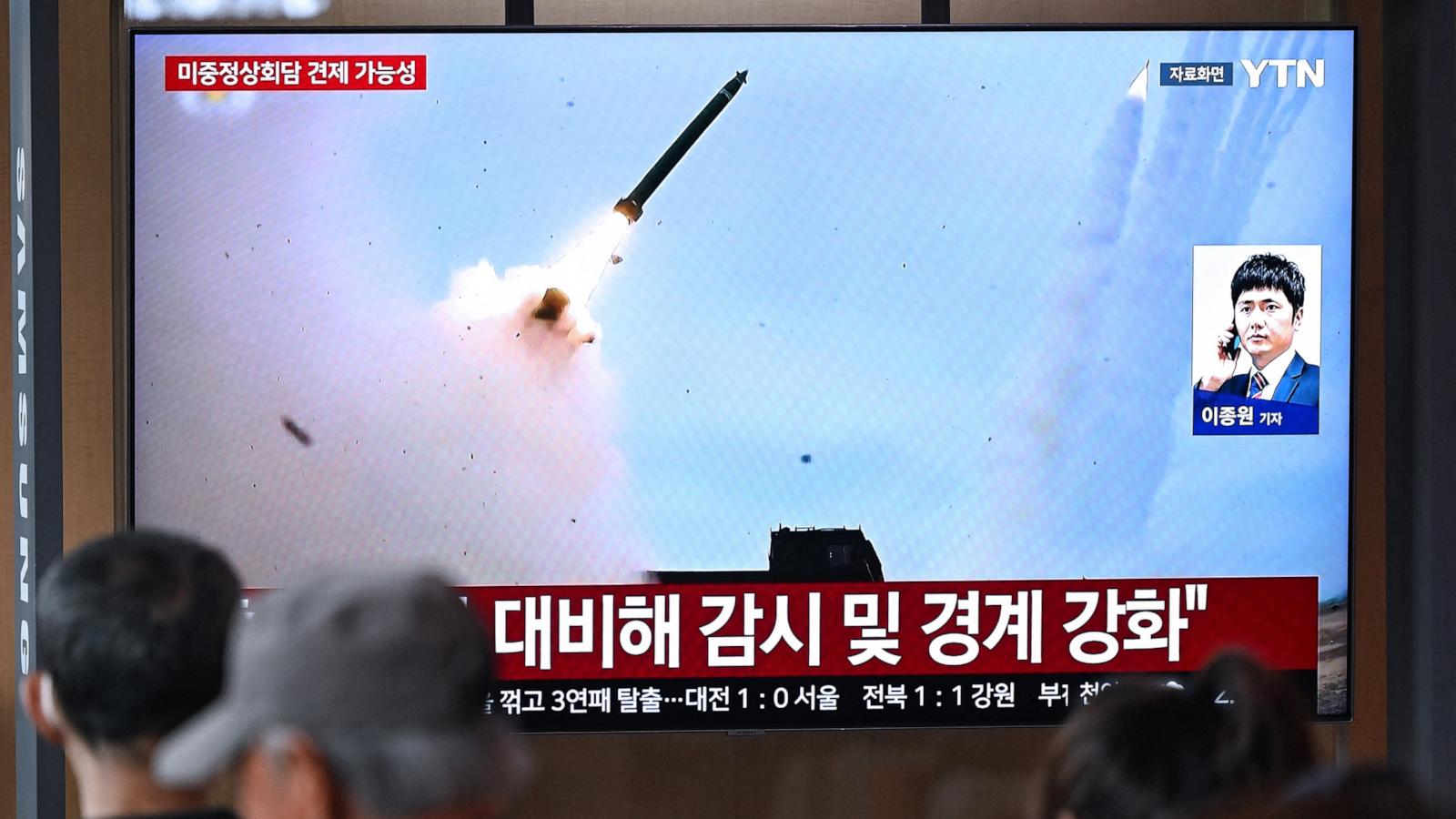
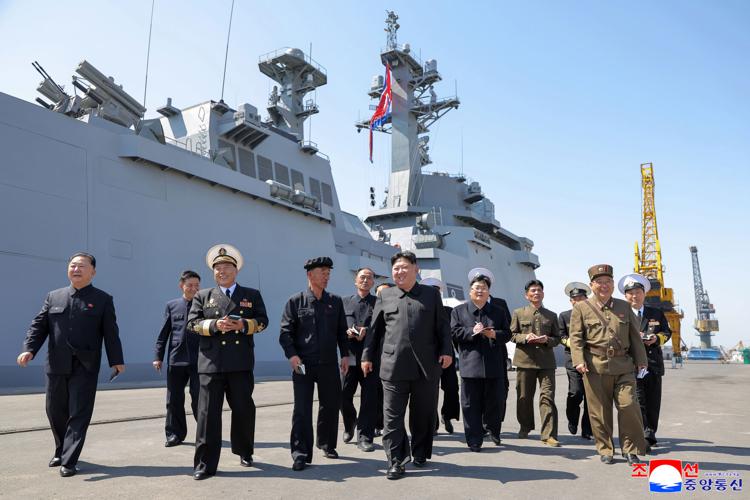
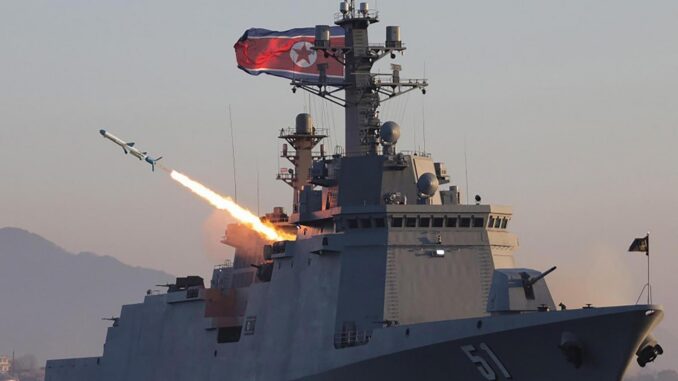
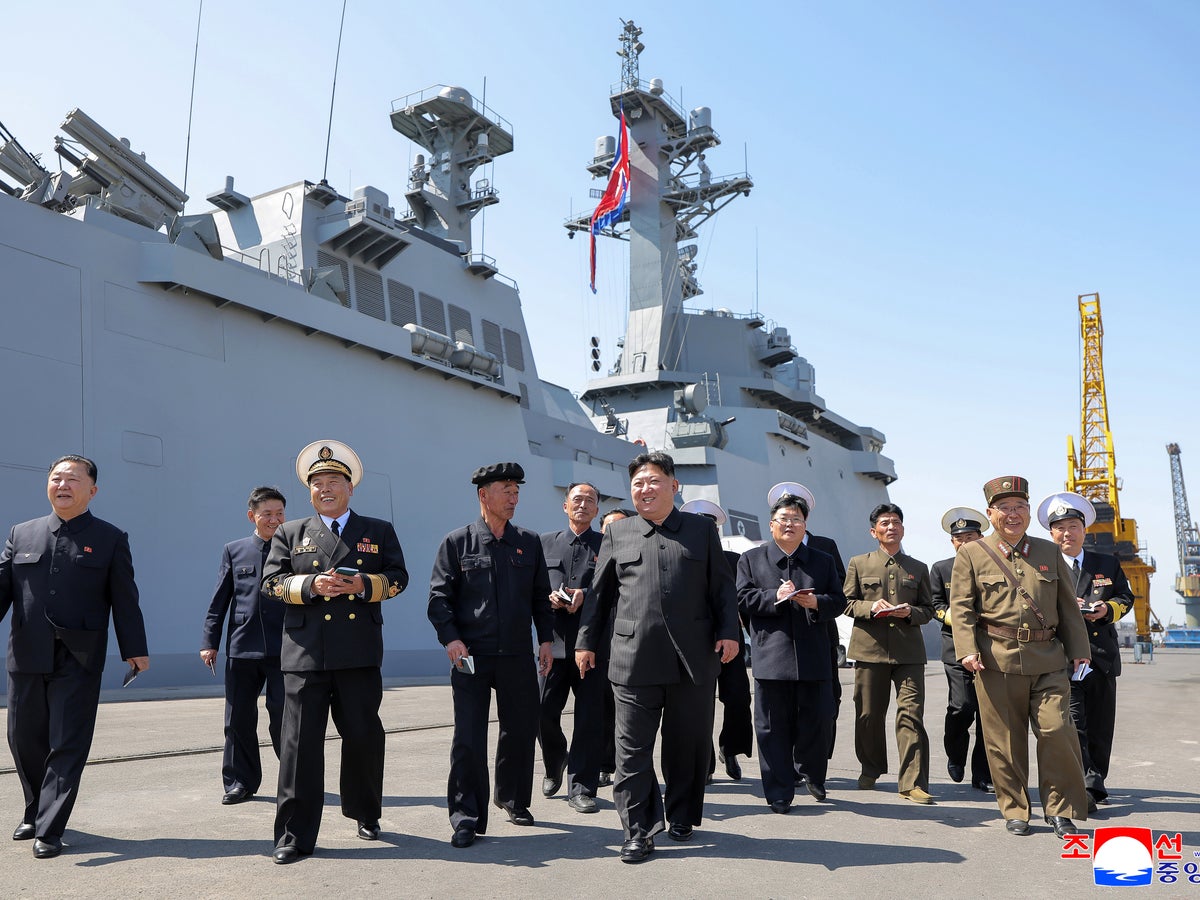
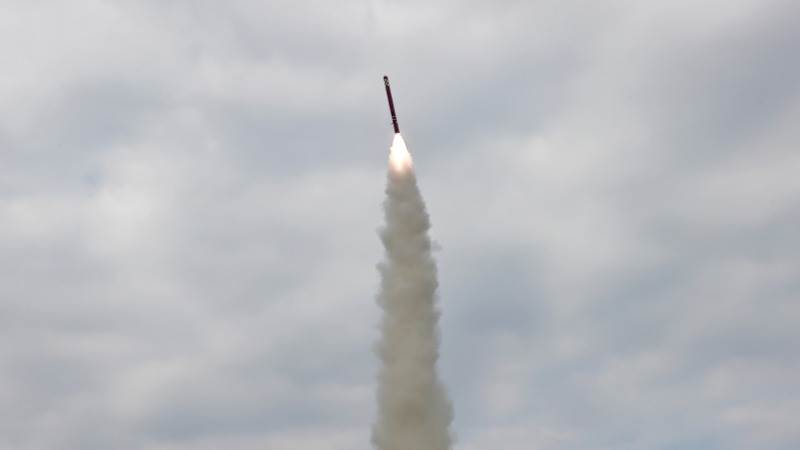
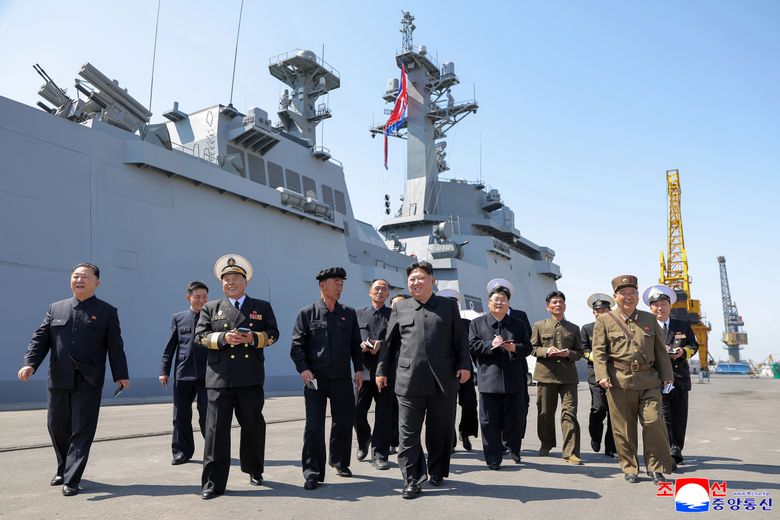
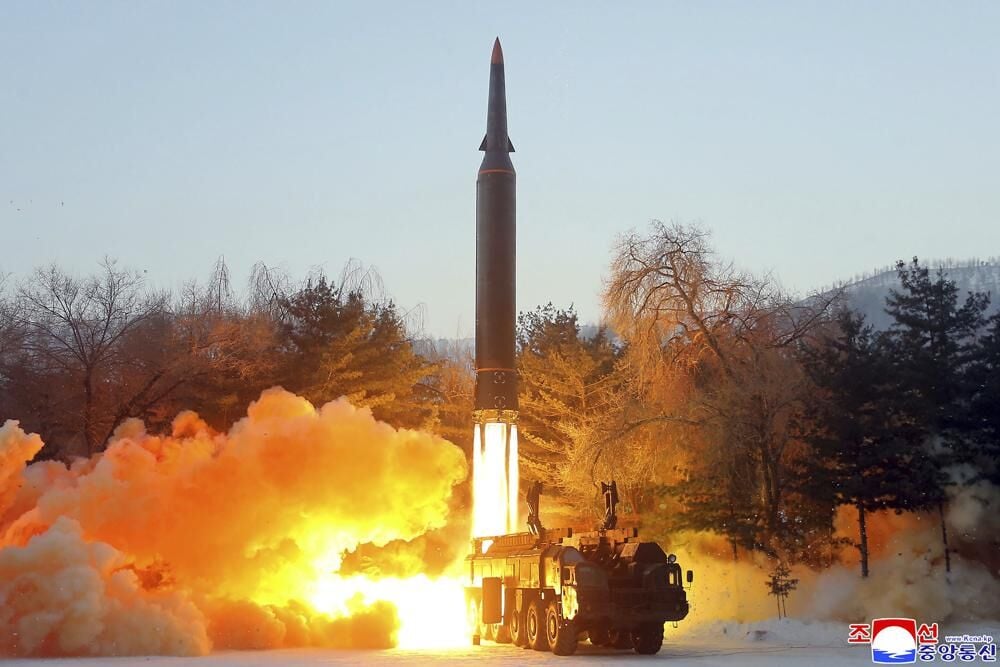
North Korea's seventh ballistic missile test of 2026 (April 19, near Sinpo) signals intensifying geopolitical volatility that directly impacts cross-border e-commerce logistics, insurance costs, and supply chain stability across East Asia. While North Korea itself represents a negligible e-commerce market due to international sanctions, the escalating military tensions create measurable operational risks for sellers shipping through or sourcing from South Korea, Japan, and broader Asia-Pacific regions. The news reports seven missile tests in 2026 alone, with anticipated U.S.-North Korea diplomatic discussions creating unpredictable policy windows that affect trade corridors.
For cross-border sellers, the immediate impact manifests in three critical areas: First, shipping insurance premiums for cargo transiting East Asian waters (particularly routes through the Sea of Japan/East Sea) are experiencing 15-25% cost increases as insurers price in geopolitical risk. Sellers using 3PL providers or FBA shipments from China/Vietnam to Japan/South Korea face higher freight costs—typically adding $200-400 per 40-foot container. Second, logistics route diversification becomes strategically necessary; sellers previously relying on direct Korea-to-US shipping corridors must now evaluate alternative routes through Singapore, Hong Kong, or Southeast Asian hubs, adding 5-10 days to transit times and requiring inventory buffer adjustments. Third, supply chain sourcing from South Korea (electronics, semiconductors, automotive parts, cosmetics) faces potential disruption risk, prompting sellers to accelerate inventory purchases before potential escalation or shift sourcing to Vietnam/Thailand alternatives.
The competitive advantage shifts toward sellers with geographic diversification and supply chain flexibility. Large sellers (1000+ monthly units) with established 3PL networks can absorb 10-15% cost increases through margin compression, while small/medium sellers (100-500 units) lack negotiating power with freight forwarders and face margin pressure of 20-30%. Sellers in high-velocity categories (electronics, beauty, apparel) sourced from South Korea should immediately audit inventory levels and consider 60-90 day safety stock increases. The anticipated Trump-Kim Jong Un diplomatic discussions create a timing window—if talks progress, insurance premiums could normalize within 6-12 months, making current inventory purchases strategically timed. Conversely, if tensions escalate, sellers face potential shipping delays of 2-3 weeks and possible rerouting costs of $500-1,200 per shipment. Immediate action required: Monitor shipping insurance quotes weekly, establish alternative logistics partnerships in Southeast Asia, and adjust inventory forecasts to account for 10-15% cost increases through Q3 2026.
Questions 8
How should sellers adjust pricing strategy during geopolitical uncertainty?
Shipping cost increases of 15-25% create margin pressure, but sellers should avoid aggressive price increases that reduce competitiveness. Strategy: (1) Absorb 5-8% of cost increases through operational efficiency, (2) Pass 7-12% to customers through modest price increases (2-4% ASIN price adjustments), (3) Optimize product mix toward higher-margin SKUs, (4) Negotiate volume discounts with 3PL providers to offset 3-5% of increases. Monitor competitor pricing weekly—sellers with diversified logistics networks can undercut competitors still using direct Korea routes. Implement dynamic pricing strategies that adjust for shipping cost volatility.
Are there tariff or trade policy changes from North Korea tensions?
The news reports no immediate tariff changes, but geopolitical escalation historically triggers trade policy reviews. U.S. Indo-Pacific Command statements emphasize regional defense coordination, potentially leading to enhanced export controls on dual-use electronics or semiconductor components. Sellers should monitor U.S. Commerce Department announcements for potential Korea-related export restrictions. Current tariff rates remain unchanged (South Korea benefits from KORUS trade agreement), but geopolitical risk could prompt policy reviews within 6-12 months. Sellers should diversify sourcing to reduce Korea dependency for strategic categories.