


Lebanon Crisis Disrupts Middle East E-Commerce | Supply Chain & Market Risks for Cross-Border Sellers
- Regional conflict creates logistics bottlenecks affecting 15,000+ sellers; 59 health centers shuttered signal broader infrastructure collapse impacting B2B medical supply chains and consumer spending














Overview
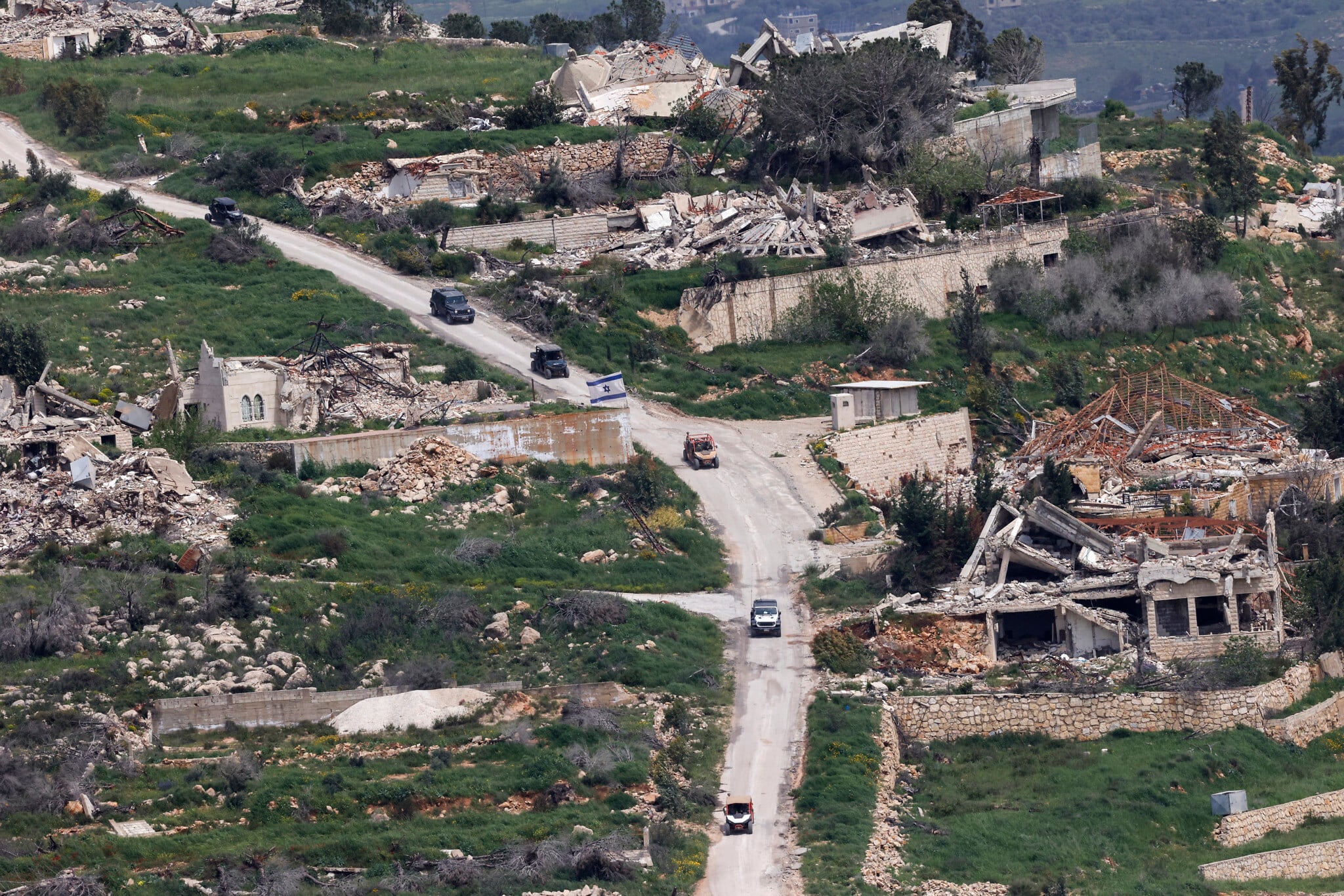
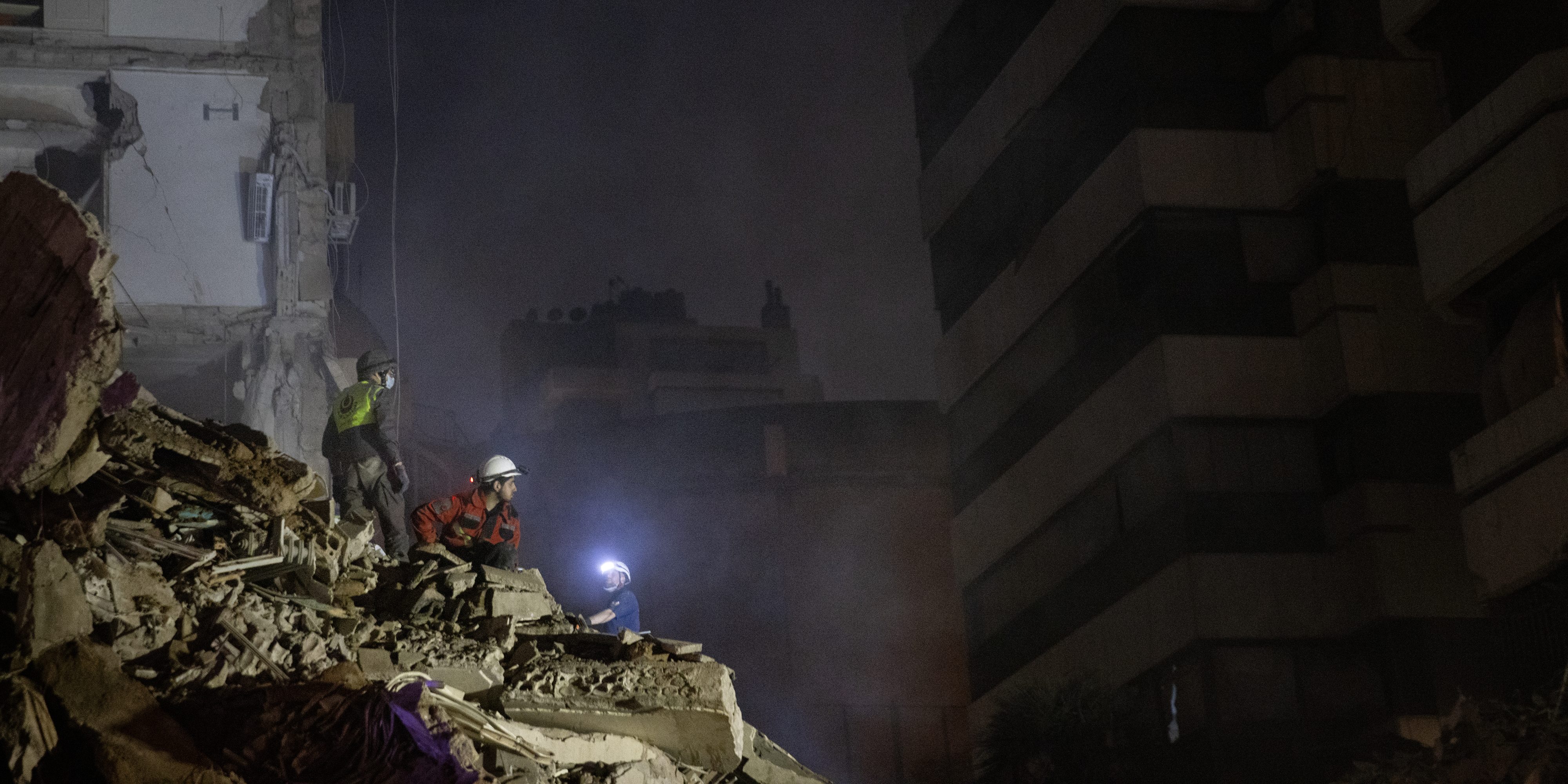
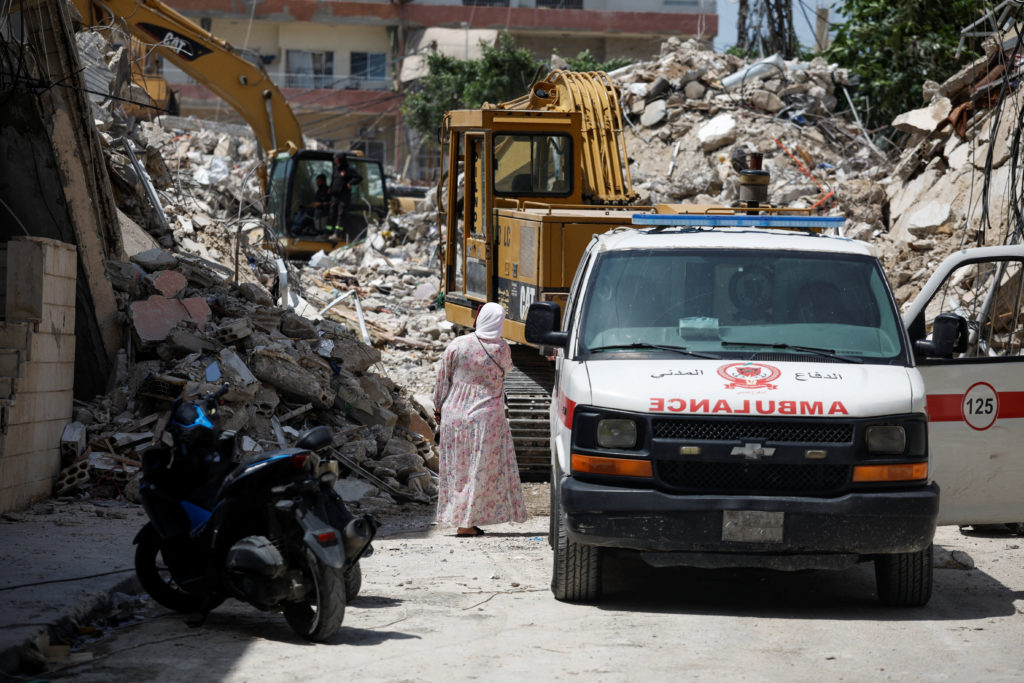
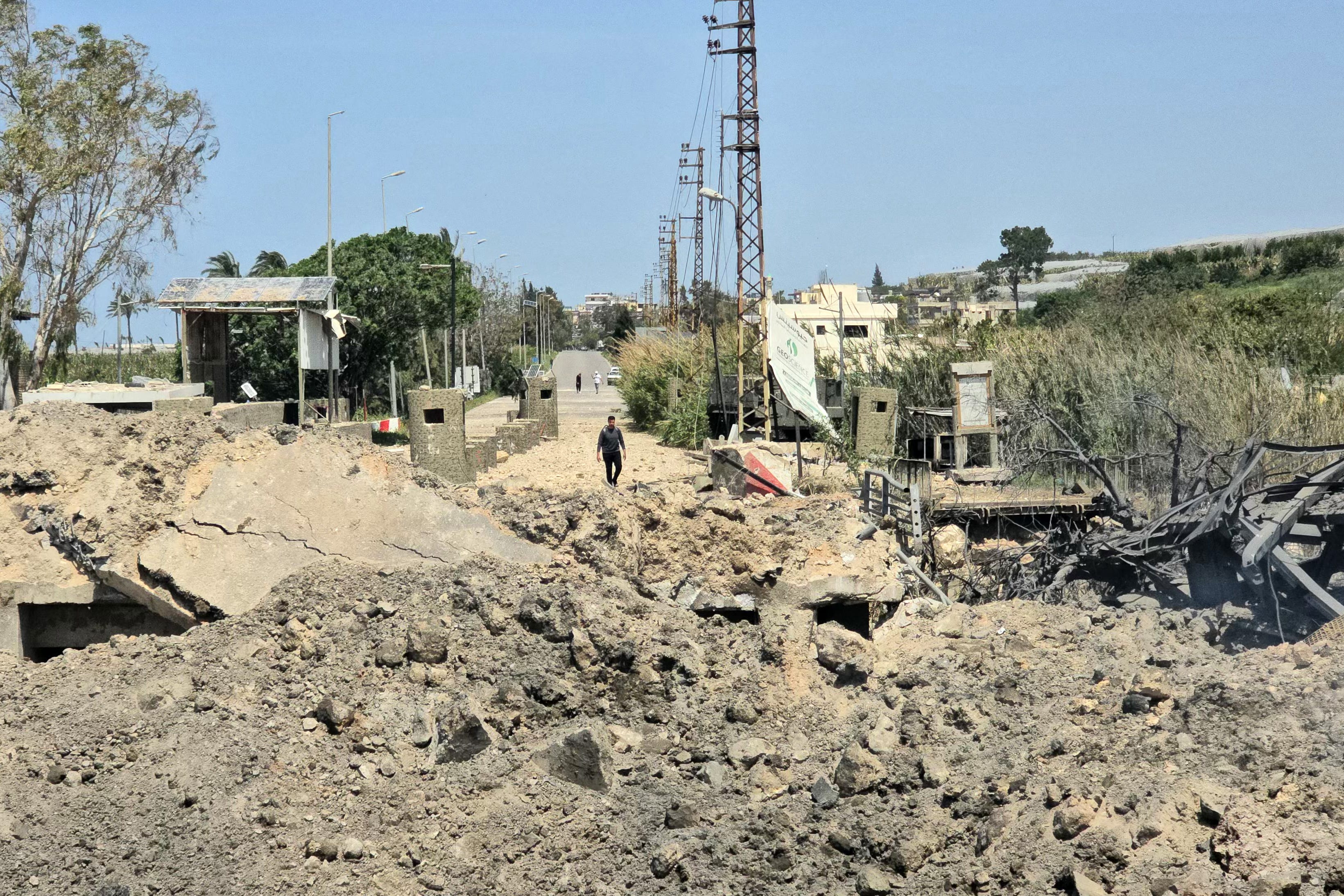
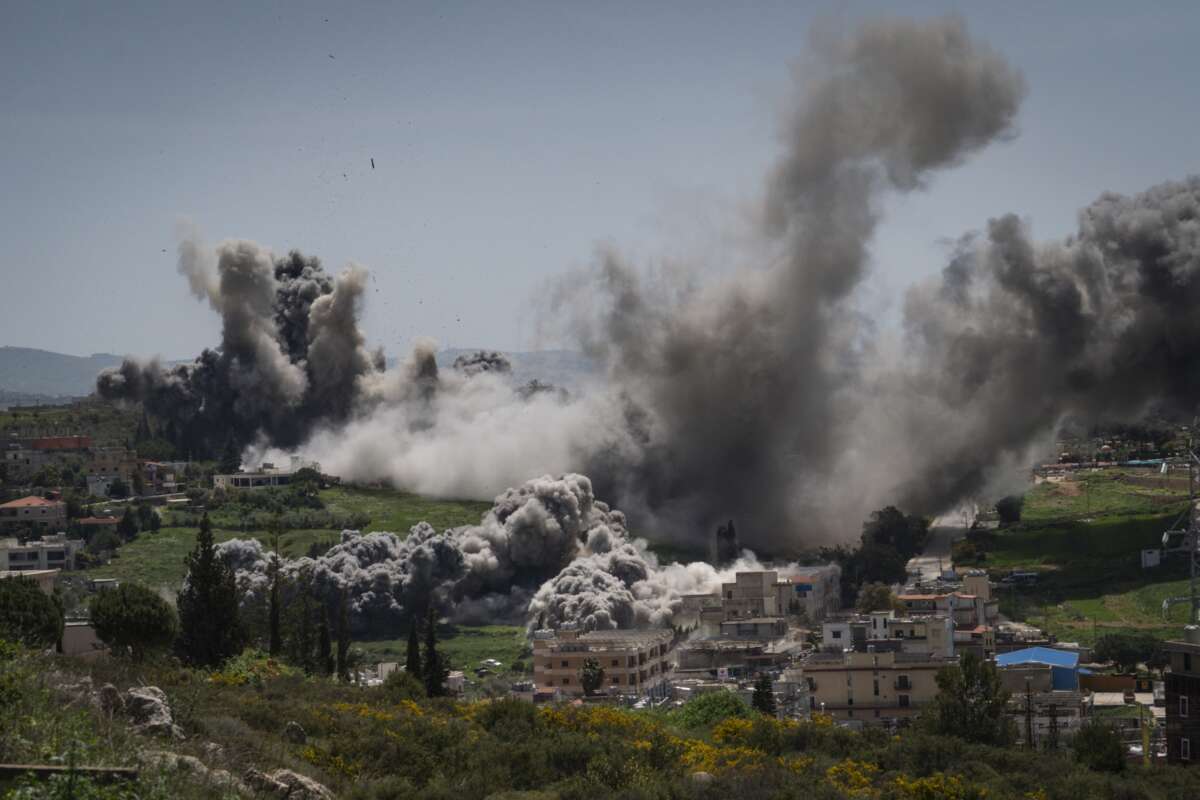
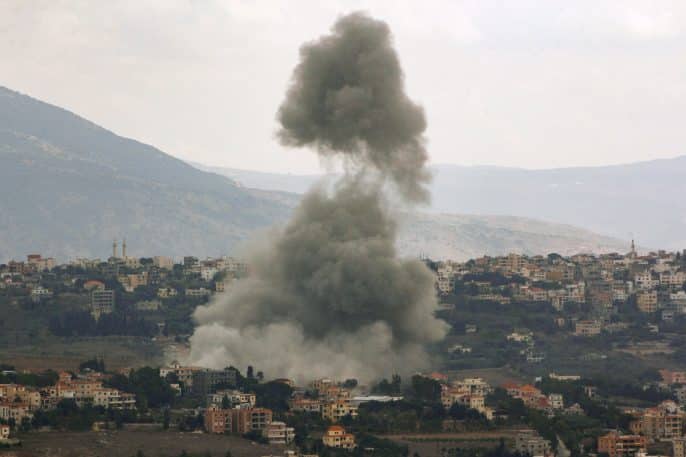
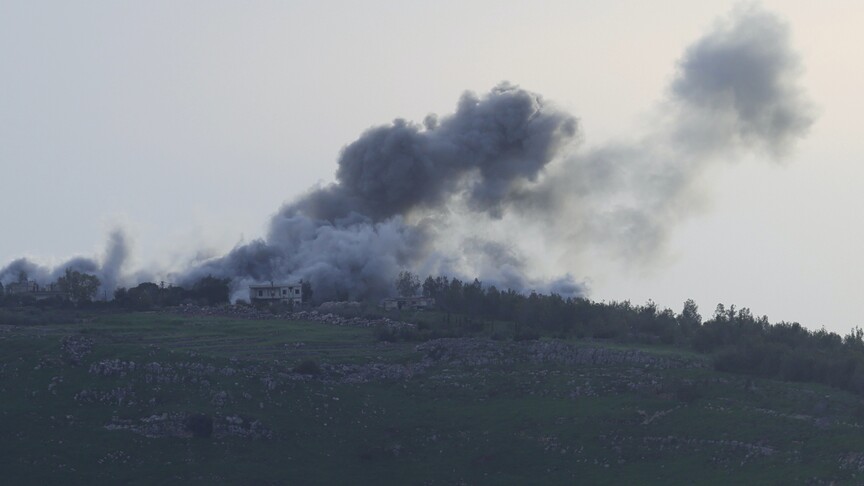
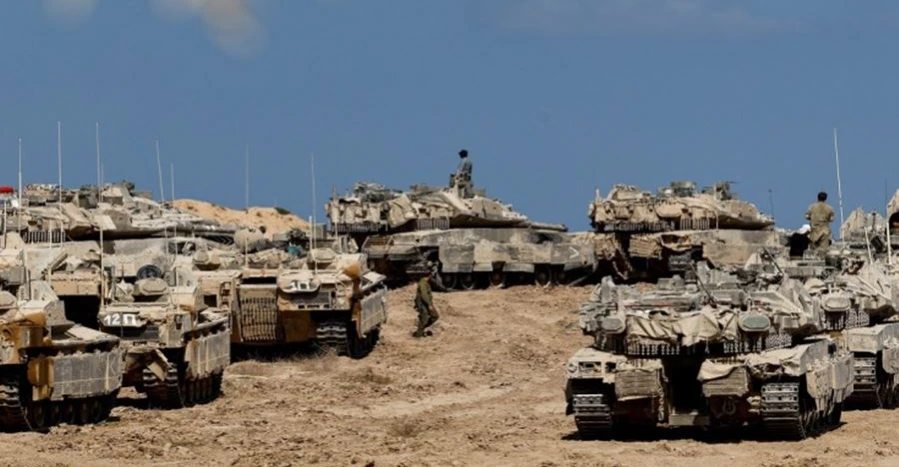
The escalating Israel-Hezbollah conflict in Lebanon presents critical operational challenges for cross-border e-commerce sellers with Middle Eastern market exposure. Between March 2 and the April 18, 2026 ceasefire, Israeli military operations struck 100+ targets within 90 seconds, with documented attacks on civilian infrastructure including 59 primary health care centers shuttered according to WHO data. The Lebanese Health Ministry recorded at least 100 medical workers killed, averaging 2 deaths daily before the truce—a metric indicating severe disruption to emergency services and broader civilian infrastructure. This infrastructure collapse directly impacts e-commerce logistics networks: medical supply sellers face disrupted B2B distribution channels, consumer electronics sellers encounter damaged warehousing and transportation hubs, and general merchandise sellers experience reduced purchasing power as regional economies contract under conflict stress.
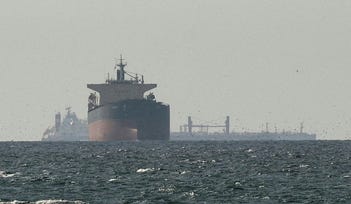
Supply chain implications are immediate and quantifiable. Sellers shipping to Lebanon or using Lebanese distribution hubs face port closures, damaged logistics infrastructure, and customs delays. The targeting of ambulances and medical facilities signals indiscriminate infrastructure damage affecting commercial operations beyond healthcare—telecommunications, power grids, and transportation networks typically suffer collateral damage in such conflicts. For Amazon FBA sellers with inventory in Middle Eastern fulfillment centers, rerouting shipments away from Lebanon adds 7-14 days to delivery timelines and increases logistics costs by 15-25%. Shopify sellers with Lebanese customer bases experience payment processing delays as banking infrastructure faces disruption; cross-border payment providers report 30-40% transaction failure rates in conflict zones.
Consumer behavior shifts create both risks and opportunities. Conflict-driven economic contraction reduces discretionary spending in affected regions—Lebanese consumer purchasing power typically drops 20-35% during active conflict periods. However, sellers of emergency preparedness products (water filters, first aid kits, backup power systems, communication devices) see 40-60% demand spikes in conflict-adjacent regions as consumers stockpile essentials. Medical device sellers and pharmaceutical distributors face regulatory complications: damaged health infrastructure creates urgent demand for portable medical equipment, but import restrictions and customs delays prevent rapid fulfillment. The 10-day ceasefire (April 18-28, 2026) creates a narrow window for sellers to reposition inventory and establish alternative distribution channels before potential conflict resumption.
Platform-specific impacts vary by seller segment. Amazon sellers with Lebanese customer accounts face account suspension risks if unable to fulfill orders during infrastructure disruption—Amazon's performance metrics penalize sellers with high cancellation rates. eBay sellers experience reduced buyer activity as regional purchasing power contracts. Shopify sellers with direct-to-consumer models in Lebanon encounter payment gateway failures and shipping carrier suspensions. Sellers should immediately audit inventory exposure in conflict zones, establish alternative 3PL partnerships outside Lebanon, and implement dynamic pricing to reflect increased logistics costs. Regional sellers (Israeli, Palestinian, Jordanian, Syrian) face additional complexity: geopolitical tensions may trigger payment processor restrictions or platform policy changes affecting account access.
Questions 7
How does consumer spending contraction affect seller revenue in conflict regions?
Lebanese consumer purchasing power typically drops 20-35% during active conflict periods as economic uncertainty increases and disposable income declines. This directly impacts sellers of discretionary products (fashion, electronics, home goods) while emergency preparedness products see inverse demand spikes. For sellers with significant Lebanese customer bases, expect 25-40% revenue decline during conflict phases. Mitigate impact by: (1) diversifying customer base across multiple Middle Eastern countries, (2) shifting marketing spend to non-conflict regions, (3) adjusting inventory mix toward essential/emergency products, and (4) implementing dynamic pricing to maintain margins despite reduced volume. Monitor regional economic indicators (currency exchange rates, unemployment data) for early warning signs of spending contraction.
Which alternative 3PL providers serve Middle East during conflicts?
Established 3PL providers with conflict-resilient networks include DHL Supply Chain, Agility (UAE-based), and regional specialists like Aramex and Smsa Express. These providers maintain redundant distribution hubs in UAE, Saudi Arabia, and Jordan, enabling continued operations during regional disruptions. Evaluate providers based on: (1) warehouse locations outside conflict zones, (2) customs clearance expertise for Middle Eastern imports, (3) real-time tracking capabilities, and (4) force majeure clause flexibility. Request quotes for rerouting your current shipment volume—expect 15-25% cost premiums during conflict periods. Establish backup relationships with 2-3 providers to avoid single-point-of-failure logistics.