



UK Political Uncertainty Signals Market Volatility | Cross-Border Sellers Face Regulatory Risk
- Government instability creates regulatory unpredictability affecting 50K+ UK-based cross-border sellers; potential policy shifts on VAT, customs, and trade agreements














Overview
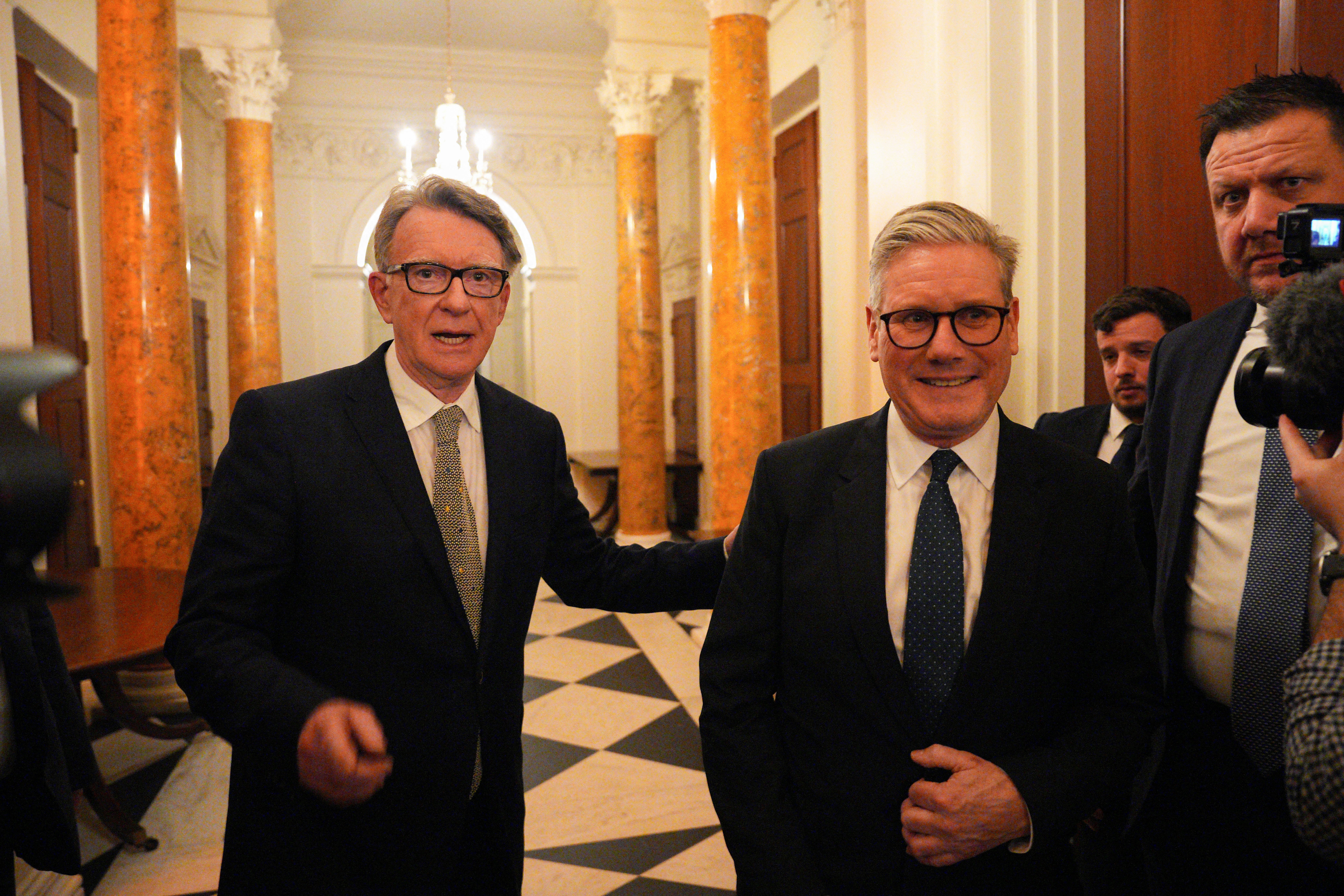
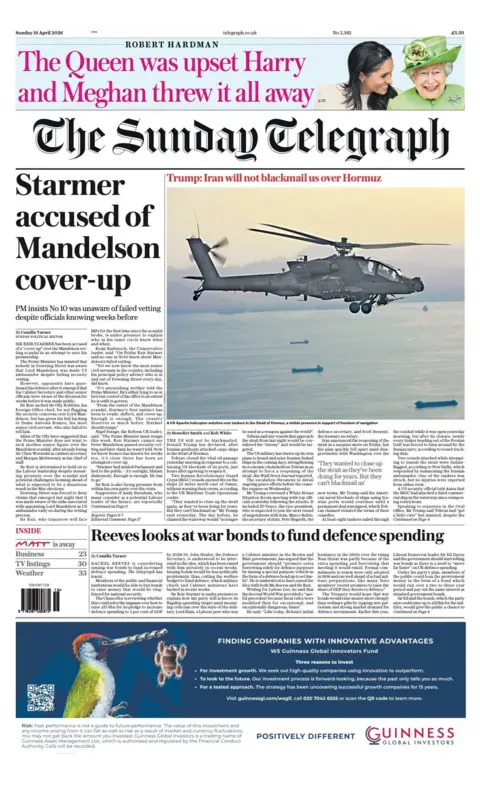
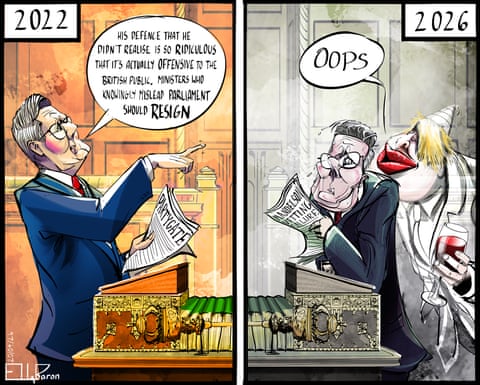
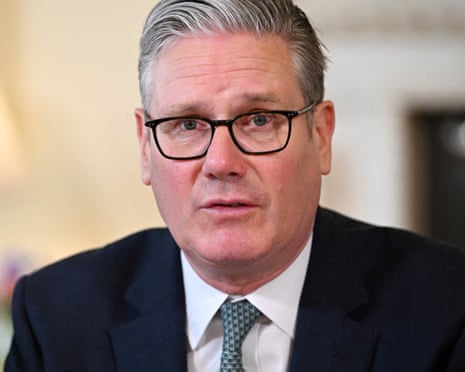
The UK government faces significant political instability following Lord Mandelson's controversial appointment as US ambassador despite failing security vetting, with Prime Minister Sir Keir Starmer accused of bypassing proper due diligence procedures. Technology Secretary Liz Kendall confirmed on BBC's Sunday with Laura Kuenssberg that Starmer would have blocked the appointment had he known about the vetting failure, while Deputy Prime Minister David Lammy stated neither he nor his advisers were informed about the security process due to time pressures following Donald Trump's return to the White House. The controversy triggered the departure of Sir Olly Robbins, the Foreign Office's most senior civil servant, with opposition parties calling for Starmer's resignation and accusing him of misleading Parliament.
For cross-border e-commerce sellers, this political turbulence creates material regulatory risk. UK-based sellers operating on Amazon, eBay, and Shopify depend on stable government policy regarding VAT compliance, customs procedures, and trade agreements with the EU and international partners. Government instability historically precedes policy reversals—the departure of senior civil servants like Robbins signals potential shifts in trade policy implementation and regulatory enforcement priorities. Sellers should monitor upcoming Foreign Affairs Committee testimony (scheduled for Tuesday) and parliamentary procedures that could lead to leadership changes, as new administrations typically reassess trade and commerce policies within 60-90 days of taking office.
The operational impact extends to three key seller segments. UK sellers shipping to EU markets face uncertainty around post-Brexit VAT procedures and customs documentation requirements, which could shift if new leadership prioritizes different trade relationships. Sellers using UK-based 3PL providers and fulfillment centers may experience service disruptions if regulatory changes affect logistics operations or import/export procedures. Additionally, sellers relying on UK government trade support programs, export financing, or regulatory guidance face potential delays or policy reversals during leadership transitions. Historical precedent shows that government crises typically trigger 30-45 day periods of regulatory uncertainty where enforcement becomes inconsistent and policy guidance stalls.
Strategic implications for sellers include supply chain reassessment and compliance monitoring. The potential for leadership change within weeks creates urgency for sellers to document current VAT registration status, customs procedures, and trade agreement dependencies before potential policy shifts occur. Sellers should diversify fulfillment across multiple geographic regions to reduce exposure to UK-specific regulatory changes, and maintain updated compliance documentation that would remain valid under alternative policy frameworks. The uncertainty also presents opportunity—sellers positioned to adapt quickly to new trade policies or regulatory frameworks may gain competitive advantage over slower-moving competitors.
Questions 8
What role does the Mandelson appointment controversy play in trade policy execution?
The Mandelson appointment itself is less relevant than what it reveals: the Foreign Office's inability to coordinate information and make informed decisions under time pressure. Deputy PM Lammy's statement that he wasn't informed about vetting failures due to 'time pressures' suggests the Foreign Office is overwhelmed and unable to manage complex processes—exactly the skills needed for trade negotiations and customs procedure implementation. This dysfunction, combined with Robbins' departure, indicates the Foreign Office will struggle to execute trade policy effectively. Sellers should assume trade policy execution will be slower and less coordinated than in previous administrations, requiring more independent monitoring and proactive compliance strategies.
What competitive opportunities emerge from UK government uncertainty?
Sellers positioned to adapt quickly to new trade policies or regulatory frameworks may gain competitive advantage over slower-moving competitors. If new leadership prioritizes different trade relationships (EU, US, Asia-Pacific), early movers who establish fulfillment and compliance infrastructure in preferred regions will capture market share. The current uncertainty creates temporary inefficiencies in UK seller operations—competitors who diversify fulfillment, streamline compliance, and establish multi-region supply chains will operate more efficiently once policies stabilize. Additionally, sellers who document and share best practices for navigating regulatory transitions may build brand authority and attract customers seeking reliable service during uncertain periods. Consider developing content around VAT compliance, customs procedures, and multi-region fulfillment strategies to position your business as a trusted resource during this transition period.