




Strait of Hormuz Closure Drives 25-35% Shipping Cost Surge | Cross-Border Sellers Face Critical Supply Chain Disruption
- Oil prices volatile ($90-120/barrel), maritime traffic near zero, 21% of global trade at risk, sellers must pivot logistics immediately






)






Overview
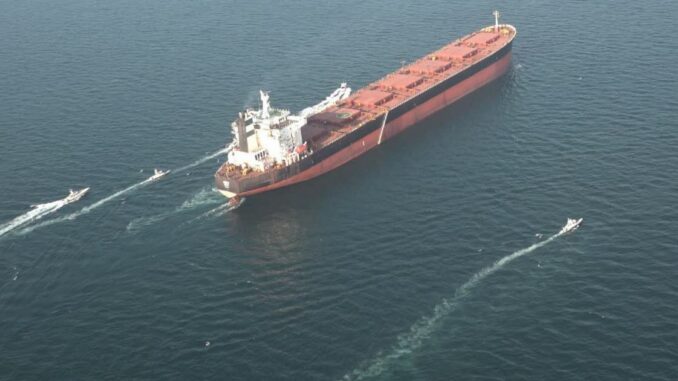
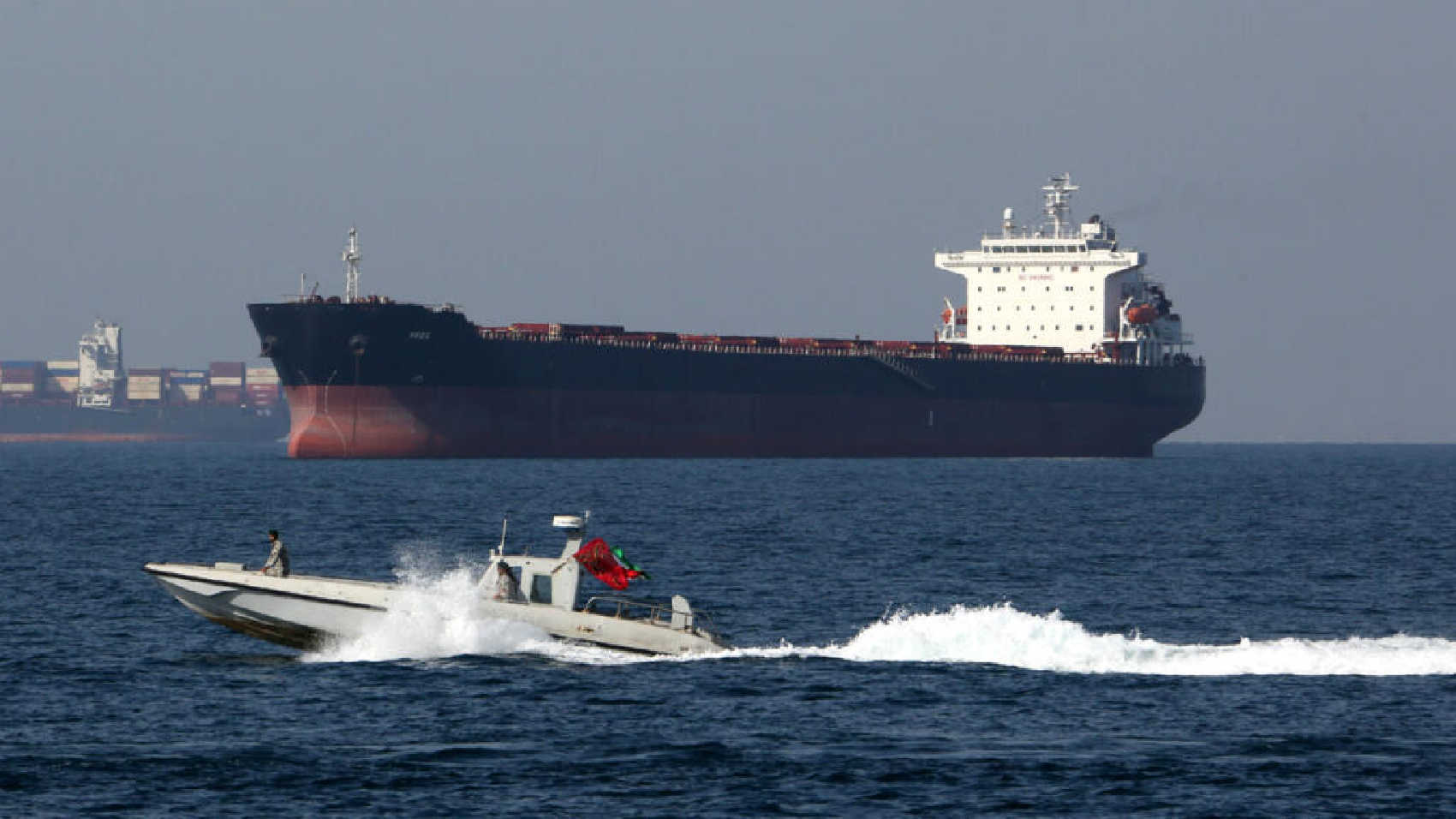
The Strait of Hormuz closure on April 18, 2026 (day 50 of US-Iran conflict) represents a critical supply chain inflection point for cross-border e-commerce sellers. This strategic waterway handles 20-30% of global maritime oil trade and approximately 21% of all international maritime commerce, making its disruption a direct operational threat to sellers relying on Asia-Europe and Middle East trade corridors. Oil prices have demonstrated extreme volatility—falling from $120 to $90.38 per barrel following reopening announcements, then rising again as closure persists—creating unpredictable fuel surcharges for logistics providers.
Immediate Logistics Impact: Sellers shipping via traditional Asia-Europe routes through the Strait face 25-35% cost increases due to fuel surcharges, extended transit times (15-25 additional days), and rerouting premiums. A typical 40-foot container from Shanghai to Rotterdam normally costs $3,500-4,200; current disruption pricing reaches $4,500-5,500. This directly compresses margins for sellers in electronics (HS 8471-8517), machinery (HS 8401-8484), and textiles (HS 5208-6305) categories where shipping represents 8-15% of landed costs. Small-to-medium sellers (SMBs) with monthly shipments of 50-200 containers face $50,000-150,000 monthly cost increases, while large sellers (1,000+ containers/month) absorb $500,000-1.5M additional expenses.
Strategic Sourcing Shifts: The disruption accelerates sourcing diversification away from China-dependent supply chains. Sellers are pivoting to Vietnam (electronics assembly), India (textiles, pharmaceuticals), and Mexico (nearshoring to US). Vietnam's manufacturing costs are 8-12% higher than China but avoid Hormuz routing entirely via direct Pacific routes. India's textile exports gain competitive advantage as sellers seek alternatives to China-sourced apparel. Mexico-based manufacturing eliminates ocean transit entirely for US-destined goods. The new Israel-Argentina air route (announced via El Al partnership) creates niche opportunities for high-value, time-sensitive goods (electronics components, luxury items) to Latin American markets, though air freight costs 4-6x ocean rates.
Compliance and Risk Mitigation: Iran's new vessel transit fee system (replacing traditional tolls) and requirement for prior coordination with Iranian authorities creates additional compliance complexity. Sellers must work with freight forwarders experienced in Hormuz navigation protocols. The EU's potential termination of its Association Agreement with Israel (per Spanish PM Sánchez) could trigger additional tariff complications for sellers using Israeli logistics hubs. Geopolitical uncertainty suggests 6-12 month volatility window before stabilization.
Questions 8
How much will Strait of Hormuz closure increase my shipping costs?
Shipping costs via traditional Asia-Europe routes are increasing 25-35% due to fuel surcharges and rerouting. A standard Shanghai-to-Rotterdam container that normally costs $3,500-4,200 now reaches $4,500-5,500. This translates to $50,000-150,000 monthly increases for SMBs shipping 50-200 containers. The volatility stems from oil prices fluctuating between $90-120 per barrel as negotiations progress. Sellers should lock in rates with 3PL providers immediately and consider alternative routing through the Suez Canal (adding 10-15 days but avoiding Hormuz entirely) or nearshoring to Mexico/Vietnam to bypass ocean transit altogether.
Which product categories are most affected by Hormuz disruption?
Electronics (HS codes 8471-8517), machinery (8401-8484), and textiles (5208-6305) face the highest impact because they represent 40-50% of Asia-Europe trade volume and have thin margins (8-15% shipping costs). Consumer electronics sellers see 3-5% margin compression per shipment. Textiles and apparel sellers sourcing from China/India face 6-8% cost increases. Conversely, high-value, low-weight categories (jewelry, pharmaceuticals, luxury goods) can absorb costs better. Sellers should prioritize inventory in high-margin categories and consider air freight for time-sensitive, high-value items despite 4-6x cost premiums.