





Fed Chair Succession Crisis | Interest Rate Volatility Threatens Cross-Border Seller Margins
- Warsh confirmation stalled until May 2026; 3.5-3.75% rates face pressure; market uncertainty impacts payment processing costs and consumer purchasing power for international e-commerce sellers







Overview
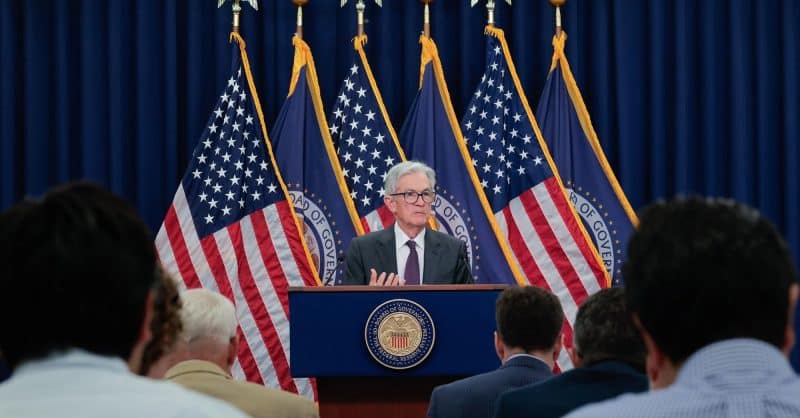
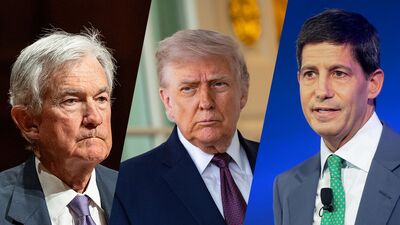
The Federal Reserve chair succession saga represents an unprecedented institutional crisis with direct implications for cross-border e-commerce sellers. President Trump's nomination of Kevin Warsh to succeed Jerome Powell faces a critical confirmation bottleneck: Senator Thom Tillis (R-NC) is blocking advancement from the Senate Banking Committee unless the Justice Department drops its investigation into Powell regarding Federal Reserve headquarters renovation cost overruns. With the confirmation hearing scheduled for April 21-23, 2025, and Powell's term expiring May 15, 2026, the timeline creates potential institutional chaos that could trigger market volatility affecting seller operations globally.
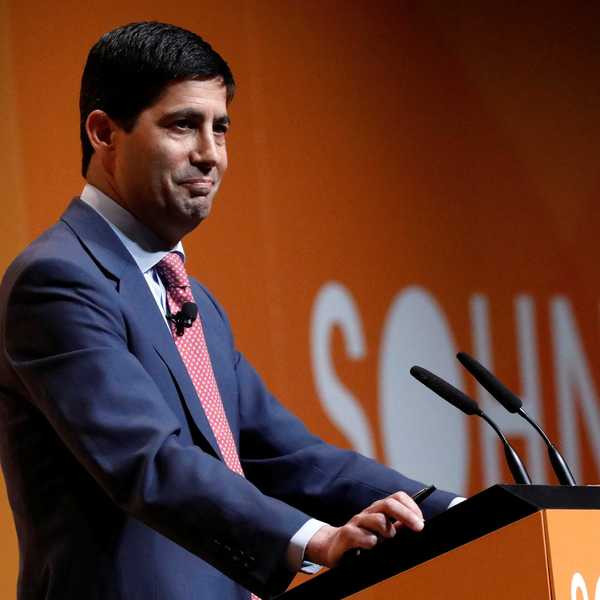
The core risk for e-commerce sellers centers on monetary policy uncertainty. If Warsh is confirmed, Trump expects aggressive interest rate cuts from the current 3.5-3.75% range. However, Warsh may pursue unconventional tactics: rather than direct rate cuts (which face resistance from 19 Fed policymakers), economists suggest he could shrink the Fed's $6 trillion balance sheet—currently holding $1.6 trillion in long-term Treasurys and $1.9 trillion in mortgage-backed securities—by $1 trillion, which Warsh believes has economic effects equivalent to a 50 basis point rate reduction. This balance-sheet reduction strategy creates market uncertainty, as previous attempts in 2019 caused significant disruptions. Simultaneously, geopolitical tensions (Iran war reaching two-year highs) and elevated oil prices are pushing even dovish Fed officials like Stephen Miran away from rate-cut enthusiasm, creating conflicting policy signals.
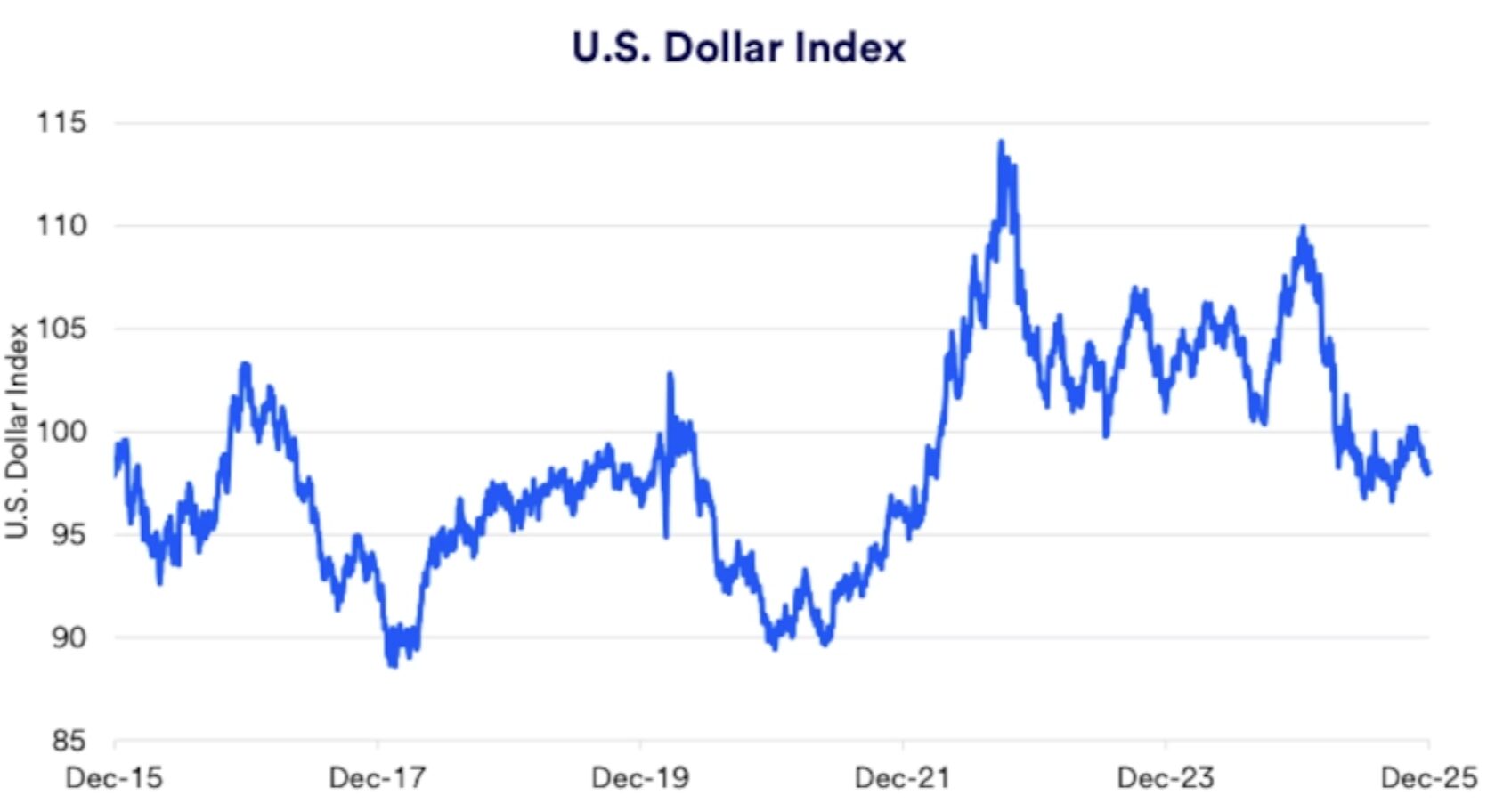
For cross-border sellers, this uncertainty directly impacts three operational areas. First, interest rate volatility affects working capital costs: sellers financing inventory through credit lines face unpredictable borrowing costs, with potential swings of 50-100 basis points creating $500-2,000 monthly cost variations for mid-sized sellers carrying $100K+ inventory. Second, currency valuations become unstable during Fed leadership transitions—the dollar's strength directly affects cross-border transaction costs and consumer purchasing power in international markets, potentially reducing demand from price-sensitive buyers in EU and Asia-Pacific regions by 5-15%. Third, payment processing costs fluctuate with market volatility; payment processors typically increase fees during periods of institutional uncertainty, potentially adding 0.5-1.5% to transaction costs for sellers processing $50K+ monthly volume.
The institutional conflict scenario—where Trump threatens to fire Powell if he serves as interim Fed Chair pro tempore, potentially triggering legal action—could extend uncertainty through late 2026, creating a prolonged period of policy ambiguity. This mirrors the 2019 balance-sheet reduction disruption, which caused market volatility affecting cross-border transaction costs and consumer confidence. Sellers should monitor confirmation progress closely, as a delayed transition could mean 12+ months of policy uncertainty affecting borrowing costs, currency stability, and consumer spending patterns across major e-commerce markets.
Questions 8
How does Federal Reserve chair succession uncertainty affect my cross-border e-commerce business?
Fed leadership transitions directly impact three seller cost areas: working capital financing (interest rates on inventory loans), currency valuations (affecting international customer purchasing power), and payment processing fees (which increase during market volatility). The current succession crisis—with Warsh's confirmation stalled until May 2026 and potential policy conflict between Trump and Powell—creates 12+ months of uncertainty. Sellers financing $100K+ inventory could see monthly borrowing costs fluctuate by $500-2,000 depending on rate direction. Currency volatility during this period could reduce demand from EU and Asia-Pacific customers by 5-15% as the dollar strengthens or weakens unpredictably.
What is Kevin Warsh's monetary policy approach and how might it affect interest rates?
Kevin Warsh, Trump's Fed chair nominee, advocates for aggressive interest rate cuts from the current 3.5-3.75% range but faces resistance from 19 Fed policymakers. Rather than direct rate cuts, economists suggest Warsh may pursue balance-sheet reduction—shrinking the Fed's $6 trillion balance sheet by $1 trillion, which he believes has economic effects equivalent to a 50 basis point rate reduction. This unconventional approach creates market uncertainty because previous balance-sheet reduction attempts in 2019 caused significant market disruptions. For sellers, this means interest rate direction remains unpredictable, making it difficult to lock in favorable financing terms for inventory purchases.