


Data Center Delays Threaten AI Tools | E-Commerce Sellers Face Higher Costs & Service Gaps Through 2026
- 40% of US data center projects miss 2026 deadlines; smaller sellers face 8-15% cloud service cost increases and delayed access to AI-powered logistics, pricing, and analytics tools











Overview
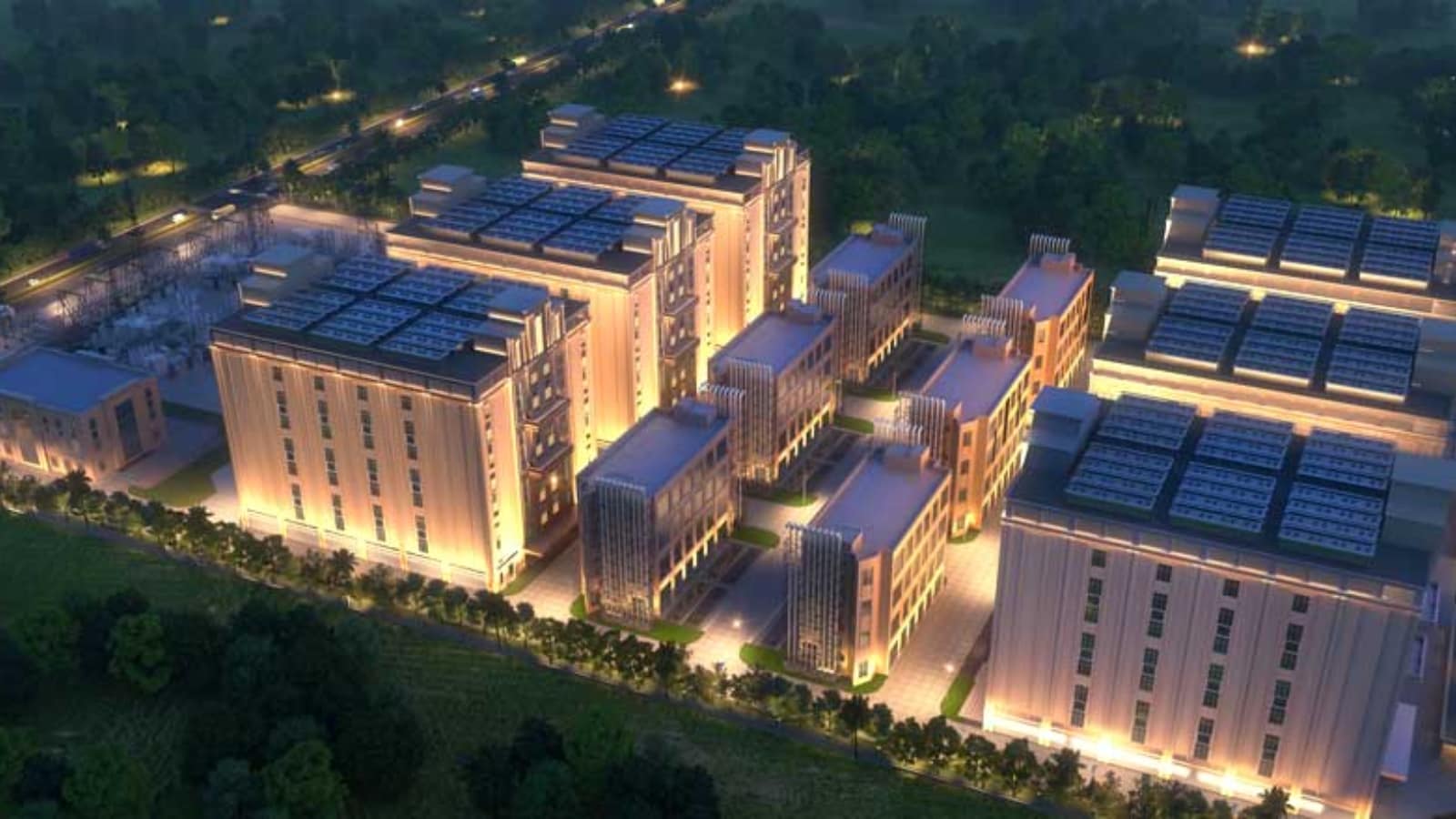
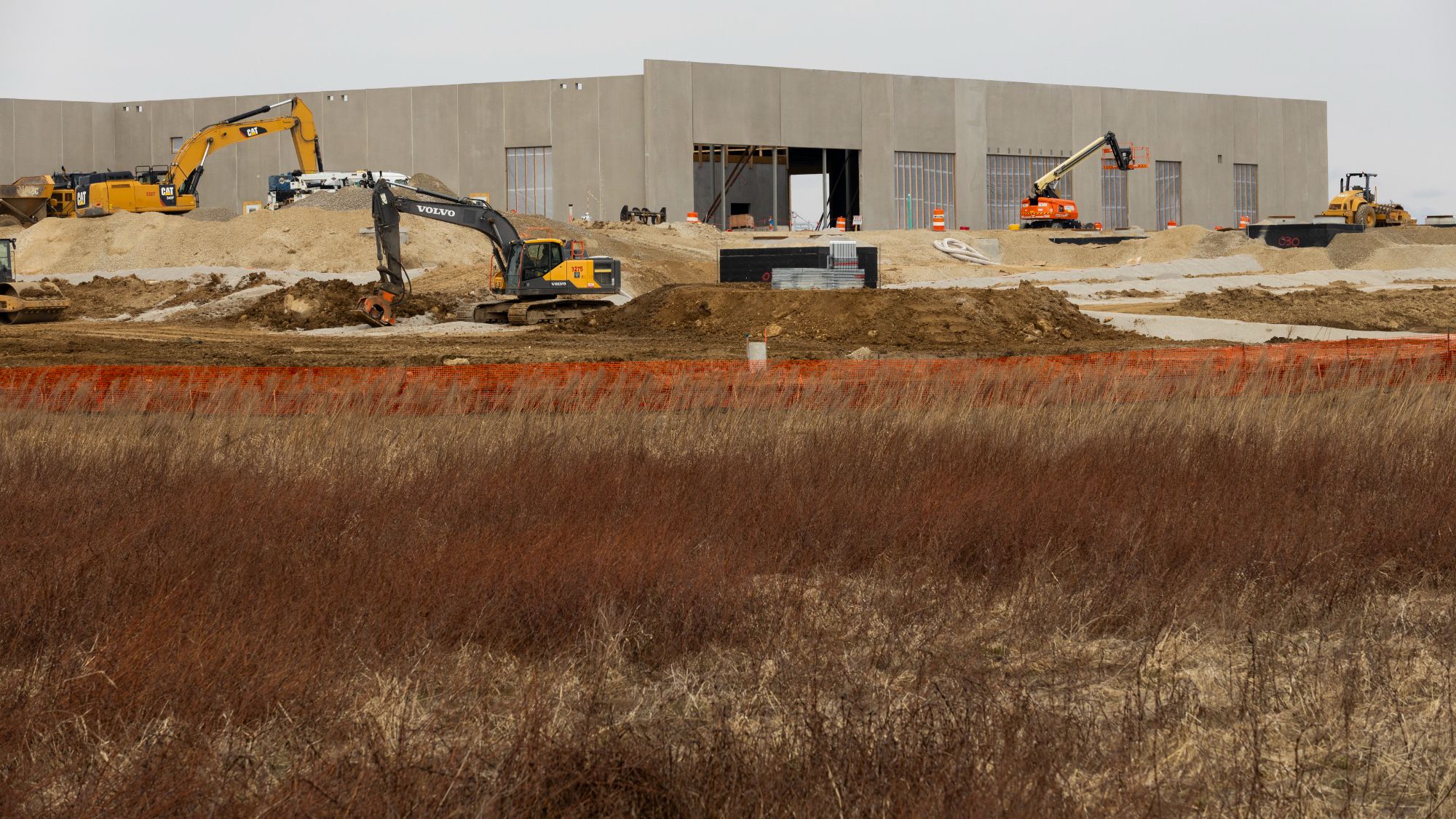
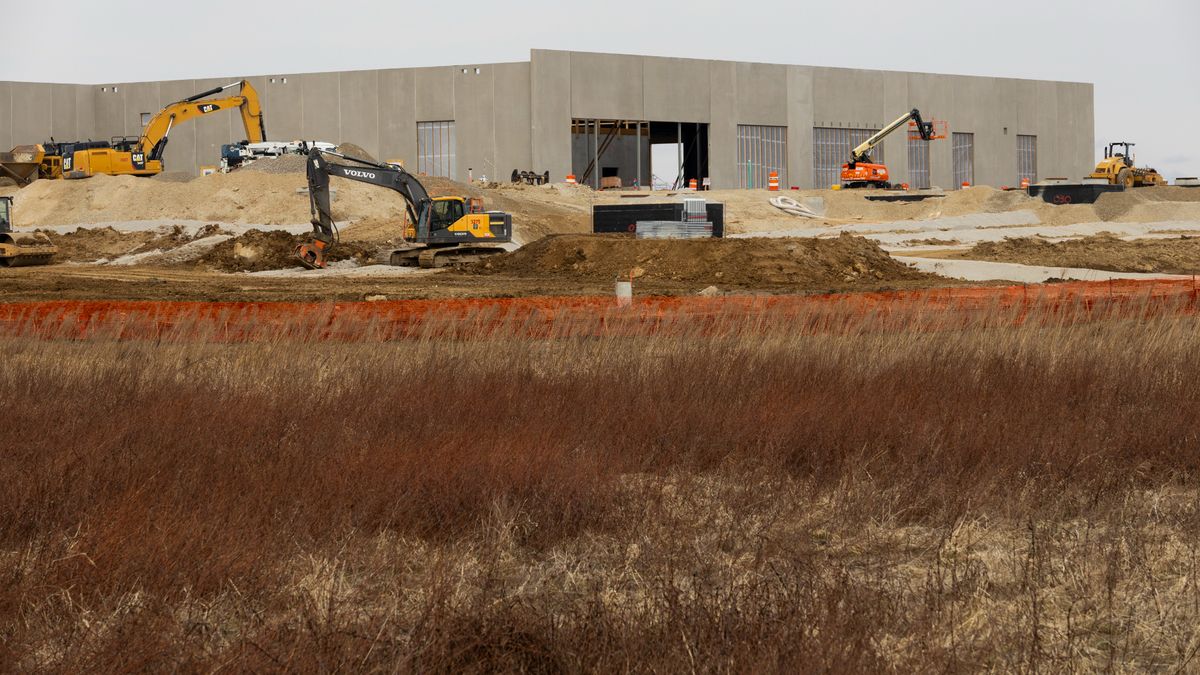
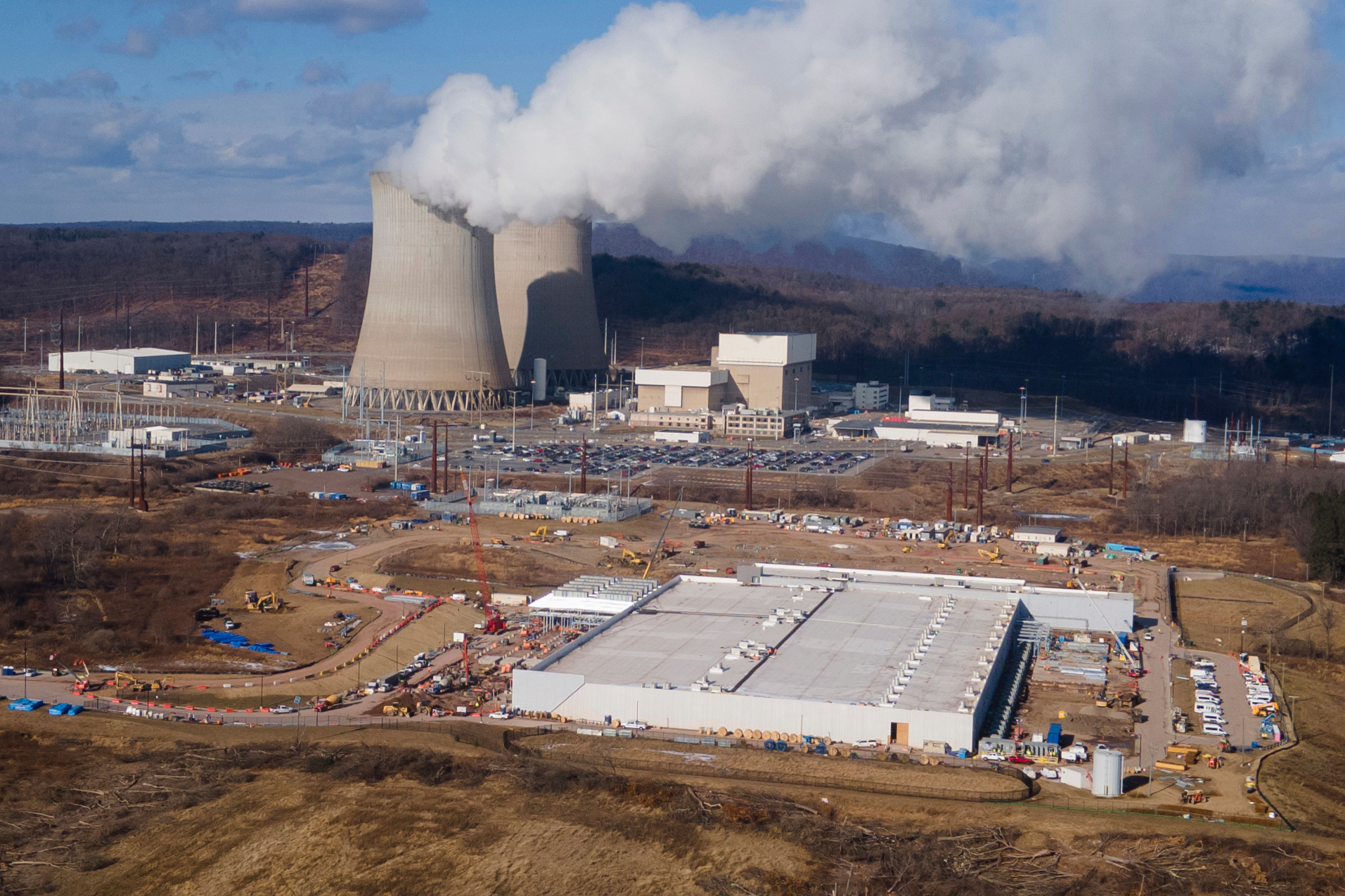
Critical infrastructure bottleneck: Nearly 40% of US data center projects are experiencing delays exceeding three months, with completion timelines extending 12-24 months beyond historical norms. This directly impacts e-commerce sellers who depend on cloud-based AI tools for competitive advantage. According to satellite imagery analysis by SynMax reported by Financial Times, tech giants including Microsoft, Oracle, and OpenAI face construction setbacks driven by chronic labor shortages (electricians, pipe fitters), power infrastructure constraints, and tariffs on Chinese equipment like power transformers. The convergence of these factors creates a critical capacity gap as enterprises compete for limited computing resources.
For e-commerce sellers, the implications are immediate and stratified by business size. Delayed data center completion extends timelines for new service deployments, directly affecting sellers' access to advanced logistics optimization, inventory management, and customer analytics platforms. Smaller cross-border sellers face disproportionate impact: while major enterprises can negotiate priority access to limited capacity, smaller sellers may experience service degradation or absorb 8-15% increases in cloud service fees passed through platform charges. Regional data center delays particularly affect latency-sensitive operations critical for international logistics and real-time inventory synchronization—capabilities increasingly essential for competing on Amazon, Shopify, and eBay.
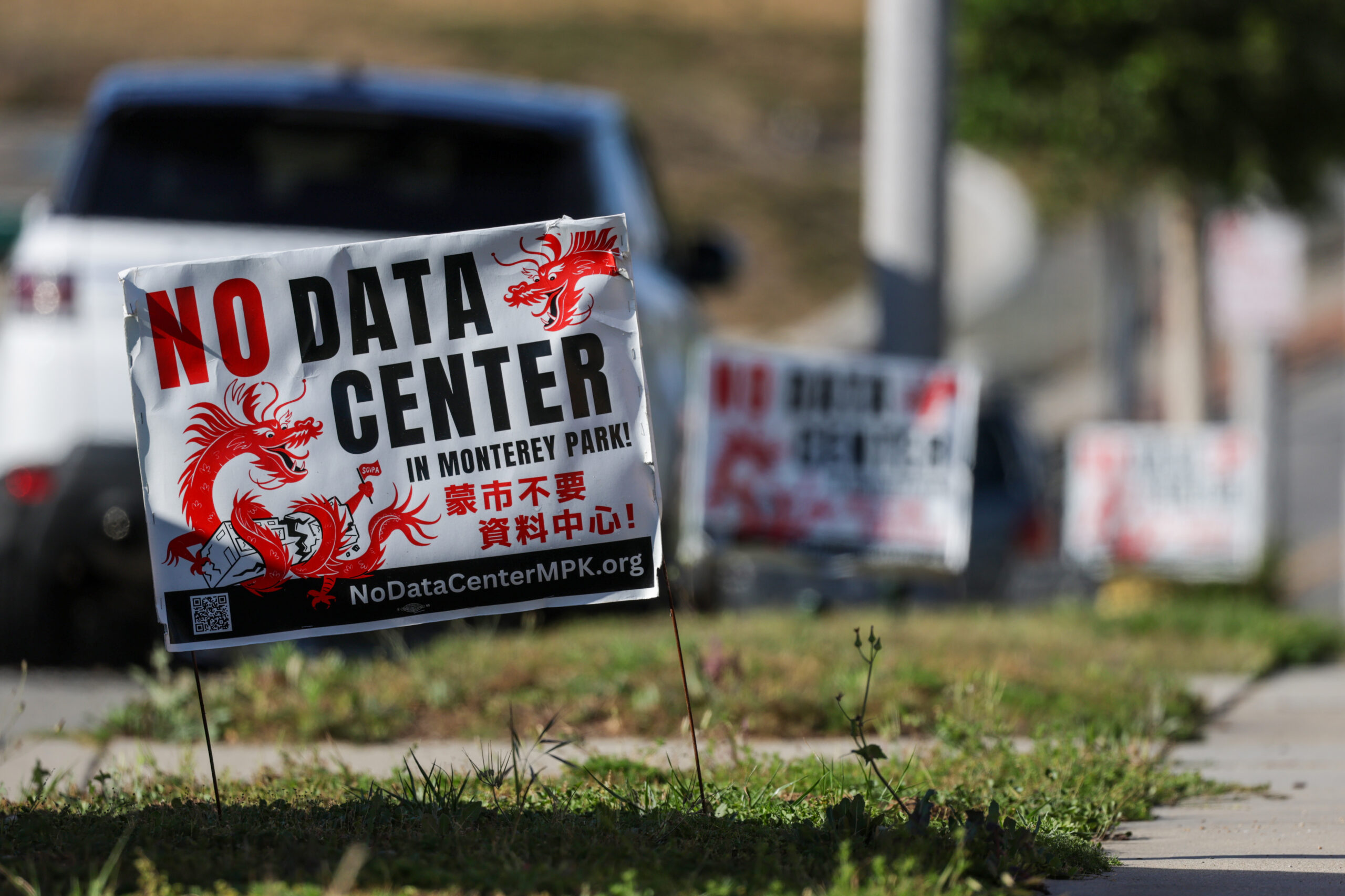
The structural advantage accrues to early movers. Industry experts indicate this infrastructure constraint will persist through 2025-2026, creating a competitive moat for sellers who secured cloud capacity before the crunch. This mirrors semiconductor shortage dynamics from 2021-2023, where early adopters gained 6-12 month advantages. Additionally, community resistance has successfully delayed or stopped $64 billion in data center projects between May 2024 and March 2025 (per Data Center Watch), with 1,500+ additional projects in development facing permitting bottlenecks. This suggests capacity constraints may extend beyond 2026, fundamentally reshaping cloud service availability and pricing for e-commerce infrastructure dependent on these technologies.
Questions 8
Which AI tools for sellers will be delayed or become more expensive?
Delayed data center completion directly affects deployment of advanced logistics optimization, inventory management, and customer analytics platforms that sellers depend on for competitive advantage. Amazon's AI-powered recommendation engines, fraud detection systems, and inventory forecasting tools rely on data center capacity. Similarly, Shopify's AI features for pricing optimization and customer segmentation, and eBay's dynamic pricing algorithms, all depend on cloud infrastructure. As data centers face 12-24 month delays, sellers should expect slower rollout of new AI capabilities and potential price increases of 8-15% for cloud-dependent services through 2026.
What's causing the data center construction delays?
Multiple interconnected factors are creating the bottleneck: chronic labor shortages affecting specialized trades like electricians and pipe fitters across concurrent projects, power infrastructure constraints as utilities struggle to generate sufficient electricity for AI data centers (which consume power equivalent to hundreds of thousands of US homes), and tariffs on imported Chinese equipment particularly power transformers. Additionally, community resistance has successfully delayed or stopped $64 billion in data center projects between May 2024 and March 2025, with 1,500+ additional projects facing permitting bottlenecks. Tech companies are deploying workarounds like on-site power generation using natural gas turbines, but these solutions add cost and complexity.