



AI Chatbot Data Disclosure Risk | Critical Compliance Exposure for E-Commerce Sellers
- New York federal court ruling eliminates attorney-client privilege for ChatGPT/Claude communications, exposing sellers to 31+ document disclosures and creating urgent need for compliance documentation protocols










Overview
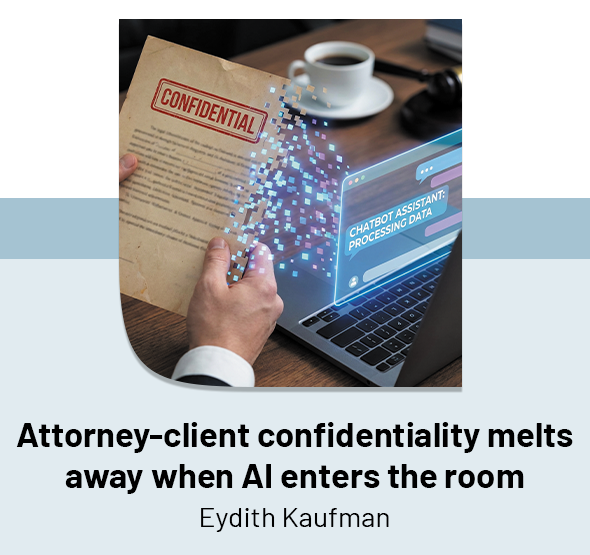
A landmark New York federal court ruling by Judge Jed Rakoff has fundamentally altered how attorney-client privilege applies to AI chatbot communications, creating immediate compliance risks for e-commerce sellers using ChatGPT and Claude for business operations. The court determined that communications shared with third-party AI platforms are NOT protected by attorney-client privilege, forcing Brad Heppner (former GWG Holdings chair) to disclose 31 documents generated through Claude to prosecutors. This ruling directly impacts e-commerce sellers who use AI tools for sensitive business functions: trademark dispute documentation, product compliance research, supplier contract analysis, and legal strategy discussions.
Compliance Exposure for Sellers: E-commerce businesses operating across multiple jurisdictions face heightened discovery risk. Sellers using AI chatbots to analyze product liability concerns, intellectual property disputes, or regulatory compliance issues may inadvertently create discoverable evidence. The ruling establishes that no attorney-client relationship exists between users and AI platforms—even when discussing legal matters. This means sellers cannot claim privilege protection for sensitive business documents processed through these tools. White-collar defense firm Sher Tremonte has already updated client contracts to reflect that disclosing privileged communications to third-party AI platforms constitutes a waiver of attorney-client privilege, signaling rapid market adoption of this legal standard.
Operational Impact by Seller Segment: Small sellers (1-50 employees) face the highest risk because they typically lack in-house legal teams and rely on AI tools for compliance research, trademark clearance analysis, and dispute documentation. Mid-market sellers (50-500 employees) must immediately audit their AI tool usage across supply chain, product safety, and customs compliance workflows. Enterprise sellers managing multi-category operations face discovery exposure across 100+ product lines if AI-generated compliance documentation becomes litigation evidence. The ruling creates a compliance service opportunity: sellers now require secure documentation protocols that maintain privilege protection while leveraging AI efficiency.
Regulatory Enforcement Pattern: This ruling aligns with broader government data request compliance by technology companies. Courts are establishing that cloud-based AI platforms cannot maintain confidentiality barriers equivalent to attorney-client relationships. Sellers must assume that any sensitive business information processed through ChatGPT, Claude, or similar platforms could be subject to government subpoena or litigation discovery. The 31-document disclosure in the Heppner case demonstrates courts will compel production of AI-generated materials without privilege protection.
Questions 7
Can e-commerce sellers use ChatGPT or Claude for trademark and product compliance analysis without legal risk?
No. The New York federal court ruling establishes that communications with ChatGPT and Claude are NOT protected by attorney-client privilege, meaning any compliance analysis, trademark research, or product liability documentation processed through these tools can be compelled in litigation or government investigations. Sellers must assume all AI-generated compliance materials are discoverable evidence. Instead, sellers should work directly with qualified attorneys who can maintain privilege protection, or use secure, attorney-controlled documentation systems that don't involve third-party AI platforms. The ruling forces sellers to choose between AI efficiency and legal protection—they cannot have both for sensitive compliance matters.
What happens if a seller has already shared sensitive business documents with ChatGPT or Claude?
Sellers who have inputted sensitive materials—supplier contracts, product safety analyses, trademark disputes, customs documentation—into ChatGPT or Claude may have inadvertently waived attorney-client privilege protection. Judge Rakoff's ruling demonstrates courts will compel disclosure of AI-generated materials without privilege protection. Sellers should immediately: (1) conduct an audit of all AI-processed sensitive documents, (2) consult with qualified attorneys about potential privilege waiver implications, (3) cease sharing new sensitive materials with AI platforms, and (4) implement secure documentation protocols. The 31-document disclosure in the Heppner case shows courts will require production of all AI-generated materials related to legal disputes.