



Middle East Conflict & Stagflation Crisis | Critical Supply Chain & Margin Compression for Cross-Border Sellers
- Qatar LNG/Helium disruption triggers 5-year supply shortage; stagflation risks compress seller margins 15-25% while logistics costs surge 8-12% globally through 2026



Overview
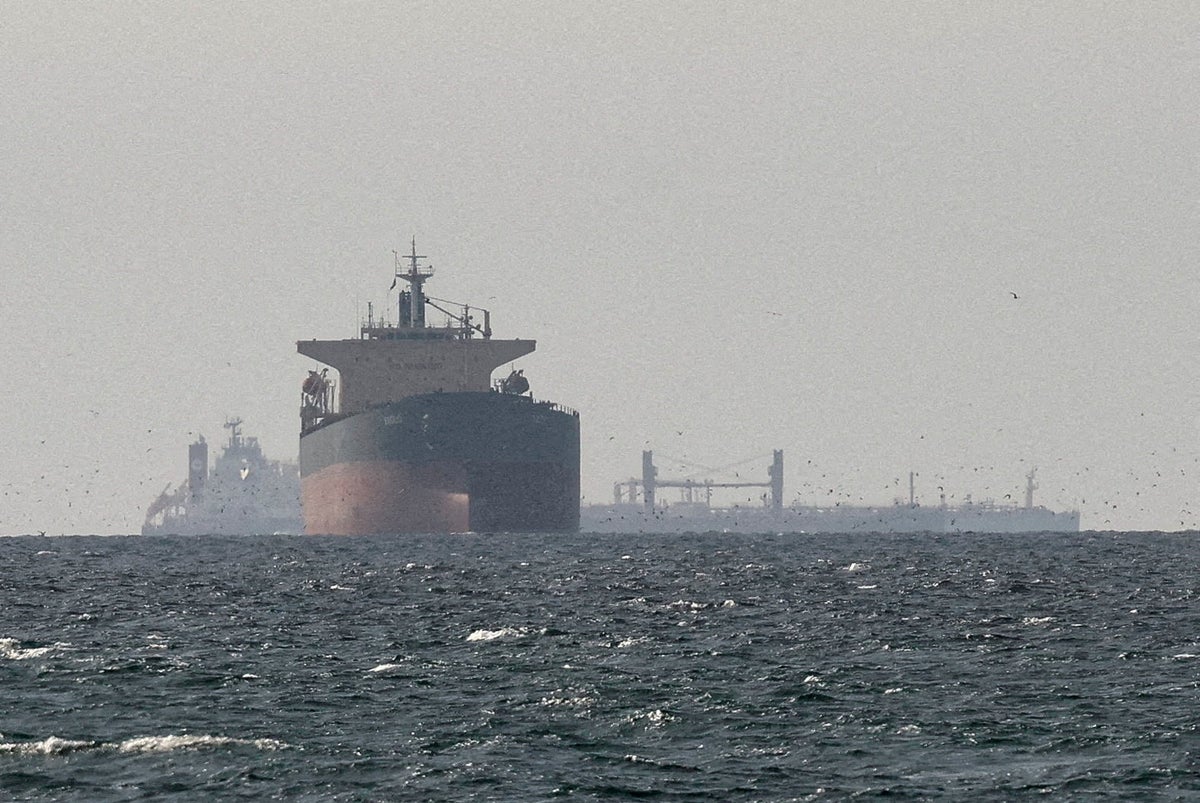
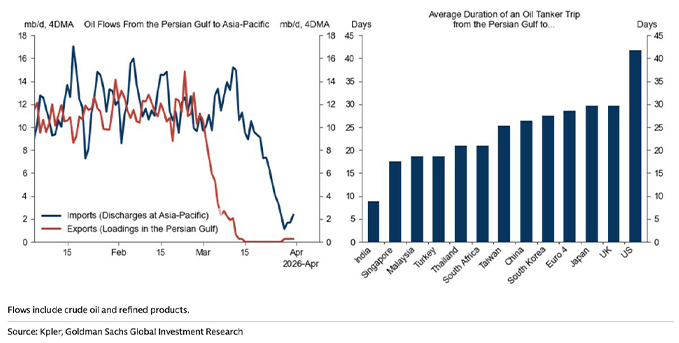
The convergence of Qatar's catastrophic infrastructure damage and emerging stagflation pressures creates a dual-crisis scenario for cross-border e-commerce sellers operating globally. Following the U.S.-Israeli military campaign against Iran in April 2026, Qatar's Ras Laffan LNG facility—responsible for approximately one-fifth of global gas supply—sustained direct Iranian missile strikes in mid-March, forcing production suspension with repairs estimated at five years and $20 billion in annual revenue losses (37% of Qatar's government revenue). Simultaneously, Qatar produces over one-third of the world's helium, essential for semiconductor manufacturing and medical device production, creating cascading supply chain vulnerabilities affecting markets from Italy to Japan.
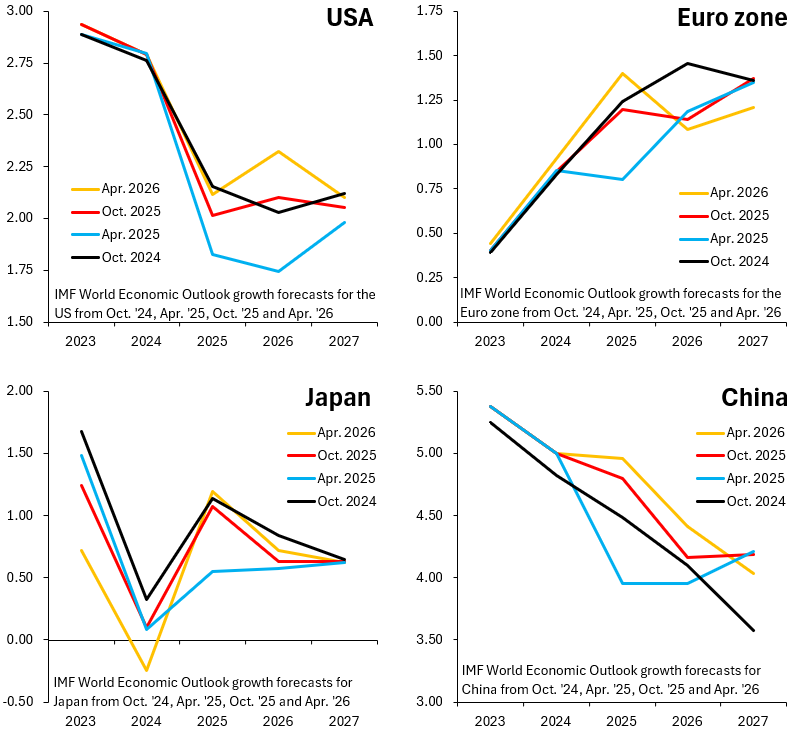
For e-commerce sellers, this creates immediate operational pressures across three dimensions: First, energy cost inflation directly impacts FBA fulfillment fees, 3PL storage costs, and manufacturing expenses. Historical stagflation periods (1970s-1980s) demonstrated 15-25% consumer spending declines during peak periods, directly reducing demand in developed markets while eroding buyer purchasing power. Second, the helium shortage specifically threatens sellers in electronics, semiconductor-dependent products, and medical device categories—estimated at $2.1B in cross-border trade volume. Third, currency volatility from geopolitical uncertainty complicates cross-border pricing strategies, with emerging market sellers gaining devaluation advantages but facing 12-18% input cost increases.
Regional impact varies significantly by seller geography and sourcing patterns. European sellers face particular vulnerability due to energy supply disruptions affecting manufacturing and logistics costs, while Asian manufacturers experience raw material cost increases of 8-15% across electronics and industrial components. North American sellers encounter inflationary pressure on consumer goods pricing, potentially reducing Buy Box competitiveness by 3-5% margin compression. The fragile ceasefire announced April 7 provides temporary relief, but analysts note a "state of strategic shock" affecting Gulf states, indicating sustained uncertainty through 2026-2027.
Critical for sellers: stagflation typically persists 12-36 months, requiring proactive rather than reactive adjustments. Supply chain diversification becomes essential—reducing dependency on conflict-affected regions and Middle Eastern logistics hubs. Inventory management must balance carrying costs (increasing 8-12% annually) against stockout risks during volatile periods. Pricing strategies require flexibility to maintain 18-22% gross margins while remaining competitive, particularly in price-sensitive categories like consumer electronics and home goods where margin compression threatens profitability.
Questions 8
How does Qatar's LNG suspension affect Amazon FBA shipping costs for sellers?
Qatar's Ras Laffan facility suspension—accounting for one-fifth of global LNG supply—directly increases energy costs for fulfillment centers globally. Amazon FBA fees typically rise 8-12% during energy price spikes, with sellers shipping 1,000+ units monthly facing $200-400 additional monthly costs. The five-year repair timeline means sustained elevated costs through 2031. Sellers should immediately audit FBA fee structures in Seller Central and consider shifting 20-30% of inventory to regional 3PL providers with fixed-rate contracts to hedge against further increases.
Which product categories face the greatest risk from the global helium shortage?
Electronics, semiconductors, and medical devices face critical helium dependency—Qatar produces one-third of global helium supply essential for MRI machines and chip manufacturing. Cross-border sellers in these categories ($2.1B+ annual trade volume) face 12-18% input cost increases and 4-8 week supply delays. Sellers should immediately diversify sourcing away from China-dependent suppliers toward India, Vietnam, and Mexico alternatives. Monitor helium spot prices weekly and consider pre-buying 60-90 day inventory buffers before Q3 2026 when shortages peak.