




Space Infrastructure Reliability Crisis | Amazon LEO Delays Impact Global E-Commerce Logistics
- Blue Origin's April 2026 mission failure delays satellite broadband rollout by 6-12 months, affecting real-time tracking capabilities for cross-border sellers managing remote region shipments
















Overview
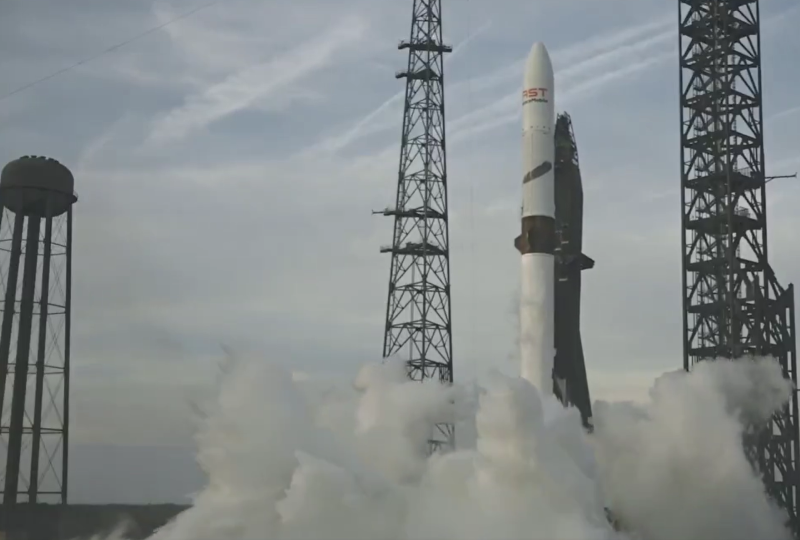
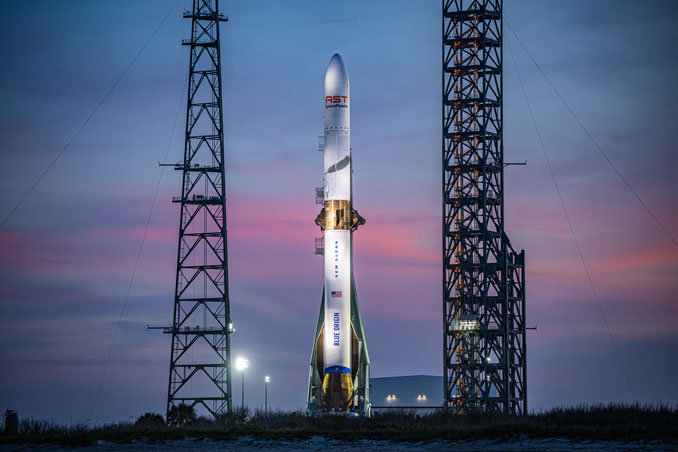
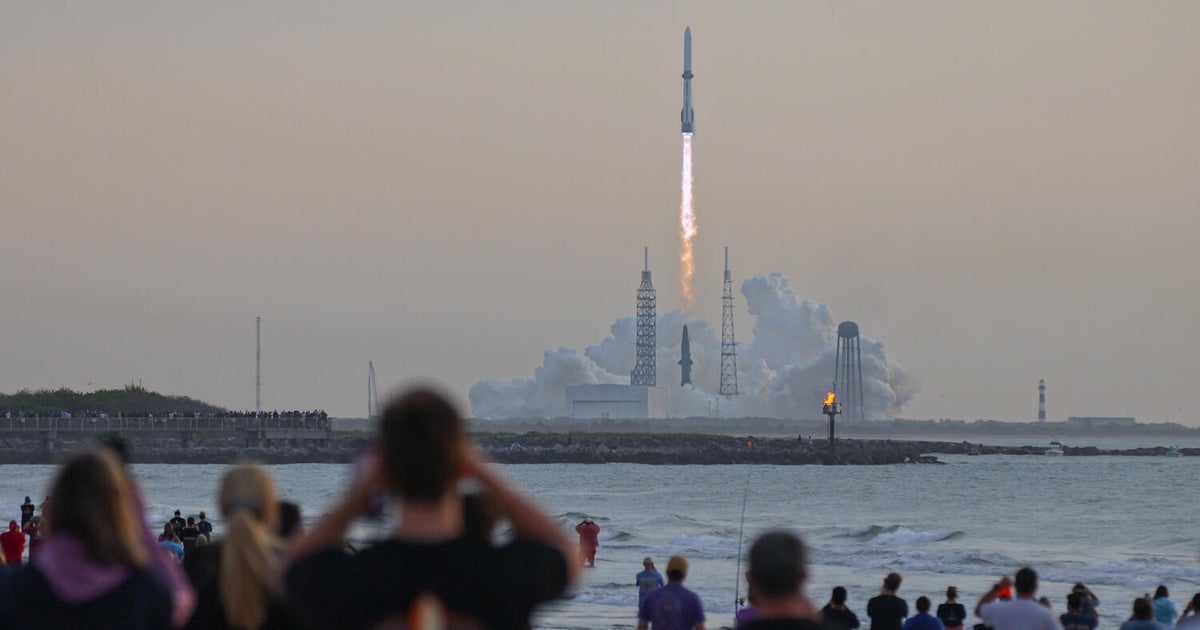
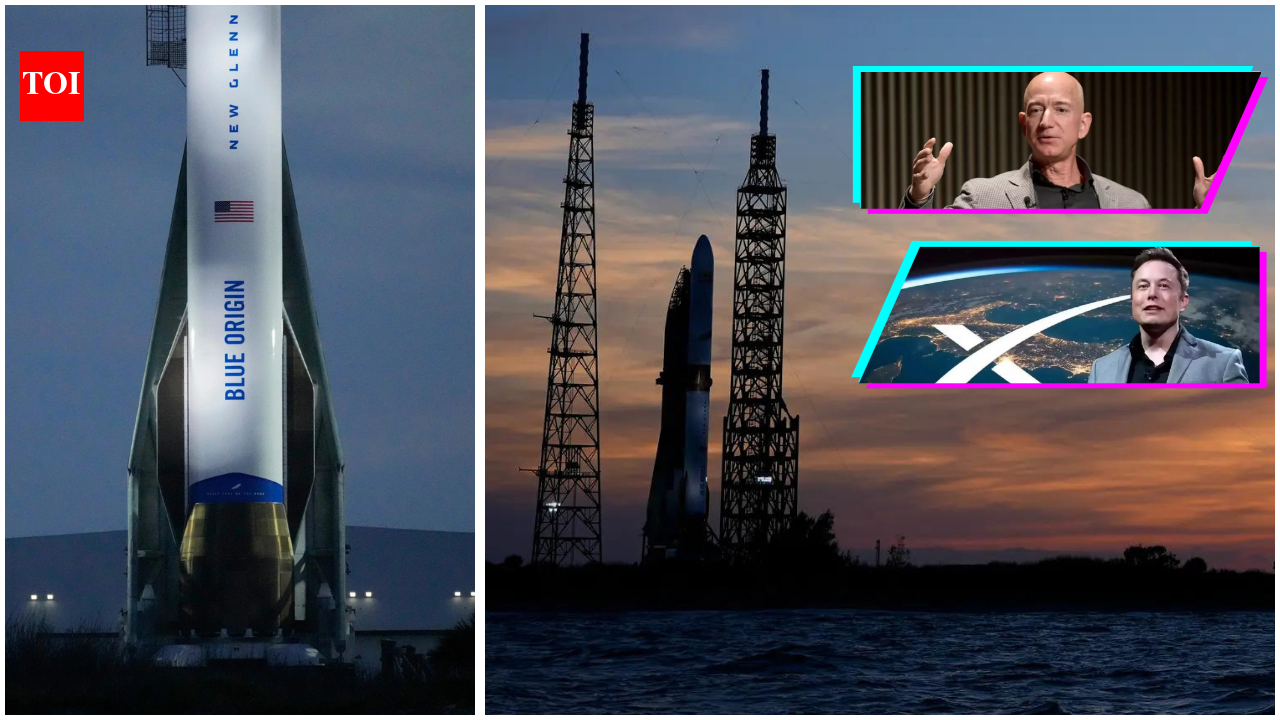
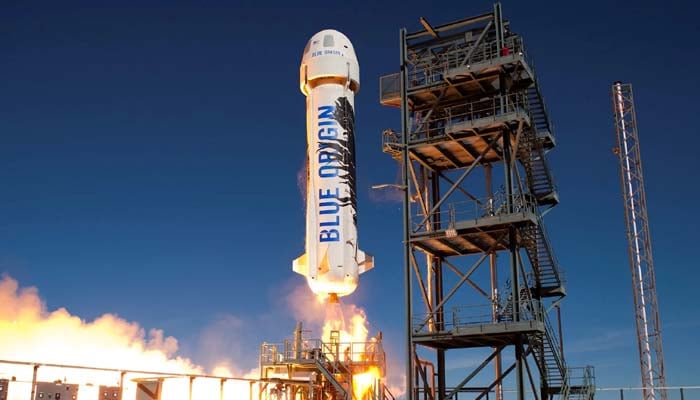
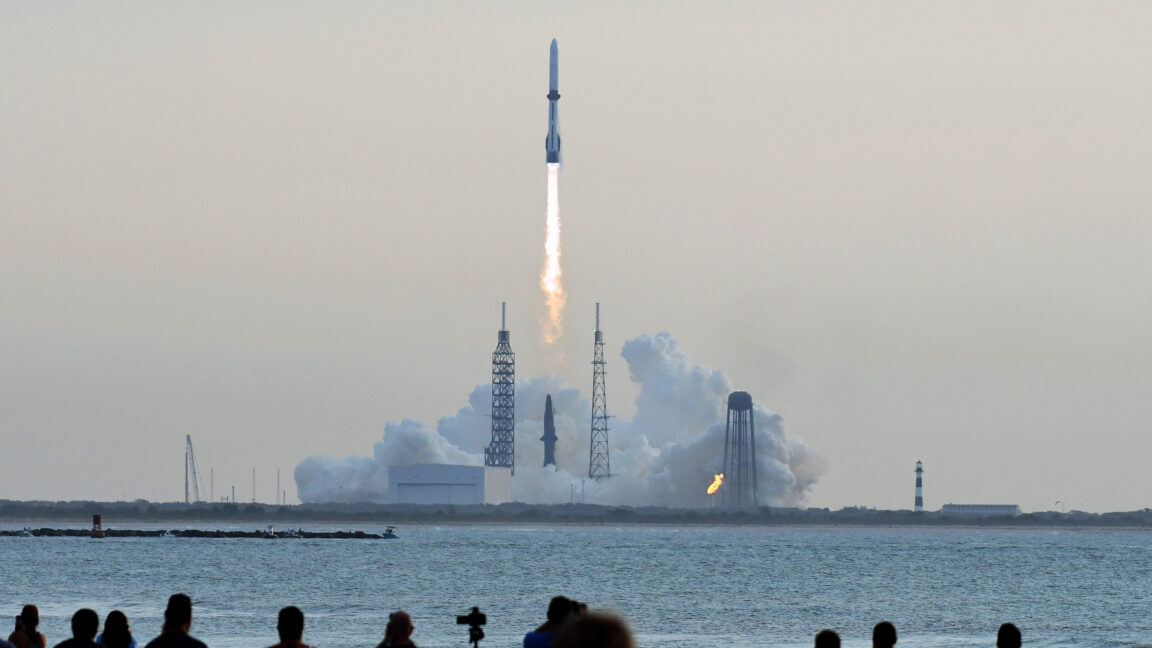
Blue Origin's critical infrastructure setback on April 19, 2026, signals emerging risks for e-commerce logistics dependent on satellite broadband networks. The company successfully demonstrated booster reusability—landing its first-stage rocket twice on the droneship "Jacklyn"—but failed its primary mission objective when the New Glenn rocket's second stage placed AST SpaceMobile's BlueBird 7 satellite ($100+ million asset) into an off-nominal, unusable orbit. This represents the first major commercial payload failure for Blue Origin's orbital-class operations, contrasting sharply with SpaceX's proven Falcon 9 reliability track record.
The operational impact extends directly to e-commerce infrastructure timelines. AST SpaceMobile's BlueBird constellation targets 45-60 satellites in orbit by end-2026, designed to deliver 120+ Mbps direct-to-device cellular broadband globally. The mission failure delays this deployment by an estimated 6-12 months, pushing full constellation availability into 2027-2028. More critically, Blue Origin's Amazon LEO satellite internet project—intended to compete with SpaceX's Starlink for global broadband coverage—now faces investigation delays and potential launch schedule compression. Amazon's space infrastructure strategy, which underpins last-mile delivery tracking and IoT connectivity in underserved regions, depends on reliable launch cadence. The incident demonstrates that even with proven booster recovery technology, upper-stage guidance and engine performance anomalies remain unresolved technical risks in commercial spaceflight.
For cross-border sellers, this creates a 12-18 month window of continued reliance on terrestrial logistics networks. Sellers managing shipments to remote regions (Sub-Saharan Africa, Southeast Asia, Latin America) cannot yet depend on satellite-based real-time tracking, weather monitoring, or IoT connectivity that AST SpaceMobile and Amazon LEO promised. The $100+ million satellite loss, though insured, signals that space-based broadband infrastructure remains in early-stage deployment with material technical risks. AST SpaceMobile maintains aggressive expansion plans with 45 satellites targeted by year-end 2026 through partnerships with SpaceX, Indian LVM3, and Blue Origin, but the NG-3 failure indicates launch cadence will compress to 1-2 month intervals rather than the planned 30-day reuse cycle. This compression increases launch costs and reduces available capacity for commercial customers, potentially raising satellite broadband service pricing by 15-25% through 2026-2027.
The competitive dynamics favor SpaceX's proven Falcon 9 platform. Blue Origin's stumble reinforces SpaceX's market dominance in reliable orbital delivery, with Falcon 9 achieving 99%+ mission success rates across 200+ flights. Sellers evaluating logistics providers dependent on satellite infrastructure should prioritize SpaceX-based services (Starlink, AST partnerships with SpaceX) over Blue Origin-dependent solutions through 2027. The incident also highlights that reusable booster technology—while cost-reducing—does not guarantee payload delivery accuracy. Upper-stage performance, guidance systems, and engine firing precision remain critical failure points that require additional development cycles.
Questions 8
How does Blue Origin's satellite deployment failure affect cross-border sellers shipping to remote regions?
The April 2026 mission failure delays AST SpaceMobile's BlueBird constellation deployment by 6-12 months, pushing full satellite broadband coverage into 2027-2028. Sellers managing shipments to Sub-Saharan Africa, Southeast Asia, and Latin America cannot yet rely on satellite-based real-time tracking, weather monitoring, or IoT connectivity. This extends reliance on terrestrial logistics networks with 15-30% higher costs in underserved regions. Sellers should budget for continued premium pricing on remote region shipments through 2027 and evaluate SpaceX-based satellite services (Starlink partnerships) as more reliable alternatives for future logistics infrastructure.
What is the timeline impact on Amazon LEO satellite internet for e-commerce logistics?
Amazon's LEO satellite constellation, dependent on Blue Origin launches, now faces 6-12 month delays due to the NG-3 mission failure and ongoing investigation. The incident impacts Blue Origin's critical infrastructure plans for commercial satellite delivery services. Sellers relying on Amazon's space-based broadband for supply chain visibility should expect full deployment no earlier than late 2027. Alternative logistics providers using SpaceX infrastructure (Starlink-based tracking) offer more predictable timelines. Sellers should diversify logistics partnerships to reduce dependency on any single launch provider through 2026-2027.