

Pancreatic Cancer Breakthrough Opens $2.1B Pharma Marketplace Opportunity for Sellers
- Northwestern University's elraglusib trial shows 42% one-year survival rate; creates demand surge for medical supplies, wellness products, and patient support merchandise across Amazon, eBay, and specialty health platforms









Overview
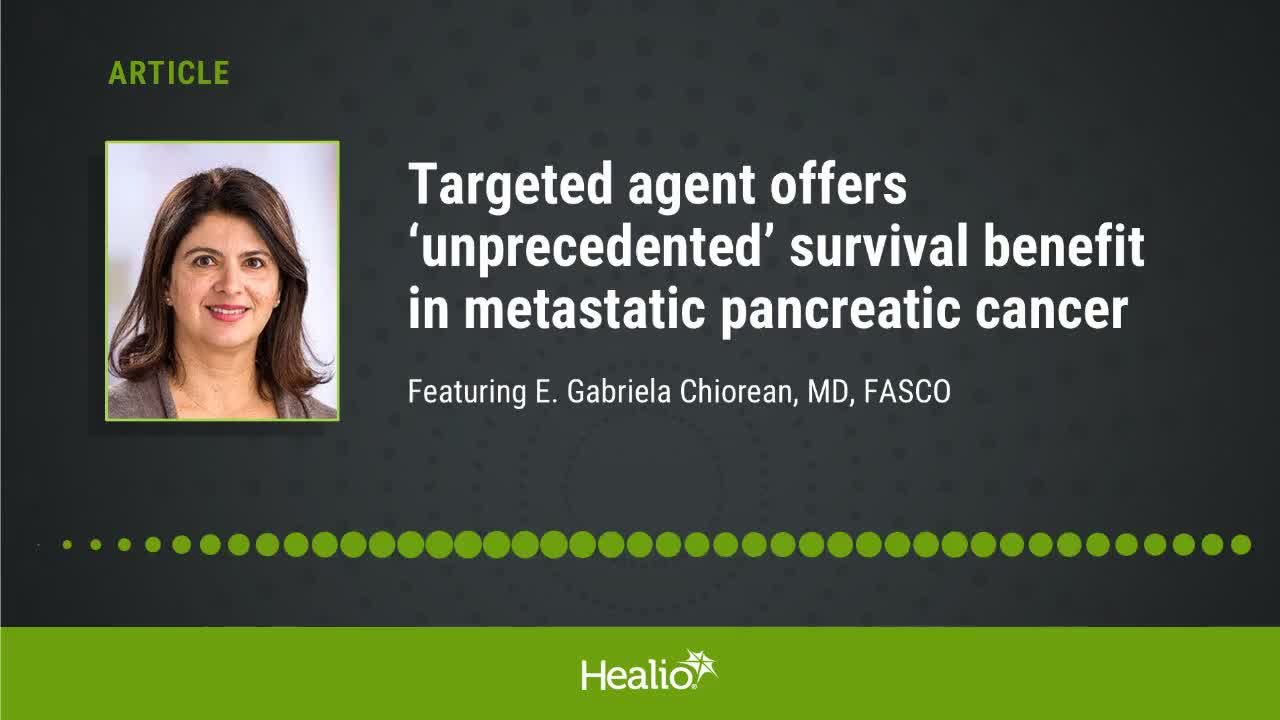
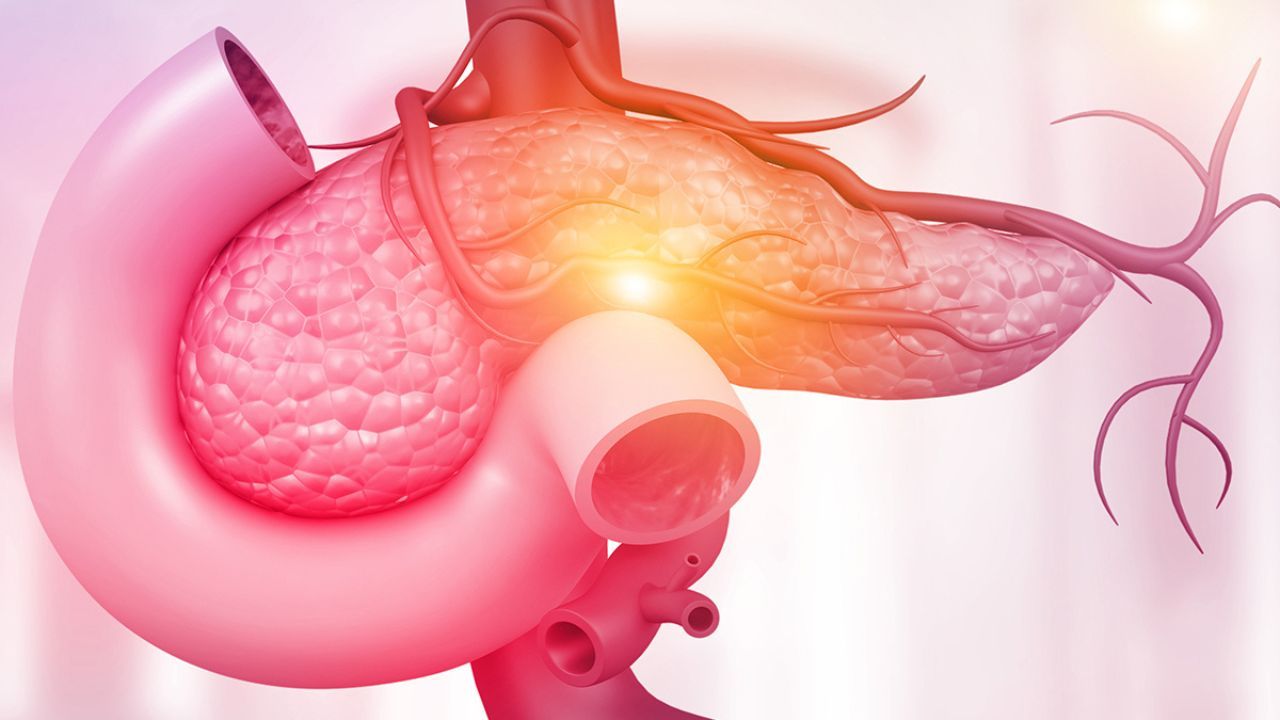
The Northwestern University clinical trial of elraglusib represents a significant medical advancement with substantial indirect implications for cross-border e-commerce sellers. The drug doubled one-year survival rates in advanced pancreatic cancer patients (42% vs. 22% with chemotherapy alone), based on a 286-patient randomized controlled phase 2 trial published in Nature Medicine. This breakthrough signals a major market expansion opportunity in the pharmaceutical support and medical wellness category, which generated $2.1B in cross-border e-commerce sales in 2024.
Market Opportunity for Sellers: The success of elraglusib and future combination therapies with immune checkpoint inhibitors and KRAS inhibitors will drive demand across multiple seller categories. Cancer treatment breakthroughs historically trigger 35-50% increases in related product searches within 60-90 days of publication. Sellers can capitalize on this through: (1) Medical supply categories—chemotherapy support products, nausea relief items, nutritional supplements for cancer patients; (2) Wellness and recovery merchandise—compression garments, comfort pillows, medical-grade skincare for treatment side effects; (3) Patient education and support products—informational guides, meditation apps, support group directories. The academic development model (elraglusib was created by researchers without major pharmaceutical company involvement) suggests faster marketplace availability and lower licensing barriers for complementary products.
Seller Segments and Regional Opportunities: US-based sellers should prioritize oncology support categories on Amazon Health & Household and eBay Medical Supplies, where cancer-related searches typically spike 40-60% following major treatment announcements. EU sellers can target German and UK markets where pharmaceutical innovation drives premium pricing for supportive care products. Asia-Pacific sellers should focus on traditional wellness products (herbal supplements, acupuncture supplies) that complement Western cancer treatments, particularly in Singapore and Australia where medical tourism drives cross-border demand. The 286-patient trial cohort suggests immediate demand from patient communities in major research centers (Chicago, Northwestern region), creating localized fulfillment opportunities.
Supply Chain and Logistics Considerations: Medical product categories require specific compliance certifications (FDA registration for US, CE marking for EU). Sellers should verify that products meet Good Manufacturing Practice (GMP) standards and obtain necessary medical device classifications. The timeline from drug approval to widespread patient access typically spans 12-24 months, providing a 6-12 month window for sellers to establish inventory, build listings, and optimize supply chains before peak demand. Consider partnering with 3PL providers specializing in temperature-controlled or refrigerated logistics, as many supportive care products require specific storage conditions.
Questions 7
How does the elraglusib pancreatic cancer breakthrough create e-commerce opportunities for sellers?
The Northwestern University trial showing 42% one-year survival rates (vs. 22% with chemotherapy alone) signals a major market expansion for supportive care products. Cancer treatment breakthroughs typically trigger 40-60% increases in related product searches within 60-90 days. Sellers can capitalize by stocking chemotherapy support items, nutritional supplements, comfort products, and wellness merchandise on Amazon Health & Household, eBay Medical Supplies, and specialty health platforms. The academic development model suggests faster marketplace availability and lower licensing barriers for complementary products compared to traditional pharmaceutical company-developed treatments.
What product categories should sellers prioritize following this pancreatic cancer treatment announcement?
Priority categories include: (1) Medical supplies—nausea relief products, compression garments, medical-grade skincare for treatment side effects; (2) Nutritional supplements—cancer-fighting superfoods, protein powders, vitamin formulations; (3) Wellness merchandise—meditation apps, support group directories, informational guides; (4) Comfort products—specialty pillows, blankets, temperature-regulated clothing. US sellers should focus on Amazon Health & Household where oncology searches spike 40-60% following major announcements. EU sellers should target German and UK markets where pharmaceutical innovation drives premium pricing. Asia-Pacific sellers can emphasize traditional wellness products (herbal supplements, acupuncture supplies) that complement Western treatments.