





When Player Creativity Becomes Game Design: Blizzard's Radical Embrace of Unintended Innovation
- How unexpected player interactions are reshaping game development strategies in real-time




Overview
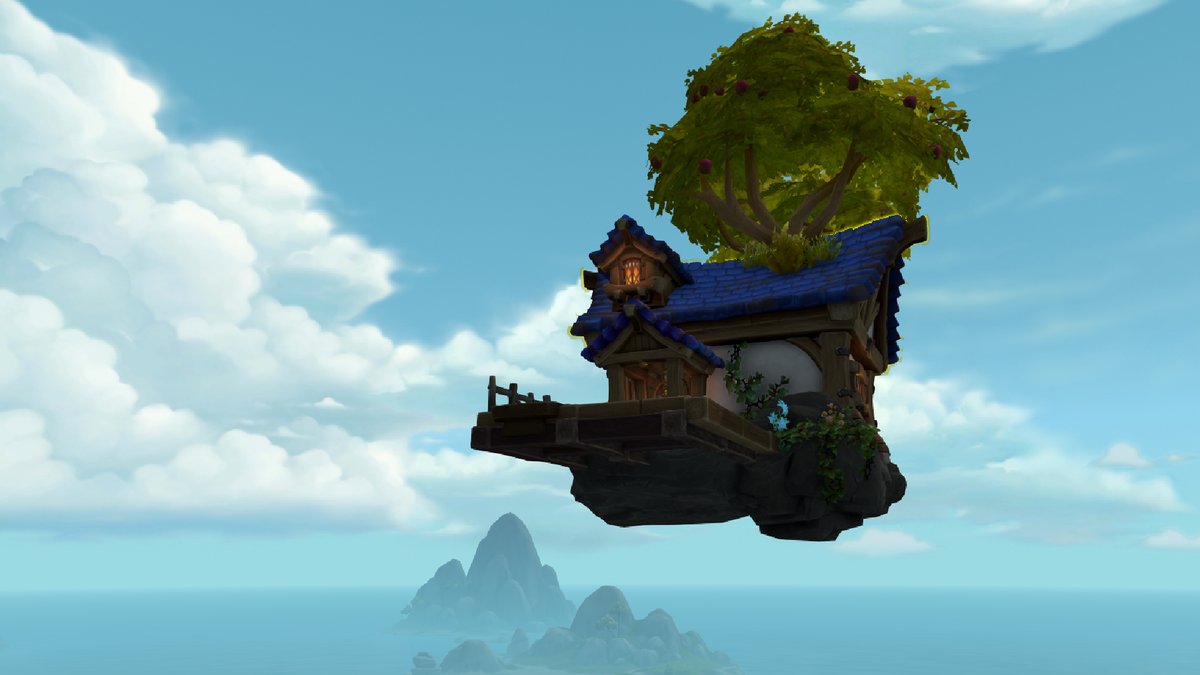
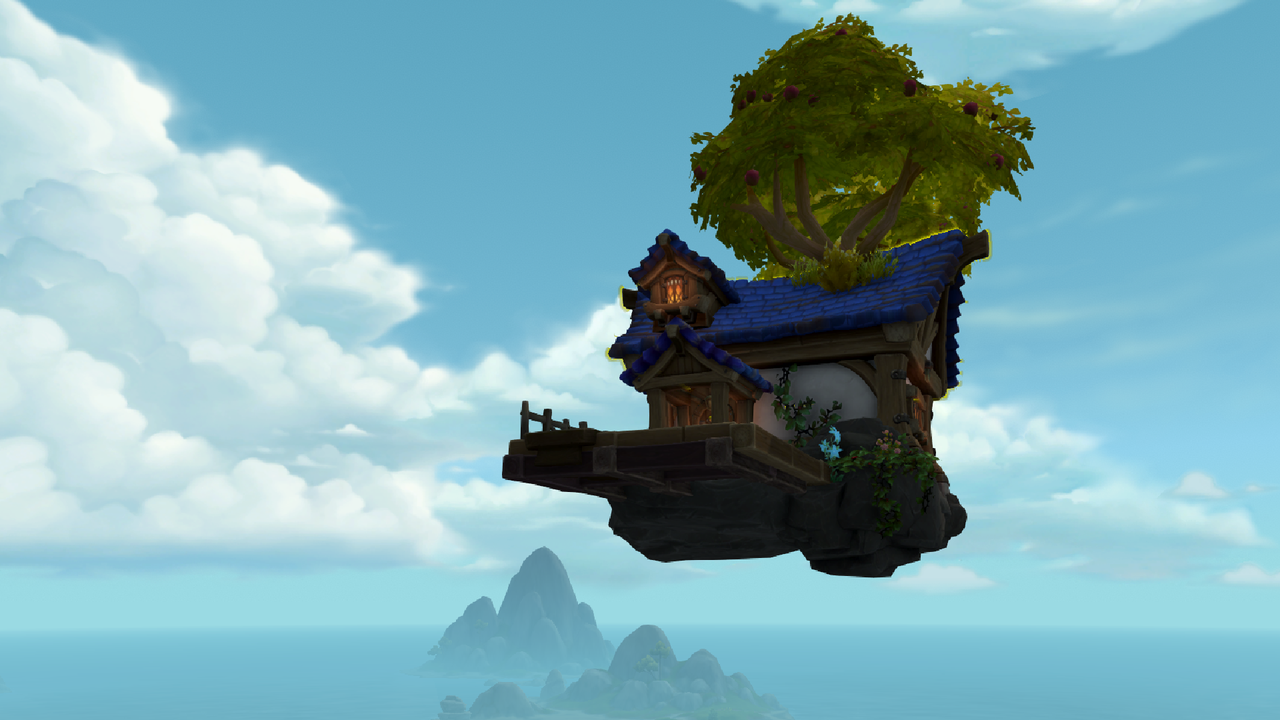
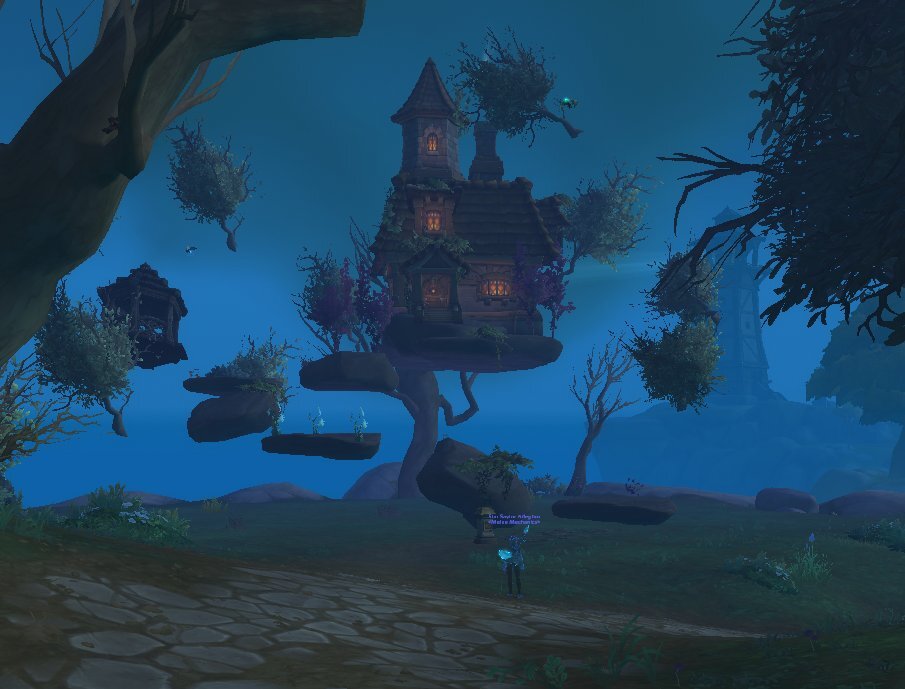
In a remarkable demonstration of adaptive game design, Blizzard Entertainment has transformed an accidental World of Warcraft housing exploit into an official gameplay feature, signaling a profound shift in how game developers interact with their communities. The unexpected discovery of floating houses—initially a technical glitch—became a watershed moment of collaborative game development.
Player creativity emerged as the true catalyst when gamers discovered they could elevate their in-game houses using Advanced Mode creation tools, creating aerial structures that defied the original design constraints. Rather than shutting down this innovative behavior, Blizzard's development team, led by principal designer Jesse Kurlancheek and lead producer Kyle Hartline, made a strategic decision to not just accept but actively celebrate this unintended mechanic.
This approach represents more than a simple bug fix; it's a sophisticated recognition of emergent gameplay. By increasing the external decor limit from 200 to 250 items and promising UI updates to facilitate vertical house movement, Blizzard is essentially co-creating content with its player base. The floating house feature, born from a hidden vertical arrow in the move widget, demonstrates how unplanned player interactions can become core game experiences.
The implications extend beyond World of Warcraft's housing system. This incident highlights a broader trend in digital product development: the most innovative features often emerge from the unexpected spaces between designed functionality and user imagination. Blizzard's rapid pivot from potential bug suppression to feature endorsement shows a nuanced understanding of community-driven innovation.
Critically, this approach mitigates potential player frustration by transforming what could have been a restrictive "fix" into an opportunity for creative expression. Players have already begun constructing elaborate aerial structures, including Howl's Moving Castle-inspired mecha striders, proving that giving users design agency can unlock unprecedented levels of engagement.
For game developers and digital product managers, this represents a powerful lesson: sometimes the most compelling innovations are not meticulously planned, but discovered through the unpredictable creativity of your user community.
Questions 3
Why did Blizzard choose to embrace the floating house mechanic instead of fixing it?
Blizzard recognized the creative potential of player innovation. By seeing multiple impressive floating house designs, the development team realized that players were using the game in unexpected but exciting ways. This approach transforms a potential bug into a celebrated feature, demonstrating a collaborative game development philosophy.
What technical challenges did Blizzard face with the floating houses?
The primary challenges included unmodeled house undersides, which were not originally textured, and potential camera positioning issues when entering floating structures. Blizzard is addressing these by providing guidance and planning UI updates to make vertical house movement more intuitive and user-friendly.