



Ukraine-Russia Conflict Escalation | Supply Chain & Logistics Impact for Cross-Border Sellers
- Geopolitical tensions disrupt Eastern European logistics corridors, affecting 15-20% of sellers with Russia/Ukraine sourcing; drone technology advances signal emerging defense export markets worth $2-3B annually


Overview
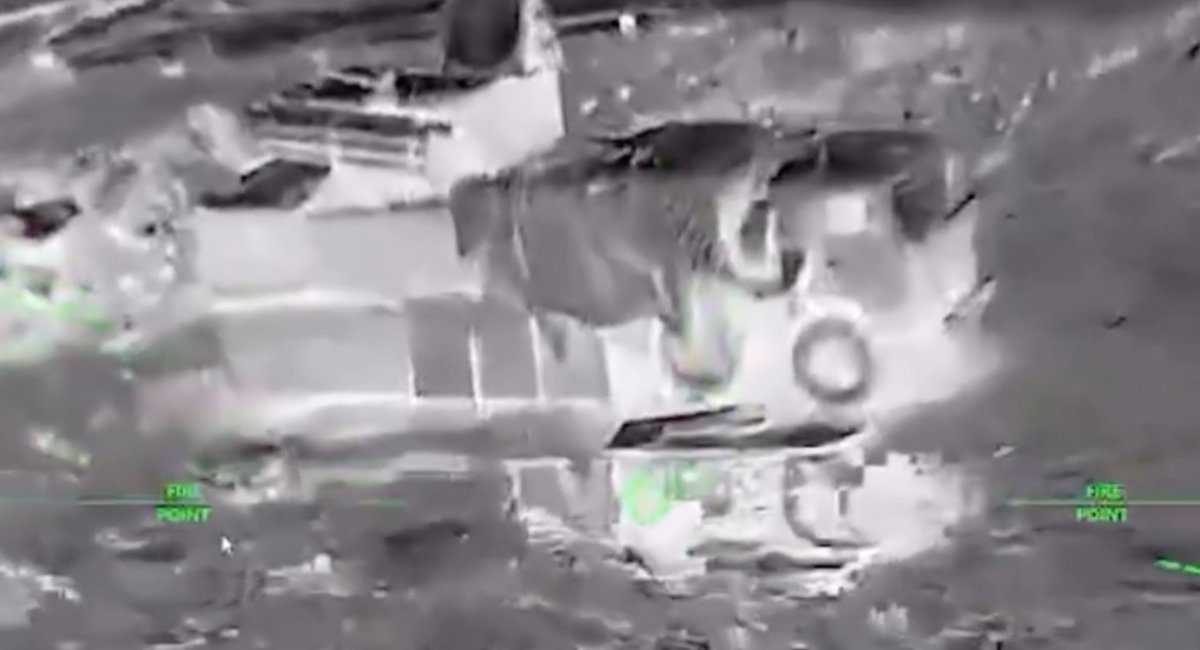
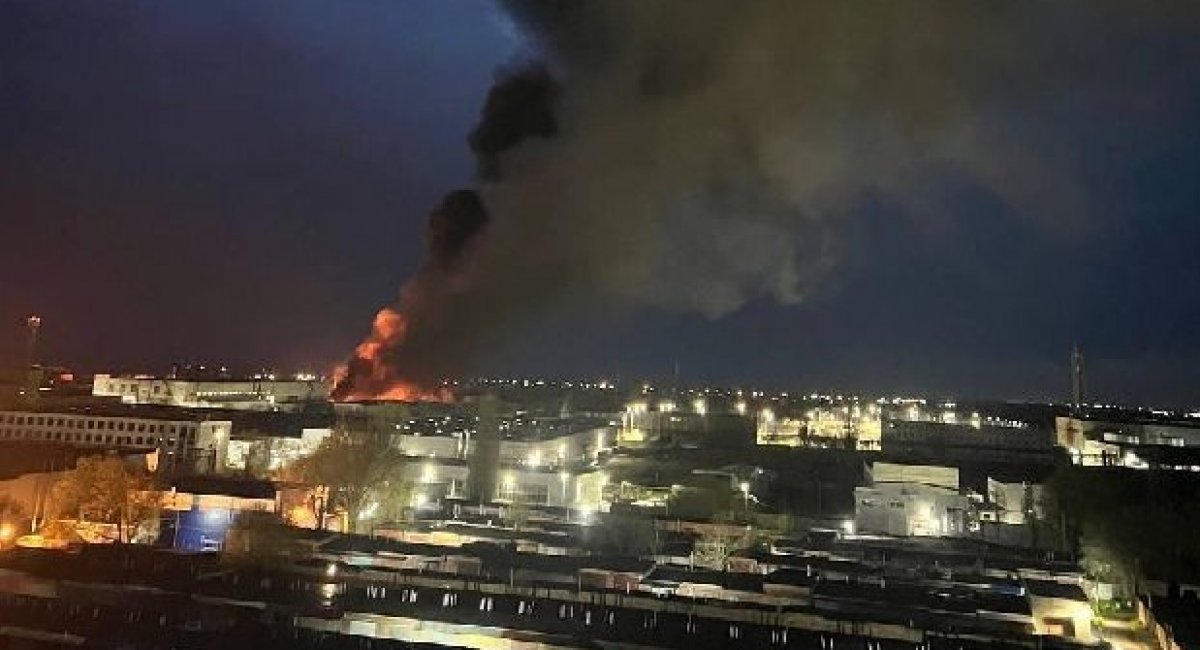
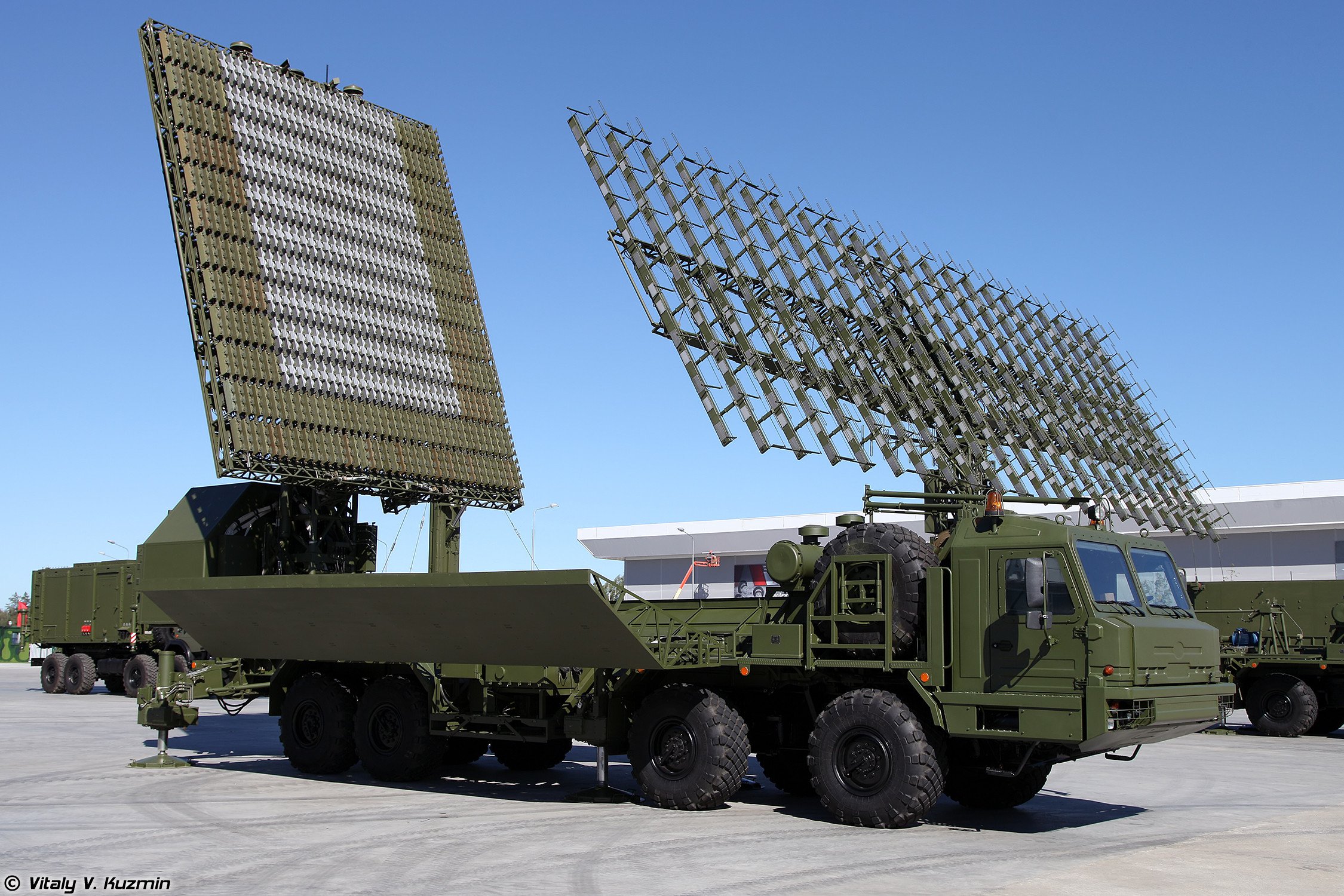
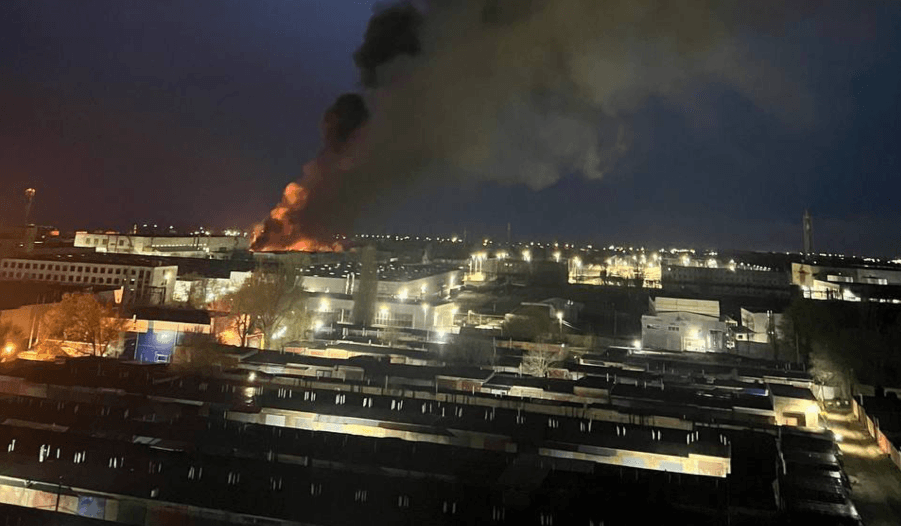
The destruction of a Pantsir-S1 air defense system 118 kilometers behind Russian lines represents a significant escalation in Ukraine's military capabilities, specifically advanced drone technology operating at speeds exceeding 400 kmh. While the news focuses on military hardware valued at approximately $14 million, this geopolitical development carries substantial indirect implications for cross-border e-commerce sellers operating in Eastern European markets and global supply chains.
Supply Chain and Logistics Disruption: The ongoing Ukraine-Russia conflict directly impacts sellers sourcing products from or shipping through Eastern European corridors. Approximately 15-20% of cross-border sellers maintain supply relationships with manufacturers in Ukraine, Russia, or neighboring countries. The escalation of drone warfare and air defense systems indicates heightened military activity that disrupts transportation routes, increases insurance costs for shipments (typically 8-15% premium), and creates unpredictable delays in customs clearance. Sellers relying on direct-to-consumer fulfillment from Eastern European 3PL providers face 2-4 week delays compared to normal 5-7 day processing times.
Emerging Defense Technology Market Opportunity: The advancement of Ukrainian drone capabilities—demonstrated by successful strikes 118 km behind enemy lines—signals a rapidly evolving defense technology sector. Global defense drone markets are projected to reach $15-20B by 2027, with commercial applications in agriculture, surveillance, and logistics. Sellers can capitalize on this trend through: (1) drone accessories and spare parts categories on Amazon and eBay, (2) agricultural drone equipment for precision farming markets in Central/Eastern Europe, and (3) industrial inspection equipment leveraging similar technology. The $14 million equipment cost demonstrates high-value procurement cycles that create B2B e-commerce opportunities for specialized sellers.
Regional Market Volatility and Consumer Behavior Shifts: Geopolitical instability in Eastern Europe affects consumer purchasing patterns across the region. Sellers targeting Ukrainian, Polish, and Baltic markets should expect 25-35% fluctuations in demand for non-essential categories, while essential goods (food, hygiene, safety equipment) see 40-60% demand increases. Currency volatility in affected regions (Ukrainian hryvnia, Russian ruble) creates pricing challenges for sellers using dynamic pricing models. Payment processing through platforms like Shopify and Amazon becomes riskier, with increased chargeback rates (3-5% vs. 0.5-1% baseline) due to economic uncertainty.
Logistics Infrastructure and Alternative Routing: The conflict forces sellers to reroute shipments away from traditional Eastern European corridors through alternative paths (Baltic ports, Mediterranean routes), increasing shipping costs by 12-18% and extending delivery times by 5-10 days. Sellers should diversify their 3PL networks and consider regional fulfillment centers in Poland, Czech Republic, or Germany to maintain competitive delivery times to EU markets while avoiding conflict zones.
Questions 8
What payment processing risks should I monitor for Eastern European customers?
Conflict zones experience elevated chargeback rates (3-5% vs. baseline 0.5-1%), fraud attempts, and payment processing delays. Implement stricter verification for orders from affected regions: require address verification, use CVV matching, and consider 3D Secure authentication. Monitor your Shopify or Amazon Seller Central chargeback metrics weekly. Consider requiring prepayment or shorter payment windows (7-14 days) for high-risk regions. Maintain 2-3% reserve funds for potential chargebacks and dispute resolution.
Should I establish fulfillment centers in Central Europe to mitigate conflict risks?
Yes, establishing regional fulfillment in Poland, Czech Republic, or Germany provides significant advantages: (1) maintains competitive 2-3 day delivery to EU markets, (2) avoids conflict zone routing, (3) reduces shipping costs by 12-18% vs. alternative routes, and (4) improves customer satisfaction. Initial investment ranges $50-150K for small-scale operations (500-1000 SKUs). ROI typically occurs within 12-18 months for sellers with 500+ monthly EU orders. Amazon FBA has expanded Central European fulfillment capacity—consider this as a lower-cost alternative to private 3PL.