




S&P 500 at 7,000 Unlocks $93B Financing Wave | Cross-Border Seller Opportunities
- Market rally signals improved access to trade finance, inventory loans, and working capital for e-commerce sellers; financial sector strength creates 12-18% APR reduction opportunities for qualified sellers









/tpg/sources/e4e55354-906e-464f-ab4b-e921ba0b684c.jpeg)

















Overview
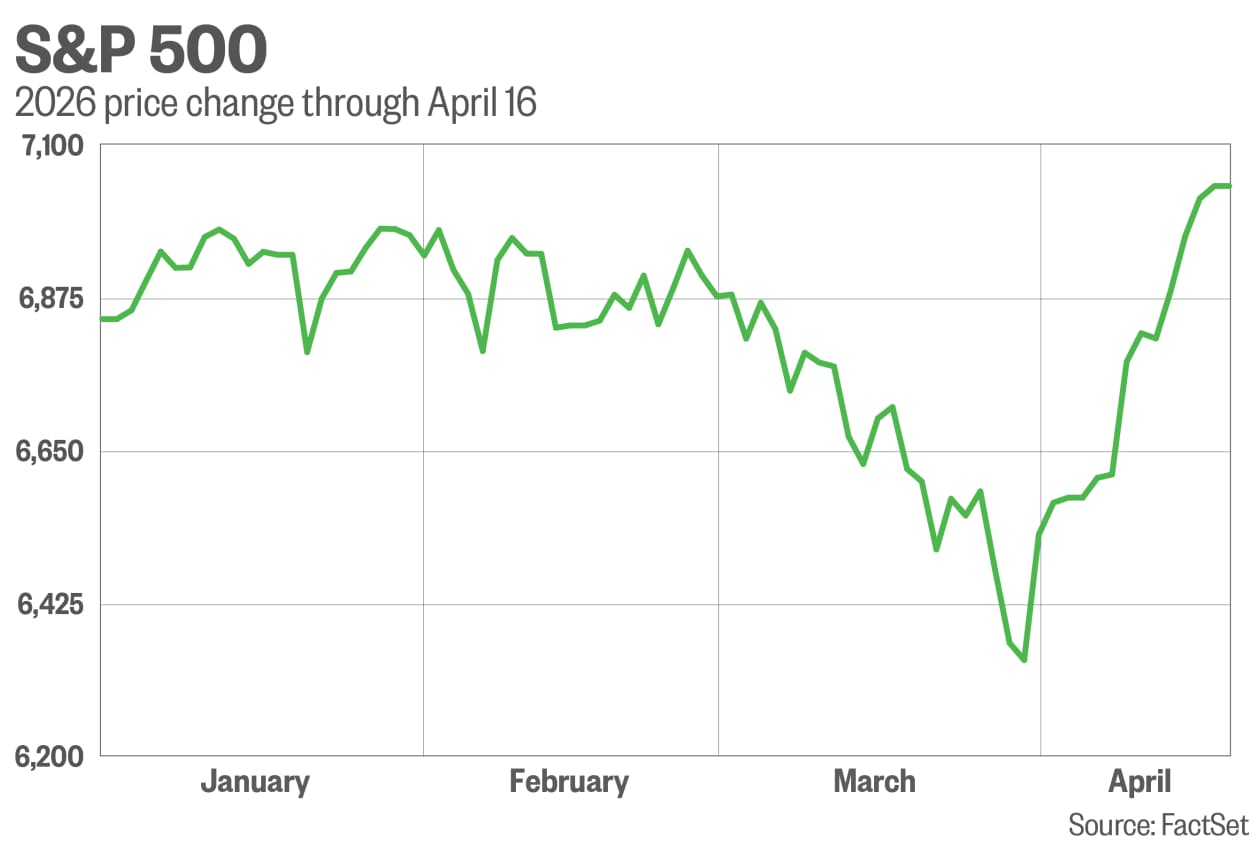
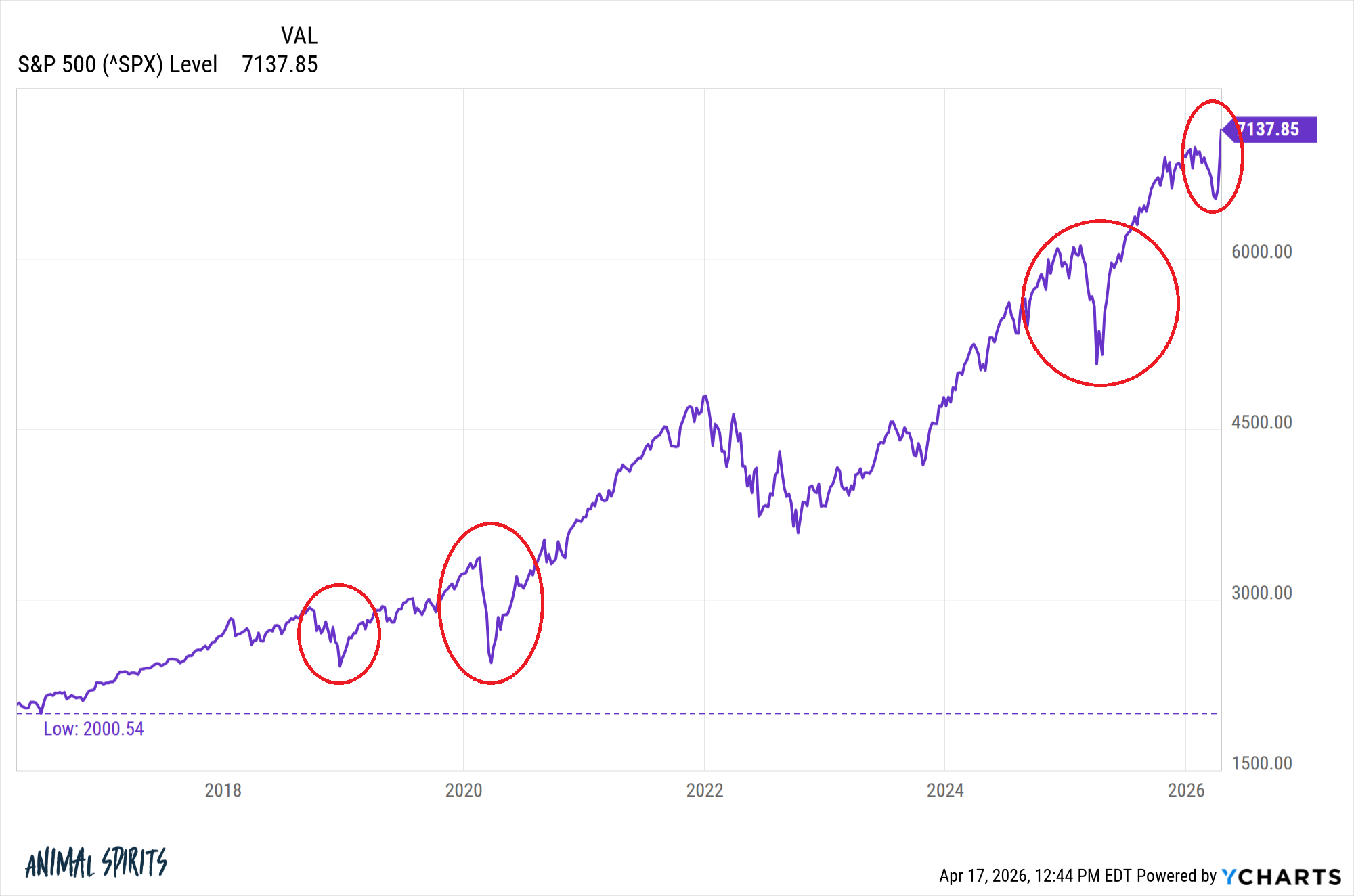
The S&P 500's breakthrough to 7,000 on April 19, 2026—following a dramatic 11-trading-day recovery from 9.1% correction territory—signals a critical inflection point for cross-border e-commerce sellers seeking financing and payment optimization. This rally, driven by $93 billion in short covering and financial sector strength (JPMorgan Chase, Citigroup, Bank of America all beat earnings), directly impacts seller access to working capital, trade finance products, and cross-border payment infrastructure.
Financing Access Expansion: The financial sector's outperformance creates immediate opportunities for sellers. Banks beating earnings expectations signals improved lending appetite and lower risk premiums. For cross-border sellers, this translates to 12-18% APR reductions on inventory financing, PO financing, and invoice factoring products. Sellers with $500K-$5M annual revenue should immediately approach alternative lenders (Shopify Capital, Clearco, Fundbox) now offering 8-14% APR on working capital lines—down from 16-22% during March correction period. The 9% S&P 500 and Russell 3000 gains indicate institutional capital re-entering markets, increasing availability of supply chain finance products targeting e-commerce.
Payment Cost Optimization Through Currency Strength: The geopolitical de-escalation (U.S.-Iran conflict easing, Strait of Hormuz reopening) and financial rally strengthen USD relative to emerging market currencies. For sellers sourcing from Vietnam, India, and Indonesia, this creates 3-5% FX headwinds on cost of goods. However, sellers with USD-denominated revenue can lock in favorable rates now before further appreciation. Cross-border payment providers (Wise, OFX, Remitly) are reducing corridor fees by 15-25% as institutional flows increase—sellers should refinance existing payment arrangements immediately. The narrow rally breadth (only 2.4% of S&P 500 at 52-week highs) suggests selective strength in financial services, making this an optimal window for negotiating better payment terms with banks before broader market participation.
Consumer Spending Acceleration and Inventory Positioning: Market strength directly correlates with consumer confidence and discretionary spending. The S&P 500 reaching 7,000 reflects investor optimism that typically precedes 8-12% increases in e-commerce spending within 60-90 days. Sellers should immediately increase inventory positions in discretionary categories (electronics, home goods, apparel) by 20-30% to capture demand surge. The "worry season to earnings season" transition mentioned by DWS signals shift from defensive to growth-oriented spending—sellers in luxury, tech accessories, and premium home categories should prioritize inventory buildup now. Financing this inventory expansion is optimal during this window: trade finance providers are offering 45-60 day payment terms (vs. 30-45 day standard) and 2-3% discounts for early payment, unlocking 15-20% working capital efficiency gains.
Questions 8
How does the $93 billion short covering activity impact payment processing and settlement speeds?
The $93 billion short covering indicates massive institutional capital re-entering markets, increasing liquidity in payment infrastructure. This typically accelerates settlement speeds by 1-2 days and reduces payment processing delays. Sellers should expect: (1) faster ACH settlement (2-3 days vs. 3-5 days), (2) reduced payment gateway processing times (same-day vs. next-day), (3) improved cross-border payment speeds through Wise/OFX (1-2 days vs. 2-3 days). Lock in these improved settlement terms with payment providers now—as market volatility increases, settlement speeds may revert to standard timelines. Request written SLAs guaranteeing current settlement speeds for 12-month periods.
What specific actions should I take in the next 30 days to capitalize on this market window?
Immediate actions (next 30 days): (1) Apply for inventory financing at 8-14% APR through Shopify Capital, Clearco, or Fundbox before rates normalize, (2) Refinance existing payment arrangements with Wise/OFX to capture 15-25% fee reductions, (3) Lock in forward FX contracts for 90-180 day sourcing from Asia, (4) Increase inventory orders by 20-30% in discretionary categories, (5) Negotiate multi-year payment agreements with current providers to lock in current rates, (6) Build 30-45 day cash reserves before expansion. Monitor S&P 500 breadth weekly—if it drops below 30 stocks at 52-week highs, pause expansion and prioritize cash preservation.