






UK Security Escalation Signals Marketplace Risk | Seller Compliance & Regional Demand Shifts
- 6 coordinated attacks across London in 8 weeks; 15+ arrests; MI5 disrupts 20+ Iran-backed plots; impacts UK seller operations, Jewish community product demand, and cross-border logistics to affected regions













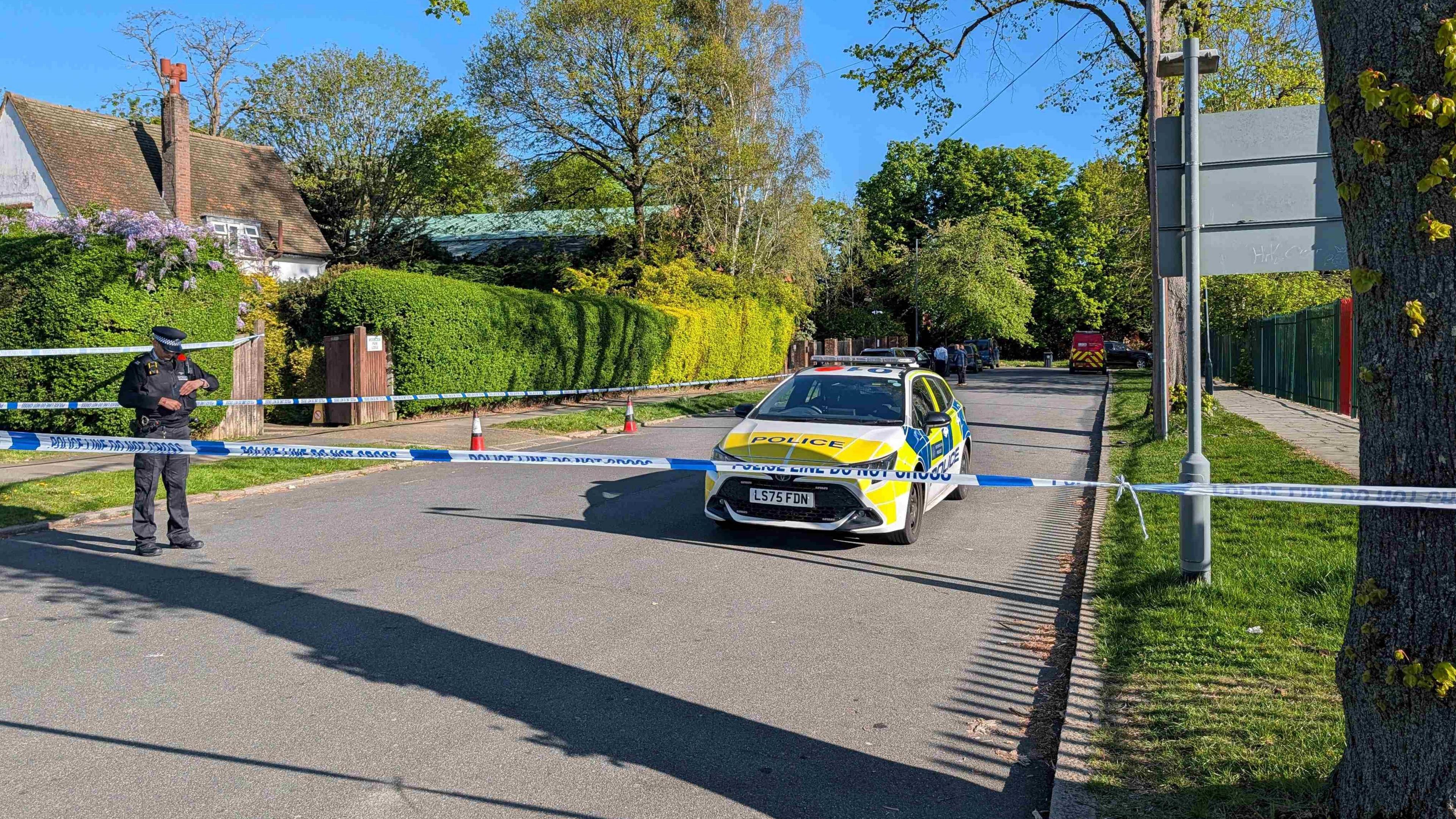

Overview
The coordinated arson campaign targeting Jewish sites across northwest London (March-April 2026) represents a significant geopolitical escalation with direct implications for UK-based e-commerce sellers and cross-border marketplace operations. British counterterrorism police have confirmed 6 major incidents involving synagogues, Jewish charity ambulances, and Persian-language media organizations, with 15+ arrests spanning teenagers to individuals in their 40s. The Metropolitan Police and Deputy Assistant Commissioner Vicki Evans have identified suspected Iranian proxy involvement through the group Harakat Ashab al-Yamin al-Islamia, which has also claimed responsibility for similar attacks in Belgium and the Netherlands—indicating a coordinated European campaign. The UK's MI5 domestic intelligence service reported disrupting over 20 "potentially lethal" Iran-backed plots in the year to October, establishing a pattern of state-sponsored proxy activity on British soil.
For e-commerce sellers, this escalation creates three operational vectors: First, regional demand volatility in affected London postcodes (Harrow, Golders Green, Finchley, Hendon) where Jewish community members may shift purchasing patterns toward security-related products, emergency supplies, and community-focused merchandise. Sellers specializing in home security systems, surveillance equipment, emergency preparedness kits, and Jewish cultural products should monitor search volume spikes in these areas. Second, supply chain and logistics disruption in northwest London, where increased police presence and community safety measures may affect 3PL fulfillment centers, warehouse access, and last-mile delivery times. Sellers using London-based fulfillment networks should verify facility security protocols and contingency plans. Third, cross-border compliance complexity as the investigation expands across EU jurisdictions (Belgium, Netherlands) with potential implications for sellers shipping to these regions—customs scrutiny may increase for certain product categories, and marketplace policies may evolve regarding content moderation and seller vetting in geopolitically sensitive areas.
The broader context reveals that perpetrators are "low-level opportunists recruited as criminal proxies for violence-as-a-service operations," suggesting organized recruitment networks. This pattern mirrors historical proxy campaigns and indicates sustained rather than isolated activity. For sellers, this translates to: (1) potential marketplace policy changes regarding seller verification in high-risk regions, (2) increased scrutiny of logistics partners with UK/EU operations, and (3) emerging demand for community safety and cultural identity products among affected demographics. Sellers should monitor UK government security announcements, Amazon Seller Central policy updates, and eBay seller forums for any new compliance requirements related to UK operations or cross-border EU shipping. The incident also highlights the importance of diversifying fulfillment geography—sellers relying heavily on London-based 3PLs should evaluate alternative fulfillment centers in lower-risk regions to mitigate operational disruption.
Questions 8
What timeline should sellers expect for normalization of UK-Europe logistics costs?
Based on historical precedent from 2015-2016 European security incidents, logistics and insurance costs typically remain elevated for 6-12 months post-incident, with gradual normalization beginning around month 8-10. For current attacks (March-April 2026), sellers should expect elevated costs through Q4 2026, with potential normalization beginning in early 2027. However, if additional incidents occur or threat escalation continues, this timeline could extend 3-6 months. Prime Minister Keir Starmer's public commitment to prosecution suggests active law enforcement response, which may accelerate normalization. Monitor quarterly insurance rate reviews and request cost reductions as threat indicators improve. Budget conservatively for sustained 8-12% cost increases through end of 2026, with potential 3-5% reductions in Q1 2027 if security situation stabilizes.
What immediate actions should sellers take regarding UK operations?
Immediate actions (0-30 days): (1) Contact your 3PL provider to confirm security protocols and contingency plans, (2) Review your Amazon Seller Central and eBay seller account for any policy updates or compliance notices, (3) Verify all business documentation is current and accurate, (4) Monitor search volume trends in affected London postcodes for demand shifts, (5) Evaluate fulfillment geography and identify alternative centers if needed. Strategic actions (1-6 months): Consider diversifying inventory across 2-3 UK fulfillment centers, develop targeted marketing campaigns for security/community products, and establish relationships with EU 3PLs to mitigate cross-border shipping risks. Risk mitigation: Monitor UK government security announcements weekly and maintain 10-15% inventory buffer in non-London facilities.