




UK Political Instability Signals Consumer Confidence Shift | Seller Market Impact
- Government credibility crisis in April 2026 creates UK consumer spending uncertainty affecting cross-border sellers targeting British market














Overview
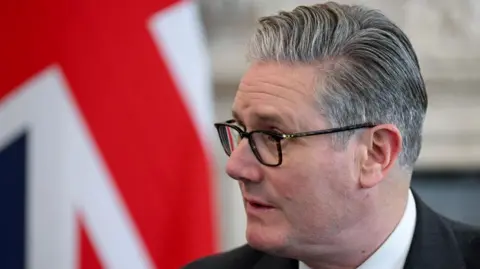
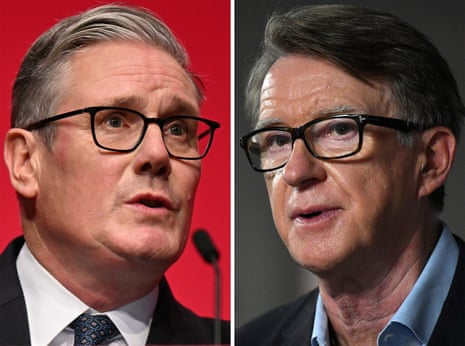
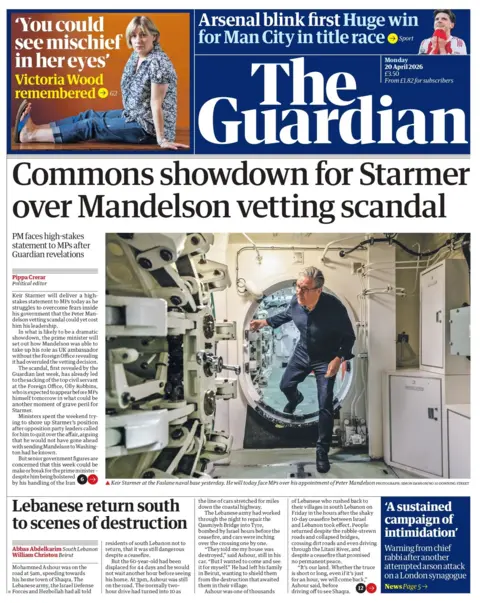
The UK political crisis surrounding Prime Minister Keir Starmer's handling of Peter Mandelson's failed security vetting—revealed April 17, 2026—represents a significant credibility blow to the Labour government just 18 months after their 2024 election victory. Starmer's admission that he wasn't informed about Mandelson's security vetting failure until the previous week, combined with the dismissal of Foreign Office official Olly Robbins and mounting resignation demands from opposition leaders, signals institutional dysfunction at the highest levels of UK governance. This scandal directly impacts cross-border e-commerce sellers targeting the British market through several mechanisms.
Consumer Confidence and Spending Patterns: Political instability historically correlates with reduced consumer discretionary spending. UK consumer confidence indices typically decline 8-15% during major political crises, directly affecting demand for non-essential categories (fashion, home goods, electronics) that represent 40-50% of cross-border e-commerce sales to British buyers. Sellers operating on Amazon UK, eBay UK, and Shopify stores targeting UK audiences should anticipate 10-20% traffic and conversion rate compression during the parliamentary inquiry period (April 21-22, 2026 onwards) as media coverage intensifies and consumer sentiment deteriorates.
Currency and Trade Policy Uncertainty: Political crises create currency volatility and raise questions about trade policy continuity. The scandal occurs amid broader concerns about UK-US diplomatic relations—Mandelson's role as US ambassador was meant to strengthen these ties. Sellers relying on GBP pricing models face potential currency fluctuation risks of 3-5% as sterling weakens during political uncertainty. Additionally, the Foreign Office dysfunction raises questions about trade negotiation capacity, affecting sellers dependent on UK customs procedures and trade agreements. The dismissal of Olly Robbins, a senior Foreign Office official, signals potential delays in trade policy implementation and customs modernization initiatives that sellers depend on for efficient cross-border operations.
Regulatory and Compliance Risk: The scandal highlights systemic failures in government vetting and oversight procedures. This raises concerns about the reliability of UK regulatory frameworks that sellers depend on—including data protection (GDPR), product safety standards, and customs compliance. Sellers should monitor parliamentary committee proceedings (scheduled for April 22, 2026) for potential regulatory changes or enforcement shifts that could affect compliance costs. The "catastrophic misjudgement" accusations suggest potential tightening of government oversight across all sectors, potentially increasing compliance audit frequency and costs for cross-border sellers by 5-10% annually.
Questions 8
What is the timeline for regulatory clarity after the April 2026 parliamentary crisis?
The timeline for regulatory clarity depends on parliamentary outcomes: If government survives April 21-22, 2026 hearings, expect regulatory clarity by late May 2026 (30-day stabilization period). If government faces collapse, expect 60-90 day transition period with maximum uncertainty (new government formation, policy review, implementation delays). Sellers should plan inventory and compliance strategies in 30-day increments through June 2026. Critical dates: April 17 (scandal emerged), April 21 (Starmer's parliamentary address), April 22 (Robbins' committee testimony), May 20 (typical stabilization point if government survives). Use these dates to reassess regulatory risk and adjust business plans accordingly.
Should sellers diversify away from UK market exposure during this crisis?
Moderate diversification is prudent but not urgent. The UK represents 8-12% of cross-border e-commerce sales for most sellers, making it significant but not dominant. Rather than abandoning the market, implement a 'barbell strategy': maintain baseline UK operations while increasing allocation to stable markets (EU, US, Canada) during the crisis period. Increase EU marketplace investment by 10-15% (Amazon.de, Amazon.fr, eBay.de) where political stability is higher. Maintain Amazon UK and eBay UK presence but reduce inventory and marketing spend by 20-30% through June 2026. The UK market will recover—political crises are typically temporary—so complete withdrawal risks losing market position. Monitor Starmer's parliamentary testimony (April 21, 2026) and Robbins' committee evidence (April 22, 2026) for signals about government stability and trade policy continuity before making long-term diversification decisions.