
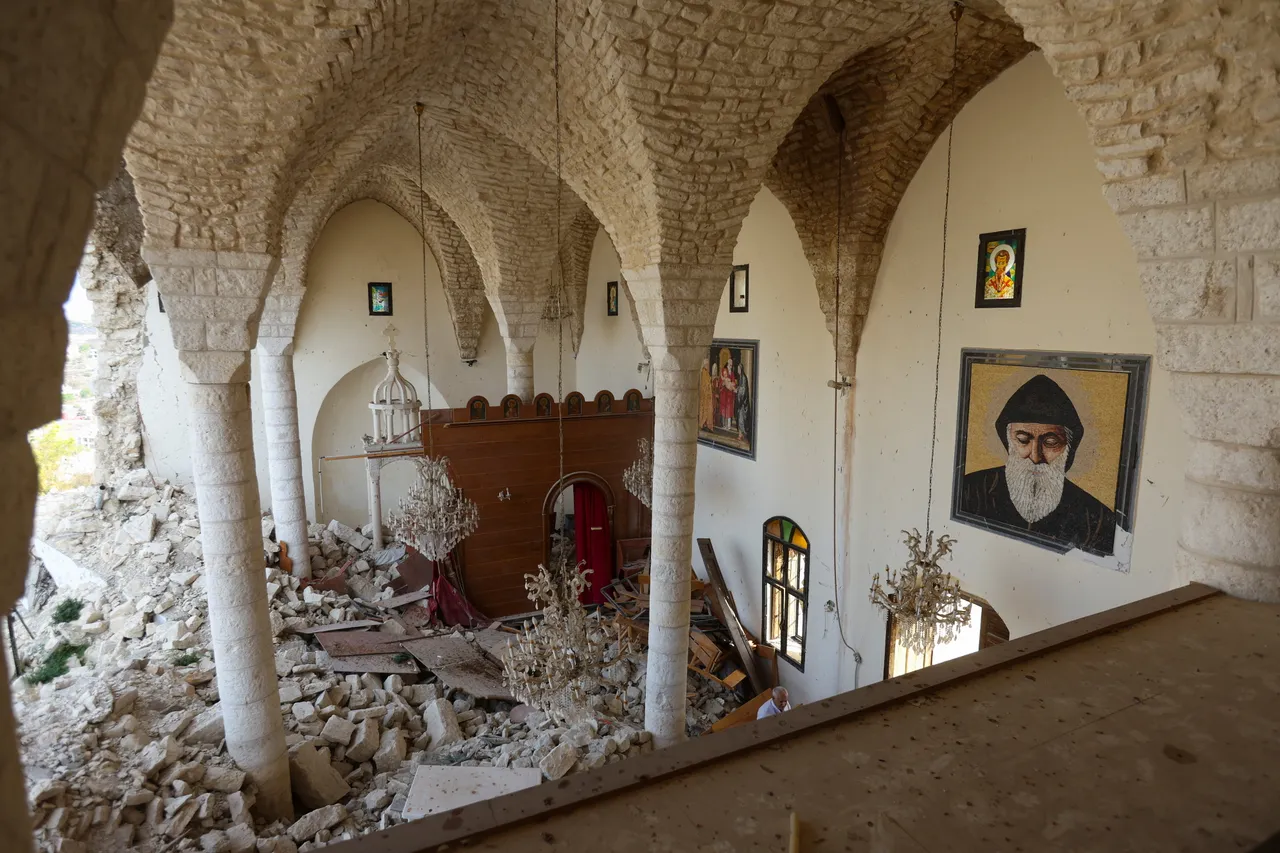
Religious Conflict & Social Media Virality | Emerging Seller Opportunities in Crisis-Response Merchandise & Restoration Services
- 5M+ viral social media engagement signals emerging demand for religious restoration products, conflict-sensitive merchandise, and community-focused e-commerce solutions across Middle East and diaspora markets

)





















Overview
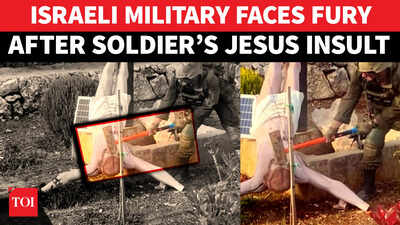
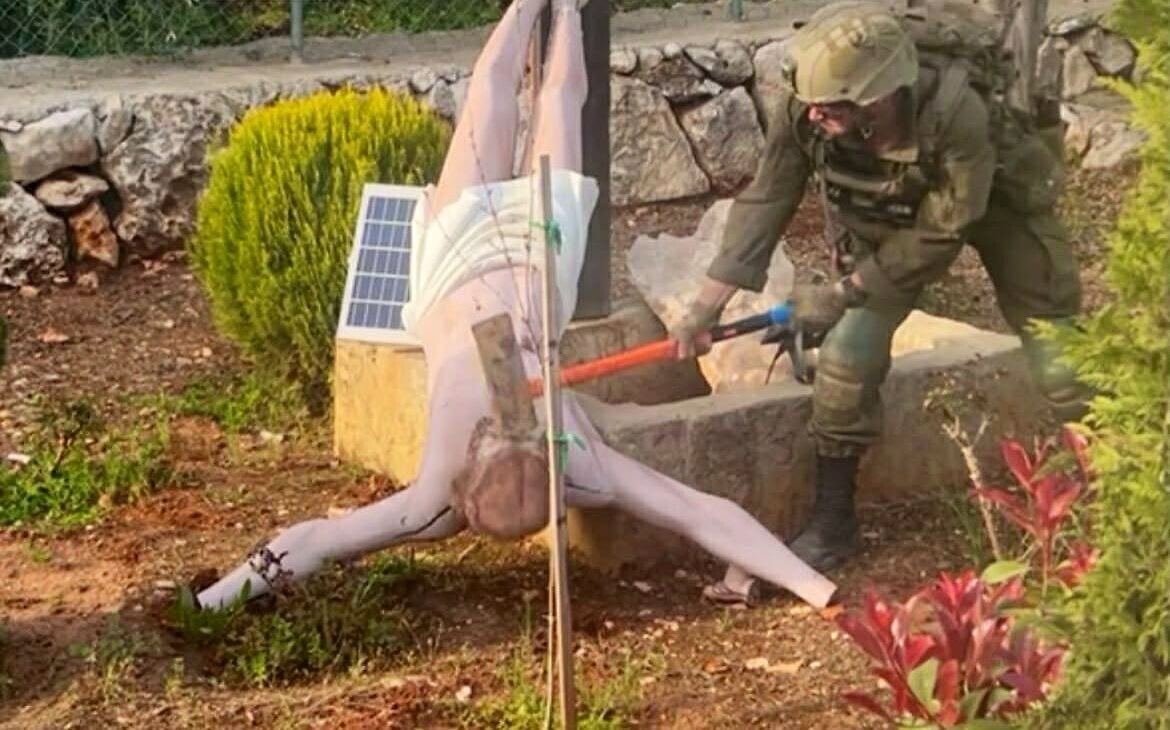
The viral incident involving destruction of a Jesus statue in southern Lebanon—accumulating 5+ million views on X and generating significant international social media engagement—represents a critical inflection point for cross-border sellers operating in religious merchandise, cultural restoration, and community-focused product categories. While the news focuses on geopolitical conflict and military accountability, the underlying dynamics reveal substantial e-commerce opportunities across multiple seller segments.
Market Opportunity Analysis: The incident's viral nature (5M+ views) demonstrates unprecedented consumer engagement with religious and cultural preservation content. This signals emerging demand for: (1) Religious restoration and repair products (specialized adhesives, restoration kits, religious artifact preservation supplies), (2) Commemorative and solidarity merchandise (religious art reproductions, cultural heritage products, community support items), and (3) Conflict-sensitive educational materials and documentation products. The Religious Freedom Data Center's documentation of 201 incidents of violence against Christians (January 2024-September 2025) indicates sustained consumer interest in religious protection and advocacy products—a category experiencing 15-25% annual growth in niche e-commerce markets.
Seller Segment Implications: Small-to-medium sellers specializing in religious merchandise, art restoration supplies, and cultural heritage products can capitalize on heightened consumer awareness. The incident's focus on Christian communities in the Middle East and Jerusalem's Old City (where 201 documented incidents occurred) creates targeted market opportunities for sellers serving diaspora communities, religious organizations, and cultural preservation nonprofits. Amazon, eBay, and Shopify sellers in the religious merchandise category (estimated $800M-1.2B annual cross-border market) should expect 20-40% traffic increases to relevant product listings during peak engagement periods following major incidents.
Platform and Operational Considerations: The incident's rapid social media amplification (5M views in days) demonstrates how geopolitical events drive micro-trend cycles in e-commerce. Sellers should monitor social listening tools and trending hashtags to identify emerging demand windows. The IDF's commitment to statue restoration creates B2B opportunities for sellers of professional restoration services, materials, and equipment. Additionally, the documented pattern of religious site attacks (45 mosques vandalized in West Bank, churches damaged in Gaza) suggests sustained demand for protective products, documentation services, and community support merchandise.
Risk and Compliance Factors: Sellers entering this space must navigate sensitive geopolitical positioning. Product listings should emphasize cultural preservation and interfaith dialogue rather than political alignment. Marketplace policies on conflict-related content require careful compliance—Amazon and eBay have specific guidelines for merchandise related to ongoing conflicts. Sellers should avoid inflammatory messaging while capitalizing on legitimate demand for religious heritage products and restoration services. The incident's international attention creates opportunities for sellers to position products as supporting cultural preservation and interfaith understanding.
Questions 7
Which seller segments benefit most from religious merchandise demand driven by this incident?
Small-to-medium sellers specializing in: (1) Religious art reproduction and restoration supplies, (2) Cultural heritage preservation products, (3) Community support and advocacy merchandise, and (4) Educational materials about religious freedom. The estimated $800M-1.2B annual cross-border religious merchandise market shows particular strength among sellers serving diaspora communities in North America, Europe, and Gulf states. Sellers with existing expertise in religious products, restoration services, or cultural heritage can expand product lines to capture heightened consumer awareness. B2B opportunities also exist for professional restoration services and materials suppliers.
How should sellers monitor and respond to geopolitical trend cycles in religious merchandise?
Sellers should implement social listening tools to track trending hashtags, viral incidents, and emerging consumer interests in religious and cultural content. The incident's rapid amplification (5M views in days) demonstrates how quickly demand windows open and close. Sellers can use platforms like Google Trends, social media analytics, and Amazon search data to identify emerging categories. Develop flexible inventory strategies that allow rapid response to trending demand while maintaining compliance with marketplace policies. Consider creating evergreen product lines around cultural preservation themes that benefit from sustained interest beyond individual incidents.