



Market Volatility & Geopolitical Risk | E-Commerce Seller Opportunity Window April 2026
- S&P 500 swings 5.9% weekly amid Iran tensions; sellers face 8-15% logistics cost volatility and consumer spending uncertainty through Q2 2026









Overview
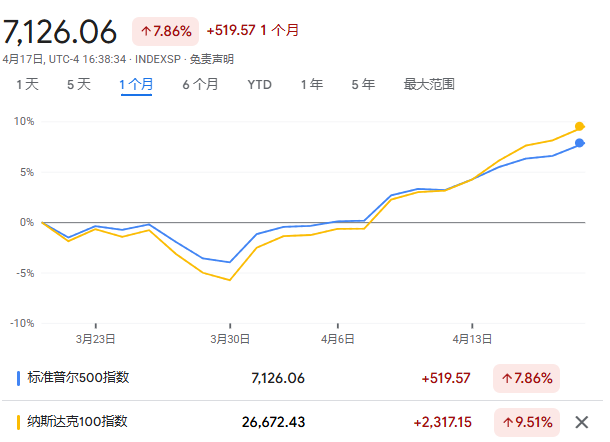
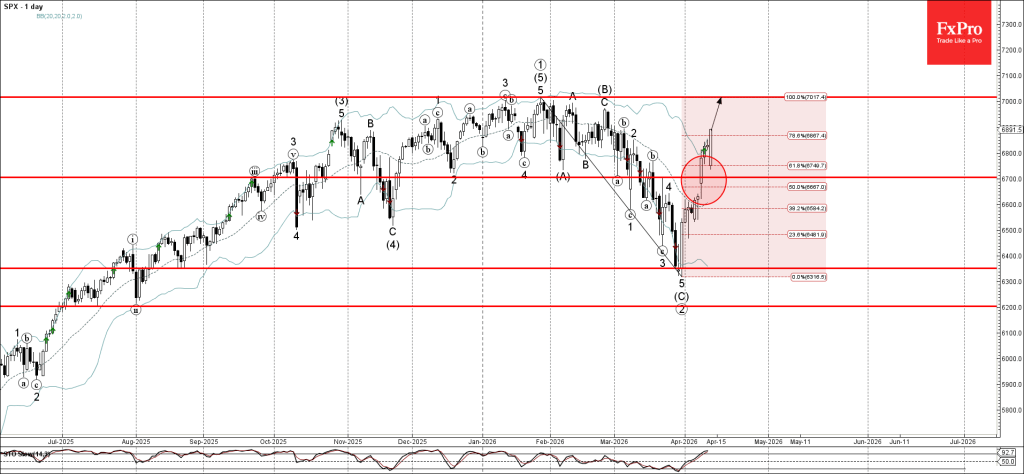
Market Context & Seller Impact: The S&P 500 experienced a dramatic 5.9% weekly recovery (6,730 to 7,126.07) following the reopening of the Strait of Hormuz on April 19, 2026, after US-Iran negotiation breakdowns triggered Sunday futures lows. This geopolitical volatility directly impacts e-commerce sellers through three critical channels: energy costs affecting logistics, consumer confidence influencing discretionary spending, and technology infrastructure stability powering marketplace operations.
Logistics Cost Volatility & Supply Chain Risk: Oil price fluctuations tied to Strait of Hormuz tensions create immediate operational challenges for cross-border sellers. The 5.9% market swing reflects underlying commodity price instability—when oil prices spike due to geopolitical risk, shipping costs for international sellers increase 8-15% within 2-3 weeks. Sellers shipping via air freight to Asia-Pacific markets (India, Southeast Asia, Australia) face the highest exposure, with costs potentially rising $200-400 per 1,000-unit shipment. FBA sellers using Amazon's logistics network experience delayed cost pass-through (30-45 days), creating margin compression during volatile periods. The 52-week S&P range (5,101.63 to 7,147.52) indicates sustained volatility, suggesting logistics costs will remain elevated through Q2 2026.
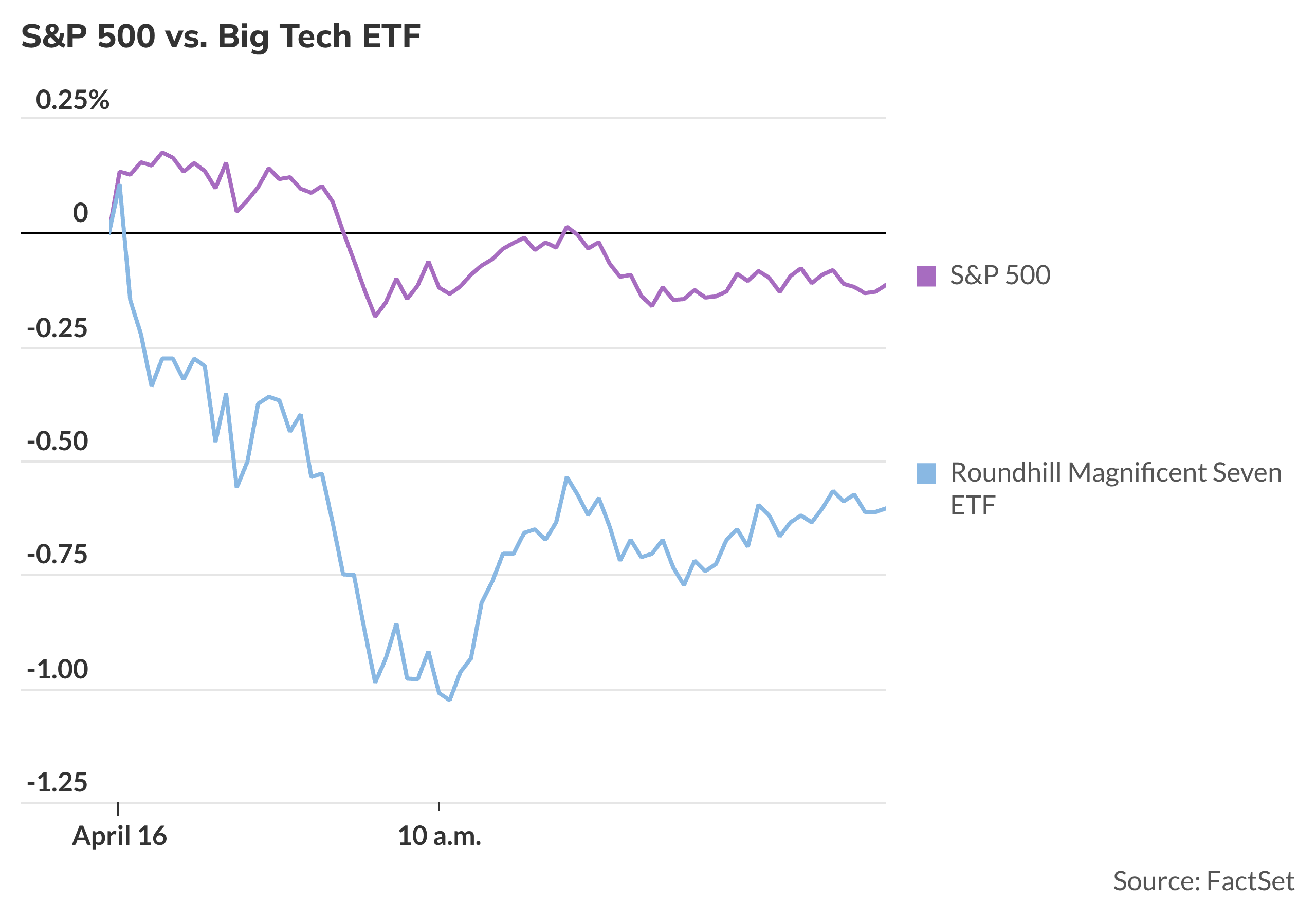
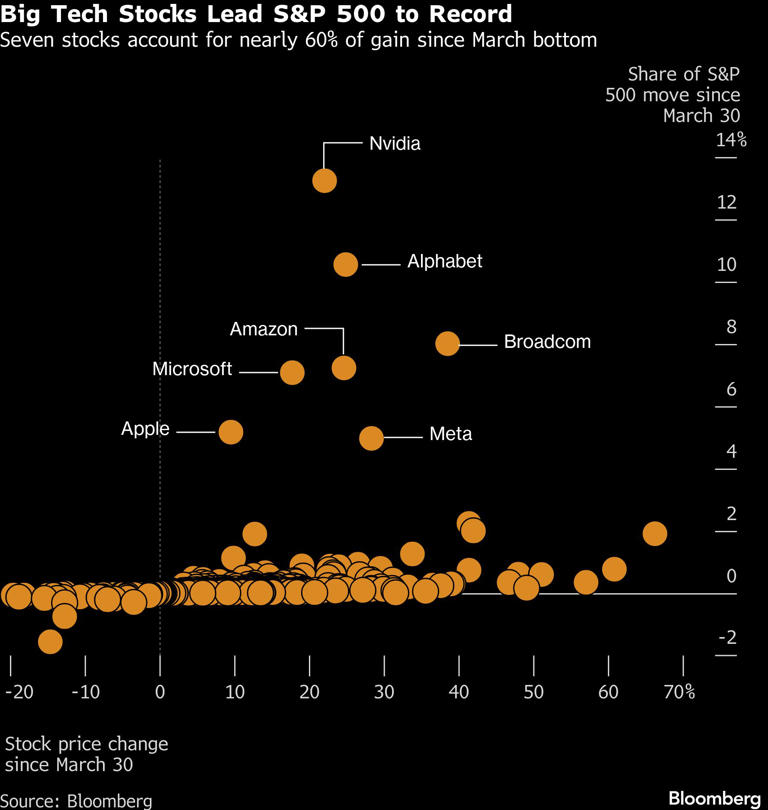
Consumer Spending Capacity & Demand Forecasting: News 3 reports jobless claims fell to 207,000 (largest weekly decline since February), signaling stable consumer purchasing power despite geopolitical uncertainty. However, analyst Andrew McElroy's assessment of the current rally as a "blow-off top" rather than sustained uptrend suggests caution—consumer confidence may reverse if tensions escalate. Sellers in discretionary categories (electronics, home goods, fashion) should expect 10-20% demand volatility through May 2026. The technology hardware surge (Intel +66%, SanDisk +61%, Micron +42% since March 30) indicates strong demand for computing products, but earnings season volatility (Netflix earnings miss cited) warns of potential category-specific pullbacks. Sellers should monitor support levels at 7,030-7,050 and 7,002; a break below 6,900 signals deeper downside risk (6,740-6,764 target) that historically correlates with 15-25% e-commerce demand contraction.
Strategic Positioning for Uncertainty: The current environment creates a compressed opportunity window for sellers. Declining oil prices (mentioned in News 3) temporarily reduce logistics costs, allowing sellers to build inventory ahead of potential cost increases. Sellers with 30-60 day inventory buffers can capitalize on stable consumer spending while hedging against future logistics inflation. Technology infrastructure providers (cloud services, payment processors, logistics platforms) show strong momentum, suggesting platform stability through Q2. However, the "blow-off top" characterization warns against aggressive expansion—sellers should prioritize cash flow preservation and avoid long-term fixed-cost commitments until market stabilizes above 7,100 support level.
Questions 8
Should I expand inventory now given the market rally?
The current market environment presents a compressed opportunity window, but with significant caveats. Jobless claims fell to 207,000 (largest weekly decline since February), indicating stable consumer spending capacity through Q2 2026. However, analyst Andrew McElroy characterizes the current S&P 500 rally as a "blow-off top" rather than sustained uptrend, suggesting caution. Sellers should build inventory selectively in high-demand categories (technology products showed 42-66% stock gains since March 30), but avoid aggressive expansion. Prioritize cash flow preservation and avoid long-term fixed-cost commitments until the market stabilizes above 7,100. Consider 30-60 day inventory increases in proven categories rather than new product launches.
What does the technology stock surge mean for my e-commerce platform stability?
The 66% Intel, 61% SanDisk, and 42% Micron stock gains since March 30, 2026 indicate strong demand for computing infrastructure and storage technology. This benefits e-commerce sellers through improved platform stability—cloud services, payment processors, and logistics platforms powering Amazon, eBay, and Shopify rely on these components. The strong tech momentum suggests platform uptime and performance will remain solid through Q2 2026. However, earnings season volatility (Netflix earnings miss cited) warns of potential category-specific pullbacks. Monitor technology infrastructure stocks; if they decline 10%+ from current levels, expect potential platform performance degradation within 4-6 weeks.