




Routine: A 13-Year Gaming Odyssey Redefining Survival Horror Storytelling
- Lunar Software's patient approach signals a transformative moment for independent game development

















Overview
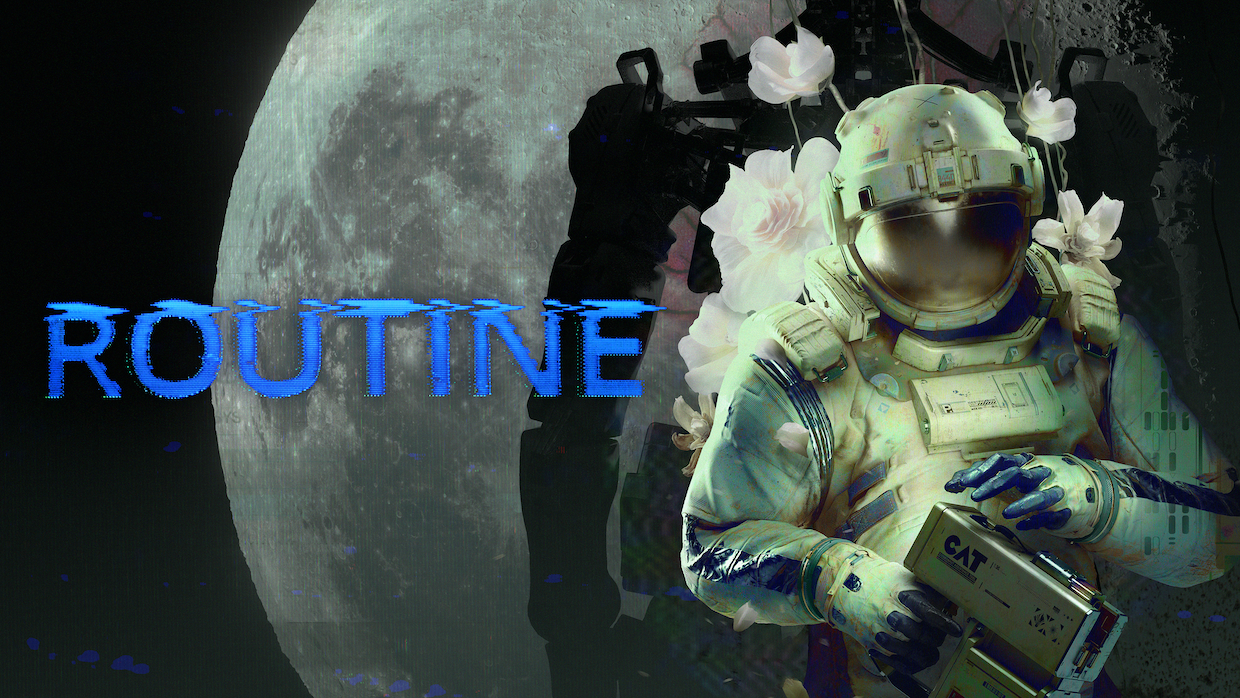
In the intricate landscape of video game development, Routine emerges as a testament to persistence, creativity, and the power of uncompromising artistic vision. After a remarkable 13-year development journey, this sci-fi survival horror game represents more than just a product launch—it's a profound statement about game design philosophy and narrative innovation.
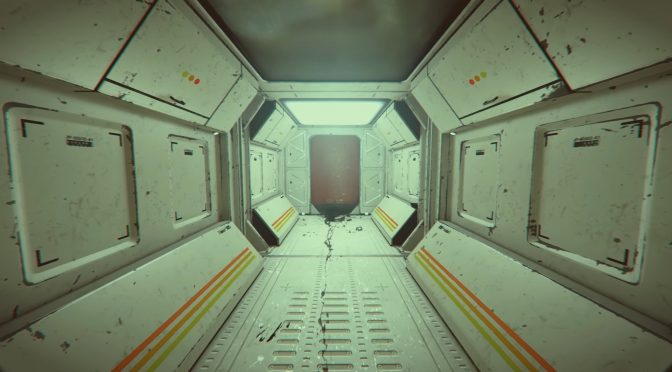
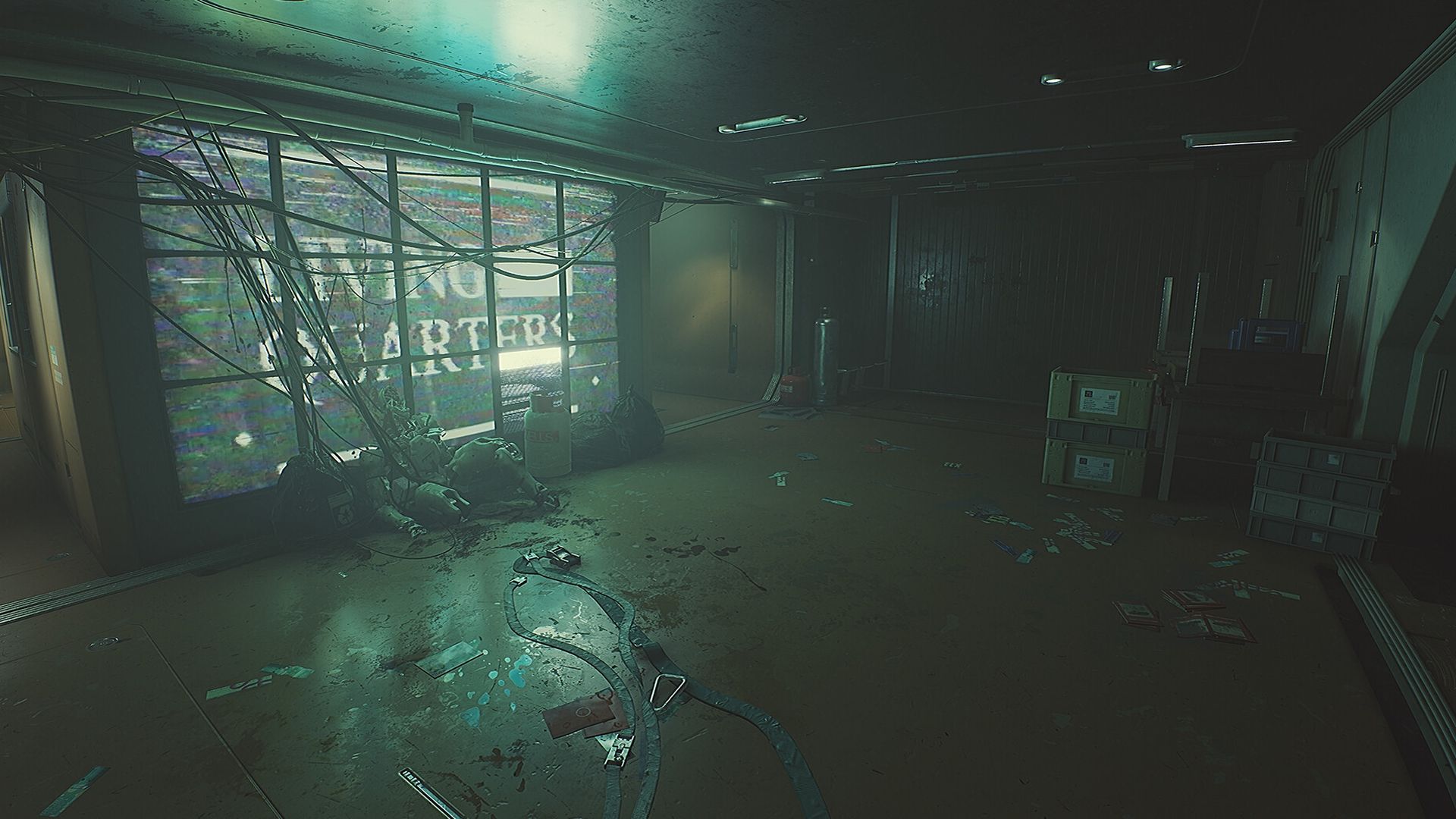
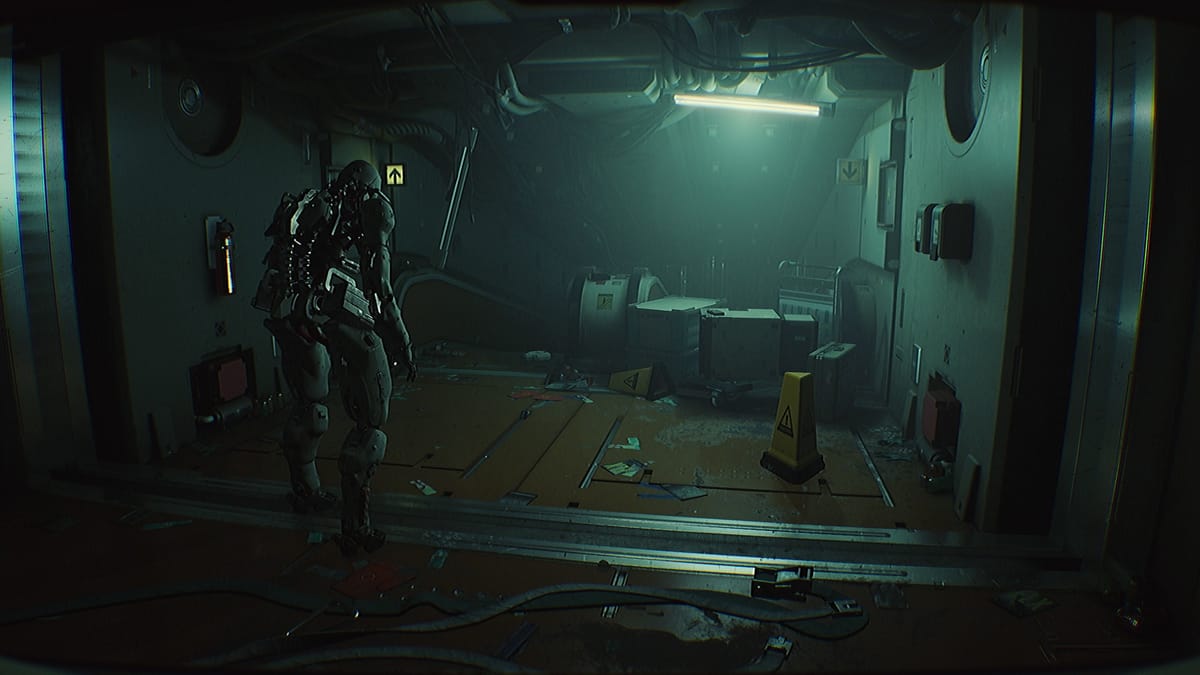
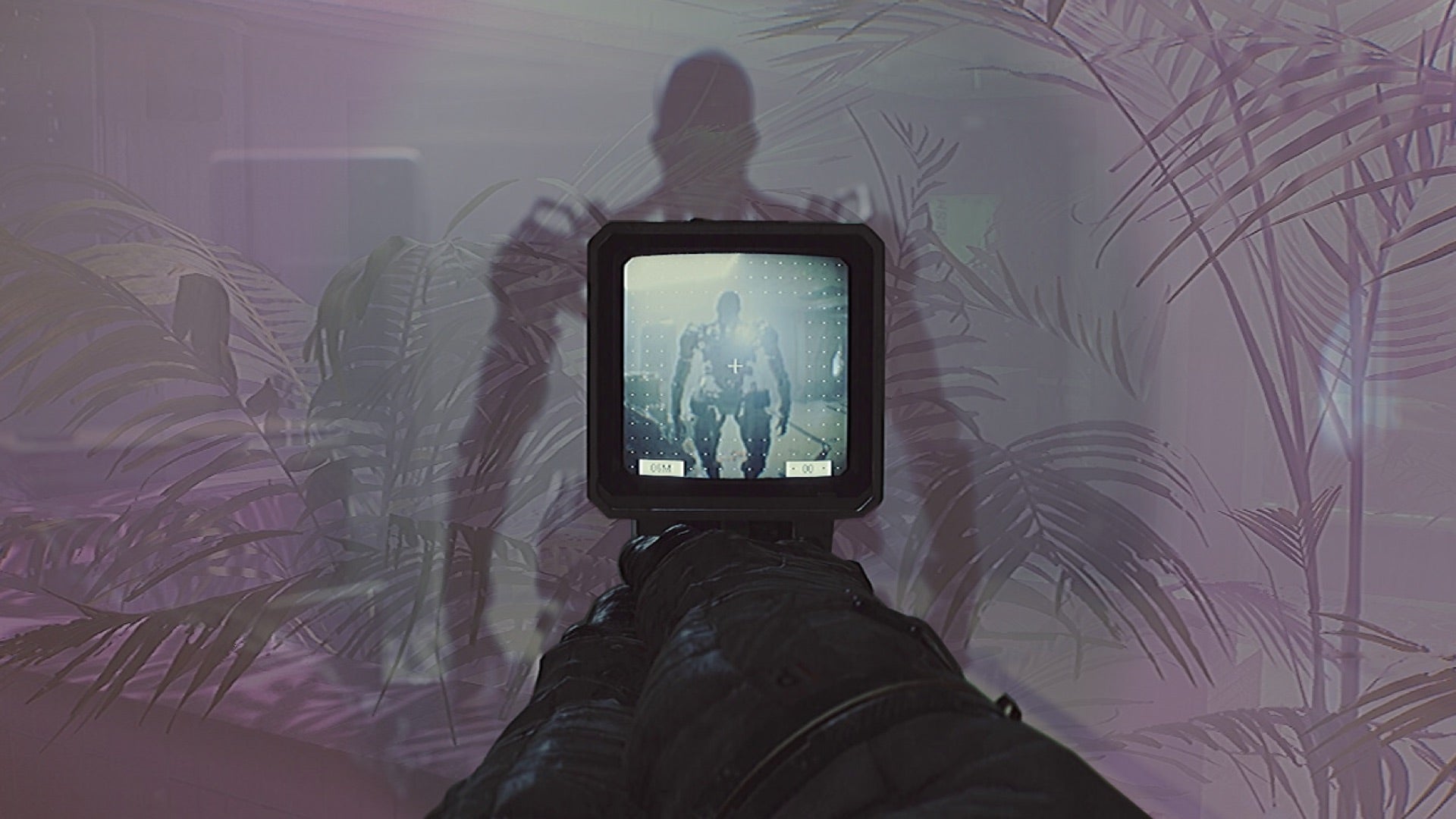
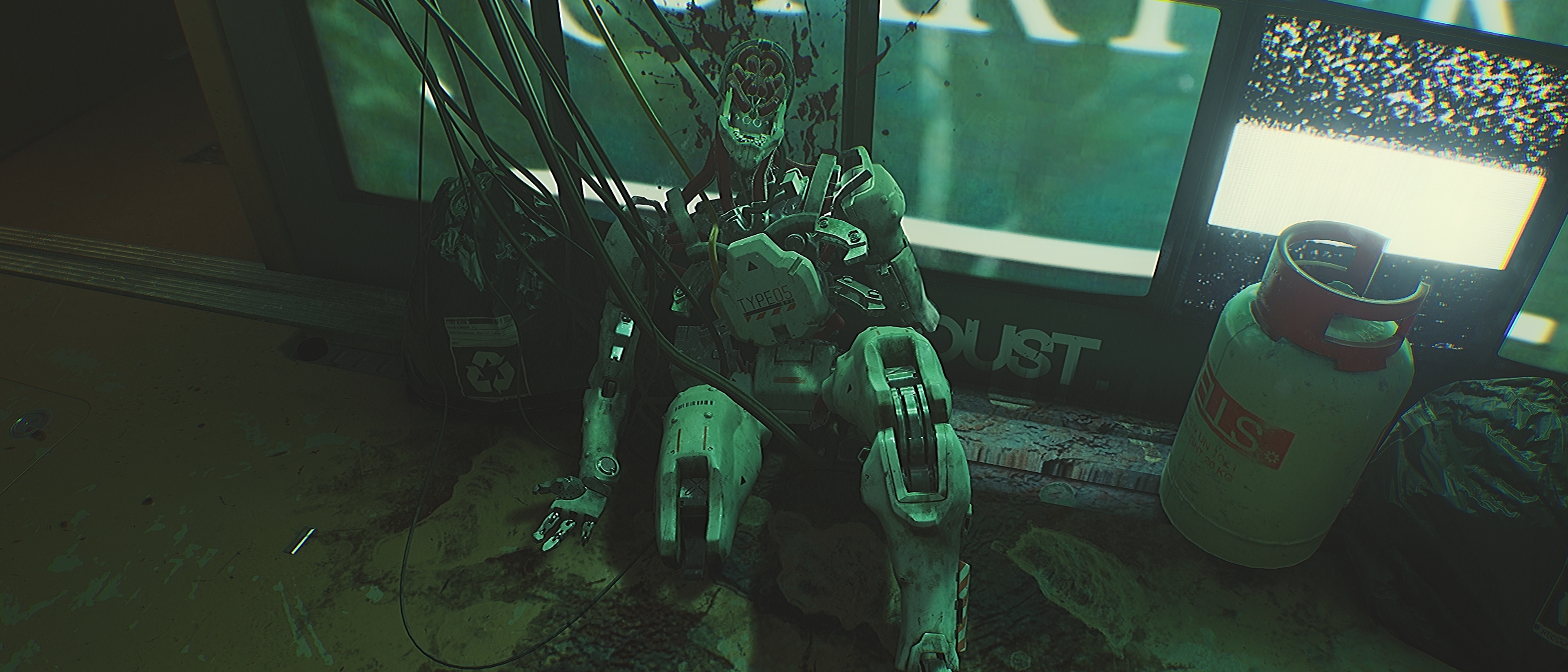
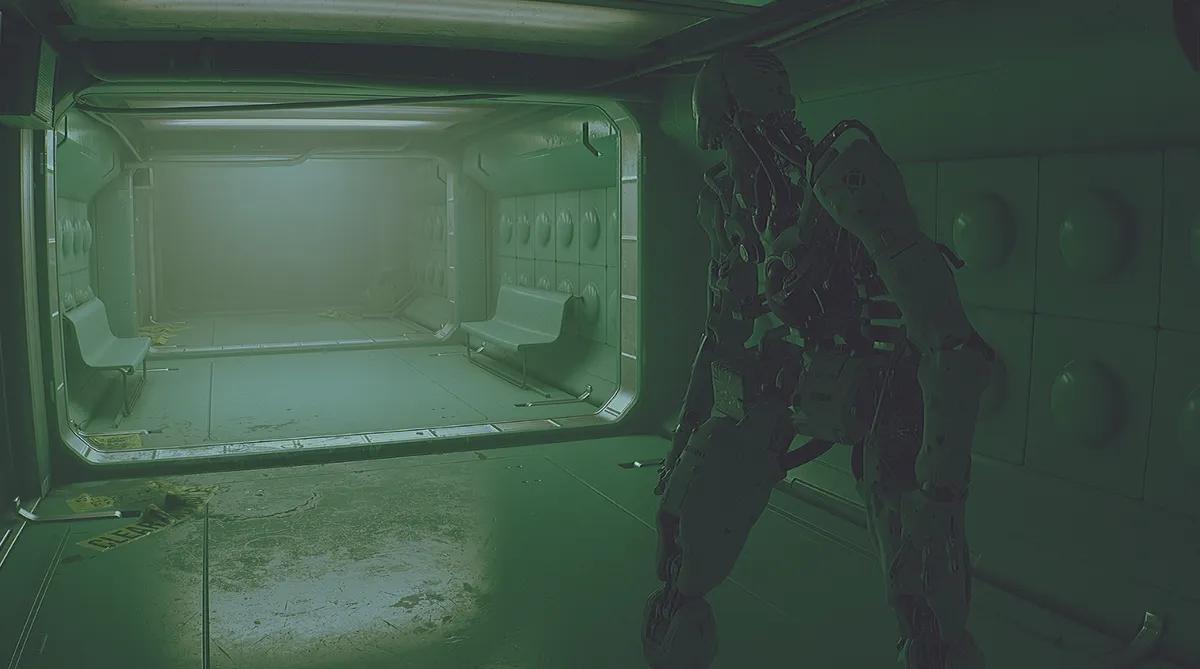
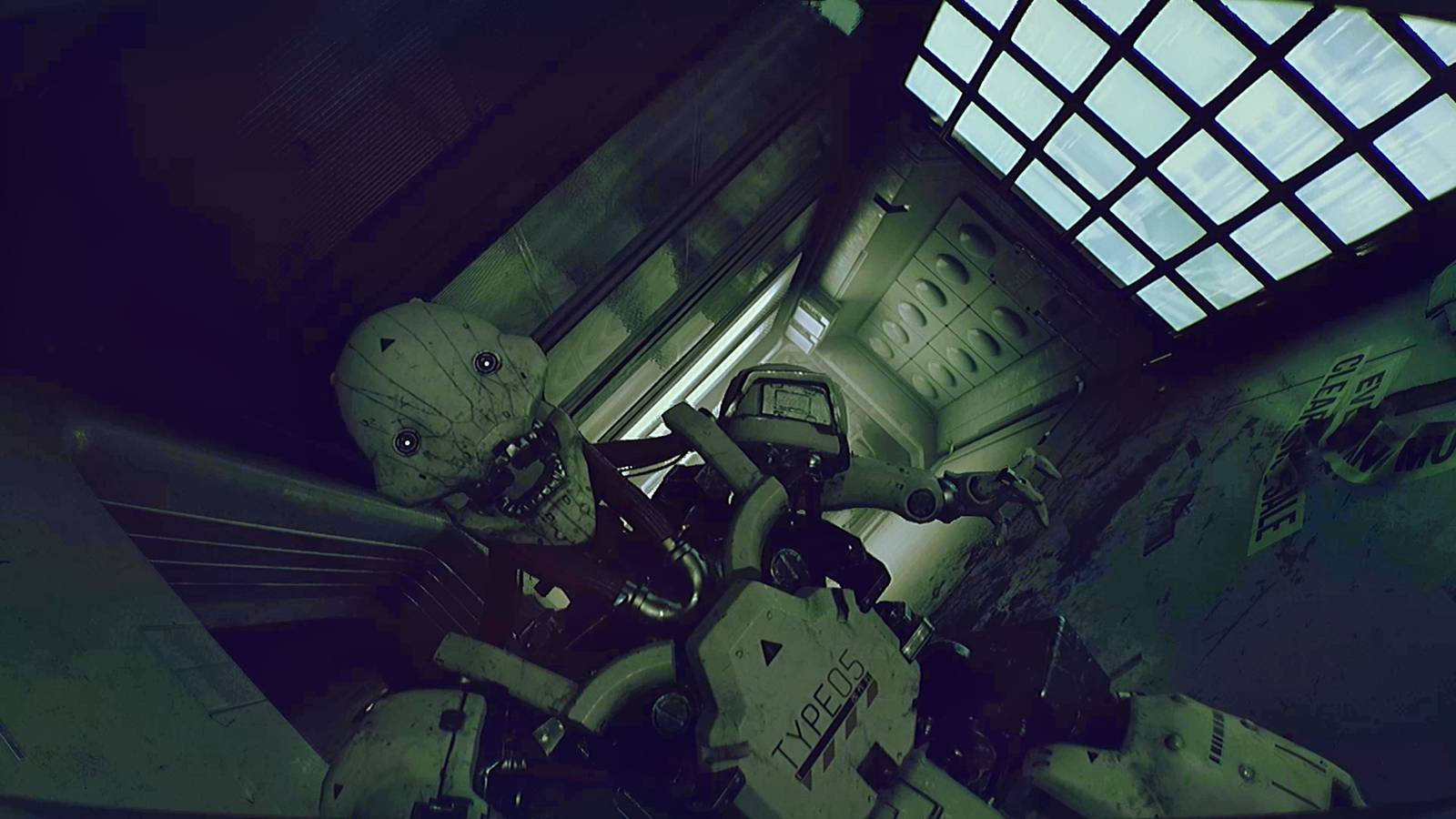
Lunar Software's meticulous approach challenges conventional game development paradigms by prioritizing atmospheric storytelling over traditional gameplay mechanics. The game's setting in a retro-futuristic lunar facility called Union Plaza isn't merely a backdrop, but a character in its own right. By deliberately refusing to "hold the player's hand", Routine transforms player uncertainty into a core narrative mechanism, creating psychological tension that transcends typical horror game tropes.
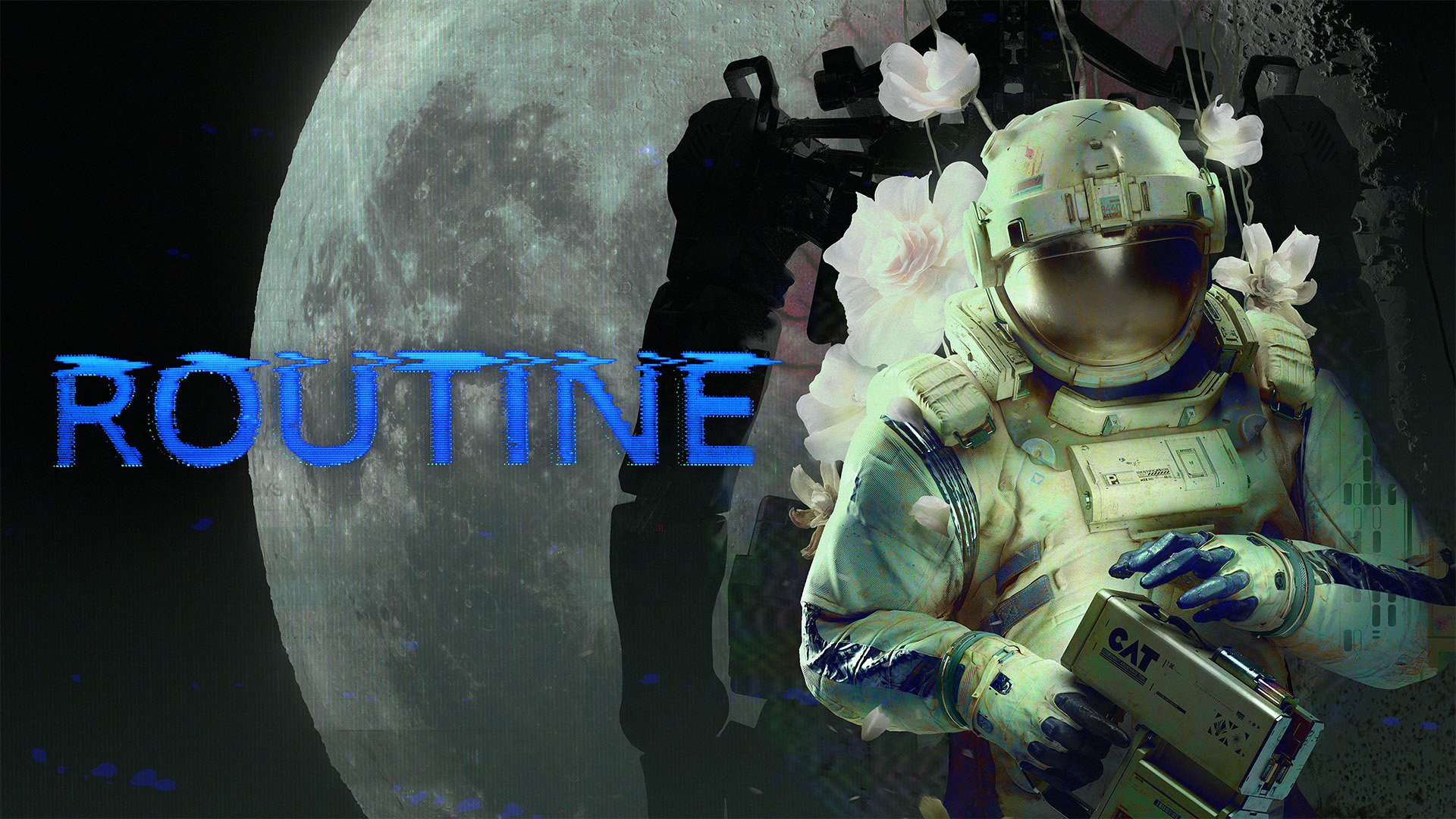
The game's unique design philosophy is most evident in its Cosmonaut Assistance Tool (C.A.T.), which becomes more than a gameplay mechanic—it's a narrative device that embodies the game's core themes of exploration and human curiosity. Players must navigate a mysterious environment with minimal guidance, turning each puzzle and discovery into a deeply personal experience. This approach reflects a broader trend in independent game development: prioritizing player agency and environmental storytelling over scripted narratives.
Critically, Routine demonstrates that patience and artistic integrity can coexist with commercial viability. Priced at $25 and available across multiple platforms including Xbox Game Pass, the game proves that niche, meticulously crafted experiences can find their audience. Its approximately 6-7 hours of gameplay are not a limitation but a deliberate choice, focusing on quality and immersion over extended playtime.
The game's launch represents a significant moment for independent game developers, showing that unconventional approaches can yield remarkable results. By challenging genre expectations and prioritizing psychological depth, Routine signals a potential renaissance in survival horror game design—one where atmosphere, narrative complexity, and player experience take precedence over formulaic gameplay mechanics.
Questions 3
What makes Routine's game design approach significant?
Routine represents a paradigm shift in independent game development by prioritizing player agency, atmospheric storytelling, and narrative complexity. Its 6-7 hour gameplay focuses on quality and immersion over quantity, demonstrating that niche, carefully crafted experiences can successfully challenge genre expectations.
Why did Routine take 13 years to develop?
The extended development suggests Lunar Software's commitment to a unique artistic vision, prioritizing narrative depth and atmospheric design over rapid market entry. This patient approach allowed them to create a meticulously crafted game that challenges traditional survival horror mechanics, focusing on psychological tension and environmental storytelling.