
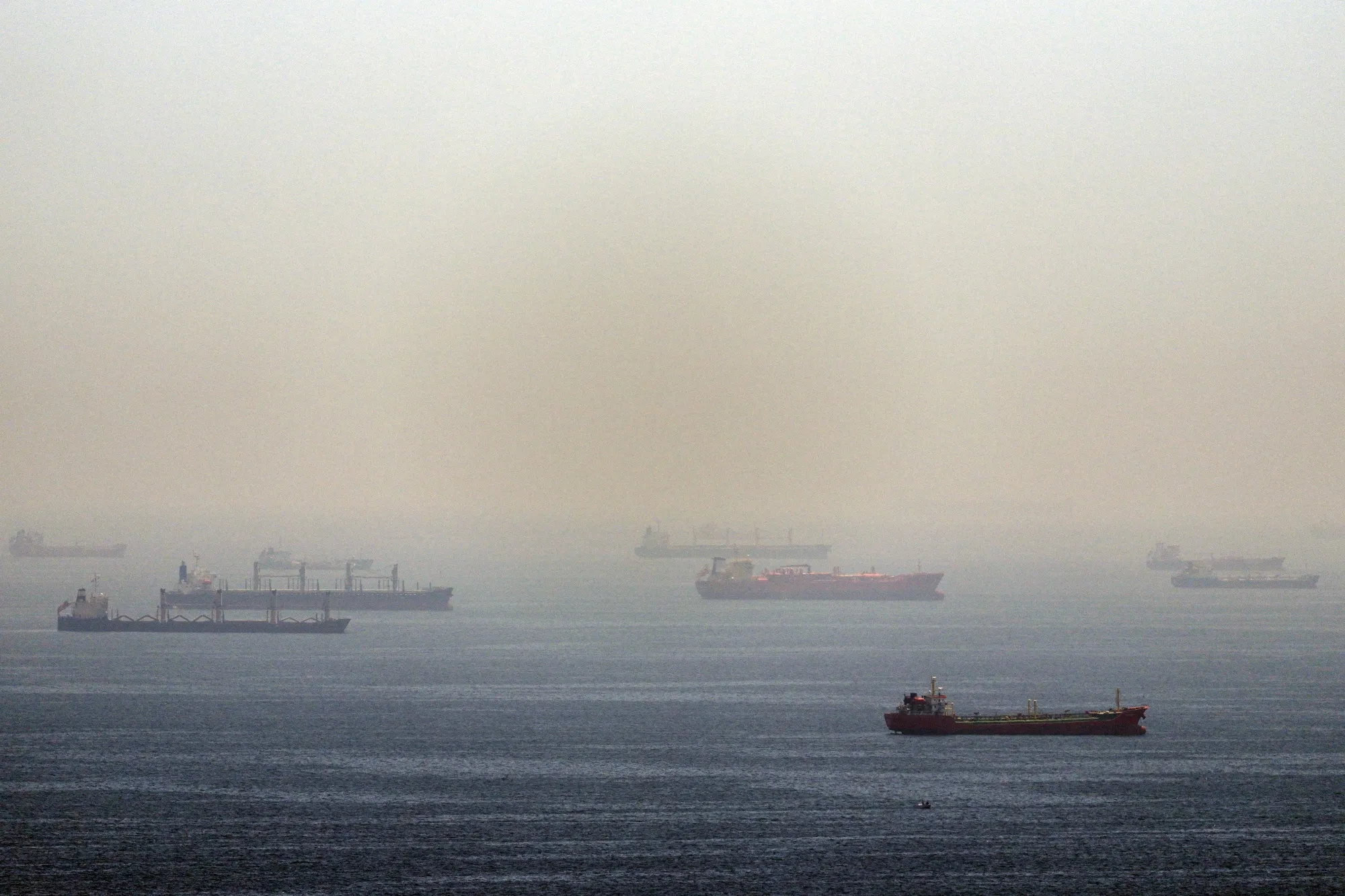



Geopolitical Oil Crisis Drives Shipping Cost Surge | Cross-Border Seller Impact
- Brent crude rises to $95/barrel (+5%), threatening 8-15% freight cost increases for international e-commerce sellers within 30 days

























































Overview
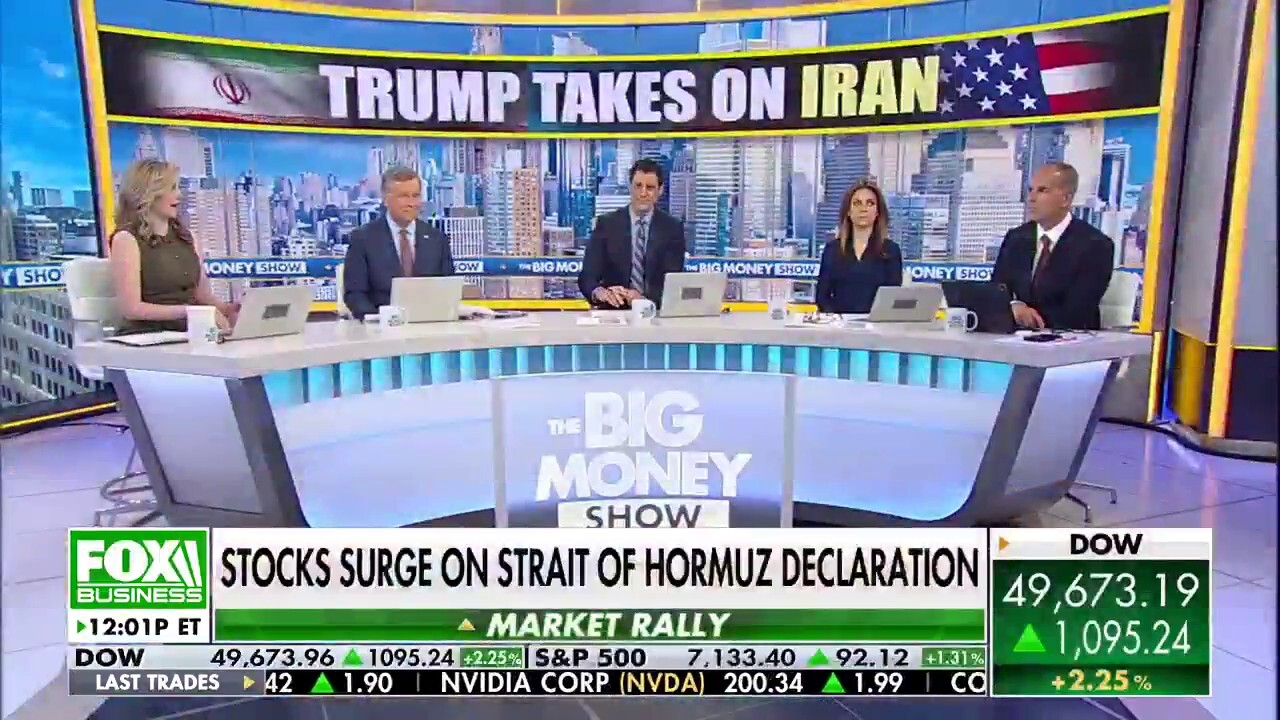
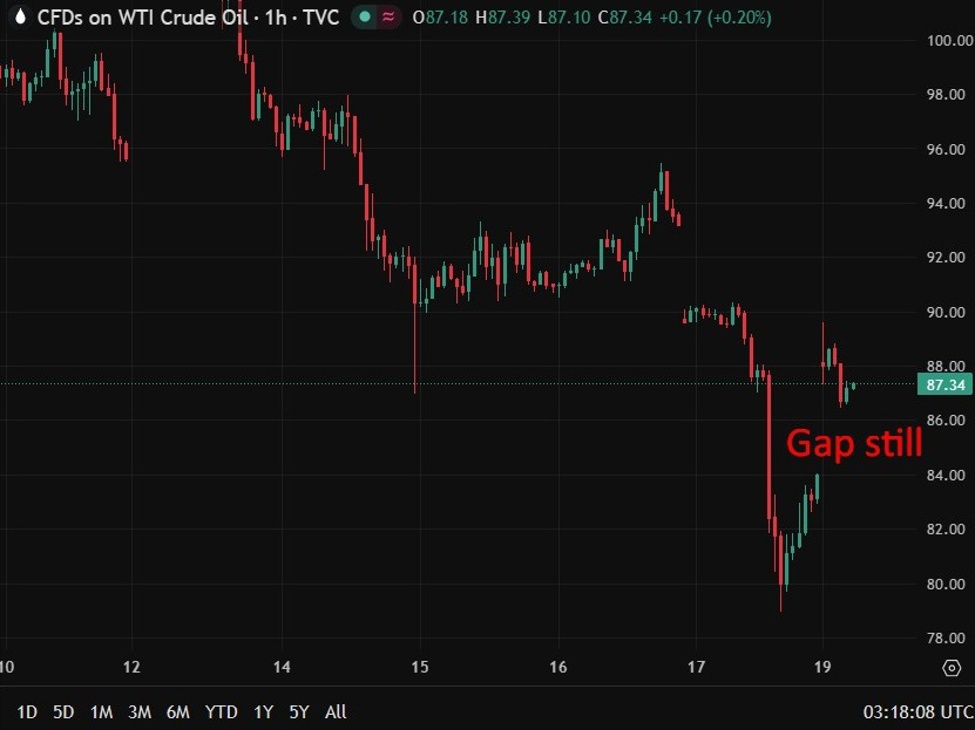
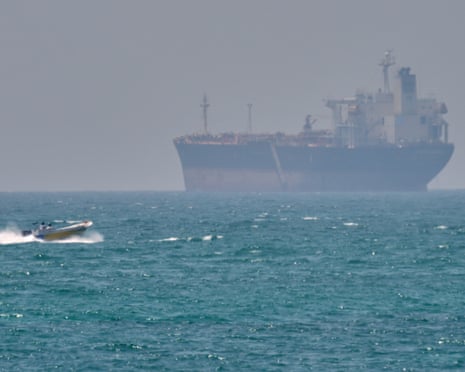
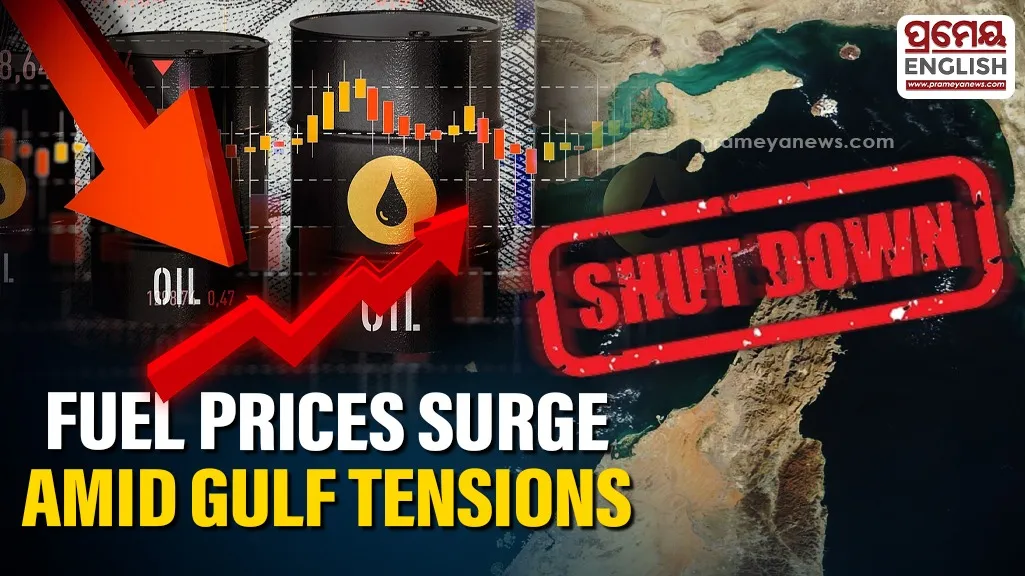
The escalating U.S.-Iran tensions over the Strait of Hormuz represent a critical supply chain inflection point for cross-border e-commerce sellers. With Brent crude oil surging to $95 per barrel (up 5%) and WTI crude reaching $88 per barrel (up 4%) following the seizure of an Iranian cargo ship and renewed Strait restrictions, the geopolitical crisis directly threatens logistics economics for sellers shipping internationally. The Strait of Hormuz handles approximately 21% of global petroleum trade, making any prolonged closure a material risk to freight rates. For e-commerce sellers, this translates to immediate cost pressures: ocean freight rates typically increase $200-400 per 40-foot container for every $10 rise in crude oil prices, while air freight premiums can spike 8-12% within 2-3 weeks of sustained oil volatility.
The timing window is critical—the ceasefire expires this week with U.S. negotiators traveling to Pakistan for talks, creating a 7-14 day decision window for sellers. Sellers shipping high-volume inventory (1,000+ units monthly) via ocean freight face the most acute pressure, with monthly logistics costs potentially rising $800-2,400 depending on origin country and destination market. Amazon FBA sellers shipping from China, Vietnam, or India to U.S. fulfillment centers face particular exposure, as Asian-to-U.S. routes depend heavily on Suez Canal alternatives that add 10-14 days transit time and proportionally higher fuel surcharges. European sellers importing from Asia face similar dynamics, with Rotterdam and Hamburg port premiums already rising 3-5% in anticipation of supply chain disruptions.
Strategic sourcing arbitrage opportunities emerge for sellers willing to shift inventory positioning. Sellers currently holding inventory in U.S. or EU warehouses should accelerate sales velocity to avoid storage cost increases (Amazon storage fees rise 40% in Q2). Conversely, sellers with capital flexibility can exploit the 2-3 week window before freight costs fully adjust by pre-positioning inventory in destination markets at current rates. The stock market decline (Dow futures down 200+ points) signals broader economic uncertainty, which historically compresses consumer spending 4-6 weeks after geopolitical shocks. This suggests sellers should prioritize cash flow preservation and reduce new inventory commitments until ceasefire negotiations conclude.
Questions 8
What compliance or tariff risks emerge from U.S.-Iran tensions?
The U.S. seizure of an Iranian-flagged cargo ship citing sanctions violations signals heightened customs enforcement on Iran-related trade. Sellers should audit their supply chains to ensure no components, materials, or finished goods originate from Iran or Iranian-controlled entities. OFAC (Office of Foreign Assets Control) maintains a Specially Designated Nationals (SDN) list that sellers must screen against. Violations carry penalties of $250,000+ per violation. Additionally, if tensions escalate to broader sanctions, tariff rates on certain product categories (electronics, chemicals, textiles) could increase 5-15% if alternative sourcing from sanctioned regions becomes restricted. Review your supplier documentation and country-of-origin certifications this week to ensure compliance. Consider consulting a trade compliance specialist if you source from Middle East or Central Asia regions.
How should I adjust pricing strategy during this shipping cost uncertainty?
Implement dynamic pricing that reflects freight cost volatility without alienating customers. For Amazon sellers, increase prices 3-5% on high-margin products (electronics, collectibles) where demand is less price-sensitive, while holding prices flat on price-sensitive categories (apparel, home goods). Use Amazon's dynamic pricing tools to test elasticity. For Shopify sellers, implement tiered shipping costs that pass through 40-60% of freight increases to customers, absorbing 40-60% internally to maintain competitiveness. Monitor competitor pricing daily—if competitors raise prices 5-8%, you have pricing power. Avoid aggressive price cuts to maintain margins during cost inflation. Consider offering free shipping thresholds ($50+) to encourage larger order values that improve freight cost absorption. Lock in supplier prices for 30-60 days if possible to create pricing certainty.