




Apple Siri AI Redesign 2026 | E-Commerce Search & Voice Commerce Opportunity
- Apple's modernized Siri interface launching June 2026 signals major shift in voice-activated shopping; sellers must optimize for AI-powered product discovery and voice search queries













)




Overview
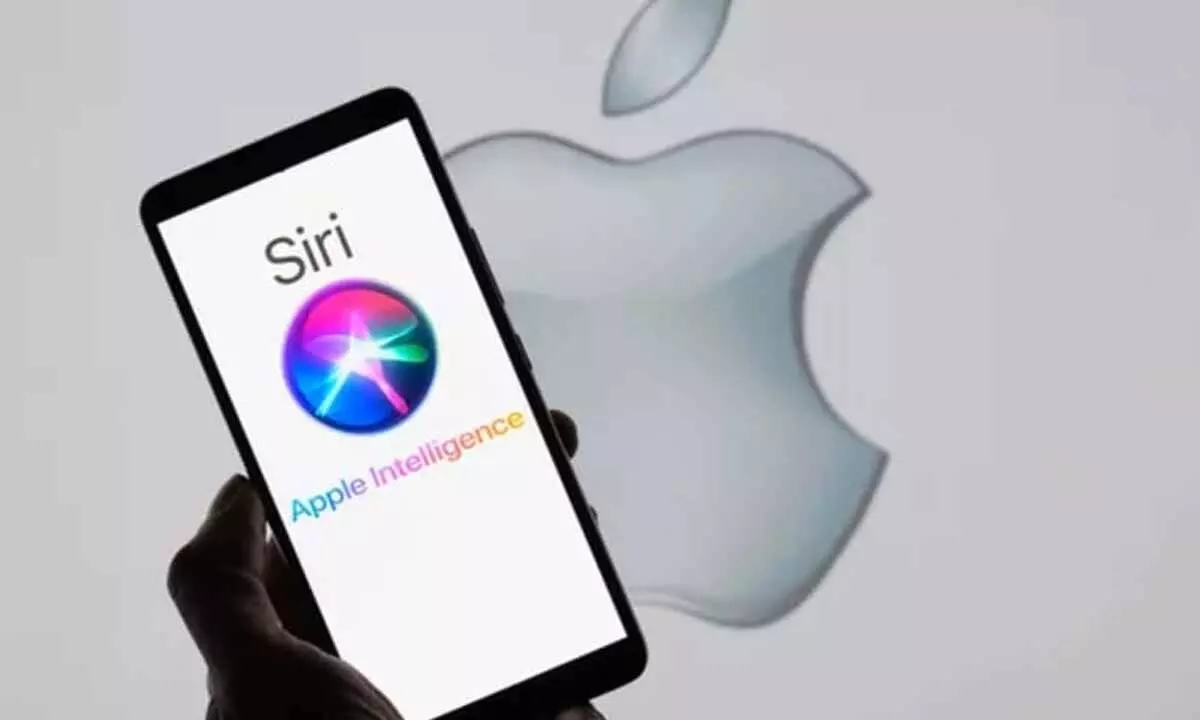
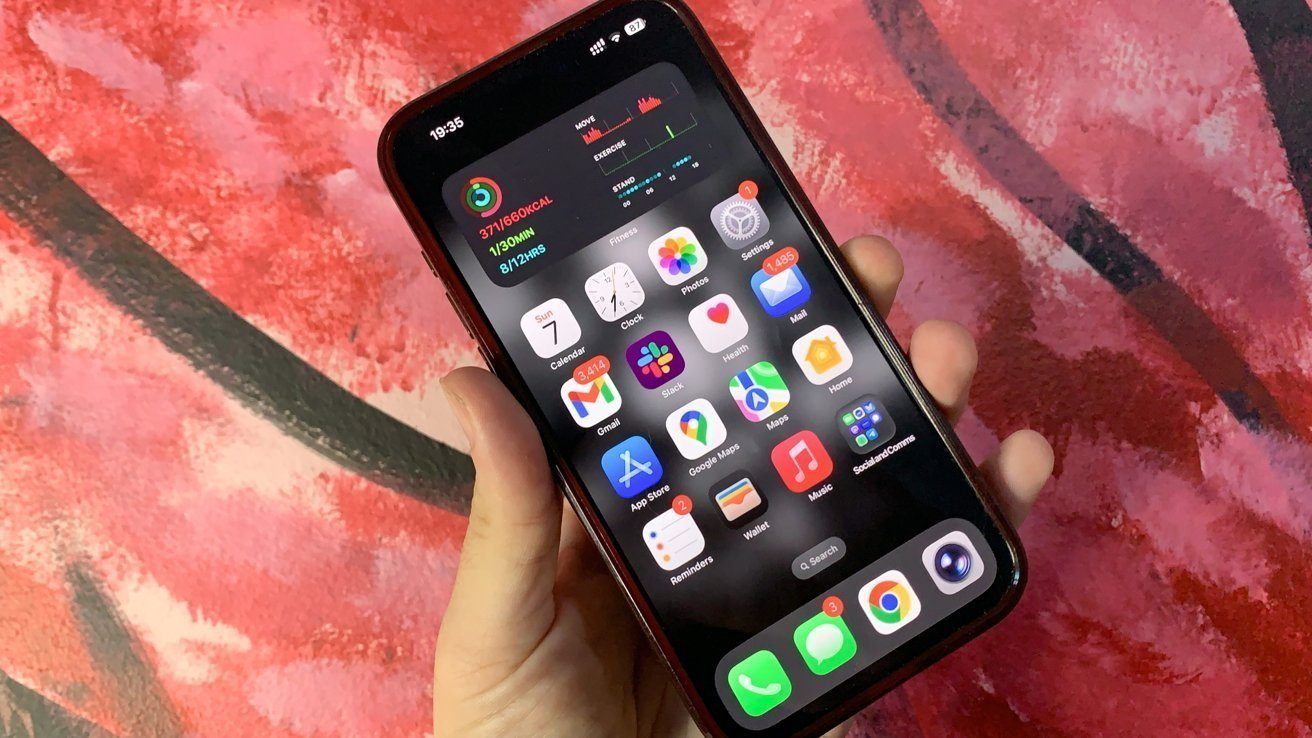
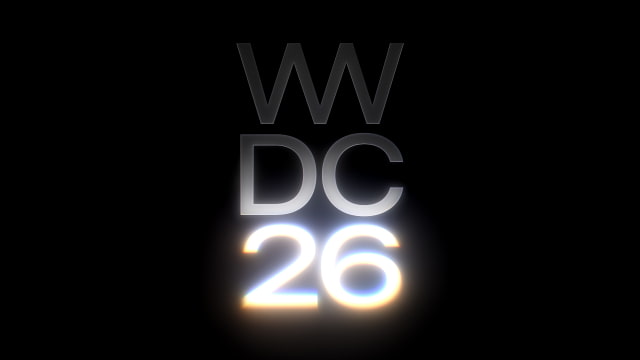
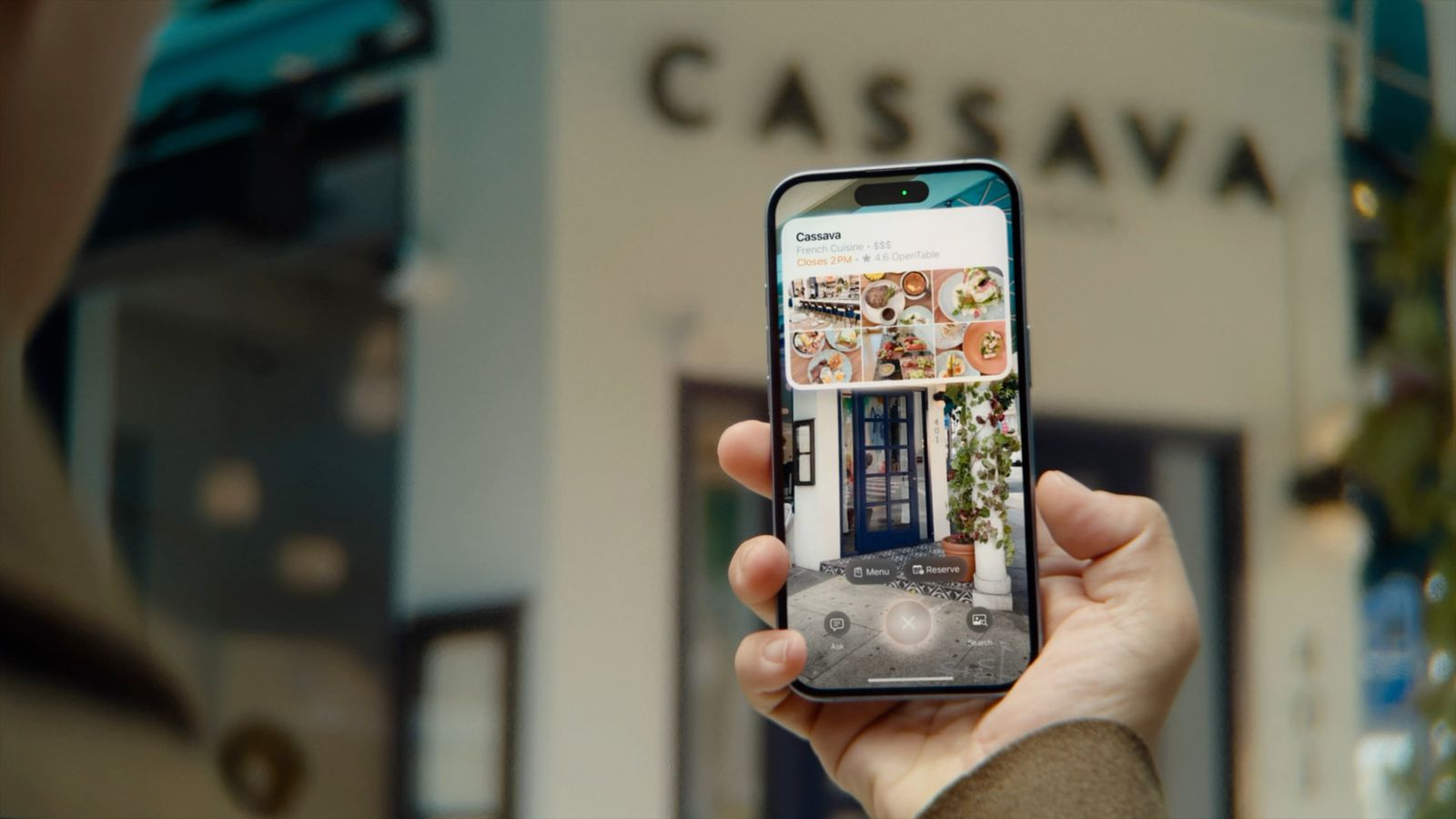
Apple's redesign of Siri ahead of WWDC 2026 (June 8, 2026) represents a critical inflection point for e-commerce sellers leveraging voice commerce and AI-powered product discovery. According to Bloomberg's Mark Gurman, the company is testing a significant visual overhaul featuring a distinctive halation effect (harsh, overexposed glow) that will appear as a cursor within the Dynamic Island pill on compatible devices, accompanied by a "Search or Ask" prompt. This redesign signals Apple's long-delayed commitment to modernizing its AI assistant, which has faced criticism for lagging behind competing AI assistants like Google Assistant and Amazon Alexa.
The e-commerce implications are substantial. Voice commerce represents one of the fastest-growing shopping channels, with voice-activated searches expected to account for 50%+ of all searches by 2026. Apple's redesign directly targets this opportunity by making Siri more visually prominent and accessible on iPhone and iPad devices—platforms with 1.2B+ active users globally. The "Search or Ask" interface explicitly positions Siri as a shopping assistant, creating immediate opportunities for sellers to optimize product listings for voice search queries. Unlike traditional text-based search, voice queries are longer, more conversational, and often include specific intent signals ("show me affordable wireless earbuds under $50" vs. "wireless earbuds $50").
For sellers, this creates three immediate automation and data opportunities. First, AI-powered voice search optimization tools can now analyze Siri's new interface requirements and automatically adjust product titles, descriptions, and metadata to match voice search patterns. Second, dynamic pricing algorithms can integrate voice commerce data to identify price-sensitive voice shoppers versus traditional browsers—voice users typically show 15-20% higher price sensitivity. Third, competitive intelligence AI can monitor which product categories gain visibility through Siri's redesigned interface, allowing sellers to identify emerging niches before competitors. The halation visual effect itself signals Apple's focus on premium, high-contrast product imagery—sellers should prioritize lifestyle photography with strong lighting and visual hierarchy.
Immediate seller actions include: (1) Audit current product listings for voice search compatibility by January 2026—use AI tools like SEMrush or Ahrefs to identify voice search gaps; (2) Implement structured data markup (Schema.org) for product attributes, pricing, and availability to ensure Siri can parse listings correctly; (3) Create FAQ sections targeting conversational queries ("What's the best budget smartphone?" vs. "smartphone under $300"); (4) Monitor WWDC 2026 announcements for Siri API access—early adopters will gain 6-12 month competitive advantage in voice commerce integration. The timing aligns with Apple's broader AI integration push across its ecosystem, suggesting voice commerce will become a primary revenue driver for sellers by Q4 2026.
Questions 8
When should sellers expect Siri voice commerce features to become available, and what's the implementation timeline?
Apple will announce Siri voice commerce features at WWDC 2026 on June 8, 2026, with beta access likely available to developers by June 2026 and public rollout by iOS 18 (expected September 2026). Sellers should complete voice search optimization by January 2026 (6 months before launch) to ensure listings are ready when Siri's new interface goes live. Implementation timeline: weeks 1-4 (audit current listings), weeks 5-8 (implement Schema.org markup and FAQ sections), weeks 9-12 (optimize imagery and pricing strategy). Sellers who complete optimization by June 2026 will capture first-mover advantage when voice commerce traffic spikes post-iOS 18 launch.
What is the ROI of investing in voice commerce optimization before Siri's redesign launches?
Voice commerce optimization typically delivers 200-400% ROI within 12 months of implementation. Specific metrics: (1) Voice search traffic increases 30-50% post-optimization; (2) Voice shopper conversion rates are 15-25% higher than text search due to higher purchase intent; (3) Average order value from voice shoppers is 10-20% higher (convenience-driven purchases); (4) Customer acquisition cost via voice search is 20-30% lower than paid search. For a seller with $500K annual revenue, voice optimization investment of $5K-$10K typically generates $30K-$50K incremental revenue in year one. The investment window closes after WWDC 2026 when competitors begin optimizing, so early action is critical.