



Strait of Hormuz Blockade Crisis | Shipping Costs Surge 7-12% for Cross-Border Sellers
- Oil prices spike to $97/barrel, fuel surcharges hit Asia-Europe routes, 20% of global petroleum disrupted, diplomatic window closes April 23





























Overview
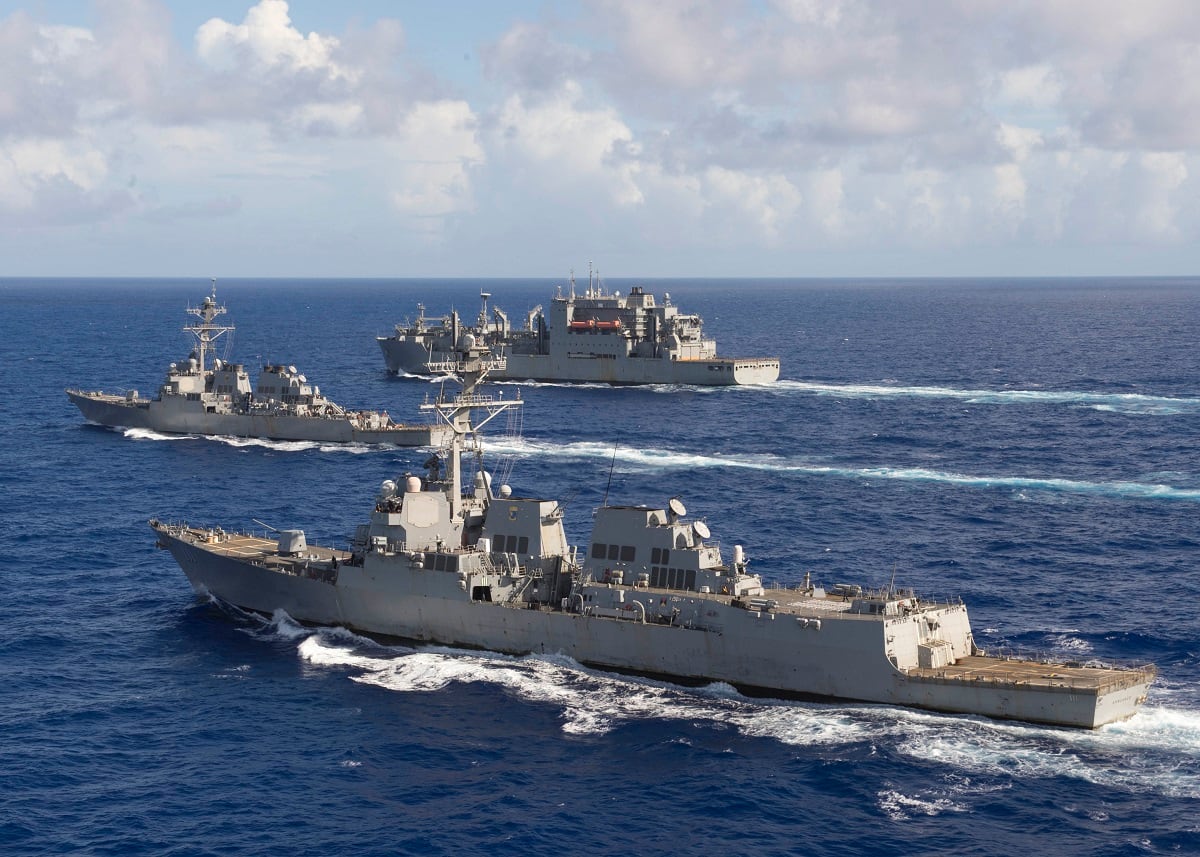
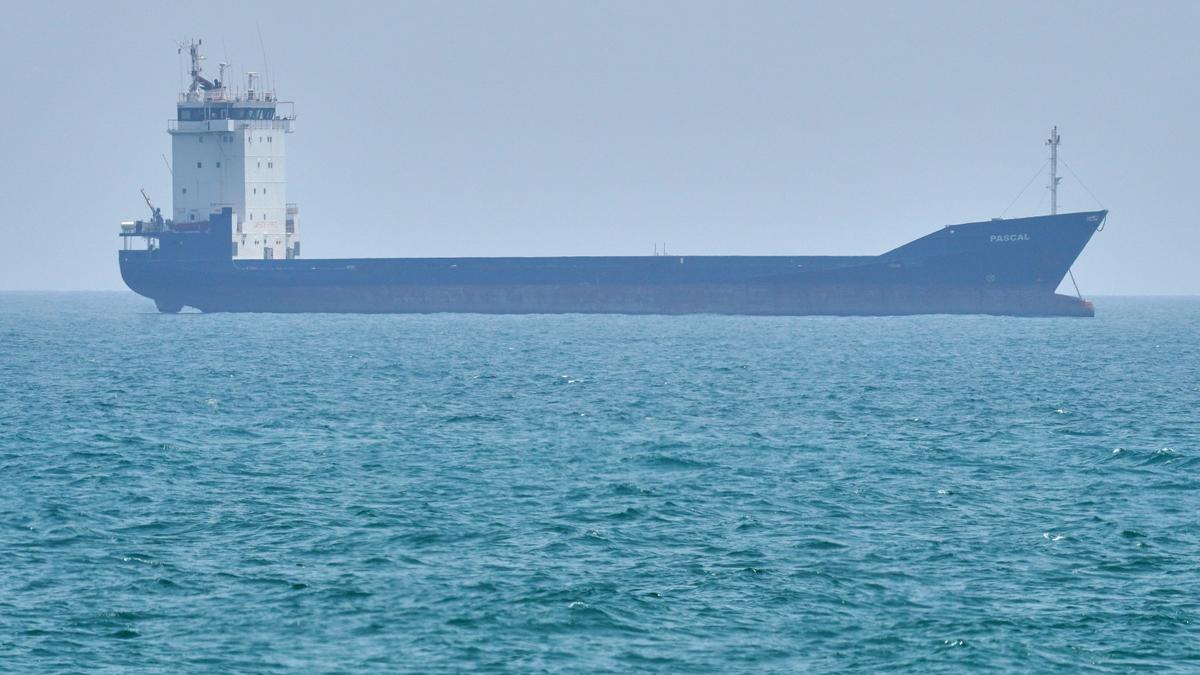
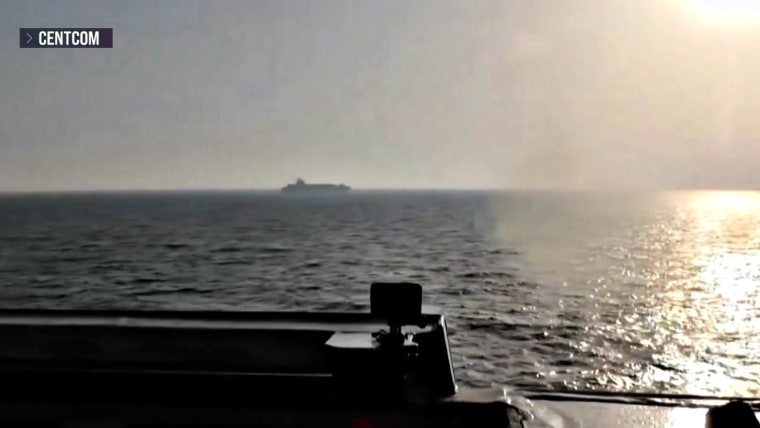
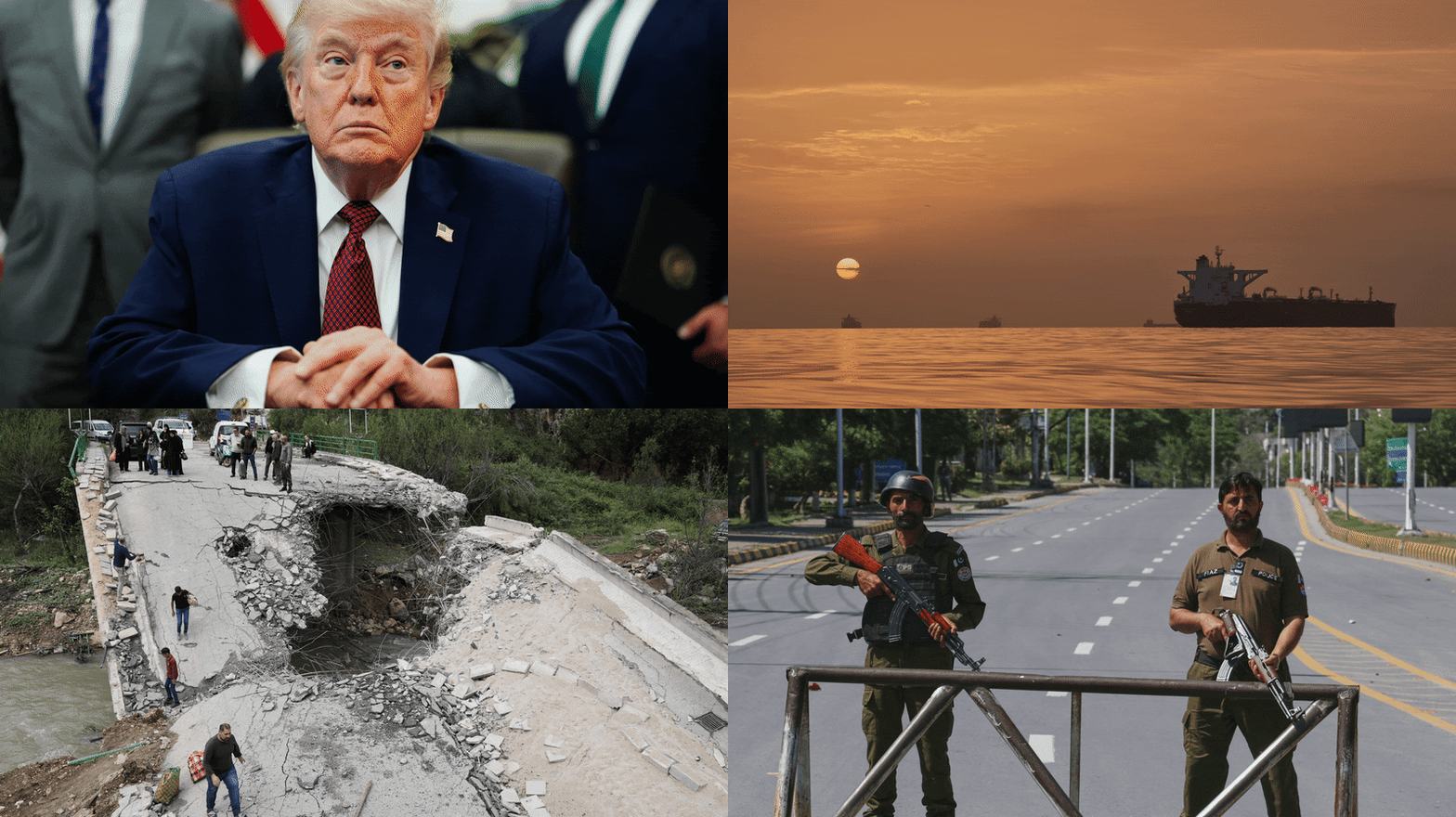
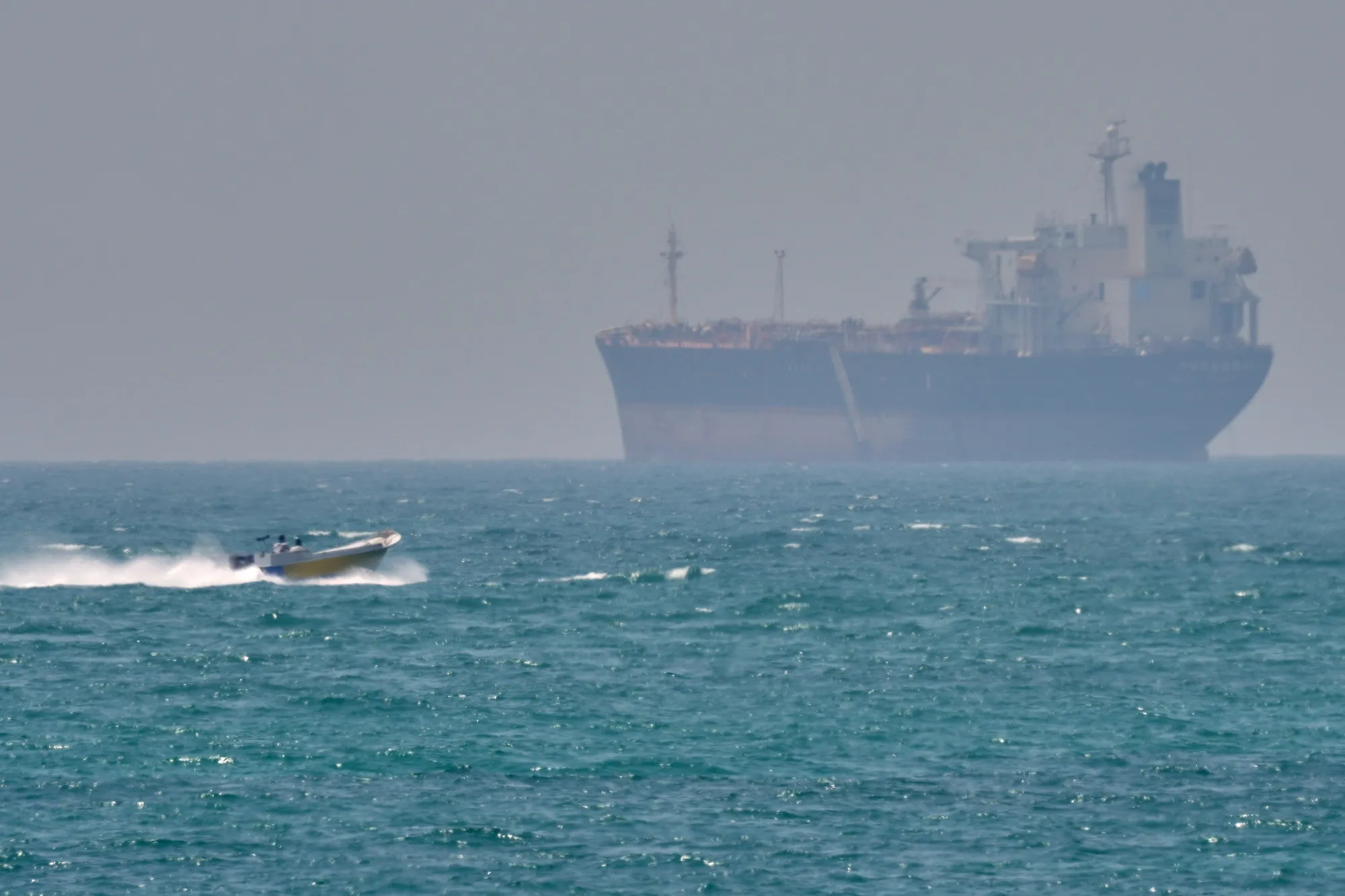
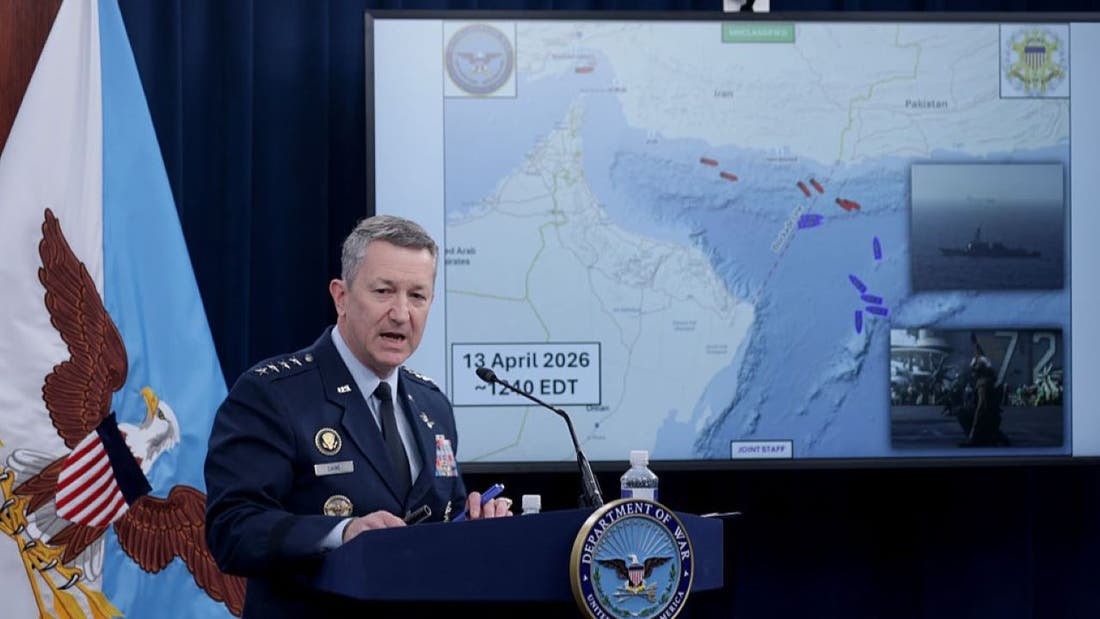
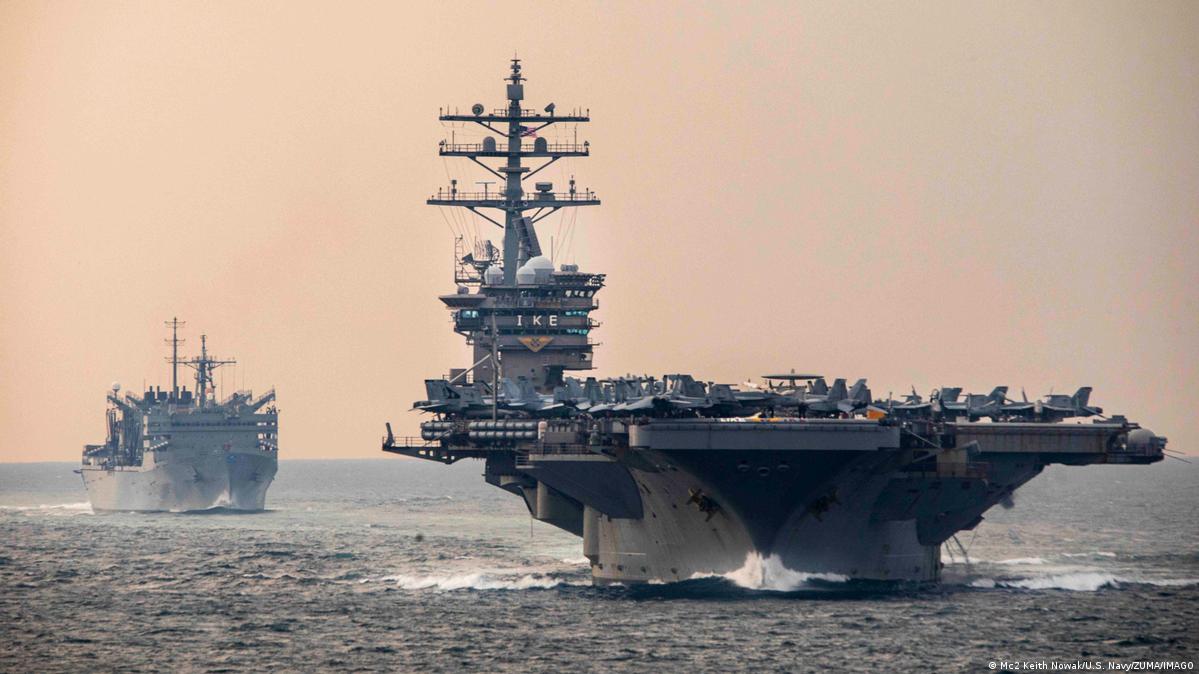
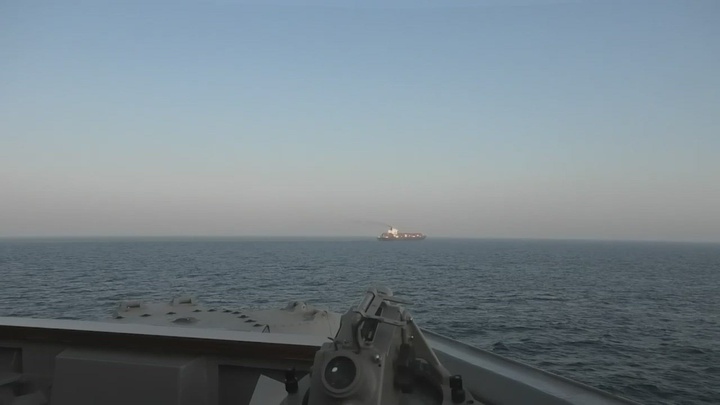
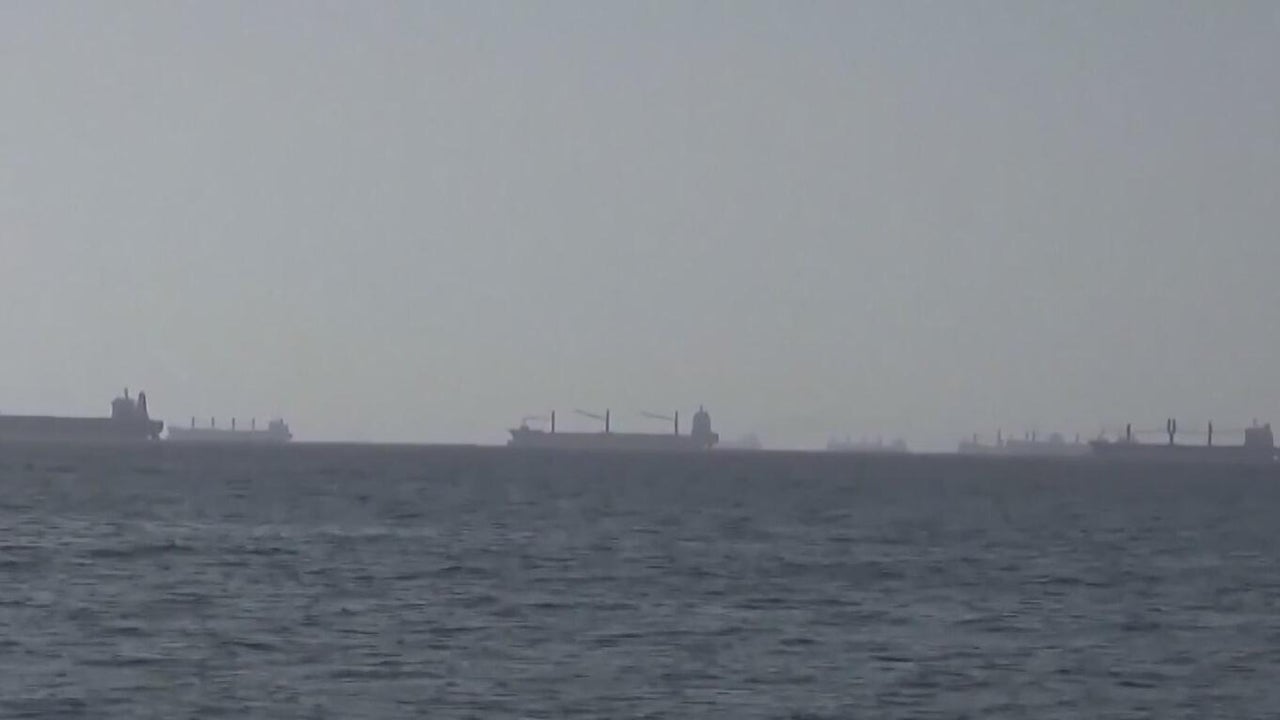
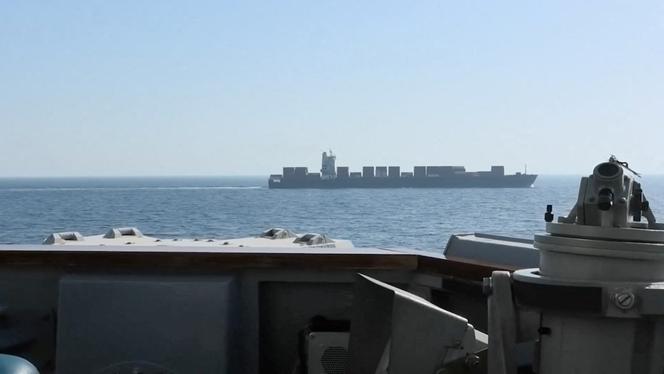
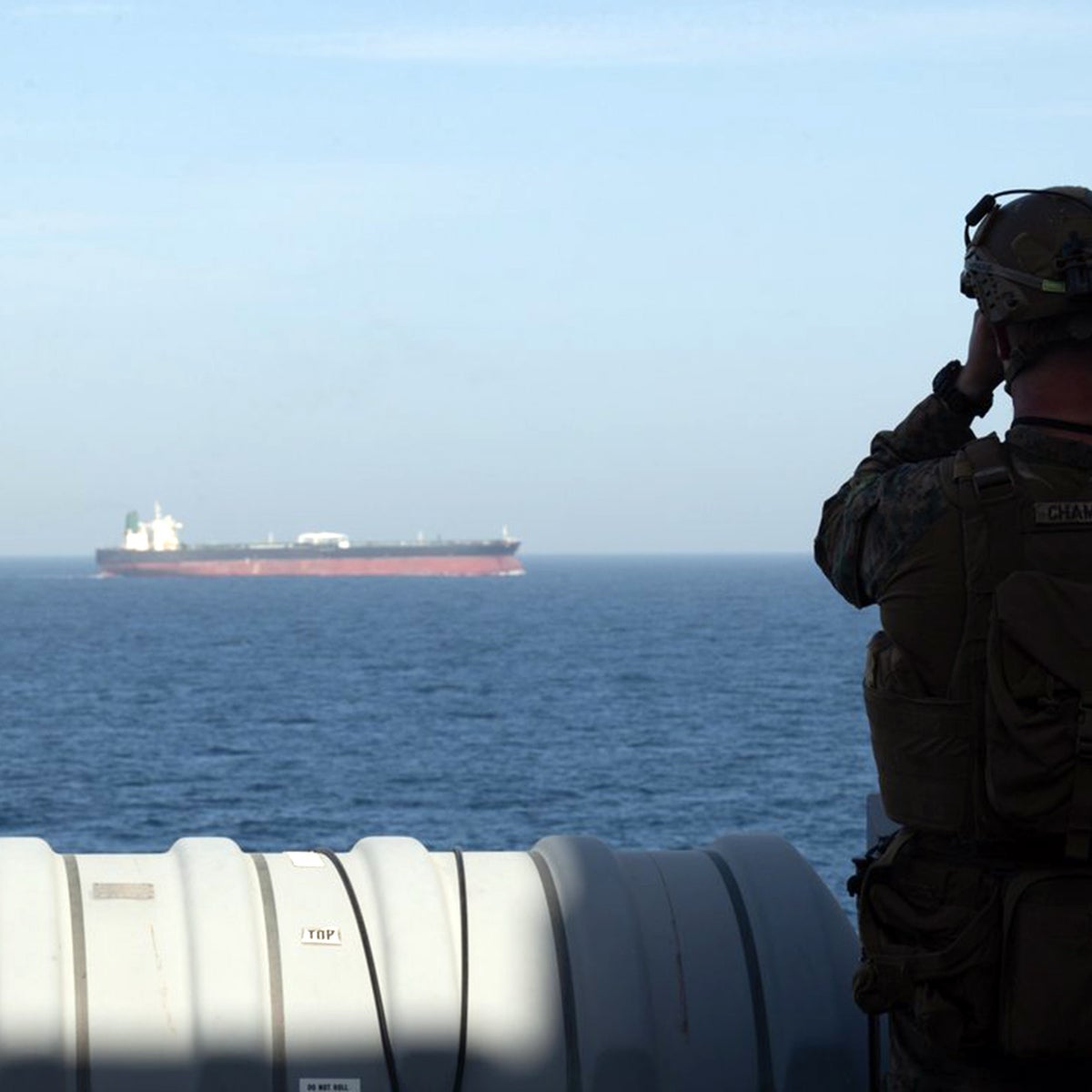
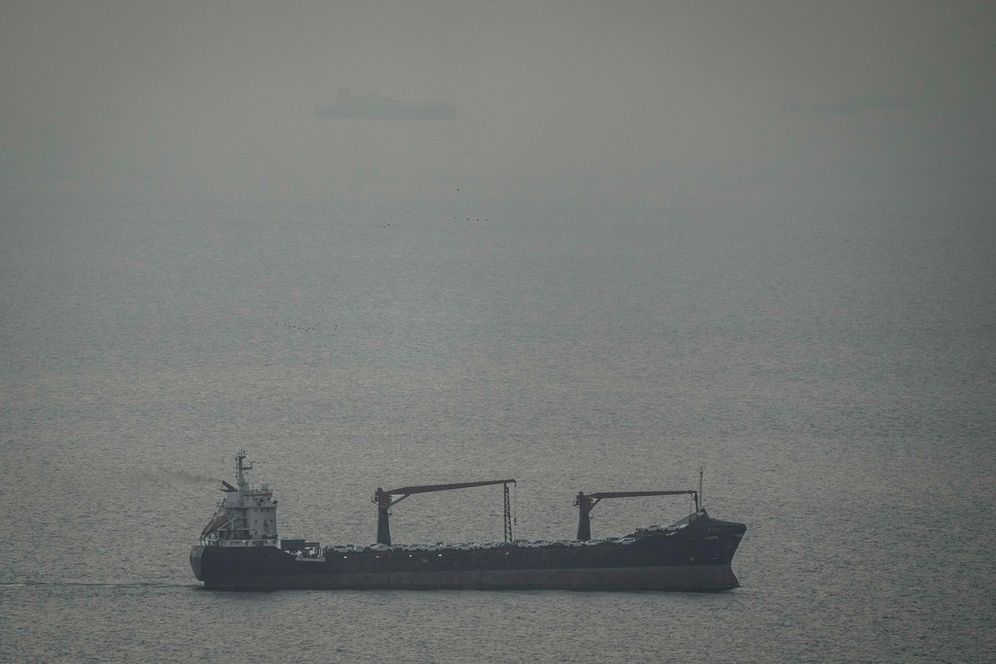
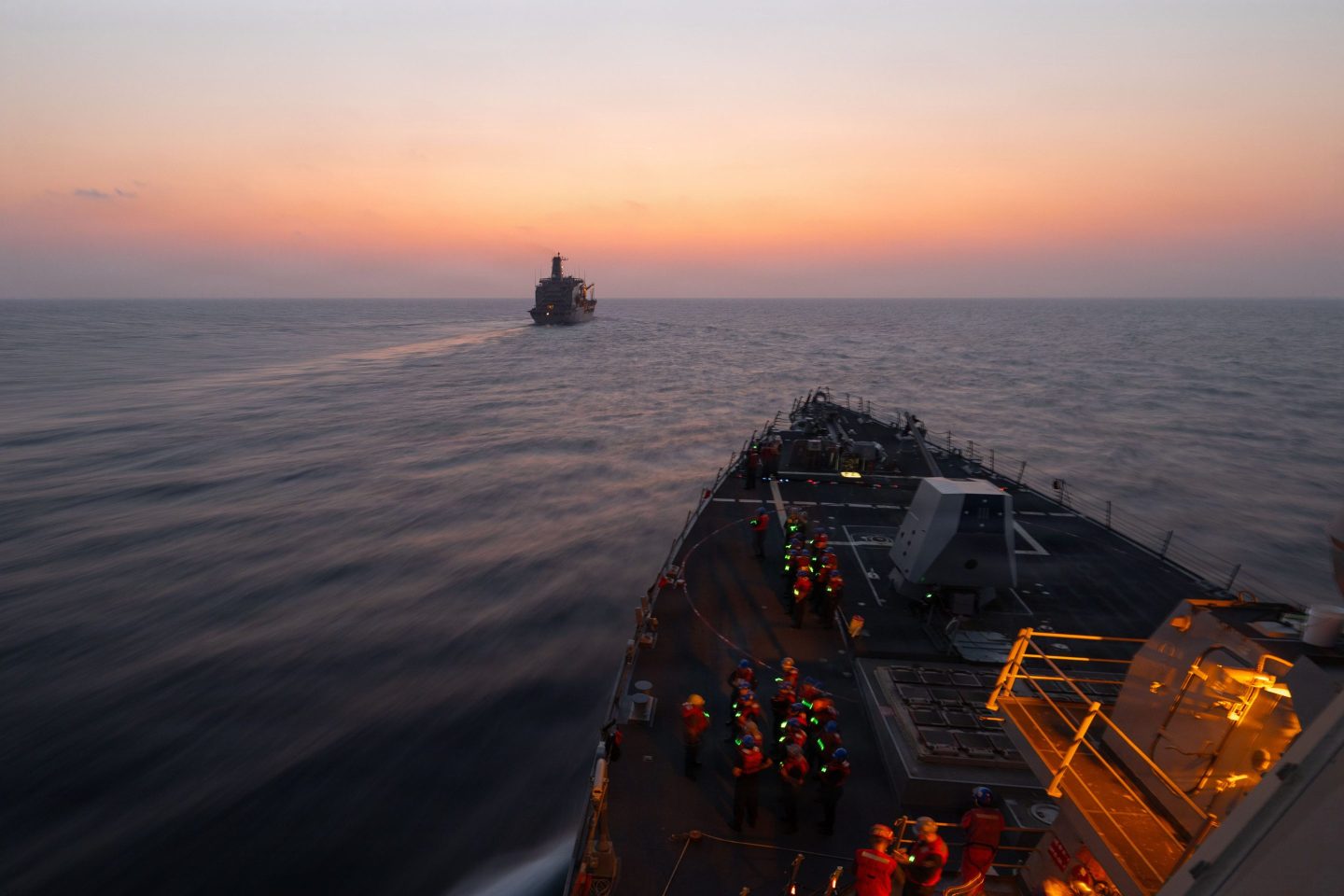
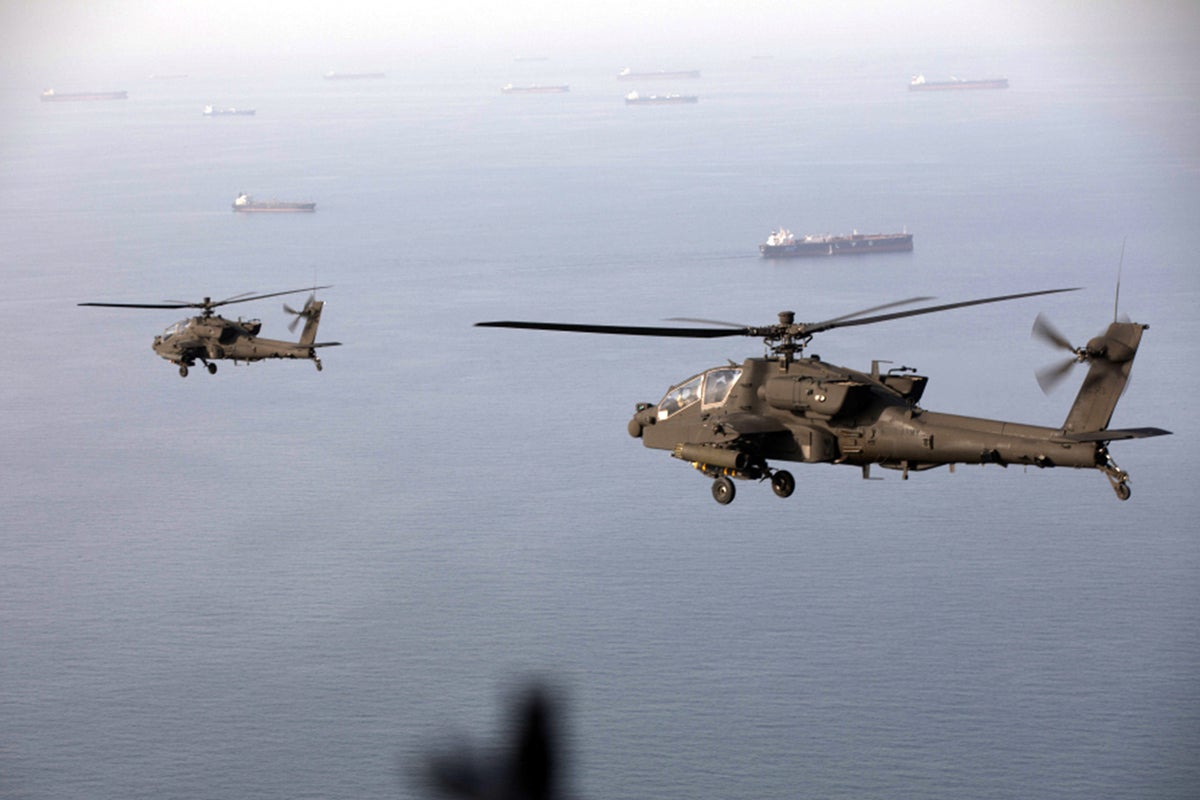
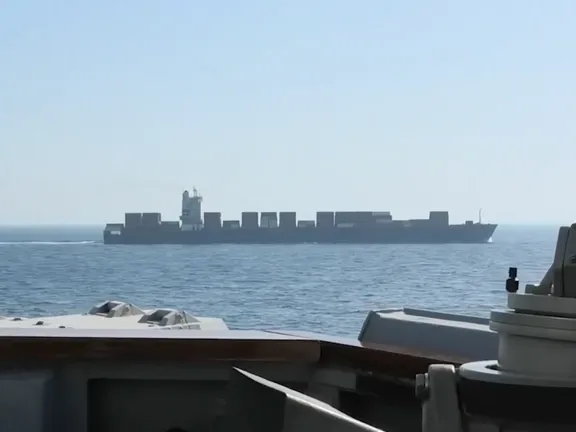
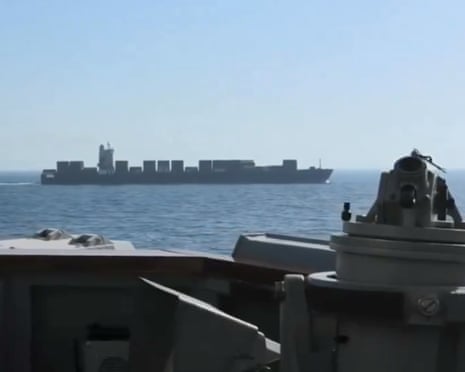
The Strait of Hormuz blockade represents a critical supply chain crisis for cross-border e-commerce sellers, with direct implications for logistics costs, inventory planning, and market access. Between April 18-20, 2025, the US Navy seized multiple Iranian-flagged cargo vessels attempting to bypass a naval blockade established April 13, 2026, escalating tensions that began March 1, 2025. Shipping data from Kpler shows vessel transits peaked at 20+ ships on April 18—the highest volume since conflict began—but this temporary stabilization masks underlying disruption. Oil prices surged 7% toward $97/barrel (Brent crude rose 4.74% to $94.66/barrel), directly translating to fuel surcharges on ocean freight. Approximately 20-21% of global petroleum and liquefied natural gas passes through this chokepoint annually, making it the world's most critical maritime corridor for energy-dependent supply chains.
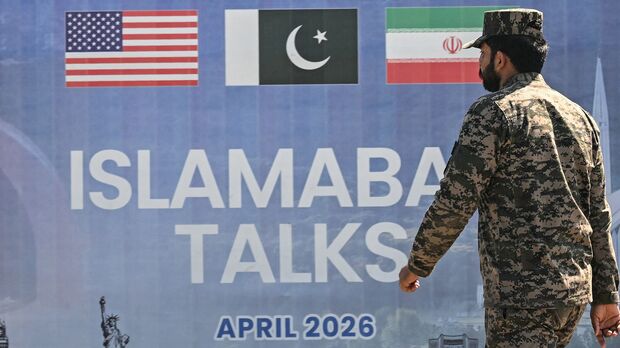
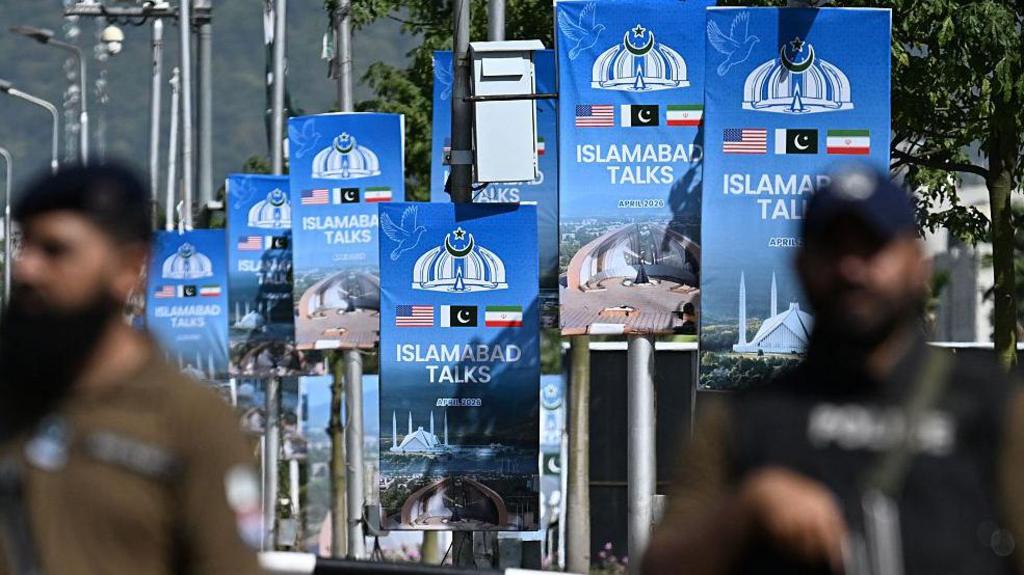
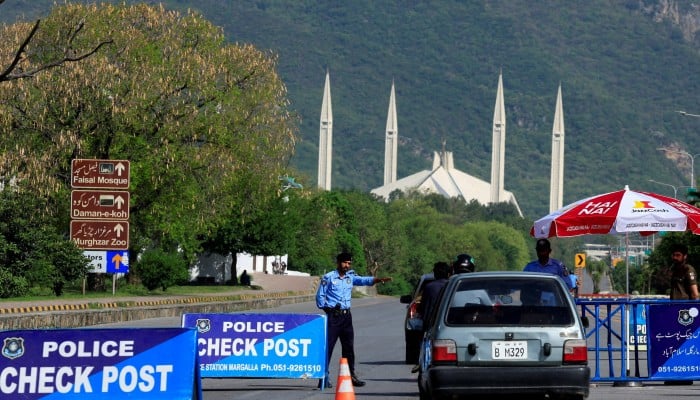
For sellers importing from Asia or exporting to Middle Eastern markets, the operational impact is immediate and quantifiable. Fuel surcharges on Asia-Europe container routes typically increase $200-400 per 40-foot container when oil prices spike 5-7%, compressing margins 3-8% for sellers with standard 15-25% gross margins. Sellers relying on just-in-time inventory from Chinese suppliers face 2-4 week shipping delays as vessels reroute around Africa (adding 10-14 days transit time and $800-1,200 per container in additional fuel costs). Insurance costs for maritime cargo have historically increased 15-25% during Strait disruptions, directly impacting landed costs for electronics, textiles, metals, and machinery categories. The ceasefire agreement expires April 23, 2025, with peace negotiations in Islamabad facing "significant obstacles" regarding Iran's uranium stockpiles and Strait reopening conditions—creating a critical 48-72 hour decision window that will determine whether disruptions continue or stabilize.
Strategic sourcing opportunities emerge for sellers willing to shift supply chains. Vietnam, India, and Indonesia-based suppliers offer 8-15% cost advantages over China for electronics, apparel, and home goods categories when accounting for reduced Strait-dependent shipping. Sellers currently sourcing 60-80% from China can reduce exposure by shifting 20-30% of volume to Southeast Asian suppliers, reducing fuel surcharge vulnerability while maintaining quality standards. Conversely, sellers with inventory already in transit face forced rerouting decisions: accepting 2-4 week delays or paying premium rates ($1,500-2,500 per container) for air freight alternatives. The diplomatic uncertainty creates a timing arbitrage opportunity—sellers who lock in current freight rates before April 23 can hedge against potential 15-25% rate increases if escalation continues, while those waiting risk paying premium rates if negotiations fail. Middle Eastern market access becomes increasingly risky; sellers currently serving UAE, Saudi Arabia, and Qatar markets should consider temporary inventory repositioning to Singapore or Dubai free zones to maintain market presence without direct Strait transit exposure.
Questions 7
What sourcing alternatives reduce my Strait of Hormuz exposure?
Vietnam, India, and Indonesia suppliers offer 8-15% cost advantages over China while reducing Strait-dependent shipping. Vietnam electronics manufacturing costs 5-10% less than China with similar quality; India textiles and apparel cost 8-12% less. Shifting 20-30% of volume from China to Southeast Asia reduces fuel surcharge vulnerability by proportional amounts—a seller sourcing 50% from Vietnam instead of China cuts Strait exposure by 25%. However, Vietnam sourcing requires 4-8 week lead time increases and minimum order quantities 15-20% higher than China. Bangladesh and Pakistan suppliers offer apparel at 10-15% discounts but face their own geopolitical risks. The strategic window is now: lock in Vietnam/India supplier relationships before May 2025 to have alternatives ready if Strait disruptions persist beyond April 23.
How do I hedge against freight rate volatility until April 23?
Lock in freight rates immediately with your 3PL provider or freight forwarder for shipments departing before April 23. Most carriers offer 7-14 day rate holds; negotiate 21-day holds given the diplomatic timeline. Sellers shipping 200+ containers monthly should negotiate quarterly contracts with fixed fuel surcharge caps (typically +$100-150 per container maximum) rather than variable surcharges. Consider splitting bookings: 60% on fixed-rate contracts, 40% on spot rates to maintain flexibility. If negotiations succeed and Strait reopens, you've locked in favorable rates; if escalation continues, you're protected from 15-25% rate increases. Avoid booking shipments for April 24+ until April 23 outcomes are clear—spot rates could spike 20-30% if ceasefire fails. Use freight indices (Freightos, Xeneta) to monitor real-time rate trends; if rates spike >15% week-over-week, accelerate shipments to beat further increases.